Swimming in the Danube Is Back — and Budapest Can’t Get Enough of It
There’s something wonderfully romantic about the idea of swimming in the Danube as it flows through the heart of Budapest. For much of the 20th century, it was little more than a dream — the river’s water quality made bathing impractical, and the grand floating bathhouses that once lined the embankments faded into memory. But something has been quietly shifting over the past few years, and in the summer of 2026, swimming in Budapest’s most famous waterway is not just possible — it’s becoming one of the city’s most exciting new attractions.
A River With a Rich Bathing History
To understand why Budapestians are so excited about this revival, it helps to know a little history. Back in the 19th century and well into the 20th, the stretch of the Danube running through Budapest was dotted with so-called Danube Baths — floating and riverside bathing establishments that stretched from Elizabeth Bridge all the way up to the Parliament building. In the early days, these were serious sporting venues: soldiers trained in the water, swimming competitions were organised for athletes, and the river was treated as a natural arena for aquatic exercise.
Over time, the Danube Baths evolved into something more relaxed and joyful — places for sunbathing, splashing, and socialising. The city even opened three free public bathing spots to ensure that everyone could enjoy the river regardless of their means, with locations on the Gellért Embankment, in Óbuda near Nagyszombat Street, and in Újlipótváros near Dráva Street. It was a golden age of riverside recreation that most Budapestians today know only from old photographs.
How the River Came Back to Life
The decline of Danube bathing was gradual, driven by industrialisation, urban development, and deteriorating water quality. For decades, swimming in the river within the city limits was simply off the table. But the past several years have seen significant investment in environmental protection along the Danube, and the results are measurable. Water quality has improved substantially, enough that Budapest’s mayor Gergely Karácsony publicly stated that more and more sections of the river are becoming suitable for bathing once again.
Best deals of Budapest










This sparked a genuine civic conversation about reclaiming the Danube as a recreational resource. The city began working with Budapest Spas and Hot Springs — the municipal company that manages Budapest’s famous thermal bath network — as well as the Valyo City and River Association, a civic organisation dedicated to reconnecting Budapest with its waterfront, to develop a comprehensive vision for Danube bathing.
The Two Beaches You Can Visit Right Now
Today, Budapest has two official designated river beaches where you can take a dip in the Danube safely and legally, with water quality monitoring and basic facilities in place.
The first and more established of the two is the Római Beach in Óbuda, operated by the local Óbuda municipality. This stretch of the northern Danube bank has long been a favourite escape for Budapest residents on hot summer days, with a relaxed, slightly retro atmosphere that feels refreshingly un-touristy. It’s the kind of place where locals bring folding chairs, barbecue grills, and coolers full of cold beer, and spend the entire day in a state of blissful inertia.
The second, newer option is the Árasztó Beach in District XI, on the Buda side of the river. Managed by Budapest Spas and Hot Springs, it opened on a trial basis in the summer of 2025 and proved popular enough that it’s returning for 2026 — with improvements. Preparations are already underway, and the beach is expected to open on 1 July. Visitors can look forward to a refreshed environment, various facility upgrades, and community programmes throughout the season. The fact that this beach sits in District XI — the same neighbourhood as the thriving Bartók District — makes it an easy addition to a day spent exploring one of Budapest’s most interesting local neighbourhoods.
What’s Coming Next
The ambition doesn’t stop at two beaches. Budapest Spas and Hot Springs has confirmed that if conditions allow, new riverside bathing spots could be designated in 2026, with detailed water quality analyses and site assessments already underway. The Valyo association has identified several promising locations across the city, with Margaret Island and the Jane Haining Embankment among the sites being considered for future bathing facilities. Swimming lanes along the Buda side of Margaret Island and along Óbuda Island are also being studied.
The most ambitious project on the horizon is a floating river pool in the Danube — essentially a modern reimagining of the historic Danube Baths. A feasibility study is currently being prepared, and if the plans come to fruition, it would represent the most significant step yet in Budapest’s effort to reconnect its residents and visitors with the river that defines the city’s geography and character.
Progress has been slower than originally hoped — plans announced in 2024 for multiple new beaches and a floating wooden pool structure were delayed primarily by the complex and time-consuming permitting processes that any water-based facility in a major European river requires. But the direction of travel is clear, and each summer brings Budapest a little closer to the vision its planners and residents share.
Can’t Make It During the Day? Budapest’s Baths Stay Open Until 10pm
Here’s something that not enough visitors know: Budapest’s famous thermal baths aren’t just a daytime affair. Throughout the summer, at least one of the city’s beloved baths stays open until 10pm every single day of the week, giving you a genuinely wonderful evening option when the sightseeing is done and your feet need a rest.
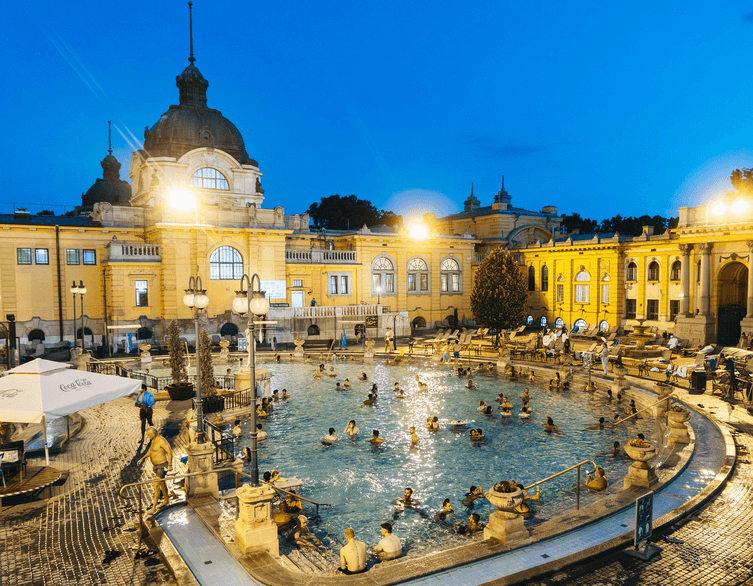
The schedule rotates through the week in a pleasingly democratic way. Mondays belong to the Rudas Baths, the atmospheric Ottoman-era bath perched dramatically at the foot of Gellért Hill, with its iconic octagonal pool and stunning dome. Tuesdays are for the Lukács Baths, a favourite among locals for its old-world charm and loyal regulars. Wednesdays see the Csillaghegy Baths open late — a more neighbourhood feel, popular with families. Thursdays it’s the Dandár Baths in District IX, a no-frills, genuinely local experience. Fridays, most fittingly, are reserved for the grandest of them all: the Széchenyi Baths in City Park, where soaking in the outdoor pools under the evening sky is one of Budapest’s most magical experiences. Saturdays bring extended hours at the Pesterzsébet Baths in the south of the city, and Sundays close out the week at the Paskál Baths.
Whether you’re unwinding solo after a long day of sightseeing, looking for a romantic evening with a partner, or simply want to do something genuinely different with a group of friends, an evening thermal bath session is one of those experiences that stays with you long after you’ve left Budapest. The warm thermal water, the steam rooms, the unhurried pace — it’s the perfect antidote to a busy day in the city, and it’s available every single night of the week.
Why This Matters for Visitors
For foreign tourists, the revival of Danube bathing adds an entirely new dimension to a Budapest summer visit. The city is already famous for its thermal bath culture — the Széchenyi, Gellért, and Rudas baths are on virtually every visitor’s itinerary — but the idea of swimming in the open river, with the city’s iconic skyline as your backdrop, is something altogether different and genuinely special.
The Római Beach in Óbuda is easily reachable by the HÉV suburban railway from Batthyány Square, making it a very manageable half-day trip from the city centre. The Árasztó Beach in District XI is accessible by tram along the Buda embankment. Neither requires advance booking or entrance fees, which fits perfectly with the free-spirited, spontaneous nature of river bathing.
If you’re visiting Budapest in July or August and the weather obliges — which, given the city’s reliably warm summers, it almost certainly will — an afternoon on the banks of the Danube is one of the most authentically local experiences the city currently has to offer. The Budapestians who grew up hearing their grandparents talk about the old Danube Baths are finally getting something back. And as a visitor, you get to be part of that story.
Related news
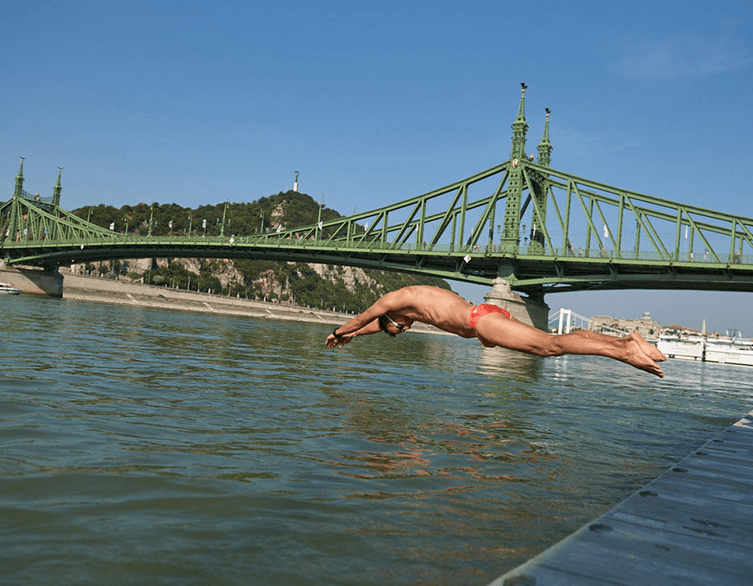
Budapest Is Finally Becoming a Bathing City on the Danube — Here’s Where to Swim
Ask a first-time visitor to Budapest what the Danube is for, and they’ll probably say “photos.” Bridges, boat cruises, the Parliament...

Swimming in the Danube: What Every Visitor to Budapest Should Know Before Jumping In
Budapest is in the grip of a brutal heatwave this summer, and with the Danube’s water level dropping to record lows, the temptation to cool...
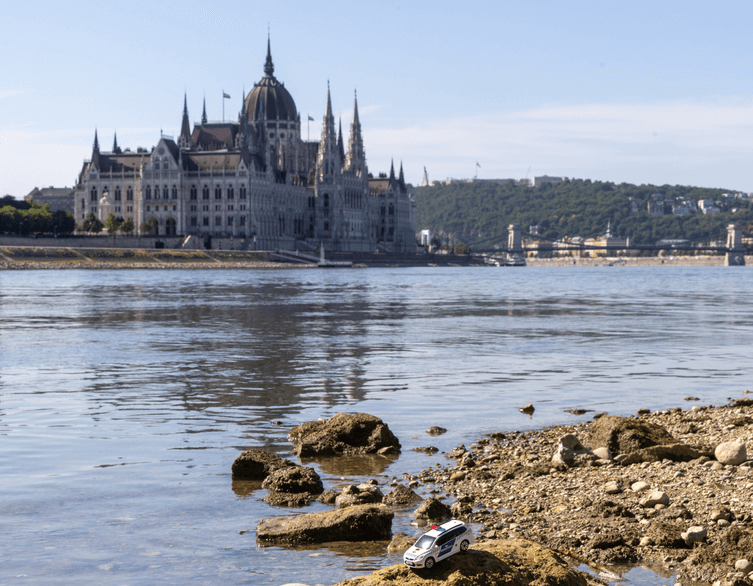
The Danube Just Hit Its Lowest Water Level Ever Recorded in Budapest
If you’re strolling along the Danube this week, you might notice something unusual: the river looks strikingly low, almost dramatically so....
Budapest Heatwave Alert: Hungary Set to Become Central Europe’s Hottest Spot This Summer
If you’re planning a trip to Budapest in the coming days, brace yourself: the Hungarian capital and the surrounding region are about to experience...

Budapest’s National Day 2026: Fireworks Tradition Faces Growing Debate
If you’re planning to be in Budapest around August 20th, you’re timing your visit around one of Hungary’s biggest national holidays,...
Árasztó Beach Just Opened!
Budapest just got a little wilder — and I mean that in the best way. Forget the marble halls and thermal steam of Széchenyi for a second, because...
Swimming in the Danube: Discover Budapest’s Free Riverside Beach at Árasztó-part
Budapest is famous for its thermal baths, but what if you could take a refreshing dip right in the Danube? In summer 2026, this unique experience...
Update! – Soaking in the News: Széchenyi Thermal Bath Introduces a 14+ Policy
Few experiences feel more quintessentially Budapest than slipping into the steamy, mineral-rich pools of the Széchenyi Thermal Bath. From August...

Széchenyi Thermal Bath: Balancing Iconic Status with Visitor Demand
Budapest, often referred to as the “City of Spas,” owes much of its fame to its world-renowned thermal baths. Among these, the Széchenyi...