Blue April at Budapest Airport: How Ferenc Liszt International Is Making Air Travel More Inclusive
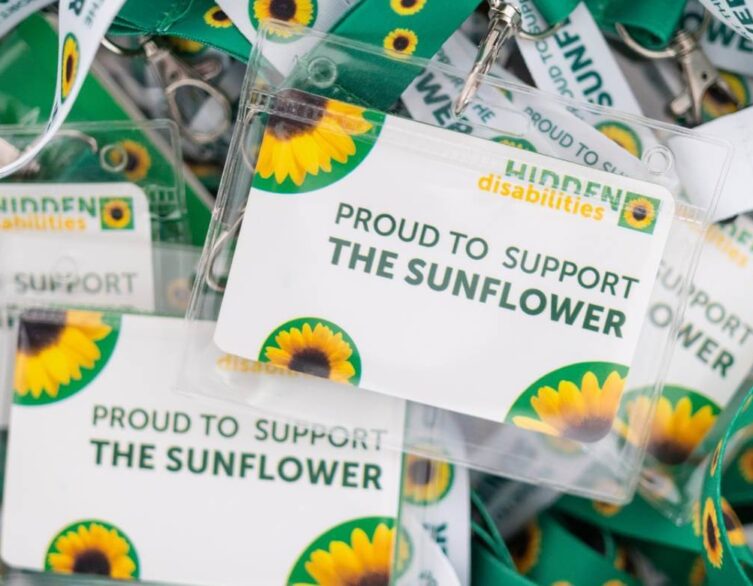
If you’ve ever felt overwhelmed by the hustle and noise of a busy airport, you’re not alone. For travelers with autism or heightened sensory sensitivity, navigating a major international hub can be an especially daunting experience. This April, Budapest’s Ferenc Liszt International Airport took a meaningful step forward by joining the global Blue April autism awareness campaign — and what the airport is doing for travelers with impairments goes far beyond a single event.
Blue April: A Day Dedicated to Confident Travel
In partnership with the Together for Autistic People Foundation, Budapest Airport organized a special guided tour of the airport exclusively tailored to the needs of people with autism. The event, now held for the second consecutive year, walked participants through every stage of the airport experience — from mandatory security checks all the way to boarding — in a calm, structured, and supportive environment designed to build familiarity and confidence.
The experience was made even more hands-on thanks to the support of Emirates, one of the world’s leading airlines. With the airline’s assistance, participants had the opportunity to practice the check-in and baggage drop-off processes themselves, turning what can often feel like an intimidating series of steps into something manageable and even empowering. It’s worth noting that Emirates has gone even further on a global scale: the airline has become the world’s first to receive official autism certification from the International Board of Credentialing and Continuing Education Standards (IBCCES), with over 30,000 of its employees trained to support passengers on the autism spectrum.
Best deals of Budapest








The Sunflower Program: Hidden Disabilities, Visible Support
Blue April is just one piece of a much larger commitment at Budapest Airport. The airport has joined the globally recognized Hidden Disabilities Sunflower (HDS) Program, an initiative that uses a simple sunflower lanyard as a discreet signal that a passenger may have a hidden disability and could benefit from extra assistance. Staff working across the passenger terminals have been specifically trained to recognize the sunflower and respond with informed, compassionate support — offering extra time, understanding, and kindness without requiring explanations from the traveler.
If you don’t have a sunflower lanyard with you, don’t worry. You can request one directly from airport staff, or the Autism Foundation can also provide one on request. For foreign visitors who already use the Sunflower Program at airports back home, Budapest Airport’s participation means you can travel with the same lanyard you’re used to and expect the same level of understanding from staff here.
A Sensory Room in Pier 1
Perhaps one of the most tangible additions to the airport’s accessibility offerings — and one that Blue April participants were able to experience firsthand — is the sensory room located in Pier 1, next to the children’s play area. Designed specifically for travelers with autism or heightened sensory sensitivity, the room provides a quiet, calm space to decompress and mentally prepare before a flight, away from the crowds, loud announcements, and bright lights that characterize most busy terminals. The furnishings, lighting, and soundproofing are all carefully chosen to promote a genuinely stress-free environment.
Because capacity is limited, Budapest Airport asks that the sensory room be used only by passengers who genuinely live with sensory processing disorders or disabilities that result in heightened sensitivity, ensuring the space remains available for those who need it most. That said, if you simply need a quiet corner to decompress before your flight, the airport also offers four free-to-use soundproofed quiet booths, each accommodating up to two people.
Pre-Booking Assistance: Plan Ahead for a Smoother Journey
One of the most useful things any traveler with a disability or impairment can do before arriving at Budapest Airport is to pre-book assistance in advance. The airport recommends requesting disability services at least 48 hours before departure, and ideally up to seven days ahead, to ensure the fastest and most seamless service. You can submit a request directly through the airport’s official website, and if your needs require a medical professional to accompany you through the airport, this can also be arranged at the time of booking.
If you arrive without a pre-booked service, you can still signal your needs on the day. Simply approach any information desk in the terminal and let staff know you need assistance — they are trained to respond. The airport’s day-to-day commitment to supporting travelers with impairments means that help is never far away, regardless of whether you’ve planned ahead.
Accessibility Beyond Sensory Needs
Budapest Airport’s accessibility provisions extend well beyond sensory and neurodivergent support. The airport features tactile paving throughout the terminal to assist blind and visually impaired passengers in navigating independently. Budapest Airport has also participated in the EU-funded DANOVA project, a transnational initiative aimed at developing new travel solutions for blind and visually impaired passengers across airports, ports, trains, and bus stations in Europe. Disabled toilets are available throughout the terminal, and wheelchairs can be requested on arrival or pre-booked in advance.
For travelers who need a medical professional on hand or require special attention during specific airport procedures — such as security screening or boarding — these accommodations can all be pre-arranged, ensuring there are no unwelcome surprises on travel day.
A Blueprint for Inclusive Travel in Central Europe
Budapest Airport’s Blue April initiative is more than just a one-day event — it reflects a sustained and growing commitment to ensuring that every passenger, regardless of their needs, can move through the airport with dignity and confidence. From the sensory room in Pier 1 to the Sunflower Program, tactile navigation aids, and hands-on autism awareness events, Ferenc Liszt International Airport is steadily building one of the most thoughtful accessibility ecosystems of any hub in the region.
Whether you’re a traveler with autism, a parent traveling with a neurodivergent child, or someone navigating physical or visual impairments, these developments are worth knowing about before you arrive. Budapest Airport isn’t just a transit point — it’s increasingly a model for what inclusive, human-centered air travel can look like.
Related news
Flying from Budapest Just Got Easier: New Accessibility Tools, a Downtown Baggage Drop, and a Booming Airport
Budapest Ferenc Liszt International Airport has been quietly rolling out a series of passenger-focused improvements that are well worth knowing about...
Dubai Is Back on the Map: Daily Emirates Flights from Budapest Return in June
If you’ve been dreaming of a Dubai stopover or a long-haul adventure connecting through the Gulf, here’s some genuinely good news: the...

Play a Game at Budapest Airport and Win €25 — While Helping Save the Planet
If you thought waiting for your flight at Budapest Ferenc Liszt International Airport was just an exercise in staring at departure boards and overpriced...
Navigating Budapest Airport Just Got a Lot Easier — Here’s What You Need to Know
Arriving in a new city is exciting, but let’s be honest — navigating an unfamiliar airport can be a little stressful, especially when you’re...
DANOVA NEXT: Your Essential App for Accessible Travel in Budapest and the Danube Region
Planning a trip to Budapest and need reliable info on getting around with ease? Whether you’re using a wheelchair, have low vision, or require...

Budapest’s Public Transport Becomes More Accessible for Visually Impaired Travelers
When you explore Budapest’s streets and hop on its iconic trams, you’re experiencing a city that’s constantly evolving to become...
Budapest Airport Makes Travel More Accessible and Comfortable For Passenger With Hidden Disabilities
Budapest Airport, the main international airport serving the Hungarian capital, has recently implemented several new services aimed at making travel...