Budapest Opens Its Synagogues to the World This September

Every autumn, something quietly extraordinary happens in Budapest. The city’s historic synagogues — ordinarily visited for their architecture and their history — fill with music, laughter, and the kind of charged atmosphere that only live performance can create. For twelve nights, the 28th Jewish Cultural Festival turns these sacred spaces into something else entirely: a crossroads where cultures meet, where ancient traditions brush up against contemporary artistry, and where the past feels not like a museum exhibit but like a living, breathing presence.
A Festival Built on the Idea That Culture Connects
Running from August 30 to September 10, 2026, the Jewish Cultural Festival is one of Budapest’s longest-running and most beloved cultural events, and it has earned that status by doing something genuinely ambitious year after year. It doesn’t just book interesting acts and sell tickets. It asks a bigger question: what happens when you bring the world’s musical traditions into dialogue with one of Europe’s richest Jewish heritage sites? The answer, every single year, is something unforgettable.
The Venues Are Part of the Experience
You cannot talk about this festival without talking about where it happens. The Dohány Street Synagogue — the largest synagogue in Europe and one of the most stunning buildings in a city full of stunning buildings — hosts the headline concerts. Sitting inside it for a performance is an experience that recalibrates your sense of what a concert hall can be. The Rumbach Street Synagogue and the Hegedűs Gyula Street Synagogue offer more intimate settings, where the distance between performer and audience practically disappears. These are not neutral spaces. They carry history, and that history makes every performance resonate differently than it would anywhere else.
Best deals of Budapest









Where Flamenco Meets Klezmer Meets Jazz
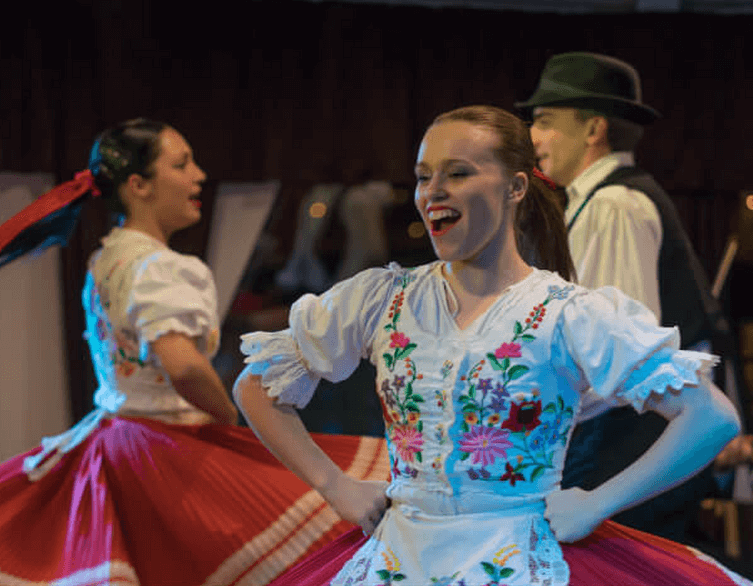
The programming this year is a masterclass in cultural conversation. The Gipsy Kings by Diego Baliardo open the festival on August 30 with the kind of joyful, genre-defying energy that reminds you music has always moved across borders. The next evening, the Budapest and Bratislava klezmer bands face each other across the same stage, with Balkan, Slavic, and Romani musical threads weaving together in real time — a Budapest–Bratislava dialogue that feels both historically weighted and completely alive.
Then comes the Avishai Cohen Trio, whose jazz draws so deeply on Middle Eastern and Mediterranean roots that it stops feeling like a genre and starts feeling like a lineage. And the week closes at the Dohány Street Synagogue with L’dor Vador — From Generation to Generation, a concert whose Hebrew title says everything: cantor Netanel Hershtik, violinist Barnabás Kelemen, and the MÁV Symphony Orchestra sharing a stage in a meditation on memory, inheritance, and what we pass on.
More Than Concerts
Spread across the other venues, the festival becomes something even richer. Anima Sound System — Budapest’s own sonic architects — have reimagined themselves entirely for the Rumbach Street Synagogue, performing an acoustic, string quartet-accompanied concert conceived specifically for that sacred space. Actors, poets, and musicians gather to honor György Spiró, Antal Szerb, and the literary soul of a city that has always taken its writers seriously. Israeli artists arrive from Jerusalem carrying sounds that feel both foreign and strangely familiar in this corner of Central Europe.
Why It Matters
Budapest’s Jewish quarter is one of the most layered, emotionally complex neighborhoods in Europe. It is a place where history is never entirely in the past. The Jewish Cultural Festival doesn’t look away from that complexity — it leans into it, and in doing so, creates something that goes well beyond entertainment. It’s a reminder that culture is how communities survive, how stories get carried forward, and how strangers find common ground. If you’re in Budapest this September, don’t miss it.
Related events
Related attractions
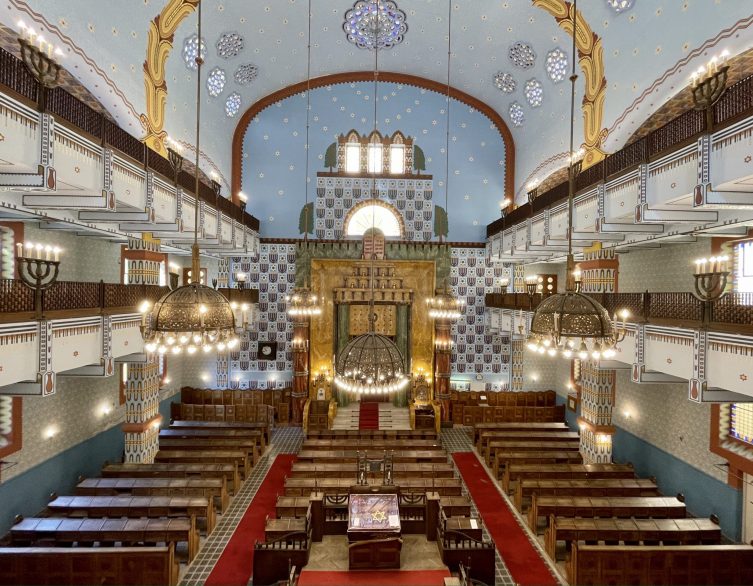
The Kazinczy Street Synagogue: The Center for the Orthodox Jewish Community
When visiting Budapest, one of the must-see attractions for foreign tourists is the Kazinczy Street Synagogue. This architectural marvel, built between...
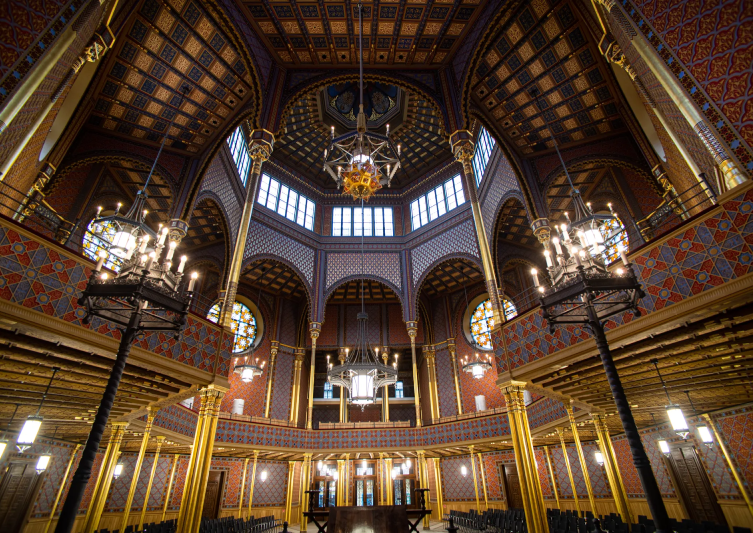
The Rumbach Street Synagogue: Discover The Restored Sacred Center
The Rumbach Street Synagogue, located in the heart of Budapest, is a stunning architectural masterpiece that showcases the genius of Austrian architect...
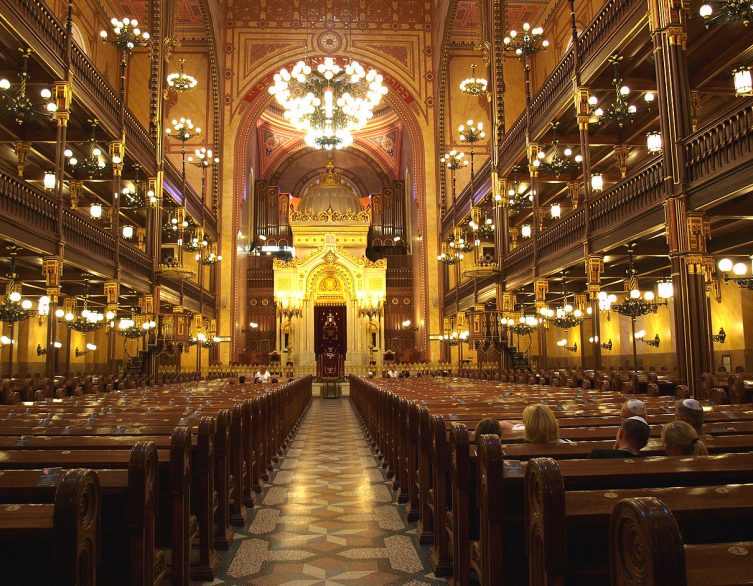
Dohány Street Synagogue: Budapest’s historic Jewish gem
The Dohány Street Synagogue, located in the heart of Pest, Budapest, stands as a monumental beacon of Jewish history and culture. Built in the 19th...