City Park Budapest Is Getting a New Lease of Life: Fences Down, Cars Out, Green Space Back
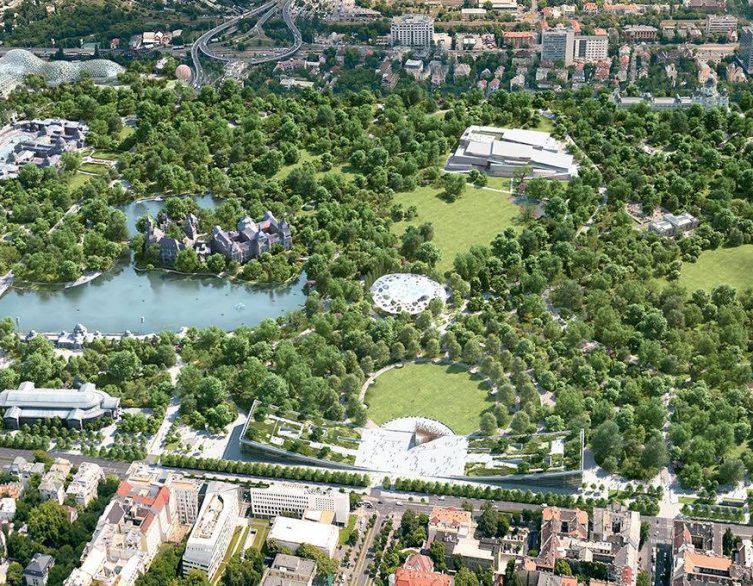
Something significant is happening in one of Budapest’s most beloved — and most contested — green spaces. City Park, known locally as Városliget, is finally set to reclaim its identity as a true public park, after more than a decade of construction battles, political tug-of-war, and unsightly building fences that have carved up the landscape visitors come to enjoy. A major government announcement made on June 18, 2026 signals a turning point, and if you are planning a trip to Budapest, this is news worth knowing about.
A Park with a Long and Complicated History
City Park holds a remarkable place not just in Budapest’s story, but in the history of urban green spaces worldwide. It is the second oldest public park in Budapest and the third oldest in the entire world — a fact that makes what happened to it over the past fourteen years all the more striking. What began as a series of planned cultural investments gradually transformed sections of this cherished park into what critics described as a state-led property development zone, with large swaths fenced off behind construction barriers while projects stalled, changed course, or were simply abandoned.
During this period, the city did gain some genuinely impressive new cultural institutions — the House of Hungarian Music, designed by the renowned Japanese architect Sou Fujimoto, and the striking new building of the Museum of Ethnography both opened within the park’s boundaries. But the process also involved demolishing the beloved Petőfi Concert Hall and the old Transport Museum building, leaving behind rubble-filled lots surrounded by ugly construction fences that have blighted the park’s atmosphere for years.
What’s Actually Changing
The announcement, made jointly by Dávid Vitézy, Hungary’s Minister of Transport and Investment, and György Velkey, State Secretary for Foreign Affairs and Member of Parliament for the Zugló district, marks a decisive shift in direction. The government has committed to a comprehensive rehabilitation of City Park as a genuine public green space — and the changes are both practical and symbolic.
First and most immediately visible: the construction fences that have surrounded the abandoned project sites — including the former Petőfi Concert Hall and Transport Museum areas — will be torn down. The construction debris piled up behind them will be cleared away, and those plots will be landscaped and returned to the park as new green areas. After years of being blocked off from the public, these patches of land will once again become part of the living, breathing park that Budapestians and visitors have always deserved.
Best deals of Budapest










Kós Károly Promenade: From Traffic Artery to True Walkway
Perhaps the most transformative element of the announcement is the long-awaited plan to pedestrianise Kós Károly Promenade, the road that currently cuts straight through the heart of City Park. Right now, this route serves as a major funnel for motorway traffic flowing in from the M3 — hardly what you would expect of an avenue named after one of Hungary’s greatest architects. The plan is to eliminate this through-traffic entirely, allowing Kós Károly Promenade to finally live up to its name and become a proper, leafy, car-free walkway. For anyone who has tried to enjoy a relaxed afternoon in City Park only to find themselves dodging vehicles, this will be a genuinely transformative change.
Heroes’ Square Is Also in the Frame
The vision extends beyond the park itself. Vitézy also flagged the need to rethink Heroes’ Square — the grand ceremonial plaza at the park’s entrance, flanked by the Museum of Fine Arts and the Kunsthalle (Palace of Art). Currently, large sections of the square are simply asphalt, functioning more as a transit stop for tourist coaches than as a meaningful public space. The intention is to redesign it into a genuine square where people want to linger, one that is worthy of the extraordinary cultural institutions and the iconic Millennium Monument surrounding it.
A Moment of Rare Political Consensus
What makes this announcement particularly noteworthy is the degree of cross-party agreement it has generated. Budapest’s Lord Mayor, Gergely Karácsony, who has been vocal in opposing the over-development of City Park for more than a decade, welcomed the announcement warmly on social media, writing that he had been fighting against the park’s construction for thirteen years and that it was “a great joy” to hear the government confirm no new buildings would be added to the park. He expressed full support for the plans to landscape the demolished sites and pedestrianise Kós Károly Promenade.
Sándor Bardóczi, Budapest’s Chief Landscape Architect, was equally forthright, calling the announcement “a breakthrough in a fourteen-year entirely misguided process.” The work will be carried out by the Ministry of Transport and Investment in cooperation with both the Zugló district council and the Budapest Metropolitan Municipality.
What This Means for Your Visit
City Park is already one of the most rewarding areas of Budapest to explore. It is home to the fairytale Vajdahunyad Castle, the thermal waters of Széchenyi Baths, the Budapest Zoo and Botanical Garden, the House of Hungarian Music, and the Museum of Ethnography, all within easy walking distance of each other and directly accessible via the M1 metro line — the oldest underground railway on the European continent — from the city centre.
With the fences coming down, new green space opening up, and the prospect of a genuinely car-free promenade in the not-too-distant future, City Park is on a clear trajectory toward becoming one of the finest urban parks in Europe. If you are visiting Budapest now, the transformation is already beginning. And if you come back in a few years, you may well find a very different — and far more welcoming — park waiting for you.
Related news
Beat the Heat: Your Guide to Staying Cool in Budapest’s City Park
When the pavement starts radiating heat and the sun feels relentless, Budapest’s City Park, known locally as Városliget, turns into one of...
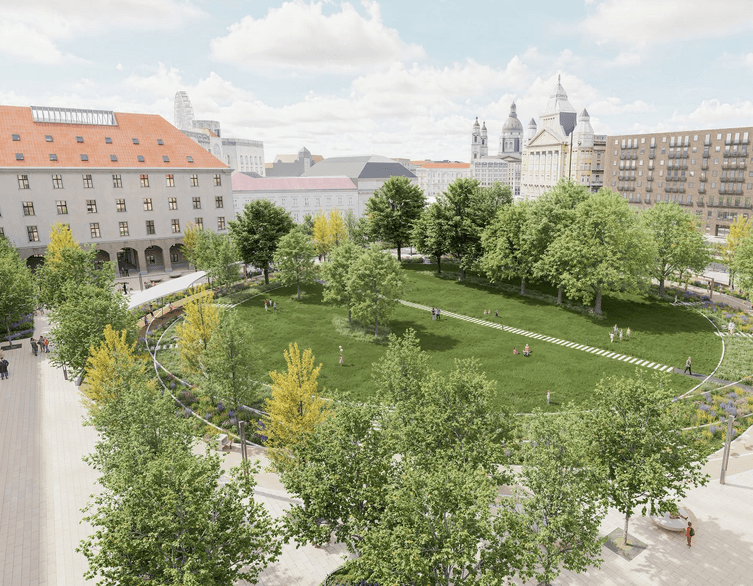
Budapest’s Downtown Parking Lot Is Finally Becoming a Real Park
For decades, one of the most valuable pieces of real estate in downtown Budapest sat locked away behind a fence, serving no one but a handful of...
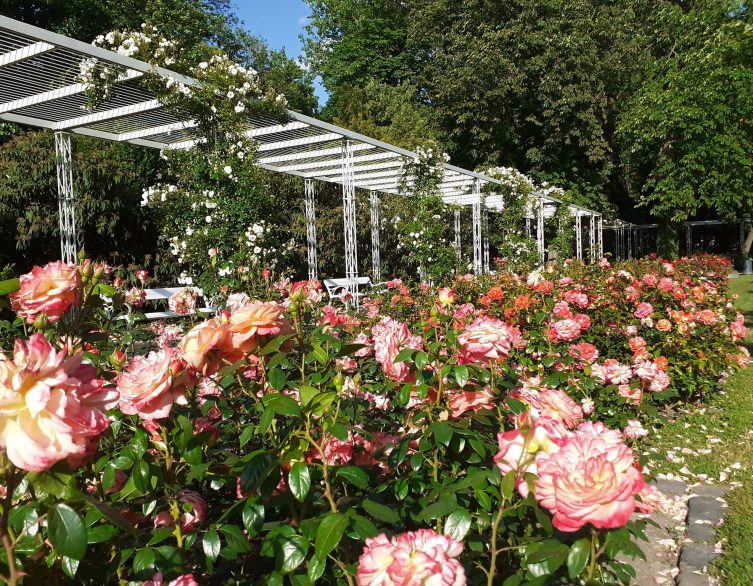
Budapest’s Most Beautiful Rose Gardens: Where to Find the City’s Most Romantic Corners This Summer
There’s something quietly magical about a rose garden in full bloom — the colour, the scent, the sense that the world has slowed down just...
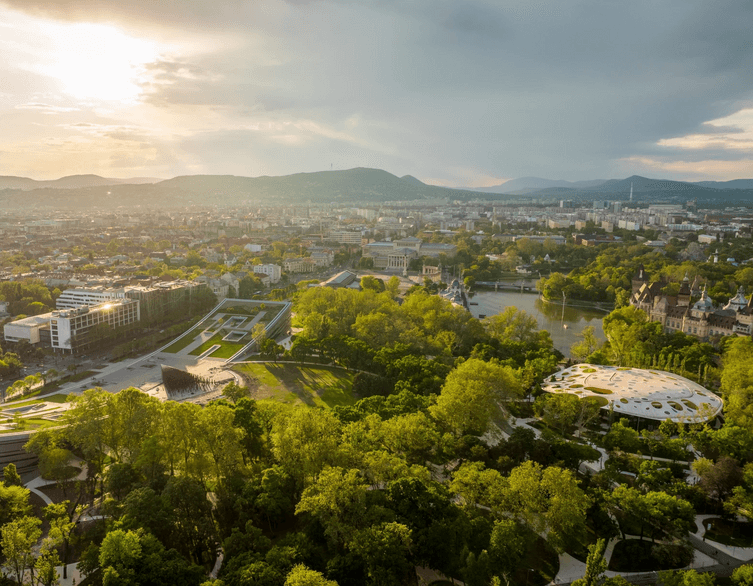
Liget Budapest: World’s Top Creative Eco Quarter – Your Must-Visit Green Escape in the Capital
Picture strolling through a lush urban oasis where world-class museums blend seamlessly with shimmering lakes, immersive sound domes, and fresh-planted...
Related events
Related attractions
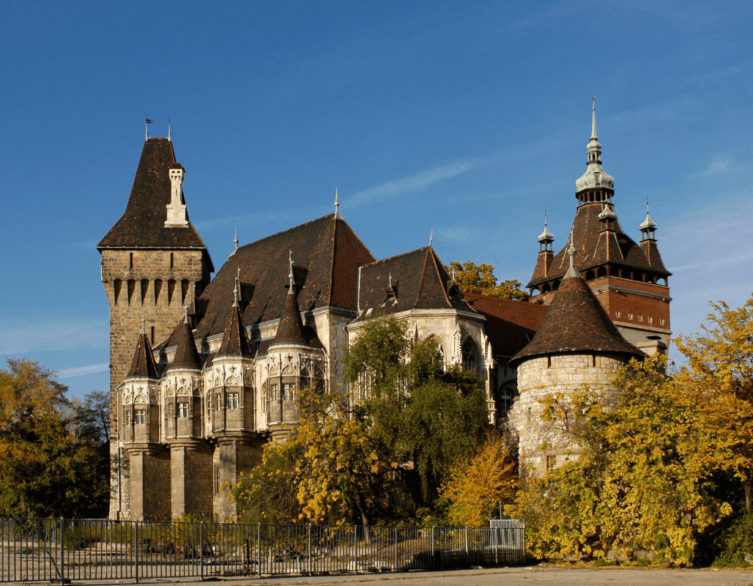
Vajdahunyad Castle, a Unique Mix of Architectural Styles
Vajdahunyad Castle, officially known as the Historical Building Complex, is a stunning architectural masterpiece located in the City Park. Designed...
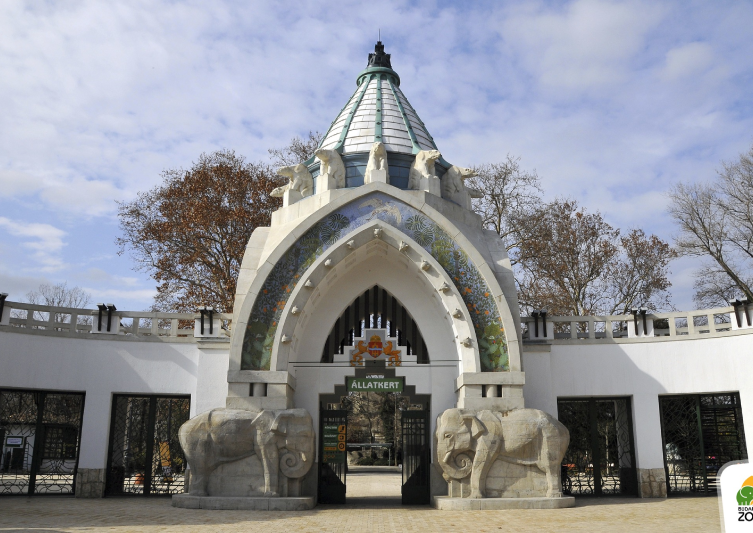
The Budapest Zoo & Botanical Garden: The Wonders of Nature In The Heart of Budapest
The Budapest Zoo & Botanical Garden is one of the oldest zoos in the world and a must-see attraction for any foreign tourist visiting Hungary’s...
Városliget: Budapest’s Green Oasis for Nature and Culture
Nestled in the heart of Budapest, Városliget (City Park) stands as a verdant oasis, offering a refreshing escape from the bustling city life. Right...
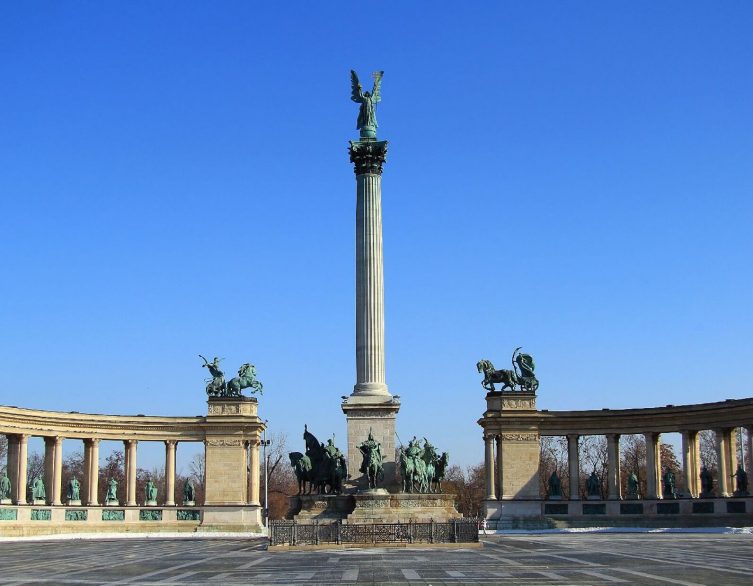
Heroes’ Square Budapest – Hősök tere – Hungary the best attraction
In the heart of Budapest, Hungary, near the enchanting Városliget (City Park) and the picturesque Vajdahunyad Castle, lies a grand and historic...
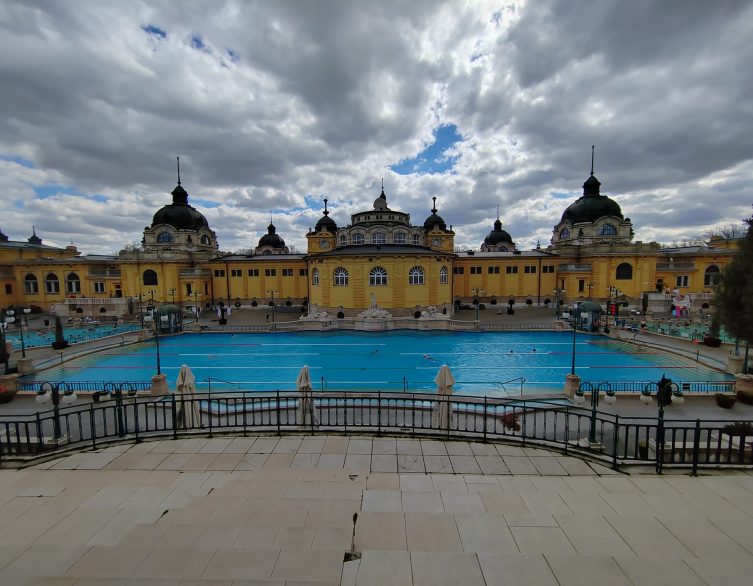
Széchenyi Thermal Bath: Budapest’s aquatic gem
The Széchenyi Thermal Bath, located in the heart of Budapest city, is one of the largest and most iconic thermal baths in Europe. Boasting an impressive...