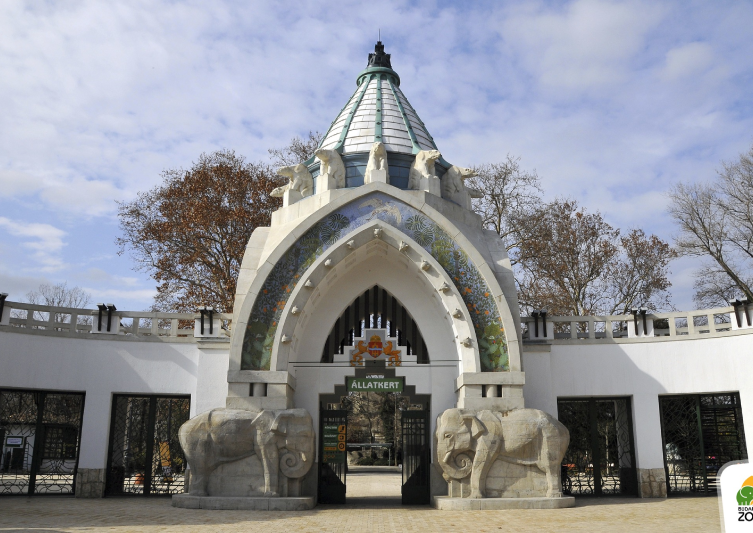
The Palm House of Budapest Zoo: A 160-Year Story of Survival, Renewal, and Tropical Wonder
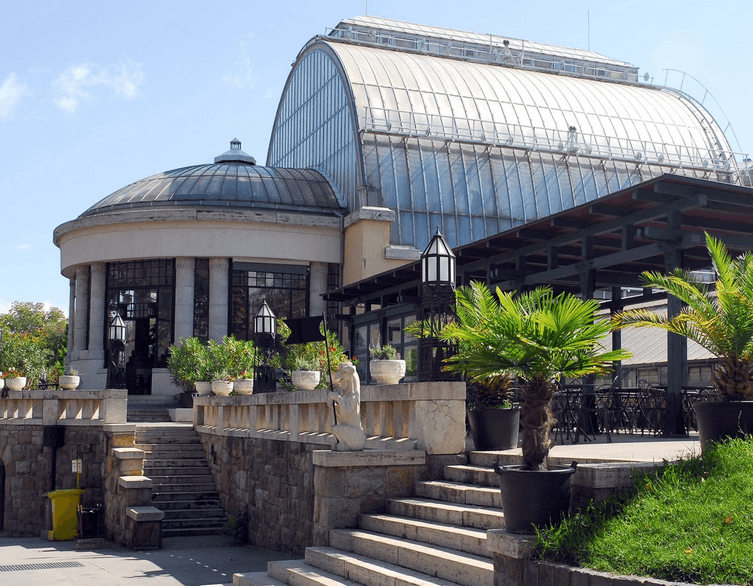
Discover one of Budapest’s most captivating hidden gems — a Victorian glass palace filled with jungle life, right in the heart of the city.
If you’re visiting Budapest and think you’ve seen everything the city has to offer, step inside the Palm House at the Budapest Zoo & Botanical Garden. Tucked behind the iconic gates of one of Europe’s oldest zoos, this shimmering greenhouse is part tropical rainforest, part living museum — and it has a story that stretches back over a century, surviving war, neglect, and near-demolition to become the extraordinary space it is today.
A Dream That Almost Ended Up on a Different Hill
The idea of a grand palm house for the Hungarian capital had been floating around since the late 19th century, and it’s easy to understand why. At the turn of the 1900s, a spectacular glass conservatory was the ultimate status symbol for any self-respecting European metropolis. Vienna had one. London had Kew Gardens. Budapest, rapidly transforming into a world-class city, wanted one too.
The original plan was wonderfully ambitious: build the palm house on the slopes of Gellért Hill and heat it using the natural thermal springs bubbling beneath. It was exactly the kind of grand, forward-thinking idea that defined Budapest’s Belle Époque spirit. As it turned out, though, fate had other plans.
How the Zoo Changed Everything
In 1907, the City of Budapest took over management of the zoo — which had already been operating for over four decades — and committed to rebuilding it into something worthy of a great European capital. It was a sweeping, once-in-a-generation renovation, and city planners seized the moment to fold the long-debated palm house into the project. Instead of Gellért Hill, the new greenhouse would anchor the southern corner of the zoo grounds.
Best deals of Budapest






Construction ran from 1909 to 1912, guided by the technical plans of Gyula Végh and the horticultural vision of Keresztély Ilsemann and Károly Räde. The location was no accident: the structure’s semicircular dome rises dramatically over the zoo’s Great Lake, creating one of the most picturesque views in the entire garden. The lakeside façade and the Aquarium below it were finished with restrained Art Nouveau detailing — elegant without being overdone — while the rest of the building embraced the clean, modern aesthetic of its era.
The Palm House opened to the public in the spring of 1912, alongside the fully reborn zoo. It was an immediate sensation.
Built for Plants, Beloved by Animals
The original brief was purely botanical — a place to showcase tropical plants to a city that had never seen anything like them. But it didn’t take long for wildlife to move in. By the 1920s, one of the side wings had been converted into a tropical freshwater aquarium, and another into a terrarium. In 1934, crocodiles made themselves at home in the semicircular lakeside section beneath the main dome.
The building itself is an elegant piece of engineering: a steel-framed, glass-clad structure divided into a large main hall and six side wings, each of which today tells the story of a specific tropical ecosystem. Walking through them feels like a whistle-stop tour of the world’s most exotic habitats.
War, Ruin, and an Unlikely Resurrection
The Second World War brought the Palm House to the brink of extinction. Budapest was one of the most heavily bombed and fiercely contested cities of the entire war, and the zoo did not escape the destruction. When the fighting finally ended, only the iron skeleton of the Palm House remained standing. The crocodiles were found frozen solid in their pool. The damage was so severe that some officials seriously proposed scrapping the ruins altogether and selling the steel for scrap metal.
Thankfully, cooler heads prevailed. The main hall reopened in 1952, though the warm, humid tropical climate inside quickly began to corrode the steel structure, necessitating further renovations throughout the 1960s and 70s. A full-scale restoration finally began in 1991 and — due to a cascade of unexpected structural problems — took nine years to complete and cost over 1 billion Hungarian forints. When the doors reopened in 2000, visitors found a thoroughly modern, beautifully designed tropical habitat that had been worth every forint and every year of waiting.
Six Worlds Under One Roof
Today, the six side wings of the Palm House each transport you to a different corner of the tropical world. Rather than simply labeling animals and plants by species, the zoo presents them as living communities — predator and prey, vine and tree frog, river and riverbank, all sharing space the way they would in the wild.
The six ecosystems on display are the Okefenokee swamps of northern Florida, the Arubonito river of Hispaniola, the Chirripó river of Costa Rica, the Tana river of East Africa, the Nusa Tenggara islands of Indonesia (whose Malay name is Nusafenggara), and the Khao Yai rainforest national park in Thailand. Each wing is compact but immersive, and the combination of lush vegetation and living animals makes it genuinely easy to forget you’re standing in a city that gets cold and grey every winter.
Under the main dome, overlooking the Great Lake, you’ll find a charming café — a perfect spot to sit with a coffee and watch the birds flutter overhead. Outside the wings, open-air aviaries and enclosures extend the experience into the fresh air.
The Aquarium Below: A World Beneath Your Feet
Descend the stairs beneath the Palm House and you enter a completely different realm. The Aquarium, which was later connected to the Palm House after its own renovation, is home to some remarkable aquatic species — including one that will make you question everything you thought you knew about fish.
Most of us think of fish as simple creatures that respond mainly to what they can see. In reality, fish have a sensory toolkit that puts human perception to shame. Their eyes are often capable of detecting colors outside the human visible spectrum, including infrared and ultraviolet light, and their wide, bulging profile gives them nearly 360-degree awareness — which is why technology borrowed the term “fisheye lens” from them.
Even more remarkable is the lateral line, a specialized sense organ that runs along both sides of a fish’s body, just beneath the scales. It detects minute changes in water pressure, current, and vibration — functioning as a kind of long-range touch sense. It’s how fish navigate fast-moving rivers, stay synchronized in huge shoals, and detect approaching predators before they’re even visible. Many bottom-feeding species, like catfish, carp, and sturgeon, supplement this with barbels — the whisker-like organs you might have noticed around their mouths — which they use to probe the riverbed for food.
And then there’s electricity. Some fish can detect the faint electrical signals produced by the muscle contractions of their prey, making them extraordinarily effective hunters even in complete darkness or murky water. Others go a step further: they generate their own electromagnetic field and sense distortions in it caused by nearby objects, effectively building a real-time electrical map of their surroundings. You can meet two such species in the zoo: the elephantnose fish in the Magic Mountain exhibit, and the electric eel right here in the Aquarium beneath the Palm House.
A Green Building Before Green Was Cool
One detail about the Palm House that doesn’t get nearly enough attention is its heating system. More than a decade ago, the zoo finally achieved what Budapest’s city planners had originally dreamed of back in the early 1900s: using thermal energy to keep the tropical plants warm through Hungarian winters. Today, during the heating season, the Palm House is warmed by waste thermal water from the nearby Széchenyi Baths — one of Budapest’s most famous landmarks. It’s a beautifully circular story, and a quietly impressive example of sustainable urban design.
Plan Your Visit
The Palm House is located within the Budapest Zoo & Botanical Garden in City Park (Városliget), just a short walk from Heroes’ Square and the Széchenyi Baths — making it an easy addition to any City Park itinerary. The zoo itself is one of the oldest in the world, founded in 1866, and the Palm House remains one of its crown jewels. Give yourself at least an hour to explore the Palm House and Aquarium properly; if you have children with you, budget for more, because the electric eel alone tends to cause extended stops.
Entry to the Palm House is included in the general zoo admission. The café under the dome is open during zoo hours and is one of the more atmospheric spots for a break in all of Budapest — surrounded by tropical greenery, with a lake view, in a building that has survived a world war and over a century of history.
Related news
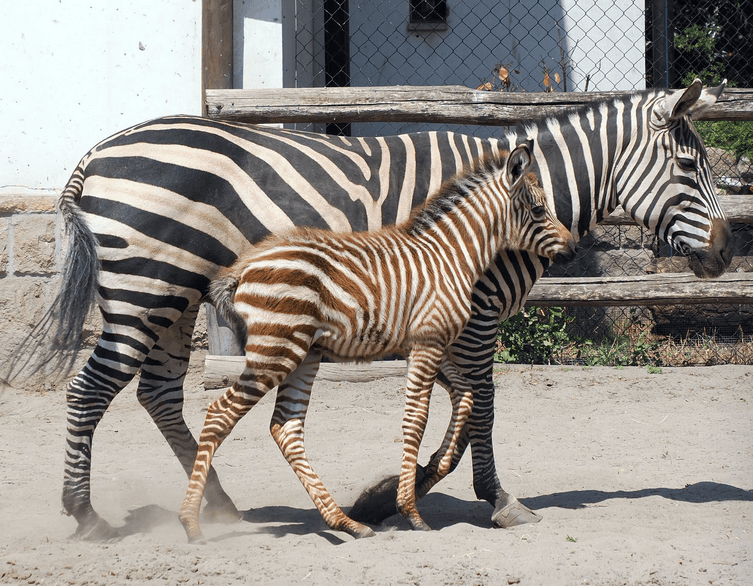
Budapest Zoo Is Having a Baby Boom, and Tourists Should See It Now
If cute animal babies are on your Budapest bucket list, timing couldn’t be better: the Budapest Zoo and Botanical Garden is in the middle of...
A New Foal, a New Biodome Wonder: What’s On at Budapest Zoo This Summer
Budapest is famous for its thermal baths and grand boulevards, but right now, one of the most exciting reasons to visit the city is happening at...
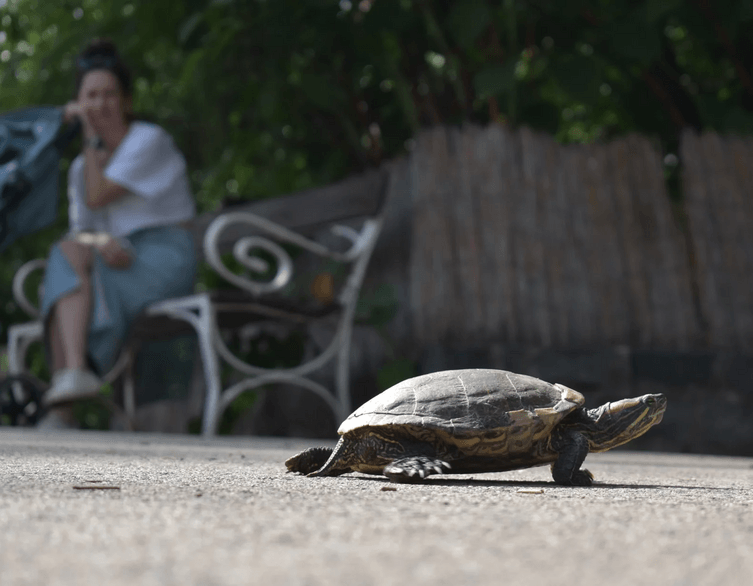
Watch Your Step! Budapest Zoo’s Tiniest Escape Artists Are on the Move
If you’re planning a visit to the Budapest Zoo & Botanical Garden this summer, keep your eyes on the ground — because the zoo’s...
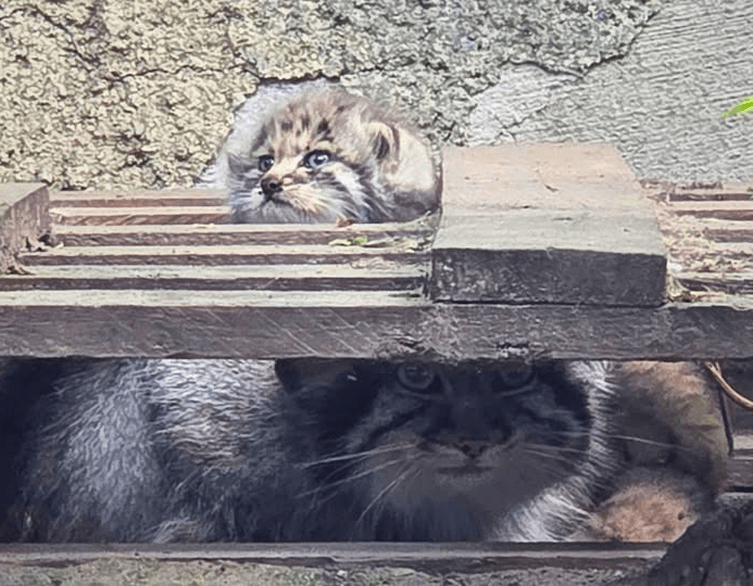
Budapest Zoo Welcomes an Adorable Pallas’s Cat Kitten: Meet the Newest Internet Star in the Making
Visitors to Budapest have a brand-new reason to add the city’s famous zoo to their itinerary. A tiny Pallas’s cat kitten, one of the most charming...

Budapest Zoo Cheers as Hungary Finally Bans Wild Animals from the Circus
There are moments in the slow, grinding machinery of legislation when something genuinely good happens — and when it does, it’s worth pausing...
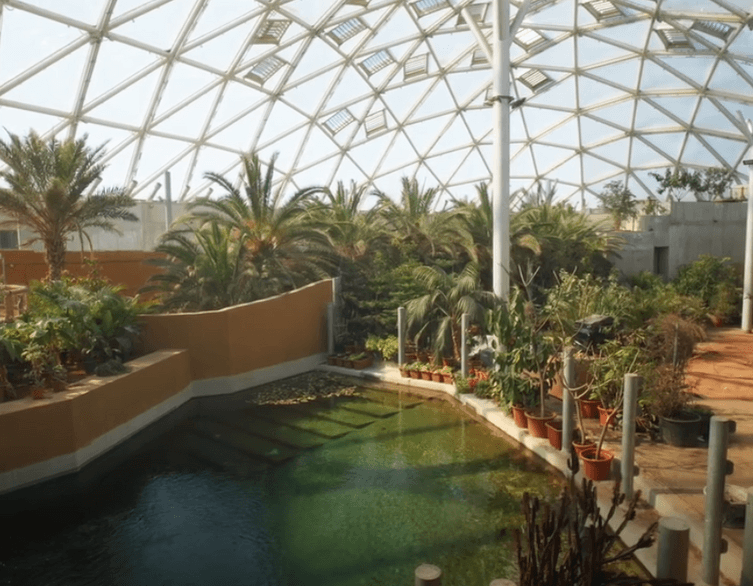
Budapest Zoo’s Biodome Is Finally Opening Its Doors — And It’s Going to Be Spectacular
If you’re planning a trip to Budapest this summer, you might want to clear some extra space in your itinerary. The Hungarian capital’s...
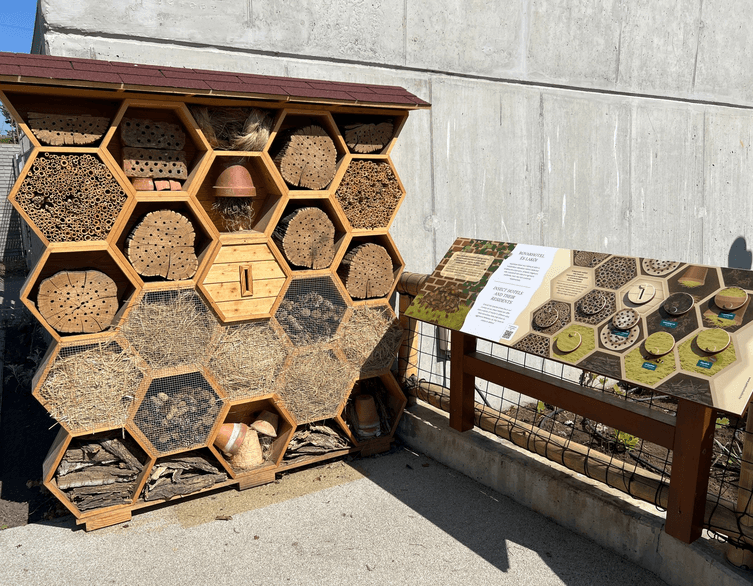
Bees, Butterflies, and Budapest: The Zoo’s New Pollinator Garden Is Worth a Visit
When most visitors picture the Budapest Zoo & Botanical Garden, they think of exotic animals, century-old Art Nouveau pavilions, and the lush...
Margaret Island’s Little Zoo Is Open — and It Just Got Some Adorable New Residents
Spring has come early to one of Budapest’s most beloved green escapes. The Margaret Island Petting Zoo has reopened its gates after its brief...
Related events
Related attractions