Budapest Climbs Back onto Europe’s Top Meeting Destinations
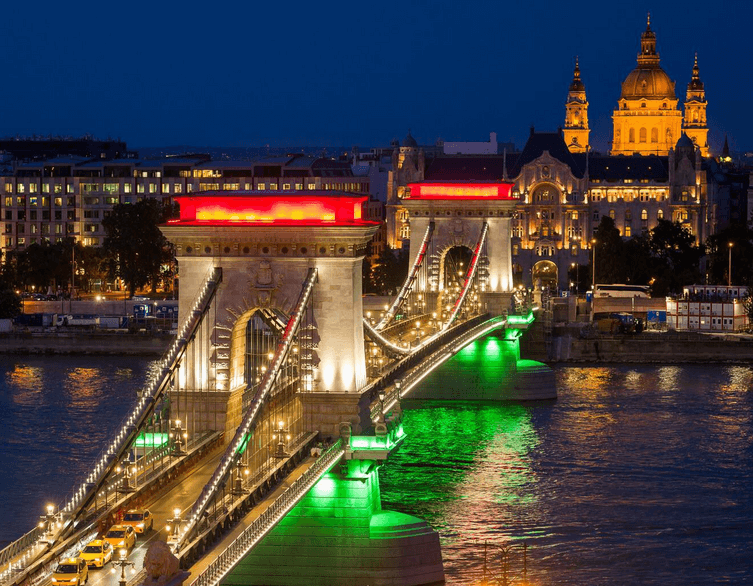
Budapest has reclaimed a visible place among Europe’s leading meeting destinations in 2026, and that’s good news not only for conference organisers but for tourists as well. A city that attracts international events invests in hotels, venues and public services that benefit everyone. The latest industry ranking by Cvent reflects real planner activity on a global sourcing platform, and signals that Budapest’s combination of accessibility, value and memorable experiences now meets the expectations of demanding international events.
Why the Ranking Matters for Tourists
When a destination appears high on a leading meetings list, the ripple effects are felt beyond the business world. International congresses bring premium hotel capacity, modernised venues and special evening programming that create new cultural and social opportunities for all visitors. For leisure travellers this often means more late-evening events, pop-up cultural experiences and a wider choice of high-quality restaurants and bars that cater to international tastes, making the city appealing for both short breaks and longer stays.
How Budapest Earned Its Place
Cvent’s ranking is based on real planner behaviour on its platform — searches, requests for proposals and sourcing volume — which makes the result a practical barometer of industry demand. Budapest’s strengths include good air and rail connections, competitive pricing, and a recent surge in premium hotel and venue supply. This supply-side growth sits alongside Budapest’s enduring cultural appeal: striking architecture, iconic thermal baths and atmospheric nightlife that make conferences feel like part of a destination experience rather than merely a business stop.
Recent Events and Luxury Programming
In the past year Budapest has hosted several high-profile professional gatherings that underline its MICE and luxury credentials. Forums for association decision-makers, luxury travel workshops and buyer-seller events have brought international planners and luxury buyers to the city, often combining formal programming with experiential elements such as private tours and curated dinners. These hybrid events raise the city’s profile and also generate new public-facing offerings that tourists can enjoy.
Role of Destination Management
Local destination management has been active in converting interest into bookings and in coordinating standards. The Budapest Convention Bureau works strategically to promote the capital and surrounding regions as competitive congress destinations while supporting sustainable event practices. Their efforts include bid support, partnership with hotels and venues, and representation at major international trade shows — actions that translate into better-coordinated events and a smoother visitor experience for attendees and tourists alike.
Best deals of Budapest







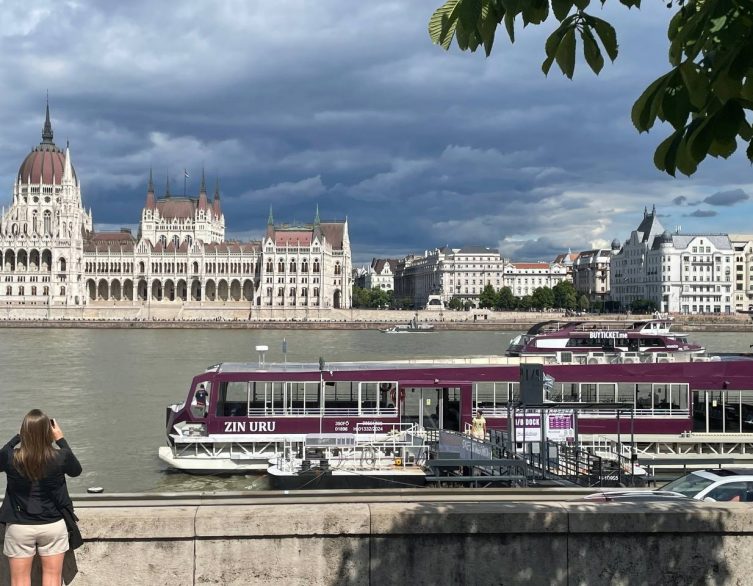
What Visitors Will Notice on the Ground
Visitors who come for leisure during conference season are likely to notice a livelier event calendar and more late-night options. Hotels used by delegates often offer attractive packages for non-delegate guests, restaurants around major venues may extend opening hours, and transport links near convention centres sometimes receive temporary capacity improvements. Multilingual signage and a higher presence of English-speaking staff at hotels and major attractions are additional practical benefits.
Long-Term Benefits for Travelers
Improvements driven by the MICE market tend to be durable: upgraded venue technology, better meeting rooms in top hotels, stronger transport links to event spaces, and hospitality providers accustomed to international service standards. Those investments persist after events end, leaving the city with a higher baseline of service and more premium choices that all visitors can enjoy.
Why Budapest Works for Both Business and Leisure
Budapest’s compactness, the walkable connection between Buda and Pest, and the wealth of instantly recognisable landmarks make it easy to combine business with pleasure. The city’s story is now one of dual appeal: professional capability supported by cultural richness and memorable experiences — exactly the mix global planners and curious tourists appreciate.
Practical Tip for Travelers
If you plan a visit during a major event, check the city’s event calendar and book accommodation early, as premium rooms sell quickly. On the bright side, many events include public elements — exhibitions, talks or evening programs — that are either open or ticketed for the public, giving curious travellers the chance to join in and discover aspects of the city that link directly to the international programs hosted there.
Final Note
Budapest’s reappearance among Europe’s top meeting destinations is more than an industry accolade: it highlights the city’s ongoing investment in quality hospitality and cultural programming. For tourists this means more to see, more premium choices and an increasingly polished visitor experience that makes Budapest a rewarding place to visit whether you’re in town for business, pleasure, or both.
Related news
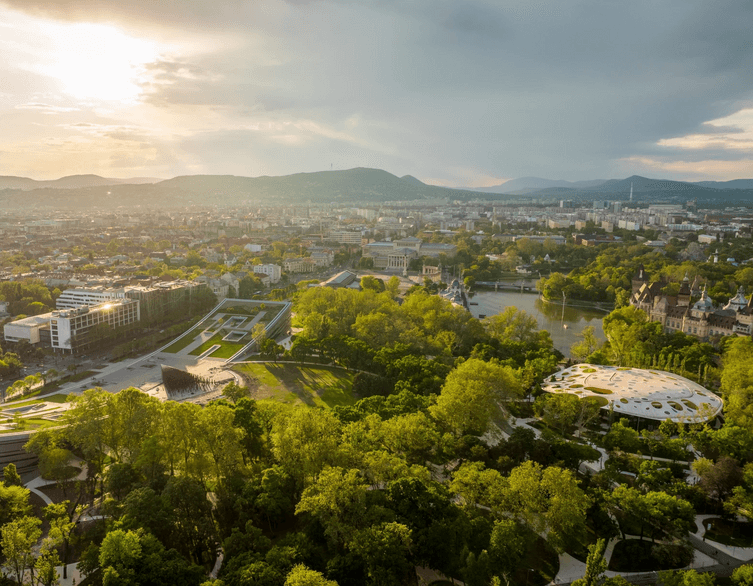
Liget Budapest: World’s Top Creative Eco Quarter – Your Must-Visit Green Escape in the Capital
Picture strolling through a lush urban oasis where world-class museums blend seamlessly with shimmering lakes, immersive sound domes, and fresh-planted...
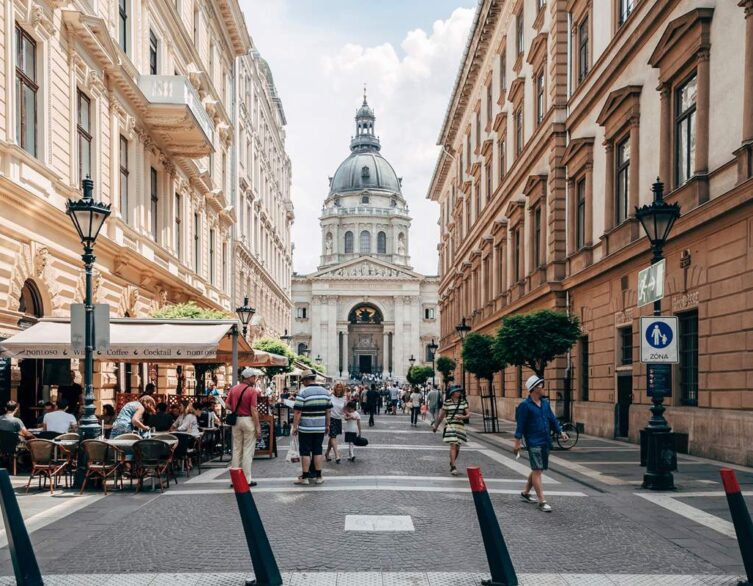
Budapest Among the World’s Top Destinations: A Gem Worth Discovering
When it comes to travel inspiration, few honors are as prestigious as the Tripadvisor Travelers’ Choice Awards: Best of the Best —...
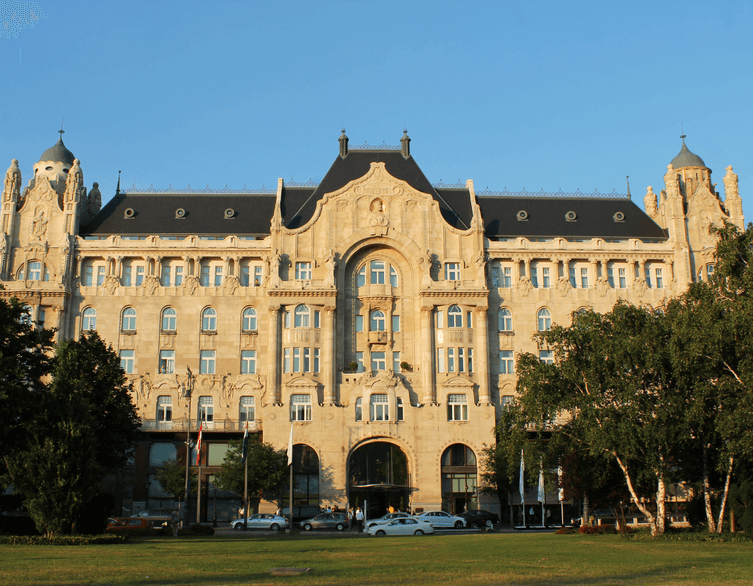
Budapest Hotels Earn Top Rankings in Condé Nast Traveller Readers’ Choice Awards
When planning a trip to Budapest, discerning travelers often wonder which hotels truly deliver exceptional experiences worthy of their investment....