Bartók District: Budapest’s Coolest Neighbourhood You’ve Never Heard Of
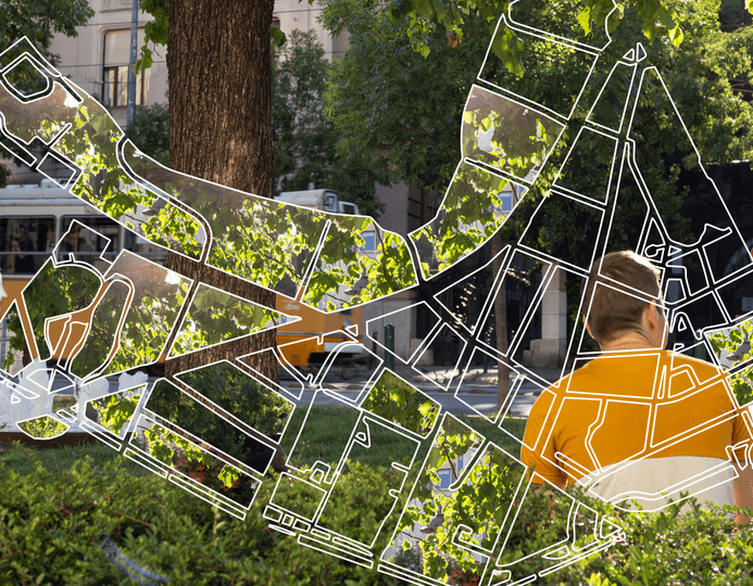
If you think you’ve already seen the best of Budapest after ticking off the Parliament, the Chain Bridge, and a ruin bar or two — think again. Tucked into the heart of Újbuda, on the Buda side of the Danube, the Bartók District is the kind of neighbourhood that feels like a genuine local secret. It’s the place where Budapest’s artists, academics, café-hoppers, and community dreamers have quietly been building something extraordinary.
Where Exactly Is the Bartók District?
The Bartók District sits in District XI, Budapest’s most populous district, stretching from the banks of the Danube and the grand campus of the Budapest University of Technology and Economics all the way to Karinthy Frigyes Street. Its beating heart is Bartók Béla Street — a wide, tree-lined boulevard that buzzes with galleries, independent restaurants, cosy cafés, and creative studios.
Getting here is easy. From the city centre, you can cross the iconic Liberty Bridge and find yourself in the district within minutes. A tram ride along the Danube or a leisurely stroll over the bridge sets the tone perfectly for what this neighbourhood is all about: a slower, richer kind of urban experience.
The 15-Minute City in Action
One of the things that makes the Bartók District genuinely special — not just as a tourist destination, but as a model for modern urban life — is its commitment to the concept of the 15-minute city. The idea is simple but powerful: every essential service, cultural venue, green space, café, and community institution should be reachable within a 15-minute walk from your front door.
The Municipality of Újbuda has taken this concept seriously, investing in a thoughtful mix of shops, cultural venues, sports facilities, parks, and public spaces that serve both locals and visitors alike. A dedicated street management service keeps the flow of information open between residents, businesses, and city planners — making this one of the most community-forward neighbourhoods in Budapest. As a visitor, what this means for you in practice is a neighbourhood that feels genuinely alive, without being exhausting or overwhelming.
A Neighbourhood With a Story to Tell
From the Outskirts to a Cultural Hotspot
It’s hard to believe that just 150 years ago, this thriving urban area was considered the far edge of the city — a place where you’d want to keep your wits about you after dark. The Budapest Public Works Council had grand ambitions for the area, and the completion of Liberty Bridge in 1896 was the turning point. With a new tram line connecting Pest and Buda, development began in earnest, though the neighbourhood was still seen as the outskirts of the city well into the 1930s.
The real transformation came between the two World Wars. Artists, writers, intellectuals, and academics flooded into the area, turning local cafés into lively meeting points for Budapest’s bohemian class. The district found its identity as a cultural hotspot, and by 1934, District XI was officially established as Szentimreváros — complete with modern residential buildings, schools, and religious institutions that still line its streets today.
The Soviet Era and Beyond
The post-war period brought significant change. After Hungary came under Soviet occupation in 1949, much of the former bourgeois community dispersed, and large housing estates reshaped parts of the neighbourhood. But communities are resilient, and the spirit of the district never fully disappeared.
The real renaissance came in the 2000s, when the Municipality of Újbuda made a conscious decision to revive the cultural energy that had once defined Bartók Béla Street. Galleries opened, cafés began hosting cultural events, and a wave of excellent restaurants brought new life to the boulevard. It was, as locals fondly call it, a new golden age — and that golden age is still very much underway.
Best deals of Budapest





What to See and Do in the Bartók District
Galleries, Studios, and Living Art
The district is home to a thriving contemporary art scene, anchored by initiatives like the Eleven Blokk Art Foundation, which was established in 2013 and transformed a series of municipal properties into working studios, workshop spaces, and a contemporary gallery. The B32 Gallery is another must-visit, offering a constantly rotating programme of exhibitions and creative events. Whether you’re a committed art lover or just someone who appreciates beautiful spaces, wandering through the district’s creative venues is a genuinely rewarding way to spend an afternoon.
Cafés That Are More Than Just Coffee
Budapest is famous for its grand coffee houses, but the Bartók District offers something a little different: neighbourhood cafés that double as cultural institutions. The Hadik Café, which opened as part of the district’s early revitalisation efforts in the mid-2000s, is a beloved local landmark with a rich history and a menu to match. These aren’t just places to grab a flat white — they’re spaces where conversations happen, ideas are born, and the community comes together.
Festivals and Events Worth Timing Your Trip Around
The Bartók District has a rich tradition of community events that give visitors a rare window into authentic Budapest neighbourhood life. The Eleven Spring and Autumn Festival — where “eleven” means “lively” in Hungarian, which tells you everything you need to know — brings the streets to life twice a year with music, art, and community spirit. The Újbuda Children’s Book Festival celebrates literature in a wonderfully unpretentious way, while the Gárdonyi Picnic turns the neighbourhood’s green spaces into convivial gathering points.
The newest addition to the festival calendar is the Bartók Fest, launched in 2022, which offers a full day of live music and community-focused events on Bartók Béla Street itself. If you can time your Budapest visit to coincide with any of these events, you’ll leave with a completely different — and much richer — understanding of what this city is really about.
Food, Drink, and the Art of Eating Well
Bartók Béla Street and its surrounding lanes are lined with some of the most interesting independent restaurants in Budapest. This isn’t the tourist-trap zone of the inner city — these are places where locals actually eat, which means the quality is high and the prices are refreshingly honest. From traditional Hungarian dishes to modern European cooking with local ingredients, the district’s gastronomic scene rewards explorers who venture a little further than the usual spots.
The Community Behind the District
What truly sets the Bartók District apart from other up-and-coming neighbourhoods in European capitals is the depth of its community infrastructure. The Bartók Boulevard Association, founded in 2013 by cultural institutions, restaurateurs, and traders along the street, works to keep the boulevard a meaningful cultural destination rather than just a commercial strip. In 2023, the Municipality went a step further by establishing the Bartók District Management — a dedicated team that coordinates events, connects residents and businesses, and ensures that the district continues to grow in the right direction.
For visitors, this means you’re not just walking through a neighbourhood that looks good — you’re experiencing a place that has been carefully and lovingly shaped by the people who actually live and work there.
How to Make the Most of Your Visit
The Bartók District is best explored on foot, which fits perfectly with its 15-minute city ethos. Start at Liberty Bridge, walk south along Bartók Béla Street, duck into galleries and cafés as you go, and make time to explore the quieter side streets where you’ll find studios, community gardens, and the kind of small independent shops that have all but disappeared from most European city centres.
Gárdonyi Square, which underwent regeneration as part of the district’s revitalisation, is a lovely spot to sit, watch the world go by, and appreciate just how well a neighbourhood can work when community and culture are placed at its heart. The Kultúrtér cultural space is another highlight, offering a programme of events that ranges from film screenings to workshops and live performances.
The Bartók District is proof that the best travel experiences often happen when you step off the tourist trail and into the rhythm of real city life. In Budapest, this neighbourhood is where that rhythm beats the loudest.
Related news
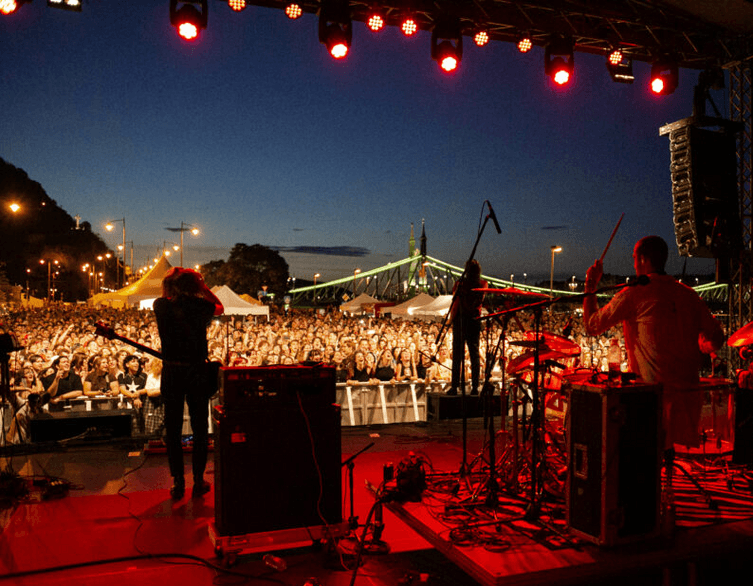
Bartók Feszt’ 2026: Budapest’s Free Late-Summer Festival You Shouldn’t Miss
If you’re planning a trip to Budapest toward the end of August, mark August 29 on your calendar. That’s when Bartók Feszt’ takes...
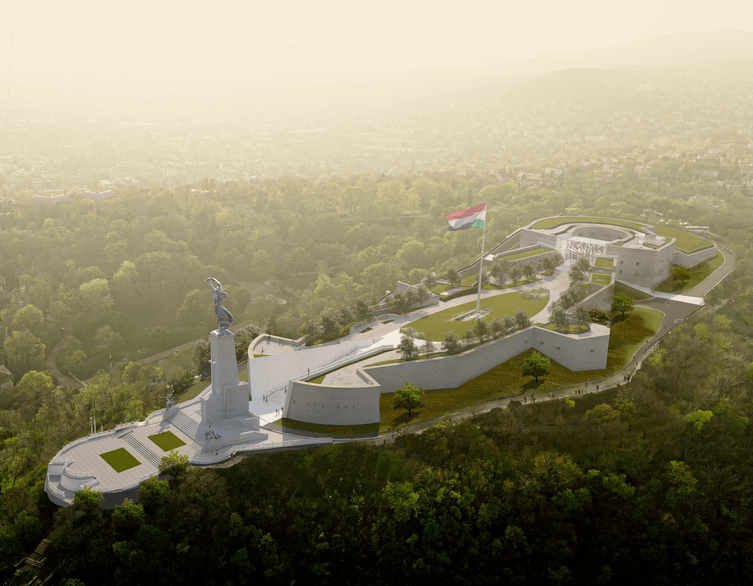
A Perfect Day Around Gellért Hill, the Citadella, and Bartók Boulevard
Some of the best days in Budapest aren’t built around ticking off famous landmarks one by one, but around letting one neighbourhood lead naturally...
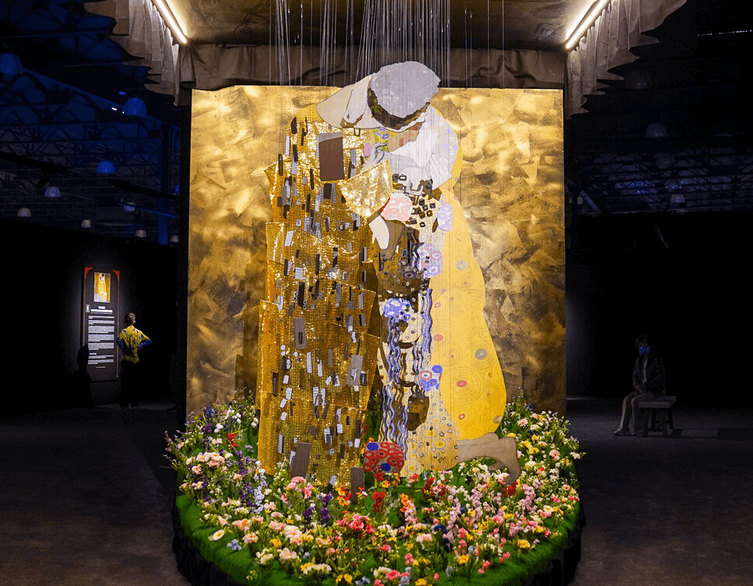
Budapest Light Shows: The Best Free and Immersive Exhibitions to Beat the Summer Heat
Summer in Budapest can be a bit tricky, weather-wise — one minute you’re basking in glorious sunshine, the next you’re dashing for...
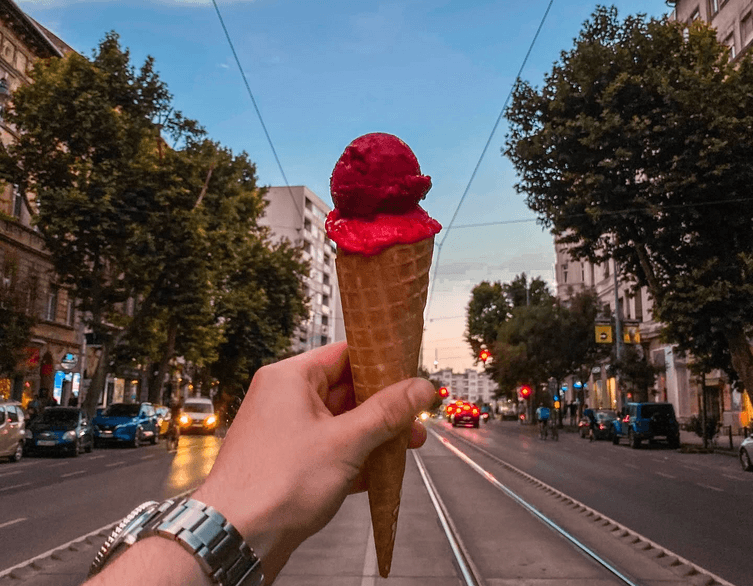
Hungary Just Named Its Ice Cream of the Year — and You Can Try the Winner in Budapest
A Sweet Competition Worth Knowing About If you’re visiting Budapest this summer and you have even a passing interest in great food, here’s...
Related events
Related attractions
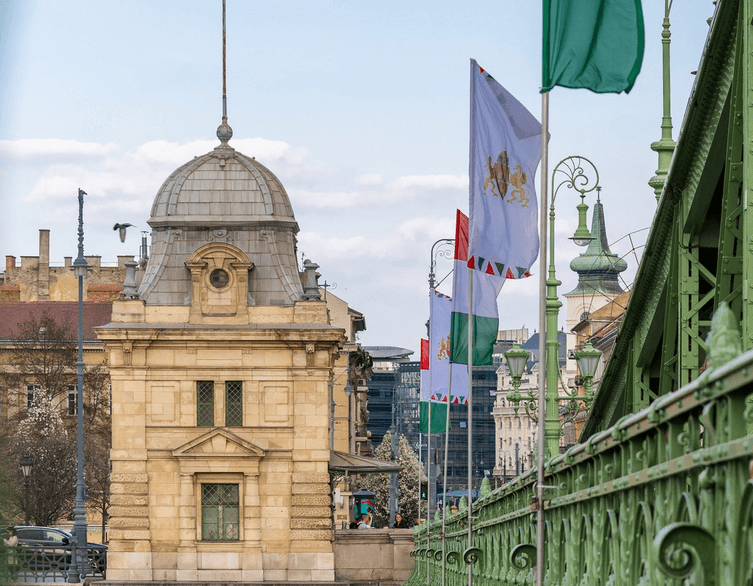
Hidden Treasure at Liberty Bridge: Budapest’s Smallest Transportation Museum
Tucked away at the foot of one of Budapest’s most beautiful bridges lies a charming secret that most tourists walk right past—a tiny customs...
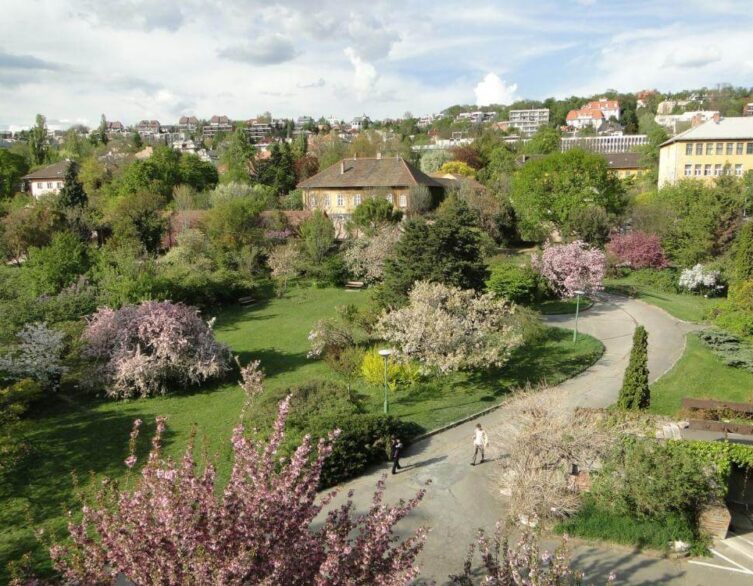
The Arboretum of Buda: A Garden Flourishing All Year Round
The Arboretum of Buda is one of the richest arboretums in Hungary, surrounding the building complex of the Buda Campus of the Hungarian University...
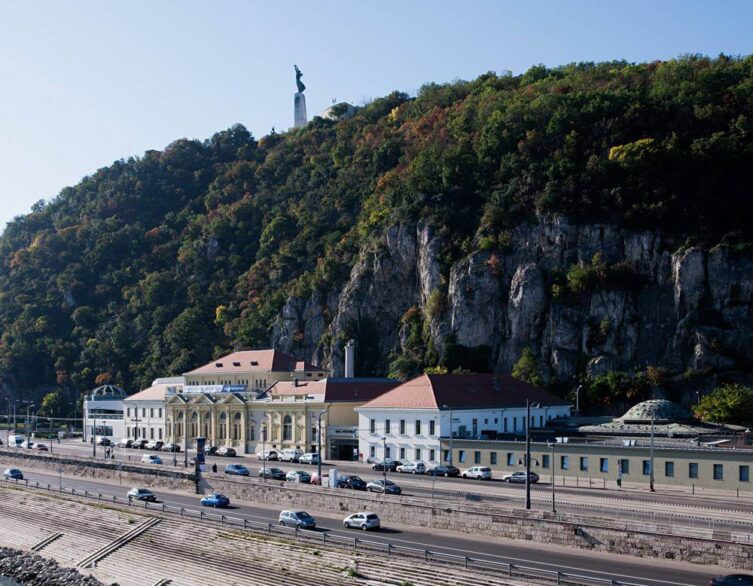
Rudas Bath: A Historic Thermal Oasis in the Heart of Budapest
The Rudas Bath, located at the foot of Gellért Hill in Budapest, is one of the city’s most iconic and historic thermal baths. With a history...
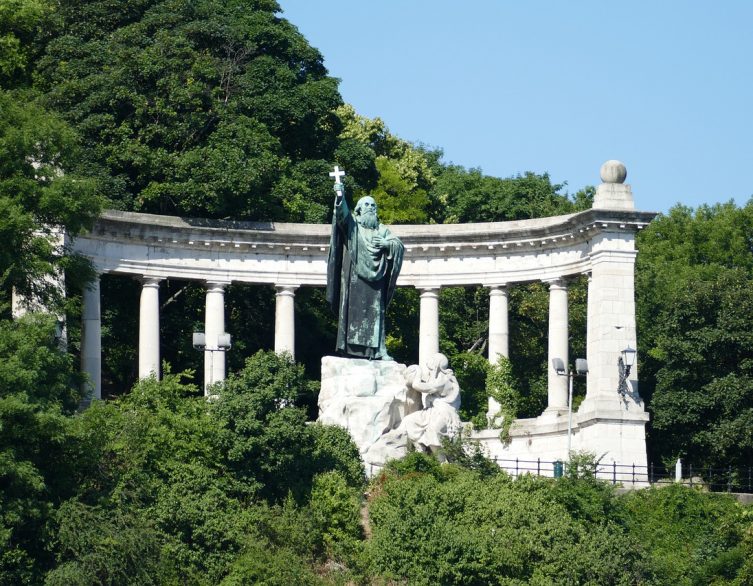
Gellért Hill: A Breathtaking Escape in the Heart of Budapest
Towering above the majestic Danube River, Gellért Hill stands as a captivating landmark in the historic city of Budapest. This iconic hill, rising...
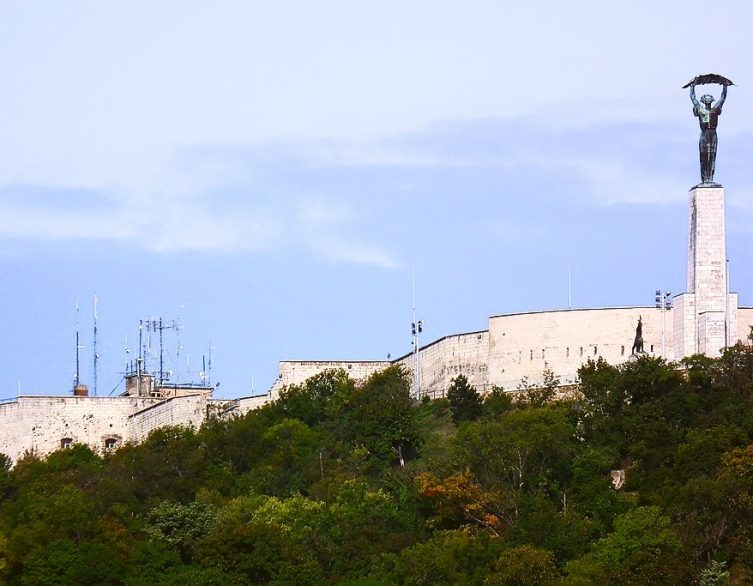
Towering Over Budapest: Exploring the Historic Citadella
If you’re visiting Budapest and looking for a place that offers breathtaking panoramic views along with a fascinating glimpse into the city’s...