Making Budapest Greener by Introducing LOGI Points

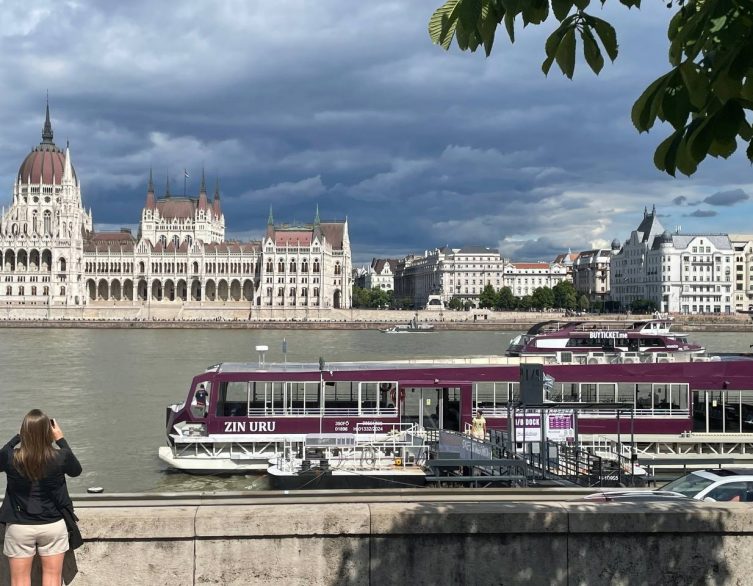
Budapest has always been a city that surprises its visitors. Beyond the grand Parliament building, the steaming thermal baths, and the ruin bars of the Jewish Quarter, there is another kind of transformation happening — one that is quieter, less visible, but just as significant. The Hungarian capital is rethinking the way goods move through its streets, and the results are already beginning to show.
The Problem Hidden in Plain Sight
Every day, dozens of delivery vans weave through Budapest’s historic inner districts, dropping off packages one doorstep at a time. It is easy to take this for granted — after all, online shopping has become second nature for most of us. But this convenience comes at a cost. The growing volume of courier traffic adds to air pollution, increases noise levels, and clogs streets that were never designed to handle modern logistics. In a city where narrow baroque streets meet busy commercial boulevards, the pressure on urban space is very real.
This is precisely the challenge that the LIFE IP HungAIRy project set out to tackle. Launched as part of a European Union-supported initiative to improve air quality across Hungarian cities, the project is piloting a series of smart, sustainable solutions designed to change how Budapest handles last-mile delivery.
Best deals of Budapest







The LOGI Point: A Simple Idea with Serious Impact
The most visible outcome of this initiative so far is the opening of Budapest’s first LOGI Point in City Hall Park in June 2026. Situated in the heart of the city, just steps from some of Budapest’s most visited landmarks, this parcel locker station houses units from both FoxPost and DHL, making it easy for anyone to collect packages at their own convenience.
The concept behind it is elegantly simple. Rather than sending individual couriers to dozens of separate addresses, multiple deliveries can be consolidated at a single location. Fewer vehicles on the road means less congestion, lower emissions, and a calmer urban environment. For visitors on an extended stay — digital nomads, long-term tourists, or anyone renting an apartment in the city — the LOGI Point offers a practical and flexible way to receive packages without coordinating with landlords or missing delivery windows.
Smarter Infrastructure for a Cleaner City
The LOGI Point is just the beginning. Budapest is also working on establishing LOGI Hubs — urban consolidation centers positioned at the edges of the busiest districts. These hubs function as transfer points where large shipments arriving from outside the city are broken down into smaller loads, which are then delivered to their final destinations using cargo bikes or low-emission electric vehicles. The idea is to keep heavy delivery traffic out of the most congested and sensitive parts of the city while still ensuring that goods arrive quickly and reliably.
Alongside this, the city is developing a digital loading zone reservation system. Delivery drivers would be able to book specific loading bays in advance through a mobile app, eliminating the chaotic scramble for parking spots that currently leads to double-parking, blocked bike lanes, and frustrated pedestrians. Over time, this data-driven approach will also help city planners better understand traffic patterns and design smarter logistics infrastructure.
Why This Matters for Visitors
You might wonder what any of this has to do with your holiday in Budapest. The answer is: quite a lot. Cleaner air makes sightseeing more pleasant. Quieter streets make outdoor dining more enjoyable. Less delivery traffic means the city’s beautiful public spaces — from Váci Street to the banks of the Danube — feel less like loading docks and more like the vibrant, livable places they are meant to be.
Budapest is one of Europe’s most visited cities, and the experience of walking its streets, sitting in its parks, and soaking in its thermal baths is deeply tied to the quality of the urban environment. Every improvement in logistics translates directly into a better experience for everyone who comes here.
Budapest Is Building the City of Tomorrow, Today
What makes the HungAIRy project particularly exciting is its long-term vision. These are not one-off experiments but the building blocks of a citywide system that could eventually extend across all of Budapest. The collaboration between the city government and logistics providers shows that meaningful change is possible when public institutions and private companies work toward a shared goal.
Budapest has always known how to blend the old and the new — Roman ruins beneath modern apartment buildings, Ottoman-era baths alongside contemporary design hotels. Now it is applying that same spirit to urban logistics, proving that a city can be both a world-class tourist destination and a genuinely sustainable place to live. Next time you stroll through City Hall Park and spot that sleek parcel locker station, you will know there is a whole green revolution quietly humming behind it.
Related news

Breathe Easy in Budapest: Why September 7th Matters for Every Visitor
If you’re wandering through Budapest this week, admiring the Danube from Fisherman’s Bastion or sipping coffee on a leafy terrace in...
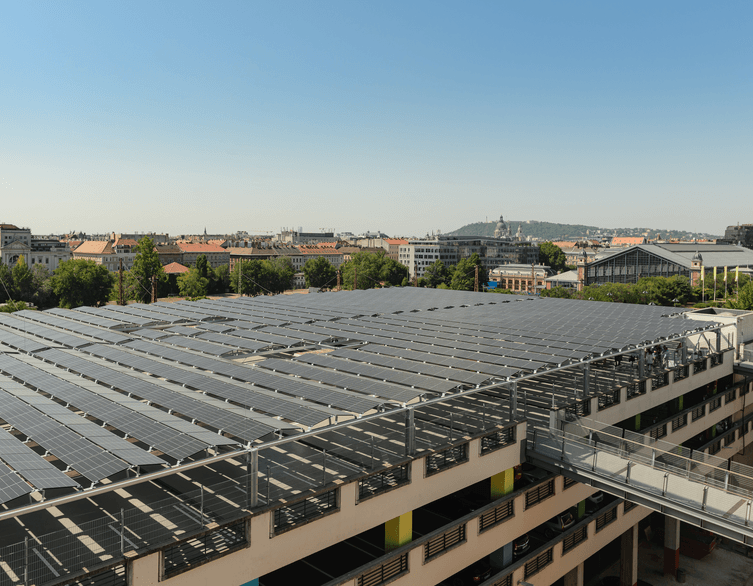
Westend Goes Green: Budapest’s Biggest Rooftop Solar Park Opens Above One of the City’s Favorite Malls
If you’ve ever browsed the shops at Westend Shopping Center in Budapest, you might not realize that just above your head now sits the city’s...
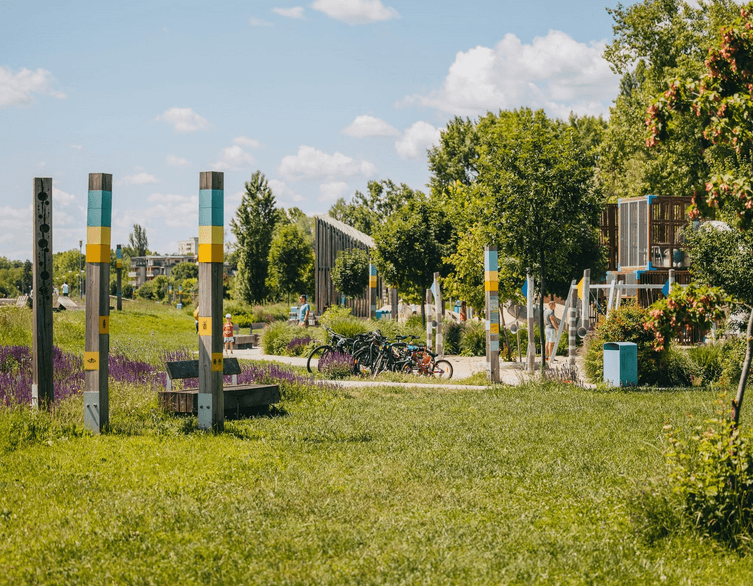
Pünkösdfürdő Park: Budapest’s Most Beautiful Eco-Friendly Green Space
Budapest has no shortage of parks, but Pünkösdfürdő Park in the city’s leafy 3rd district is something genuinely different. Stretching...

Budapest’s Greenest Summer Event: Climate Weekend on the Danube Promenade
Budapest in June is alive with sunshine, river breezes, and vibrant city life, but this year, there is something even more meaningful to experience....

Green Ways to Explore Budapest: Your Guide to Eco-Friendly Transport
Earth Day is a great reminder that protecting our planet doesn’t require grand gestures. In fact, some of the most meaningful changes start...
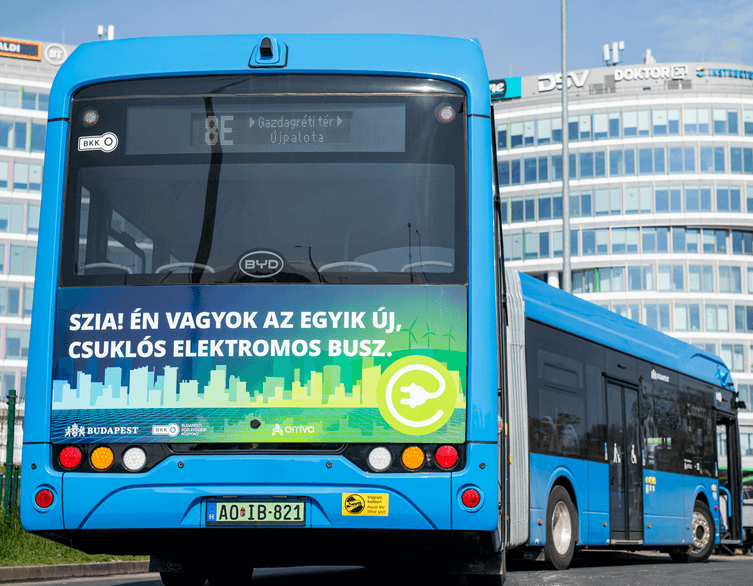
Budapest’s Electric Articulated Bus Revolution: A Greener Way to Explore the City
If you’ve been to Budapest recently, you may have noticed something quietly exciting happening on the streets. The Hungarian capital has just...

Understanding Budapest’s Climate and Green Spaces Today
Budapest’s environment faced some tough challenges in 2024, as laid out in the city’s official 2025 state assessment, approved last December...
Related events