Budapest Is Rolling Out Digital Bus Stop Screens, and Tourists Will Notice the Difference
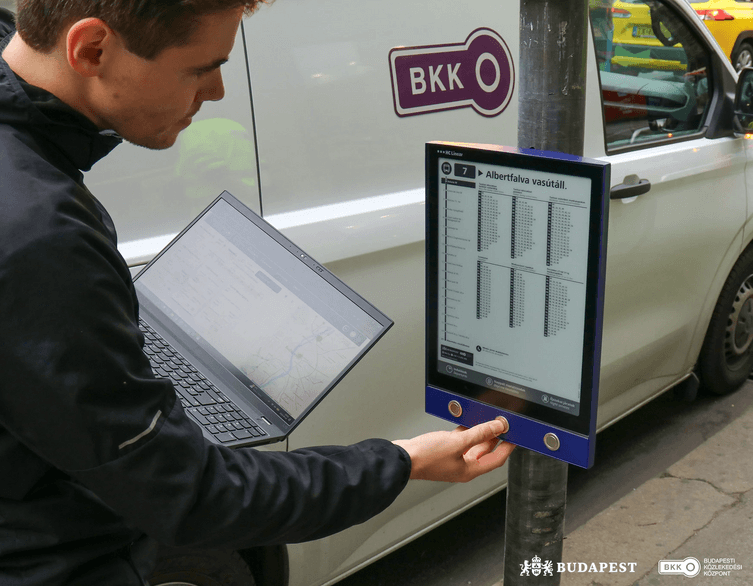
Budapest’s public transport network just got a genuinely useful upgrade for anyone navigating the city without perfect Hungarian skills. The Centre for Budapest Transport, known locally as BKK, has started installing digital, constantly updating timetable screens at bus and tram stops across the capital, replacing the old paper notices that tend to fade, peel, or get covered in stickers within weeks of being put up.
For visitors relying on public transport to get around, this is worth knowing about before you even land, because it changes how easy it is to figure out when the next bus or tram is actually coming.
What’s Changing at Bus Stops Across the City
Starting September 14, 2026, BKK began fitting the first of these e-paper displays at stops along the Rákóczi út corridor, including Zugló railway station, Keleti railway station, Uránia and Astoria, four spots that plenty of visitors pass through simply because they’re centrally located and sit on major transit lines. Installation continues through the end of September, and by the time the rollout is complete, 61 stops across all 23 districts of Budapest will have one.
Unlike the static paper timetables mounted behind scratched plastic covers, these new screens pull live departure times directly from the city’s real-time information system, alongside service disruptions and other travel alerts. In practice, they work like a compact version of the FUTÁR real-time departure boards already used across Budapest’s larger stations and metro platforms, just installed at a much wider range of ordinary street-level stops. Passengers can flip between different types of information using buttons built into the display, so instead of hunting through a cluttered noticeboard of separate signs, everything sits on a single screen.
Why E-Paper Makes Sense for Budapest’s Streets
The technology behind these signs is the same e-paper display used in e-readers: a high-contrast, black-and-white screen that stays easy to read in direct sunlight while using very little power. That low energy draw means the units can run on solar panels or rechargeable batteries rather than needing a mains electricity connection, which is exactly what allows BKK to place them at stops that would otherwise never have qualified for real-time digital displays.
Best deals of Budapest







There’s a practical payoff for the city too. Because the content updates centrally and online, BKK no longer needs to send staff out to physically swap printed schedules every time a route or timetable changes, cutting down on printing costs, paper waste and site visits. The screens also include tamper and movement sensors, so if someone knocks a unit loose or tries to damage it, the system flags an alert straight to BKK’s control center.
Built With Accessibility in Mind
One detail that matters for a broader range of travelers: BKK installed these units with wheelchair users specifically in mind, positioning them at a height and location that keeps them usable from a seated position. For visually impaired passengers, the screens can be triggered with a remote control that reads out the next departures and any current service disruptions aloud, effectively bringing real-time audio information to stops that never had a FUTÁR display before. That’s a meaningful accessibility upgrade for a city that already gets praised for its walkability but hasn’t always matched that with transit accessibility at street level.
A Two-Year Trial Comparing Two Technologies
Rather than committing to a single supplier, BKK is running a two-year pilot comparing displays from two manufacturers: Hungary’s own HC Linear and the UK-based Papercast, whose e-paper transit signage already operates in cities including London, Ostrava and Los Angeles. Some stop pairs will feature both brands under similar conditions, letting BKK compare readability, reliability, power performance, weatherproofing and ease of use side by side before deciding how far to expand the system.
The results of that trial will determine how large a role e-paper displays eventually play in Budapest’s public transport information system. BKK has even invited riders, tourists included, to share feedback on the new screens directly with the company.
What This Means for Getting Around Budapest
For a visitor without fluent Hungarian, these screens are a small but genuinely helpful upgrade, since real-time departure information and disruption alerts are far easier to read at a glance than a printed timetable that may already be outdated. If your itinerary has you passing through Keleti railway station, Astoria, Uránia or the Rákóczi út corridor, keep an eye out for these new black-and-white panels at the stop. Combined with Budapest’s existing FUTÁR app and the BKK website, this rollout is one more sign that the city’s transport authority is investing in making the network easier to navigate, whether you’re a daily commuter or just passing through for a long weekend.
Related news

Budapest Is All About Mobility This September
Budapest is about to trade some of its traffic noise for bicycle bells, samba drums, and the hum of electric rickshaws. Between September 16 and...

Budapest Cracks Down on Smoking at Public Transport Stops
If you’re planning to light up a cigarette while waiting for your tram, bus, or metro in Budapest, think again. The city has ramped up enforcement...
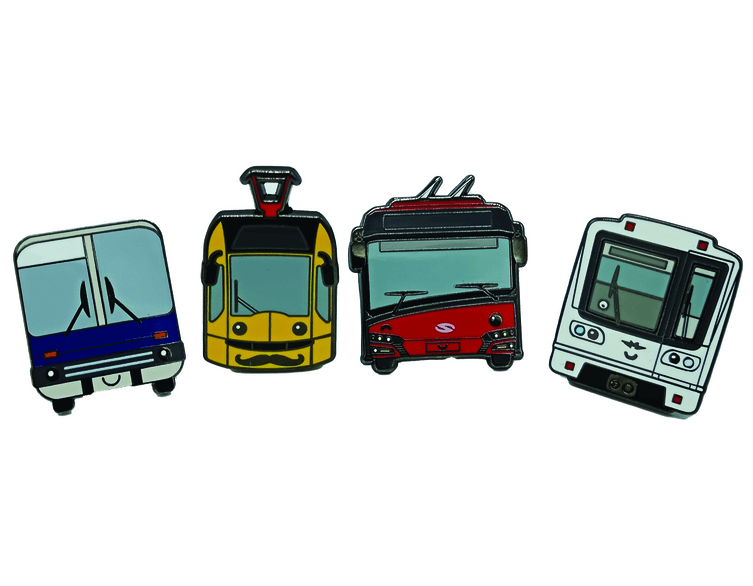
Take a Piece of Budapest’s Transport History Home With You
If you’ve spent any time riding Budapest’s trams, buses, or the quirky cogwheel railway up to the Buda Hills, you’ve probably noticed...
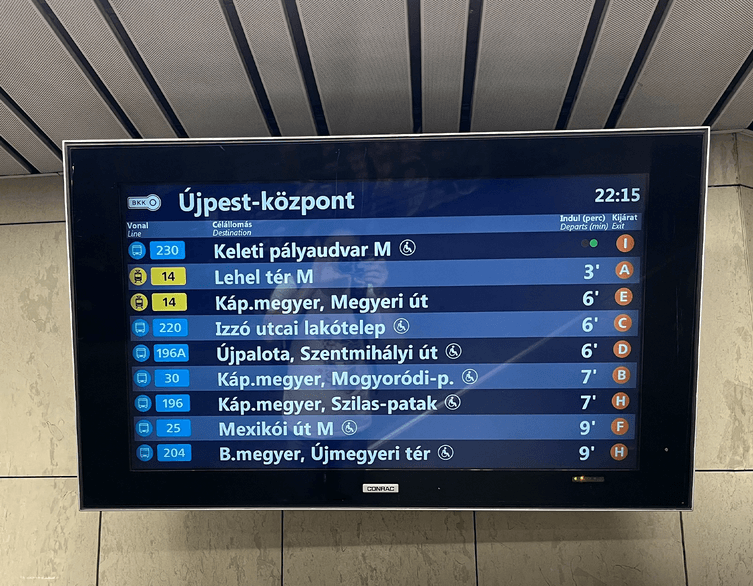
Clearer Stops, Real-Time Screens, and Accessible Rides: Budapest Upgrades Public Transport
Getting around Budapest by bus, tram, or metro is about to become a lot less confusing for visitors, thanks to a wave of new passenger information...
Update in the Public Transport Passes for Foreign Students
Budapest is one of Europe’s most charming capitals, where historic architecture meets vibrant urban life. Whether you are strolling along the Danube...
Budapest’s Night Transport Gets a Major Upgrade This Summer — Everything Tourists Need to Know
If you’re planning a trip to Budapest and love staying out late, here’s some genuinely exciting news: the city’s night public transport...