Clearer Stops, Real-Time Screens, and Accessible Rides: Budapest Upgrades Public Transport
Getting around Budapest by bus, tram, or metro is about to become a lot less confusing for visitors, thanks to a wave of new passenger information upgrades rolling out across the city’s public transport network. From clearer stop signage to onboard screens flagging accessible vehicles, these changes are designed to make travel planning quicker and far less stressful, especially for anyone unfamiliar with the system.
New Stop Codes Make Confusing Junctions Easier to Navigate
If you’ve ever stood in a busy underpass trying to figure out which exit leads to which tram stop, you’ll appreciate this one. The Centre for Budapest Transport (BKK) has renewed stop signage at 62 major transport hubs across the city, and as part of that overhaul, stops sharing the same name have now been given individual stop codes.
These codes are especially useful at larger, more complex interchanges, where multiple platforms or exits can otherwise feel like a maze. The codes now appear on site maps, on change notices, and on stop signage itself, and they’re also integrated into the BudapestGO app, which is currently the easiest all-in-one tool for planning trips around the city. In total, 757 stops now carry these codes, helping travelers pinpoint the exact departure point they need rather than guessing between similarly named stops that might be several minutes’ walk apart.
Service Updates You Can Now Read, Not Just Hear
Anyone who’s tried to catch a garbled announcement over bus speakers in an unfamiliar city knows the frustration. Budapest is addressing that directly: alongside the existing audio announcements, 770 buses are now fitted with modern, wide-screen monitors that display real-time service changes in text form.
Best deals of Budapest










This means important updates, like a diversion, delay, or route change, appear on screen at the same time they’re announced aloud, so nothing gets lost if you’re wearing headphones, don’t catch the Hungarian pronunciation, or are simply hard of hearing. The upgrade is a meaningful accessibility win for deaf and hard-of-hearing passengers, and going forward it will also let BKK phase out paper notices in favor of information that can be updated instantly and kept accurate in real time.
Spotting Low-Floor Vehicles Before They Even Arrive
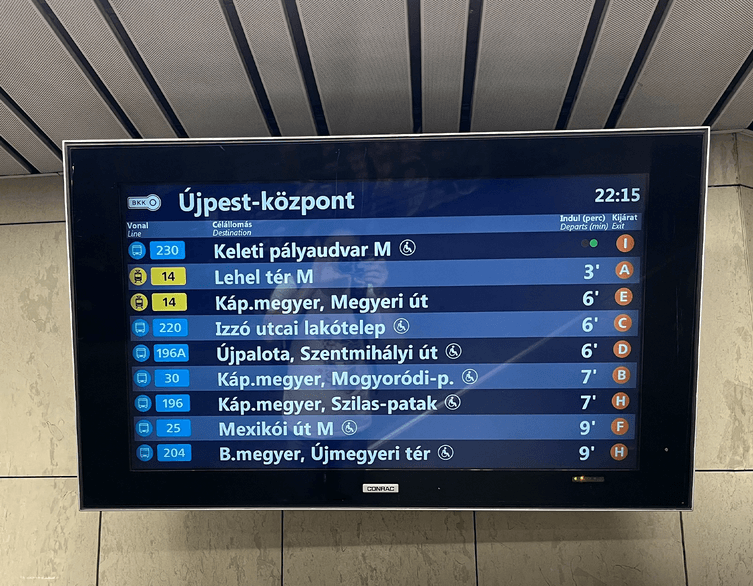
For travelers with strollers, luggage, or mobility needs, one of the trickiest parts of using public transport in an unfamiliar city is not knowing whether the next arriving vehicle will be easy to board. BKK has now rolled out low-floor accessibility icons on FUTÁR digital displays, the electronic boards showing real-time arrivals at stops across the city.
The icons are now active on 262 street-level displays and 41 underpass monitors, and they’re particularly useful on tram lines where high-floor and low-floor vehicles run interchangeably, since previously there was no reliable way to know in advance which type was coming. The feature uses live vehicle-tracking data, so what you see reflects the actual approaching vehicle rather than a generic timetable. It’s worth noting that a limited version of this feature existed on select displays before, but technical issues meant it didn’t work reliably. Those issues have since been resolved by the manufacturer, and the feature is now being activated across all displays.
Why This Matters for Your Trip
None of these upgrades require you to do anything differently, they simply make the existing system more forgiving for first-time visitors. Whether you’re trying to find the right exit at a sprawling underground junction, catch a real-time update about a diverted route, or figure out if the tram pulling up has a low floor for easy boarding with luggage, Budapest’s public transport network is quietly becoming a lot more tourist-friendly. Combined with the BudapestGO app for trip planning, these changes make navigating the city by bus, tram, and metro one less thing to worry about during your stay.
Related news
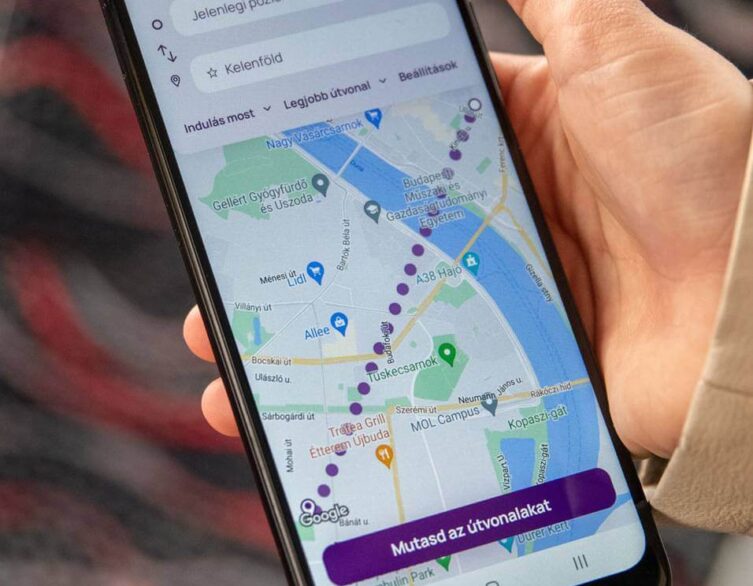
BudapestGO Now Tells You Which Metro Car to Board
You’ve planned your route through Budapest, caught the right metro and arrived at your stop. Then the doors open, and you realise the exit is at...
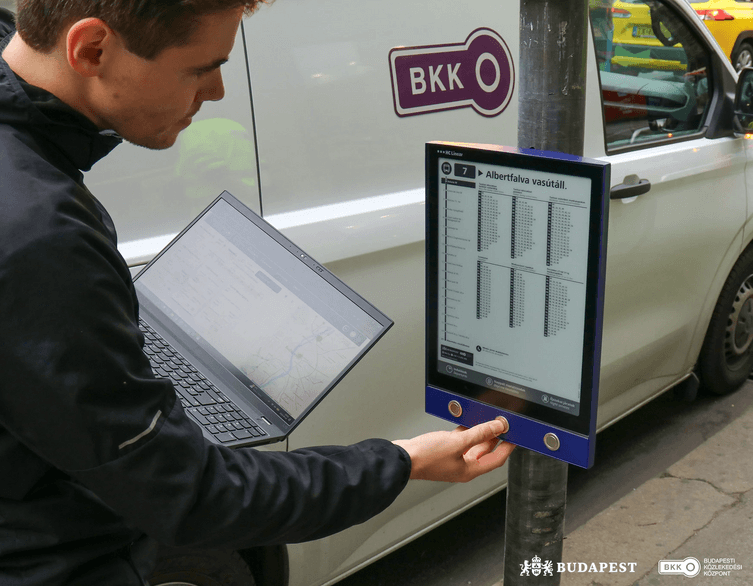
Budapest Is Rolling Out Digital Bus Stop Screens, and Tourists Will Notice the Difference
Budapest’s public transport network just got a genuinely useful upgrade for anyone navigating the city without perfect Hungarian skills. The...
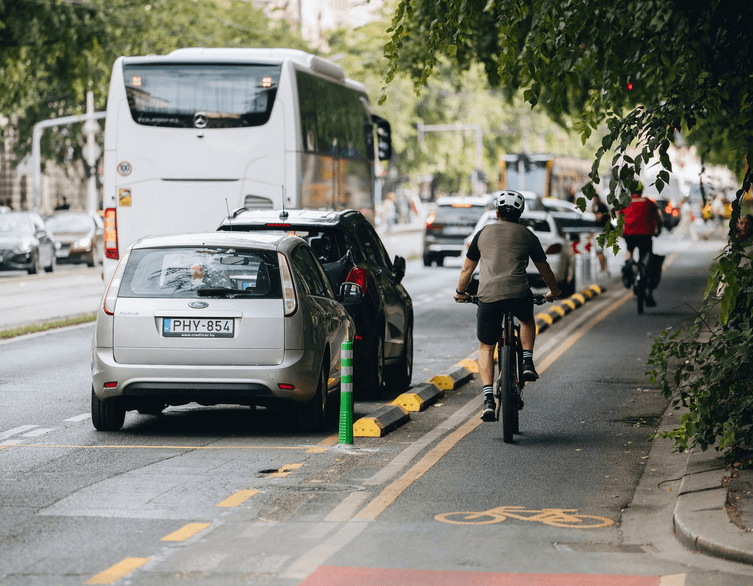
Safer Streets on Budapest’s Grand Boulevard: What’s Changed on József körút
Budapest’s iconic Grand Boulevard, known locally as the Nagykörút, just got a practical upgrade on one of its busiest stretches, and it’s...
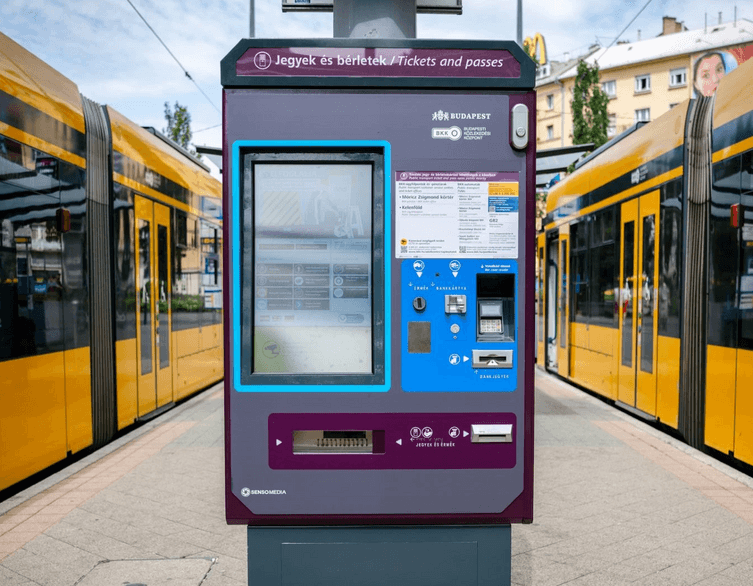
Budapest Just Gave Its Entire Ticket Machine Network a Total Makeover
If you’re planning to ride Budapest’s metro, trams, or buses this year, you’re about to have a much smoother experience buying...
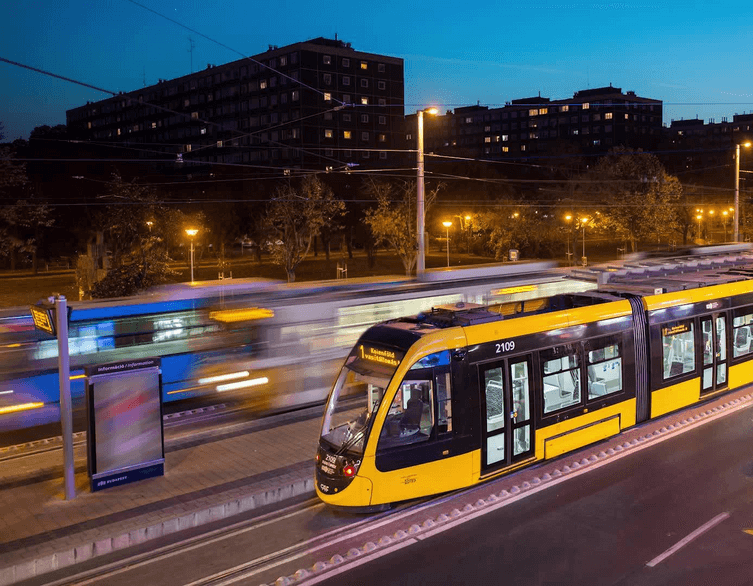
Heads Up, Night Owls: Tram 6 Swaps for Replacement Buses This Weekend in Budapest
If your Budapest itinerary includes late-night rides along the Grand Boulevard, it’s time for a quick schedule check. For three nights this...
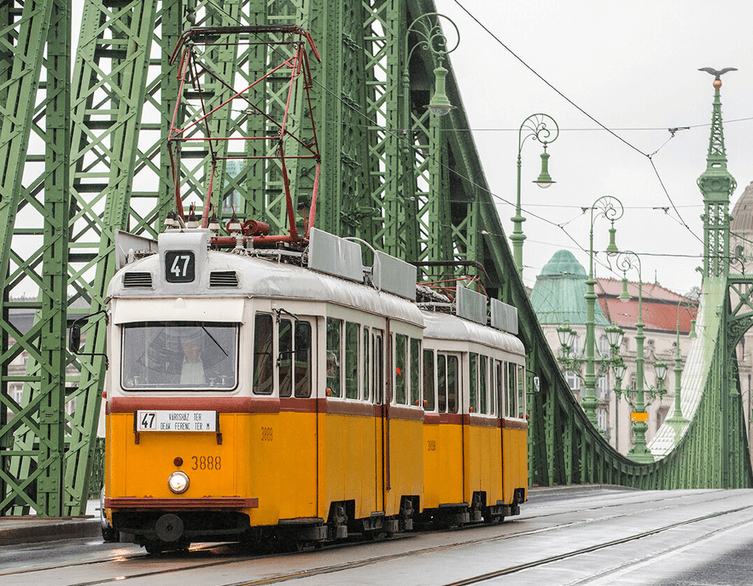
Summer in Budapest Means Renovation Season: Here’s How to Navigate It Like a Local
Summer in Budapest isn’t just about lounging at the thermal baths or catching a sunset over the Danube. It’s also when the city’s...
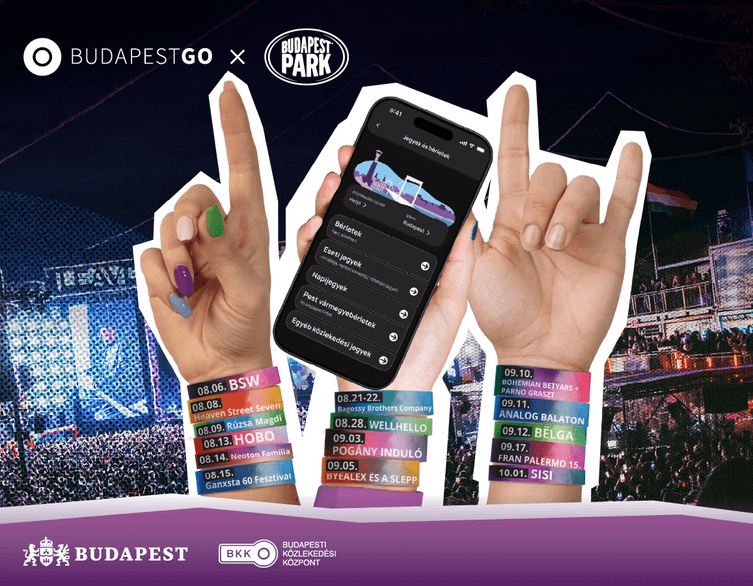
Ride the Metro, Catch a Concert: BudapestGO’s Summer Music Deal
If you’re visiting Budapest this August and already planning to use public transport to get around, there’s now a very good reason to...
Ride Back in Time: Budapest’s Nostalgia Trams and Retro Buses in August
Budapest has plenty of postcard-perfect ways to see the city, but few are as charming — or as photogenic — as hopping aboard a vintage tram or...
How Budapest Residents Are Shaping the City’s Transport Future
Budapest is quietly rewriting how it plans public transport and infrastructure, and it’s doing so by putting residents’ voices at the...
Ride Through Time: Budapest’s Heritage Transport Lines Return This July
If you want to experience Budapest the way locals did decades ago, hop aboard one of the city’s beloved heritage transport lines running every...
Update in the Public Transport Passes for Foreign Students
Budapest is one of Europe’s most charming capitals, where historic architecture meets vibrant urban life. Whether you are strolling along the Danube...
Budapest’s Night Transport Gets a Major Upgrade This Summer — Everything Tourists Need to Know
If you’re planning a trip to Budapest and love staying out late, here’s some genuinely exciting news: the city’s night public transport...
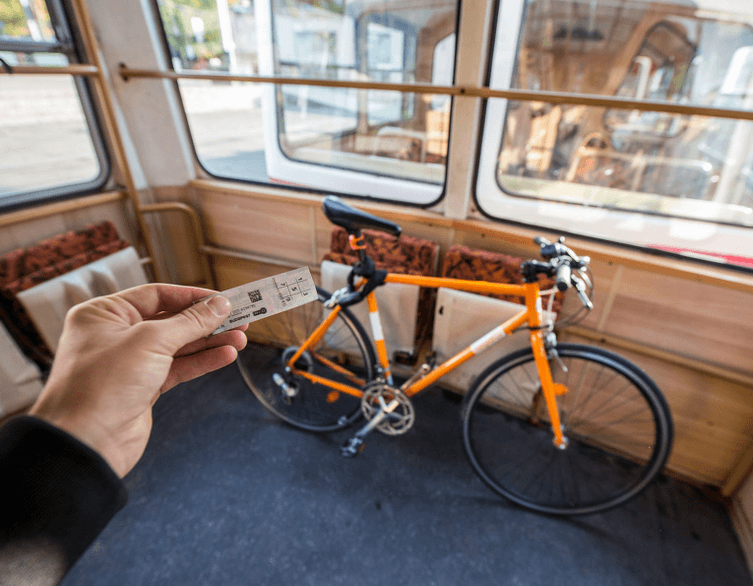
Bringing Your Bike on Public Transport in Budapest: What Tourists Need to Know in 2026
Budapest is one of those cities that practically begs to be explored on two wheels. One minute you are cruising along the Danube with postcard views...
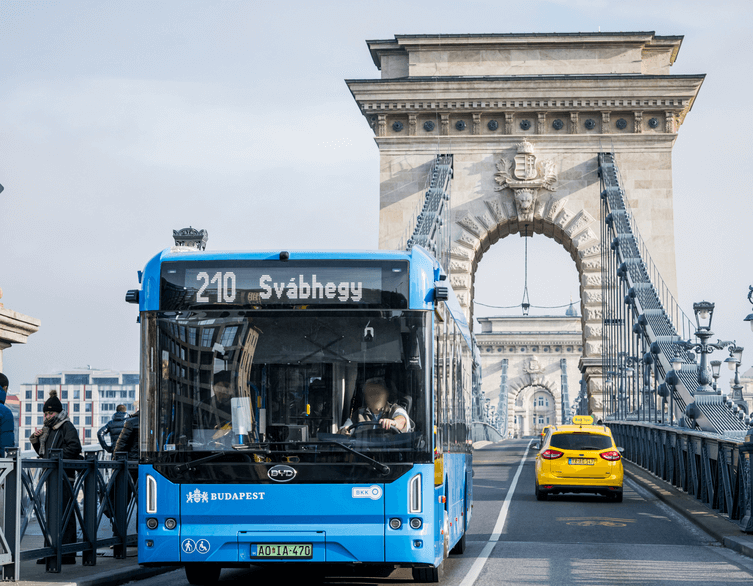
Budapest’s Public Transport Gets a Spring Upgrade: More Buses, More Trams, and Easier Access to the City’s Green Spaces
Spring has arrived in Budapest, and the city is responding in the best way possible. As the temperatures rise and the urge to get outside takes over,...
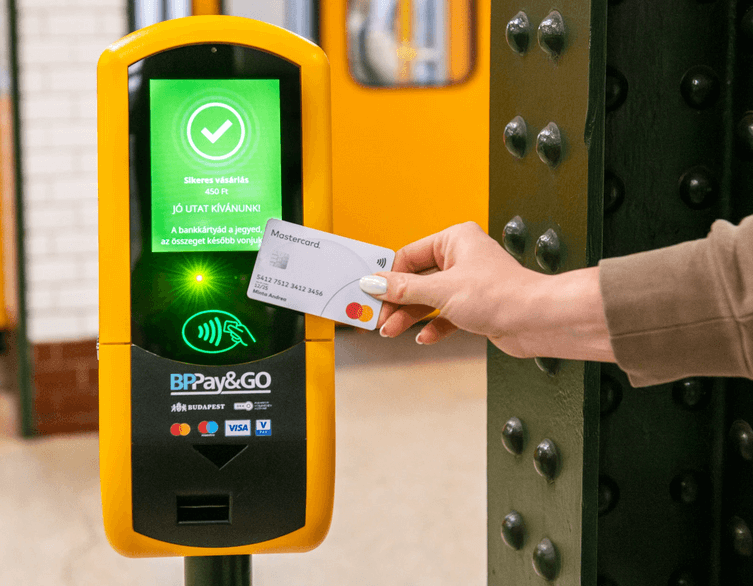
Tap and Go: Budapest Is Making Public Transport Easier Than Ever for Visitors
If you’ve ever arrived in Budapest, bleary-eyed after a long flight, and found yourself fumbling with unfamiliar coins at a metro ticket machine,...