Budapest’s Night Transport Gets a Major Upgrade This Summer — Everything Tourists Need to Know
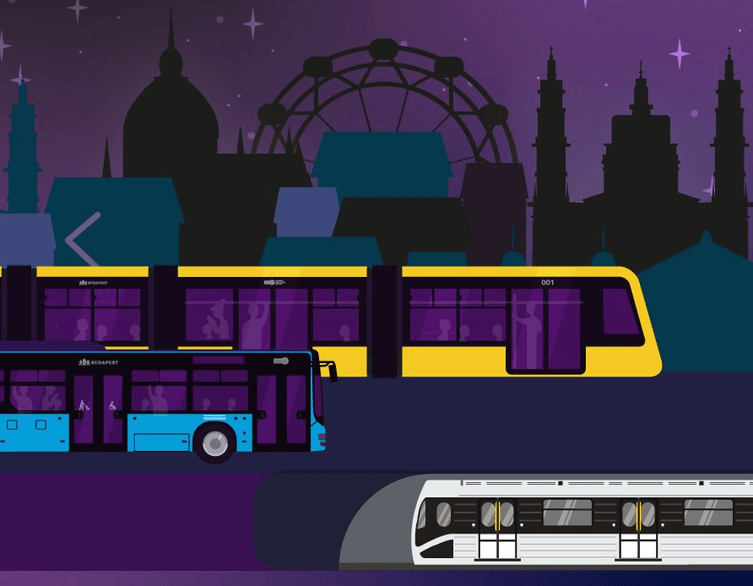
If you’re planning a trip to Budapest and love staying out late, here’s some genuinely exciting news: the city’s night public transport network is getting its biggest overhaul in over two decades, launching on the night of July 1–2, 2026. Whether you’re heading back to your hotel after a ruin bar crawl on the Small Boulevard (Kiskörút), catching a late-night train from Keleti Station, or exploring the outer districts after midnight, getting around Budapest at night is about to become faster, more direct, and far more reliable than ever before.
Why This Is Such a Big Deal
Budapest’s night transport network hadn’t seen a comprehensive overhaul since September 2005 — that’s more than twenty years of virtually unchanged service while the city itself has grown and evolved dramatically. Since then, there were small tweaks here and there: the iconic night tram 6 returned to service along the Grand Boulevard (Nagykörút) in 2011, and the metro’s operating hours were extended by the City Assembly in May 2025. But the backbone of the nocturnal bus network remained largely frozen in time.
That’s now changing. The Budapest Transport Centre (BKK) and the Ministry of Transport and Investment worked through two rounds of public consultation — first in August 2025, then again in spring 2026 — gathering feedback from over 36,000 residents and passengers. The result is a completely reimagined network that takes its cue from the daytime system, bringing more coverage, shorter waiting times, and direct connections that tourists and residents alike have been asking for.
Best deals of Budapest









What’s Actually Changing for Night Owls
The most important shift is a move toward a network that actually resembles the daytime one. Previously, getting from the city centre to an outer district at 2am often meant a labyrinthine series of transfers. Now, the philosophy is simple: more direct routes, less waiting, and smarter connections at major hubs like Deák Ferenc Square (Deák Ferenc tér), Móricz Zsigmond Square (Móricz Zsigmond körtér), Széll Kálmán Square (Széll Kálmán tér), and Örs vezér Square (Örs vezér tere).
For tourists staying in the city centre, one of the biggest wins is the redesign of the 923 bus, which now travels along the Small Boulevard (Kiskörút) instead of the Grand Boulevard, passing through Astoria — making it far more useful for reaching the nightlife belt of the 5th, 6th, and 7th districts. On the Chain Bridge (Lánchíd), frequency is improving to around every 15–20 minutes, a welcome change for anyone making the classic crossing between Buda and Pest late at night.
Reaching the Suburbs and Day-Trip Destinations
One of the most exciting aspects of the new network for tourists is how it opens up Budapest’s famous surroundings — even after dark. The new 922, 922B, and 988 buses now provide a direct link from the city centre to Budakeszi, Budaörs, and Törökbálint, running every 30 minutes collectively and routing through the Small Boulevard (Kiskörút), the Chain Bridge, and Móricz Zsigmond Square before heading west.
The charming town of Szentendre — a favourite day trip for artsy travellers — now has improved night connections. The first departure of the 943 bus sets off directly from Deák Ferenc Square, and for most of the night, hourly service runs toward Budakalász, Pomáz, and Szentendre via the Óbuda suburb. Similarly, Gödöllő, home of the stunning Baroque royal palace, is now connected directly to Deák Ferenc Square by the extended 992 bus, passing through Kerepes, Kistarcsa, and Mogyoród on a route better suited to exploring the town centre.
New Trolleybuses, New Routes, New Possibilities
One of the more unexpected highlights is the introduction of the 980 night trolleybus, which runs along the route of the daytime 80 trolley right from Deák Ferenc Square all the way to Örs vezér Square — every 30 minutes throughout the night. This is a genuinely handy route for visitors based near Keleti Station or in the 14th district who want a straightforward connection to the city centre at any hour.
Entirely new lines are also making their debut. The 966 bus has been dramatically rerouted: it now cuts through the city centre, crosses the Chain Bridge, climbs through the scenic Rose Hill (Rózsadomb) neighbourhood, and continues to Milleniumtelep suburban railway (HÉV) station in the south — essentially becoming a late-night sightseeing corridor through some of Budapest’s most atmospheric streets. The 955 bus brings night service to the previously unserved Kútvölgy and Zugliget areas in the 12th district, while the 941 bus now connects South Buda all the way through the inner city to Rákosszentmihály in the northeast.
Practical Tips for Tourists
Getting around Budapest at night with the new network is straightforward once you know the basics. The same tickets and passes valid on daytime services work on all night lines — a Budapest Card or 72-hour travel pass covers you entirely. You can buy a single ticket from the driver, or pick one up anytime through the BudapestGO app or ticket machines, which are available around the clock.
On single-deck buses, boarding is only through the front door at night, so you can present your ticket to the driver. Security guards ride on many of the busier lines, and the advice for all late-night travel applies universally: keep your bag close, sit near the driver if you feel uncertain, and if there’s any concern about safety, drivers and on-board staff are there to help.
The major transfer hubs — Deák Ferenc Square, Astoria, Blaha Lujza Square (Blaha Lujza tér), Móricz Zsigmond Square, Széll Kálmán Square, and Örs vezér Square — are where most lines intersect, and timetables are designed so that buses wait for each other at these points to make transfers smooth even in the middle of the night. And of course, the legendary tram 6 keeps running 24/7 along the Grand Boulevard, as it has since 2011 — always a reliable anchor for night-time navigation.
Budapest After Dark Is Worth Exploring
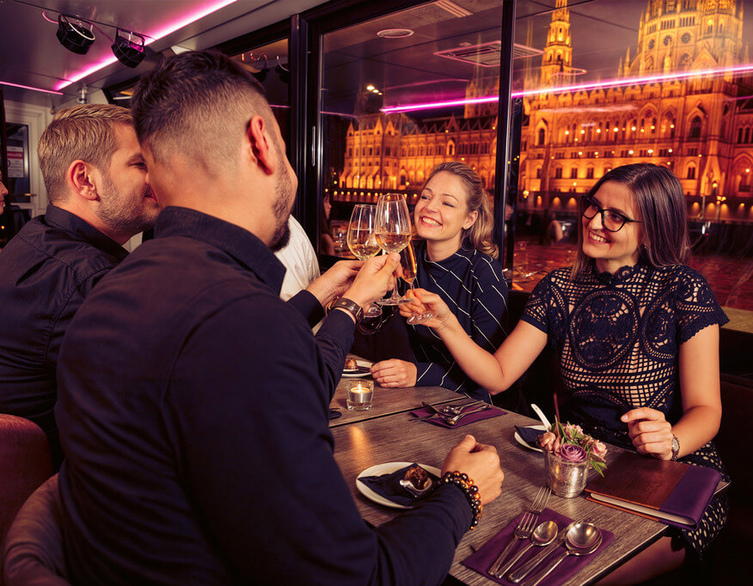
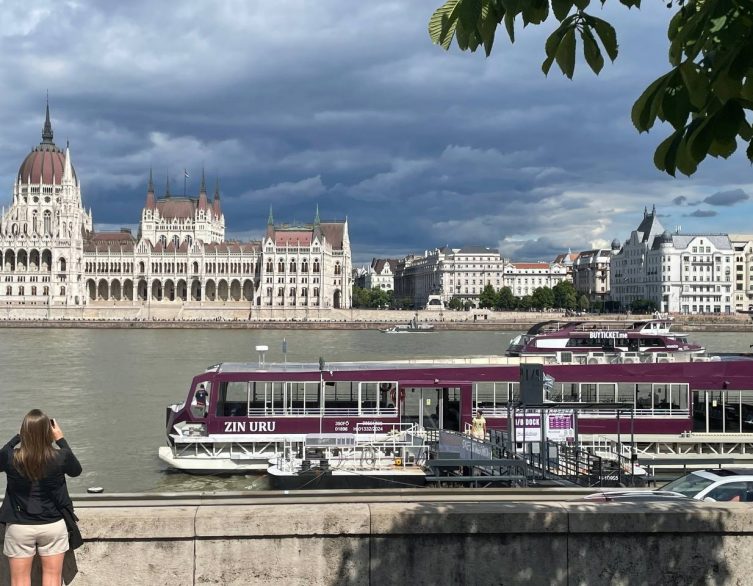
This upgrade isn’t just a logistical improvement — it’s an invitation to experience Budapest differently. The city’s famous ruin bars, thermal bath spas with evening sessions, the illuminated Parliament building reflecting in the Danube, the buzzing night markets in summer — all of these are now just that bit more accessible, without needing a taxi or rideshare for every late return trip. Budapest at night has always been magical. From July 1, 2026, getting home from it just got a whole lot easier.
Related news
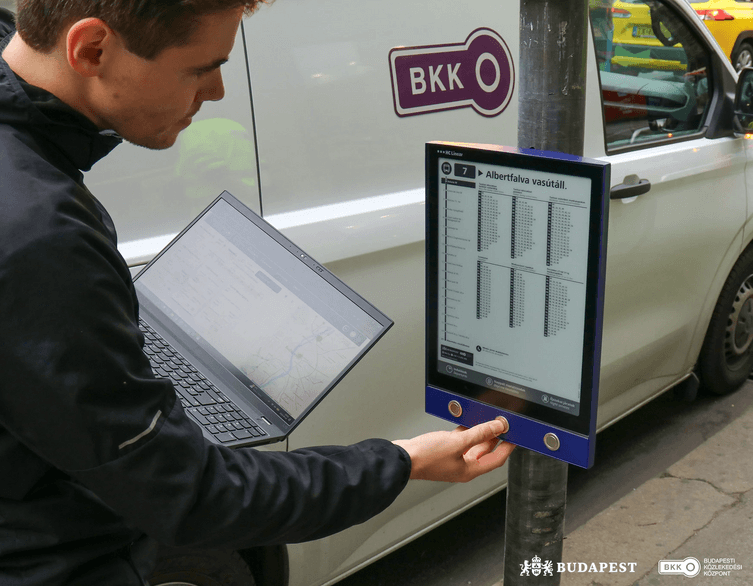
Budapest Is Rolling Out Digital Bus Stop Screens, and Tourists Will Notice the Difference
Budapest’s public transport network just got a genuinely useful upgrade for anyone navigating the city without perfect Hungarian skills. The...
Safer Streets on Budapest’s Grand Boulevard: What’s Changed on József körút
Budapest’s iconic Grand Boulevard, known locally as the Nagykörút, just got a practical upgrade on one of its busiest stretches, and it’s...
Budapest’s Green Metro Line Just Got Smarter, Thanks to Your Phone
If you’ve ever stood on a crowded metro platform in Budapest wondering why the train feels packed at seemingly random hours, the city’s...
Budapest Just Gave Its Entire Ticket Machine Network a Total Makeover
If you’re planning to ride Budapest’s metro, trams, or buses this year, you’re about to have a much smoother experience buying...
Summer in Budapest Means Renovation Season: Here’s How to Navigate It Like a Local
Summer in Budapest isn’t just about lounging at the thermal baths or catching a sunset over the Danube. It’s also when the city’s...

Ride the Metro, Catch a Concert: BudapestGO’s Summer Music Deal
If you’re visiting Budapest this August and already planning to use public transport to get around, there’s now a very good reason to...
Ride Back in Time: Budapest’s Nostalgia Trams and Retro Buses in August
Budapest has plenty of postcard-perfect ways to see the city, but few are as charming — or as photogenic — as hopping aboard a vintage tram or...
How Budapest Residents Are Shaping the City’s Transport Future
Budapest is quietly rewriting how it plans public transport and infrastructure, and it’s doing so by putting residents’ voices at the...
Budapest’s Transport Museum Is Getting a Spectacular New Home in Kőbánya
If you’ve ever wandered through Budapest wondering what happened to the city’s long-closed Transport Museum, here’s some genuinely...
Clearer Stops, Real-Time Screens, and Accessible Rides: Budapest Upgrades Public Transport
Getting around Budapest by bus, tram, or metro is about to become a lot less confusing for visitors, thanks to a wave of new passenger information...
Budapest Parking Just Went Fully Digital: What Tourists Need to Know
Budapest is entering a new era—and if you’re planning to drive in the Hungarian capital this summer, there’s one major change you need...
Budapest Just Landed on the World’s Hotel Map
If you’ve ever wondered where to stay in Budapest to get the full experience — history, elegance, location, and genuinely warm hospitality...
Update in the Public Transport Passes for Foreign Students
Budapest is one of Europe’s most charming capitals, where historic architecture meets vibrant urban life. Whether you are strolling along the Danube...
Budapest Without Giant Billboards: A New Era for the City’s Historic Beauty
A Clearer View of Budapest’s Iconic Architecture Budapest is often described as one of Europe’s most beautiful capitals, where grand historic...
Stay Cool While Getting Around Budapest
Summer in Budapest can be wonderfully vibrant, but also quite warm. The good news for visitors is that the city’s public transport system is increasingly...
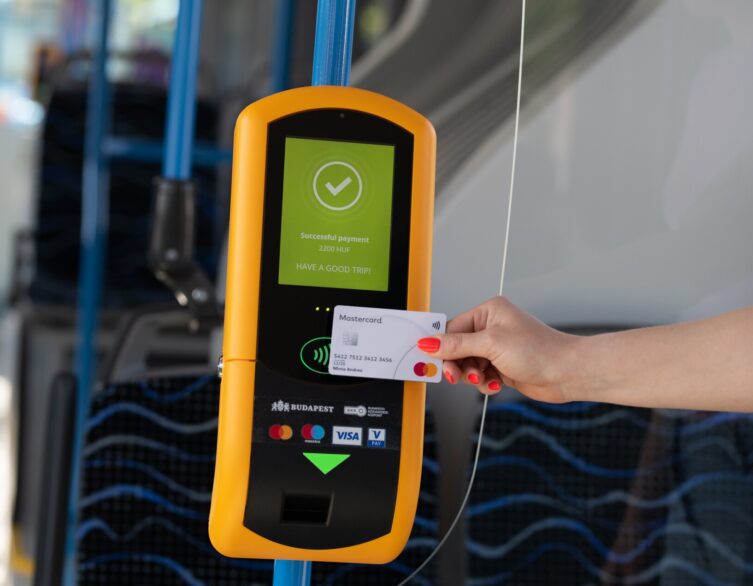
Budapest’s Pay&GO Is a Hit: Over 112,000 Metro Tickets Sold in Just One Month
Budapest’s public transport is on a roll — and the numbers prove it. Just one month after BKK (Budapest’s Centre for Budapest Transport)...
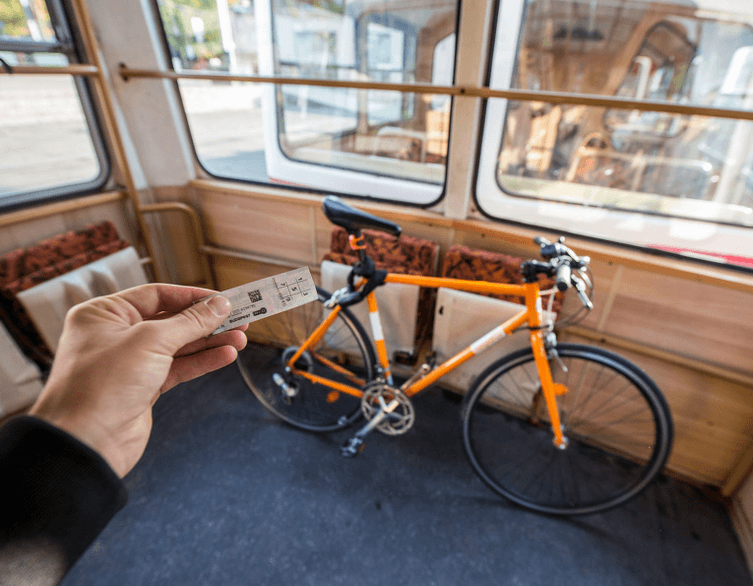
Bringing Your Bike on Public Transport in Budapest: What Tourists Need to Know in 2026
Budapest is one of those cities that practically begs to be explored on two wheels. One minute you are cruising along the Danube with postcard views...

Green Ways to Explore Budapest: Your Guide to Eco-Friendly Transport
Earth Day is a great reminder that protecting our planet doesn’t require grand gestures. In fact, some of the most meaningful changes start...