Elizabeth Bridge Traffic Changes in Budapest: What Visitors Need to Know
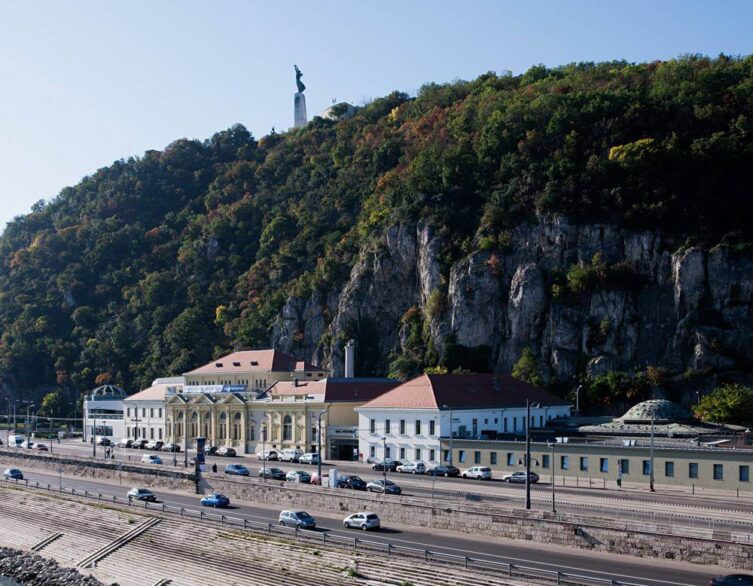
If your Budapest itinerary includes crossing the Danube near Rudas Baths or wandering through Krisztinaváros, it’s worth pausing to read this before you set off. Starting Monday, September 21, 2026, the city has introduced a set of traffic restrictions on the Buda side of Elizabeth Bridge, and they’re expected to stick around until November 15. The changes won’t stop you from exploring, but they will reroute buses, close one ramp entirely, and squeeze traffic on another, so a little advance planning goes a long way.
Why the Bridge Is Under Repair
The restrictions come courtesy of Budapest Közút, the city’s road authority, which is replacing the expansion joints at the end of two ramps on the Buda side of Elizabeth Bridge. Expansion joints are the flexible structural elements that let a bridge shift slightly with temperature changes and traffic load without cracking, and after years of wear, these particular ones need a full replacement. While crews are at it, they’re also fixing up the drainage and repaving the road surface around the joints, essentially a maintenance job that’s overdue but disruptive in the short term. Work began at 10 a.m. on September 21 and is scheduled to wrap up by November 15, 2026.
The Ramp Toward Rudas Baths Is Closed
Here’s the change that matters most for spa-hoppers: the ramp leading down from Elizabeth Bridge toward Rudas Baths is completely shut in both directions as of September 21. If you were planning to drive, taxi, or take a rideshare straight to the entrance of this beloved 16th-century Ottoman bathhouse, you’ll need an alternate route. Traffic heading toward Szent Gellért tér, along with public transport, is being diverted via Szarvas tér, Krisztina körút, and Szent Gellért rakpart instead. It’s a longer loop, so build in extra time if you’re catching a specific entry slot at the baths.
Public transport riders aren’t left stranded, though. Buses 7, 107, 907, 933, 933A, and 941 are running the diverted route and making temporary stops at Döbrentei tér, sharing the stop normally used by bus 5, and near Rudas Baths itself, they’re using the stop by the rock face along the riverside. If you usually hop off right at the bath’s front door, keep an eye out for the shifted stop location so you don’t end up walking further than expected.
One Lane Only Toward Attila Road and Krisztinaváros
The second ramp affected runs toward Attila Road, in the direction of the charming Krisztinaváros neighborhood below Buda Castle. This one isn’t fully closed, but traffic is squeezed down to a single lane starting the same day, September 21. Expect some queuing here, especially during peak sightseeing hours when tour buses and taxis converge near Castle Hill.
Best deals of Budapest








There’s one more twist worth marking on your calendar if you’re visiting in early October: for a single overnight closure, expected on the night of October 5 into October 6, this ramp will be shut entirely for a few hours. During that window, the normally closed Rudas-bound ramp will be temporarily reopened to handle the traffic instead. It’s a short-lived swap, but if you’re navigating the area late that night, don’t be surprised by the temporary role reversal.
Good News for Hegyalja Road
Not every route through the area is affected. The ramp toward Hegyalja Road, useful if you’re heading up toward Gellért Hill or the Citadella lookout point, remains open and running on its usual schedule throughout the entire construction period. If your plan involves that panoramic hilltop view over the city, you can approach it without detours.
Getting to Rudas Baths and Around Buda Despite the Closure
None of this means Rudas Baths is off-limits, it’s simply a matter of adjusting how you get there. Walking remains the easiest workaround: pedestrian access across Elizabeth Bridge itself isn’t affected by these ramp closures, so if you’re coming from the Pest side, crossing on foot and walking down to Döbrentei tér is often quicker than dealing with the rerouted road traffic. For those relying on public transport, just remember the shifted bus stops mentioned above, particularly if you’re timing a visit around Rudas’s popular Friday and Saturday night bathing sessions, which run late with a lantern-lit, music-filled atmosphere on the rooftop pool.
If you’re weighing up thermal baths this autumn, it’s also worth knowing that Gellért Baths, just across the river from Rudas, remains closed for a lengthy renovation that isn’t expected to finish until 2028. Between that and the current road works, Rudas and Széchenyi Baths are shaping up to be the go-to options for visitors chasing that classic Budapest spa experience this season.
Practical Tips for Navigating the Area
Since roadworks projects can shift slightly in scope or timing, it’s smart to check the latest updates from the local transport authority before heading out, especially if you’re driving or relying on a specific bus route. Beyond that, a few simple habits will save you hassle: build extra travel time into any plans that involve crossing from Pest to Buda near the Castle District, favor walking or public transport over taxis in this specific stretch, and pay close attention to temporary signage around Döbrentei tér and the Rudas Baths entrance, since stop locations and detour signs may not always match what your map app shows.
Construction season in Budapest can feel like an inconvenience, but it’s also part of how the city keeps its historic infrastructure, including a 19th-century bridge, in shape for the millions of visitors who cross it every year. With a bit of flexibility and the right route in mind, you’ll barely notice the disruption between soaking in a centuries-old thermal bath and admiring the view from Gellért Hill.
Related news
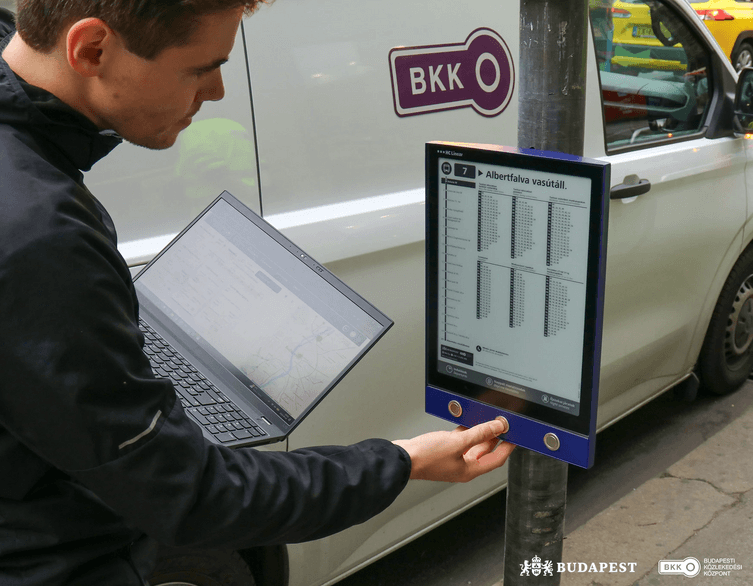
Budapest Is Rolling Out Digital Bus Stop Screens, and Tourists Will Notice the Difference
Budapest’s public transport network just got a genuinely useful upgrade for anyone navigating the city without perfect Hungarian skills. The...
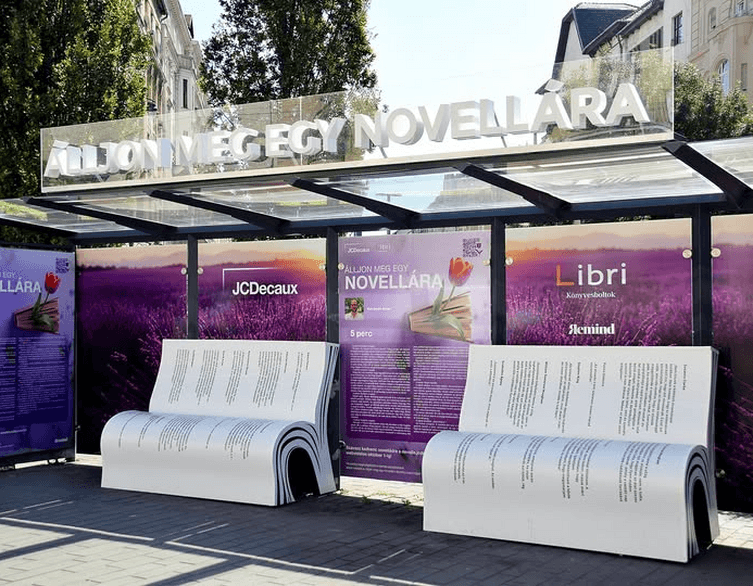
Why Some Budapest Bus Stops Are Turning Into Tiny Literature Galleries This Autumn
If you’re wandering around Budapest this autumn and notice commuters lingering at a bus or tram stop a little longer than usual, don’t...
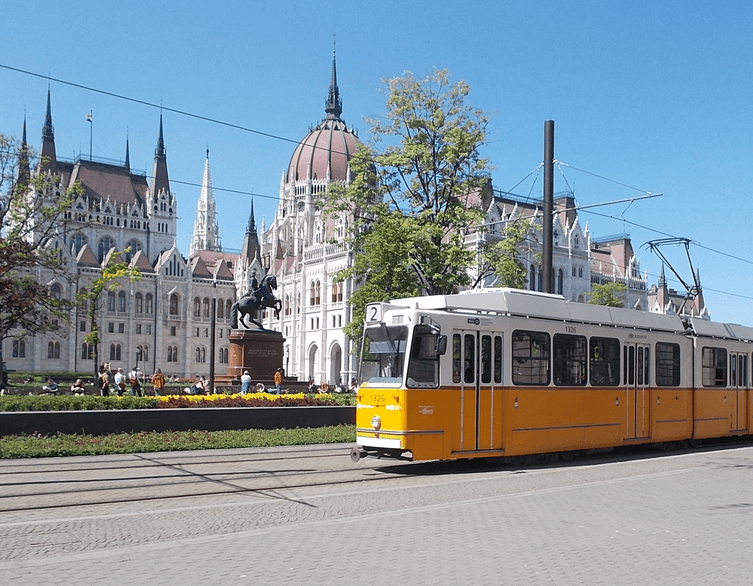
Getting Around Budapest Just Got Easier: New Bus Ticket Payments and Safer Crossings
Budapest keeps fine-tuning the everyday experience of getting around the city, and this month brings two welcome upgrades for visitors: you can now...
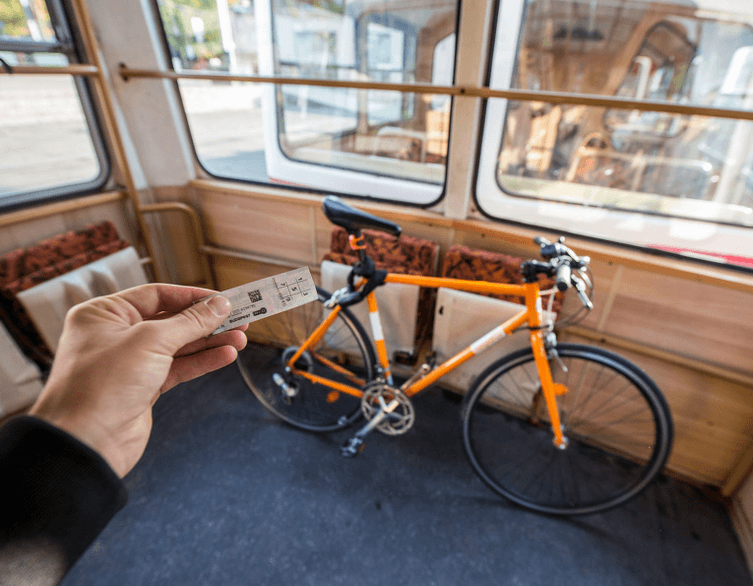
More Budapest Buses Now Allow Bikes On Board
If you’re exploring Budapest by bike but occasionally want the option of jumping onto public transport, the city’s transport authority...
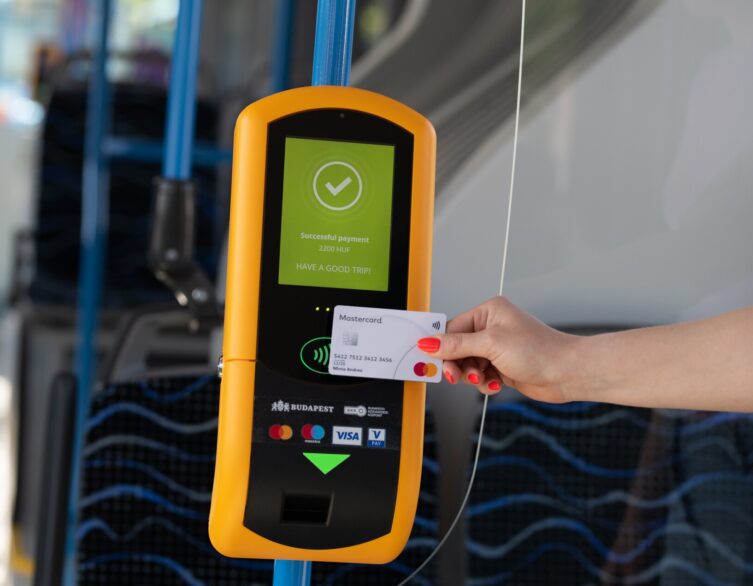
Budapest’s Pay&GO Is a Hit: Over 112,000 Metro Tickets Sold in Just One Month
Budapest’s public transport is on a roll — and the numbers prove it. Just one month after BKK (Budapest’s Centre for Budapest Transport)...