Rákóczi Tér Named One of the World’s Coolest Neighbourhoods for 2026
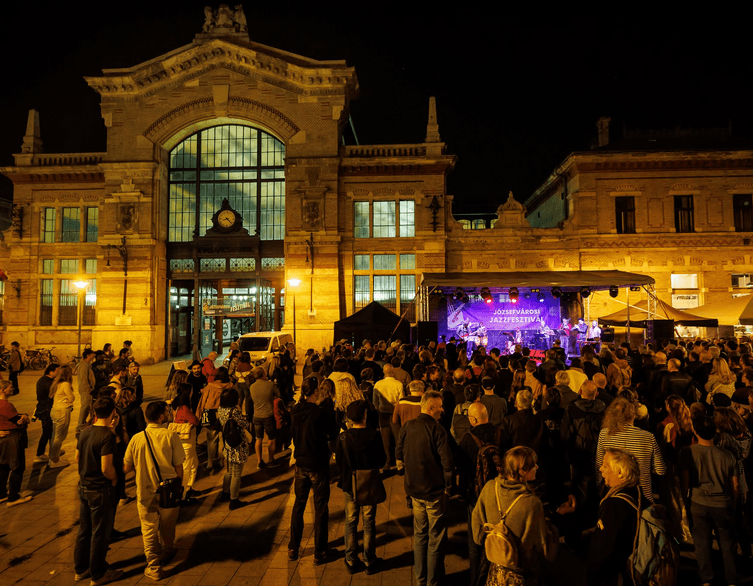
Budapest just earned a fresh badge of honor on the global travel map. Time Out’s closely watched annual ranking of the world’s coolest neighbourhoods has placed Rákóczi tér, a lively square in the city’s 8th district, at number 19 out of 40, putting this once-overlooked corner of Józsefváros ahead of famous pockets of New York, Paris, Amsterdam, and London. For anyone planning a trip to Budapest, this is exactly the kind of authentic, lived-in neighbourhood worth carving out a few unhurried hours for.
From Calf Market to Global Cool List
Rákóczi tér has a history of reinvention that reads almost like a plot twist. The square started life centuries ago as a calf market, then became one of Budapest’s greenest public squares, and later earned a rougher reputation as a hub of the city’s nightlife underworld, a period locals still remember well. Today, none of that defines it anymore. The square has quietly transformed into one of the most interesting, evolving neighbourhoods in the city, and Time Out’s global panel of on-the-ground local experts took notice.
This year’s number one spot went to Jongno 3-ga in Seoul, with Rabat’s L’Ocean district in Morocco taking second place and Neos Kosmos in Athens rounding out the top three. Los Angeles’s Chinatown and Glasgow’s Govanhill followed close behind. Rákóczi tér is the only Budapest neighbourhood to make this year’s list of 40, and it’s also the highest-ranked spot in Central Europe, beating out plenty of neighbourhoods in cities with far bigger tourism marketing budgets. Interestingly, last year it was Budapest’s Margit District that made the cut, so this is now the second year running that the city has landed a spot on Time Out’s global list, a sign that the Hungarian capital’s neighbourhood-level charm is getting noticed internationally.
The Market Hall at the Heart of It All
At the center of the square sits the Rákóczi Square Market Hall, a handsome, bare-brick building with an iron-framed roof that has anchored this corner of Józsefváros since 1897, when it first opened to customers. It was actually built a few years earlier, in 1894, designed by architects István Rozinay and Pál Klunzinger, the same architectural era that produced Budapest’s grander Great Market Hall near Liberty Bridge. The building had a rough patch of its own: it burned down in a fire in 1988 and wasn’t fully rebuilt and reopened until 1991, the form it still takes today.
Step inside and you’ll find a proper working market rather than a tourist-trap version of one. Vendors sell fresh produce, meat, fish, dairy, and the tangy pickled vegetables Hungarians call savanyúság, plus a lángos window serving Hungary’s beloved fried dough snack at prices locals actually pay. The hall is open Monday from 6am to 4pm, Tuesday through Friday from 6am to 6pm, and Saturday from 6am to 1pm, but closed on Sundays and public holidays, so an early or midweek visit gives you the best shot at seeing it in full swing. Entry is free, and the address is Rákóczi tér 7-9, right in the 1084 postal district.
Best deals of Budapest




A Food Scene Punching Above Its Weight
What impressed Time Out’s judges most was the mix of old and new on the streets surrounding the market hall. Long-running local favorites like Csiga and the nearby Hintaló Iszoda still hold court, while newer arrivals such as Matteo’s and MOTO are shaking up the neighbourhood’s dining scene with fresh energy. Add in VAJ bakery for fresh croissants and specialty coffee, a new branch of the beloved Főfagyi ice cream chain for something sweet, and Szabad Új Hely for inventive plant-based cooking, and you’ve got a food scene that rivals far trendier parts of the city.
The area has also quietly become something of an unofficial international food hub. Spots like Nem Ramen, Gim-Tteok, and Oliviks Kitchen bring genuinely global flavors into the mix, from Japanese ramen to Korean rice rolls to Nigerian home cooking, reflecting the increasingly multicultural community that’s settled into this part of Józsefváros over the past decade.
Community-Led Streets Making a Real Difference
Beyond the food, Time Out specifically praised the neighbourhood’s grassroots approach to urban redesign. Streets like Déri Miksa utca and Bacsó Béla utca have been reworked into greener, more pedestrian-friendly stretches, with local residents directly involved in shaping the changes rather than having a plan imposed from above. Déri Miksa utca, in fact, became Budapest’s very first “Healthy Street,” a pilot pedestrian-priority project that other parts of the city have since looked to as a model. Bacsó Béla utca went through years of trial and experimentation before emerging as a car-free, playful space designed for people to actually linger, chat, and let kids play rather than just pass through on their way somewhere else.
Planning Your Visit to Rákóczi Tér
Getting there couldn’t be easier: Metro Line M4, the green line, stops directly beneath the square at Rákóczi tér station, and tram lines 4 and 6 also run right past it along the Grand Boulevard. From central tourist hotspots like Deák Ferenc tér or Blaha Lujza tér, it’s just a couple of stops away, making it an easy add-on to a day of sightseeing rather than a special expedition.
For a proper taste of the neighbourhood, start the morning with coffee and a pastry, browse the market stalls while they’re freshest, then graze your way through the international kitchens scattered around the square for lunch. Round things off with a bit of vintage shopping, a scoop of ice cream, and an evening drink at one of the local bars once the sun goes down. It’s also worth marking your calendar for 2027, when the wider Józsefváros district celebrates its 250th anniversary, with the local municipality already planning anniversary events and public space upgrades across the area, including changes to nearby Népszínház utca and Blaha Lujza tér. And if you’re already in the neighbourhood, Time Out Market Budapest is just a short walk away, making it easy to pair both stops into one satisfying outing.
For travelers who want to experience a side of Budapest beyond the postcard views of the Danube and Buda Castle, Rákóczi tér now offers a genuinely compelling, internationally recognized reason to detour into the 8th district.
Related news
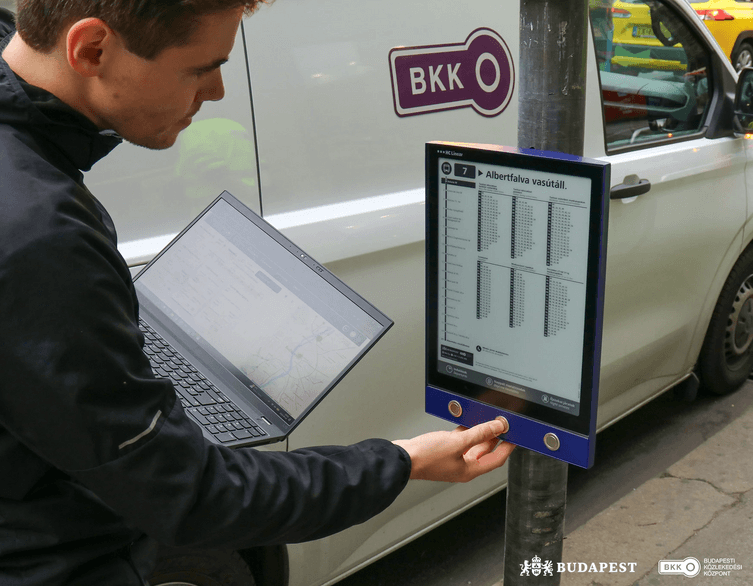
Budapest Is Rolling Out Digital Bus Stop Screens, and Tourists Will Notice the Difference
Budapest’s public transport network just got a genuinely useful upgrade for anyone navigating the city without perfect Hungarian skills. The...
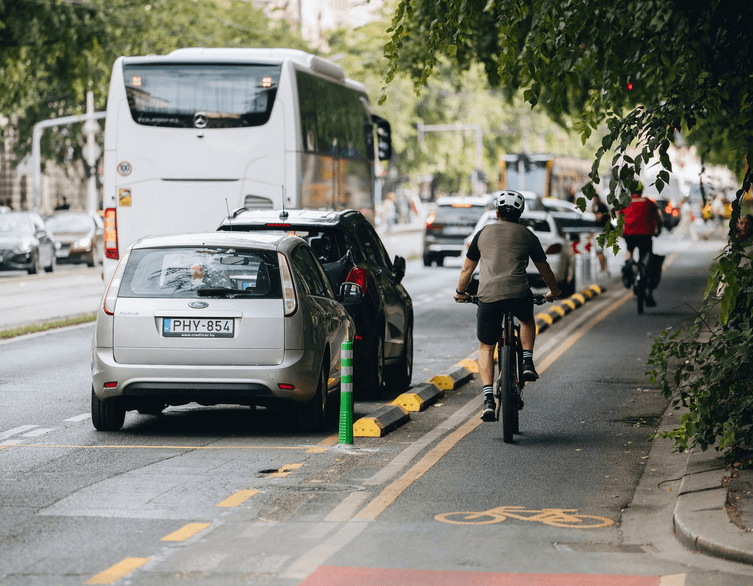
Safer Streets on Budapest’s Grand Boulevard: What’s Changed on József körút
Budapest’s iconic Grand Boulevard, known locally as the Nagykörút, just got a practical upgrade on one of its busiest stretches, and it’s...
Józsefváros Is Cracking Down on Airbnb: What Tourists Need to Know Before They Book
If you’re planning a trip to Budapest and considering an Airbnb, there’s some news worth knowing about. The Hungarian capital is quietly...
The Italian Revolution at Rákóczi Market: Budapest’s First Lasagne-Focused Fast Food Experience
When Florence-born Matteo Missoni opened Matteo’s Italian Classics in May 2025, he probably didn’t expect to revolutionize Budapest’s...