Budapest’s Bike-Share Just Got a Serious Upgrade, and It’s Now Got Electric Power
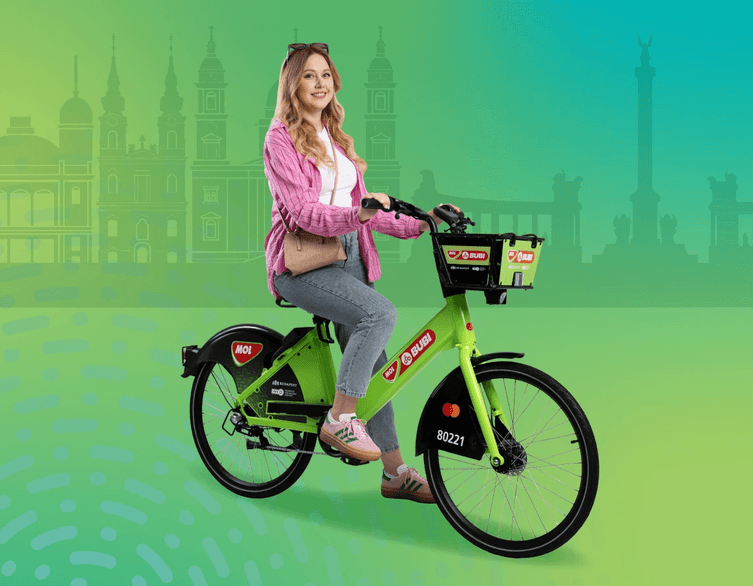
If you’ve ever wandered past a row of chunky green bicycles parked along a Budapest street corner and wondered what they were about, now’s the perfect time to find out. MOL Bubi, the city’s public bike-sharing system, just launched its third generation, and it comes with a bigger fleet, a new app, and, for the first time, electric-assist bikes that make pedaling up Budapest’s hillier stretches a whole lot easier.
A Fresh Start After 12 Years on the Streets
MOL Bubi isn’t some experimental new gadget dropped onto Budapest’s streets overnight. The system has been quietly reshaping how people move around the city for 12 years, and it’s largely responsible for the wave of bike lanes and cyclist-friendly infrastructure that’s popped up across the capital over the past decade. For countless residents and visitors, Bubi was the gateway into city cycling in the first place, and by now, the bikes are practically part of Budapest’s visual identity.
The second generation, launched back in 2021, was already one of the city transport authority’s biggest success stories, with usage jumping five to eight times over compared to the original system. Over the past five years alone, Bubi bikes were rented more than 14 million times, covering over 28 million kilometers combined. That’s a lot of trips past the Danube.
Best deals of Budapest










What’s Actually New This Time
The relaunch, which rolled out on August 3, brings a noticeably larger and more flexible fleet, including a first-ever batch of electric-assist bikes alongside the classic pedal versions. Right now there are 3,300 bikes in circulation, split between 2,500 classic bikes and 800 electric ones, but that number is set to climb fast. By 2027, the plan is to have 5,000 bikes available across an expanded service area with denser docking coverage, and longer term, the system could scale up to as many as 8,000 bikes if funding allows, reaching even further into the city.
The electric-assist option is arguably the biggest game-changer here. Anyone who’s tried cycling up toward Buda Castle or across some of the steeper parts of the city knows Budapest isn’t entirely flat, and the new e-bikes are designed to open cycling up to people who might have been put off by hills or longer distances in the past. During the trial period, nearly 9,000 users tested the system and gave feedback that helped fine-tune it before the full public rollout.
How the System Actually Works
Using MOL Bubi is refreshingly simple once you break it down. You’ll need the app and an account to get started, and inside the app you choose whether to ride on a pay-as-you-go basis or with a subscription pass. From there, open the map to find the nearest available bike, keeping in mind that classic bikes show a regular bicycle icon while electric ones are marked with a lightning bolt. If you want to guarantee a specific bike is there when you arrive, you can reserve it for up to 10 minutes right in the app.
Once you’ve reached your bike, scanning the QR code on the frame pops the smart lock open automatically, and you’re ready to ride. If you’ve picked an electric one, it’s worth taking a moment to get used to it first, since the battery and motor shift the bike’s centre of gravity compared to a classic bike, which can feel a little different when turning or coming to a stop. Before setting off, check the battery level and estimated range either in the app or on the handlebar display, so you’re not caught short halfway across town.
Need to make a quick stop along the way? You can pause your trip by starting a parking session in the app and locking the bike, though keep in mind that parking time still counts toward your total usage time, so it’s best used for short stops rather than long breaks. When you’re ready to continue, just tap “continue use” in the app and carry on riding.
To finish your trip, ride to the MOL Bubi station nearest your destination and close the smart lock on the bike. A beep confirms the return went through, and you can double-check it in the app too. One important thing to remember: if you end your ride somewhere other than an official MOL Bubi station, there’s a 10,000 forint off-station locking surcharge, so it really does pay to dock the bike properly.
Big Names Standing Behind the Relaunch
The system’s momentum comes with some serious institutional backing. MOL, the naming sponsor since Bubi’s original 2014 launch, remains the strategic partner. Mastercard has joined as a digital payments partner, tying into the broader rollout of contactless Pay&GO ticketing that’s already active across Budapest’s metro lines this year. Day-to-day operations are now run by Inurba Mobility, a company that manages bike-share systems in cities across Europe, under a five-year contract that could later extend by another 18 months.
Budapest’s Mayor, Gergely Karácsony, framed the relaunch as part of a bigger environmental push for the city, noting the timing lines up with growing pressure to respond to climate change through greener urban transport. Ádám Bodor, deputy CEO for mobility at BKK, the city’s transport authority, added that the trial period showed real enthusiasm among users for the electric bikes, calling it a way to give even more people the freedom to choose cycling as a genuine transport option rather than just a leisure activity.
Why This Matters for Your Trip
Budapest is already a fantastic city to explore on two wheels, flat riverside paths, dedicated bike lanes through the city center, and relatively short distances between major sights all make it more approachable than it might look on a map. With the new electric bikes now in the mix, even stretches near Castle Hill or the hillier parts of Buda are far less intimidating. Starting this autumn, bikes will also become available for pickup and drop-off at additional Mobi-points, making the growing network even easier to navigate for newcomers who don’t yet know the city’s station layout.
If you’re planning a few days in the city, downloading the MOL Bubi app before you land is a small step that could genuinely upgrade how you experience Budapest, letting you cover more ground, dodge crowded trams, and combine cycling with public transport whenever it suits your route. Whether you pick a classic bike for a leisurely ride along the Danube or an electric one to conquer the hills of Buda, it’s one of the easiest ways to feel like a local rather than just another tourist waiting for the next bus.
Related news

Breathe Easy in Budapest: Why September 7th Matters for Every Visitor
If you’re wandering through Budapest this week, admiring the Danube from Fisherman’s Bastion or sipping coffee on a leafy terrace in...
Bike and Ride in Budapest: The Smart Way to Skip the Traffic
If you’re visiting Budapest and want to get around like a local rather than sit in traffic, there’s a simple trick worth knowing before...
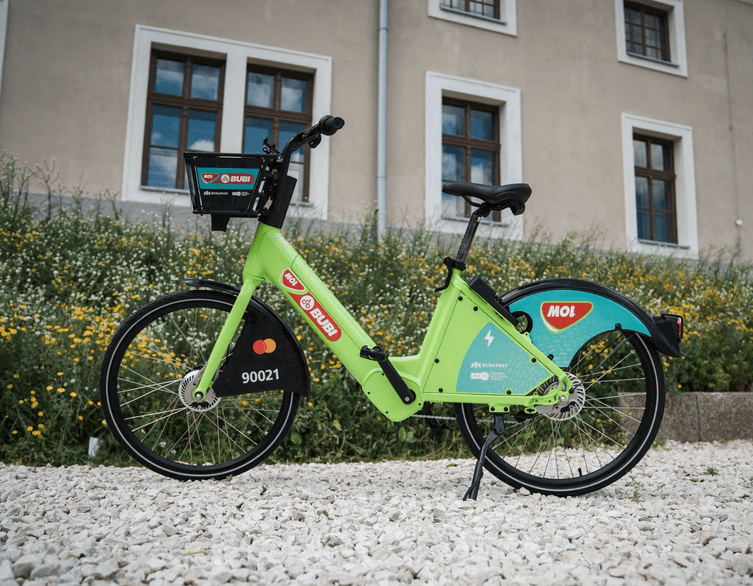
MOL Bubi 3.0 Is Finally Here!
If you’re planning a trip to Budapest, there’s a good chance you’ve already spotted those unmistakable green bicycles gliding past...
Meet Manfred: Budapest’s New Bike-Sharing Service Filling the Gap Left by Bubi
If you’ve been planning a trip to Budapest and were counting on hopping on a city bike to explore the Hungarian capital, you might have noticed...