A City on the Front Line: Explore Ottoman-Era Budapest at Buda Castle
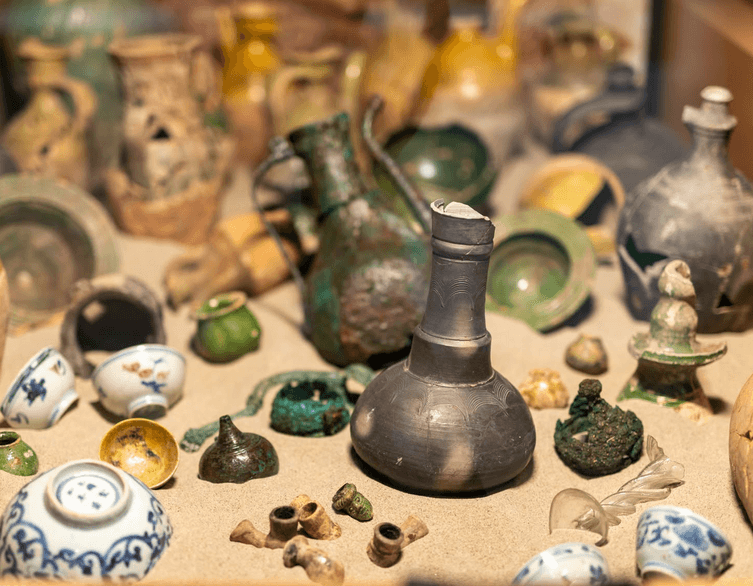
What was life like in a city where busy markets, Ottoman bathhouses and religious communities existed alongside the constant threat of war? A City on the Front Line – Buda and Pest under Ottoman Rule, 1526–1686 at the Budapest History Museum’s Castle Museum explores this complex chapter of the capital’s past.
Open from October 15, 2026, to April 18, 2027, the exhibition brings together archaeological discoveries, historic objects and visual displays to reveal how Ottoman presence transformed Buda and Pest. For visitors exploring Buda Castle, it offers a chance to discover the lives and cultures that once flourished behind its defensive walls.
Essential Exhibition Information
- Exhibition: A City on the Front Line – Buda and Pest under Ottoman Rule, 1526–1686
- Dates: October 15, 2026 – April 18, 2027
- Venue: Budapest History Museum, Castle Museum, Buda Castle Royal Palace, Building E
- Address: 2 St George’s Square, Budapest 1014
- General opening hours: Monday to Sunday, 10 am–6 pm
- Last admission and ticket office closing: 5:30 pm
- Curators: Dr Adrienn Papp, archaeologist and museologist, and Balázs Sudár, historian and museologist
- Exhibition designer: Lajos Czeglédi
- Please note: Holiday opening hours and exceptional closures may differ.
A Royal City Becomes a Frontier Stronghold
The exhibition marks the 500th anniversary of the Battle of Mohács and the first Ottoman occupation of Buda in 1526. Following their victory at Mohács, Sultan Suleiman I’s forces occupied and set fire to the city, removed valuable objects and works of art, and forcibly relocated a significant proportion of its Jewish population to the interior of the Ottoman Empire.
Although the sultan and his troops withdrew a few weeks later, Buda’s circumstances had fundamentally changed. The former royal centre became a key battleground in the struggle between the Habsburg and Ottoman empires.
Defending the city became increasingly important. In the late 1520s, King John Szapolyai began modernising Buda’s fortifications, primarily to resist Habsburg attacks. Parts of those defences still shape the appearance of Buda Castle today.
The exhibition’s starting date does not mark the beginning of uninterrupted Ottoman rule. That came in 1541, when Buda fell under lasting Ottoman control, beginning a new era that continued until its recapture in 1686.
A New Urban Culture Behind the Old Walls
Ottoman-era Buda was more than a military outpost. Its new inhabitants established institutions, buildings and communal spaces that reflected their everyday needs and their intention to stay.
Mosques, mausoleums, bathhouses, Islamic schools and inns for travelling merchants became part of the cityscape. Buda’s architecture also drew on the expertise of the imperial architectural workshop associated with Mimar Sinan, one of the Ottoman Empire’s most celebrated architects.
Scholars and writers worked in the city, while Gül Baba became one of the best-known figures associated with its religious life. Together, these communities helped create a distinctive urban culture within the walls of the former Hungarian royal capital.
Best deals of Budapest











Where Diplomacy and Trade Crossed the Front Line
Buda’s position between the Habsburg and Ottoman worlds made it an important diplomatic centre as well as a strategic stronghold. Relations with the Habsburgs were managed from the city, while merchants maintained connections that reached well beyond the surrounding conflict.
Its markets brought together goods from the Kingdom of Hungary, towns under Ottoman control, other parts of Europe, the Balkans and Istanbul. Archaeological discoveries include objects originating in China and Vietnam, revealing how far-reaching these trading networks could be.
This is one of the exhibition’s most intriguing contrasts: a city repeatedly threatened by warfare was also a place where goods, ideas and cultural influences met.
Archaeological Discoveries Reveal Everyday Life
The exhibition draws primarily on the Budapest History Museum’s archaeological collections, much of which has never previously been exhibited. Additional museum objects help reconstruct the everyday lives, culture and connections of the people who inhabited Ottoman-era Buda.
Household pottery, decorative tiles, weapons and other discoveries turn a distant historical period into something more tangible. Finds from the former palace of Buda’s Ottoman governors, uncovered during the renovation of the Carmelite Monastery, offer a particularly intriguing glimpse into the city’s ruling elite.
The displays also confront the violence of life on the frontier, including through human remains bearing battle injuries. Alongside the objects, visual installations help visitors imagine the city’s former appearance and the routines of its inhabitants.
The Dramatic End of Ottoman Buda
The final part of the exhibition turns to the siege of 1686, when Christian forces recaptured Buda. One of its standout displays animates Giovanni Domenico Fontana’s detailed siege engraving, bringing marching soldiers, firing cannons and horses into motion.
The military victory came at an enormous cost. Few buildings remained intact, and the urban society that had developed since the Middle Ages, continuing through the Ottoman period, disintegrated. New inhabitants arrived in the following decades, and Buda entered a different chapter of its history.
For visitors, this gives the exhibition a perspective that goes beyond battles and changing rulers. A City on the Front Line reveals a place where people traded, studied, worshipped and built their lives amid conflict—and asks what survived that world’s destruction and what disappeared forever.
Related attractions
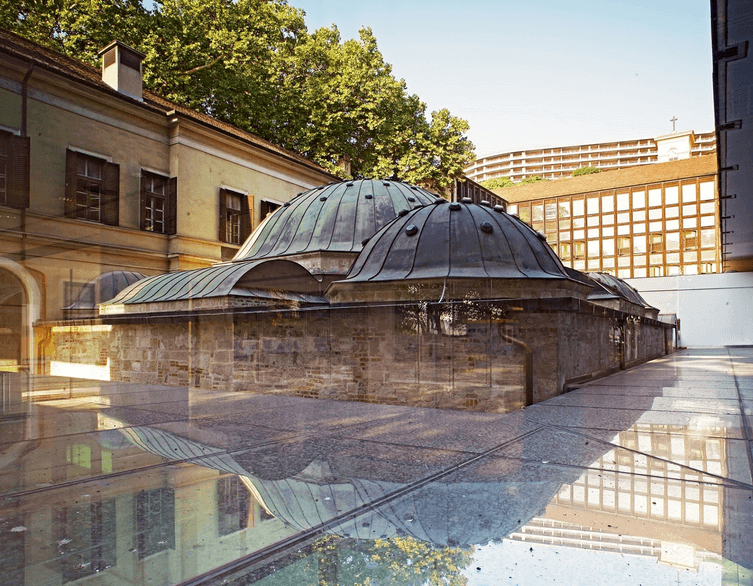
The Veli Bej Turkish Baths: Budapest’s Hidden Ottoman Jewel
Step into a world where history meets healing, where Ottoman elegance flows alongside thermal springs, and where centuries-old traditions offer modern...
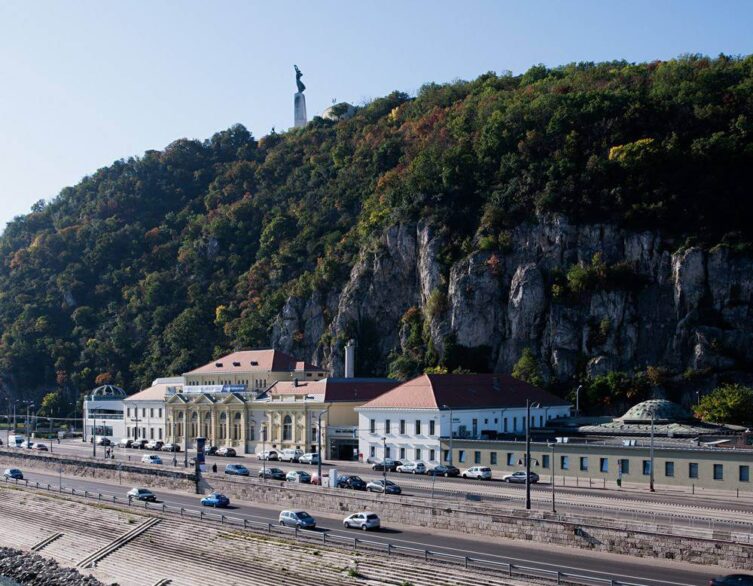
Rudas Bath: A Historic Thermal Oasis in the Heart of Budapest
The Rudas Bath, located at the foot of Gellért Hill in Budapest, is one of the city’s most iconic and historic thermal baths. With a history...
Related news
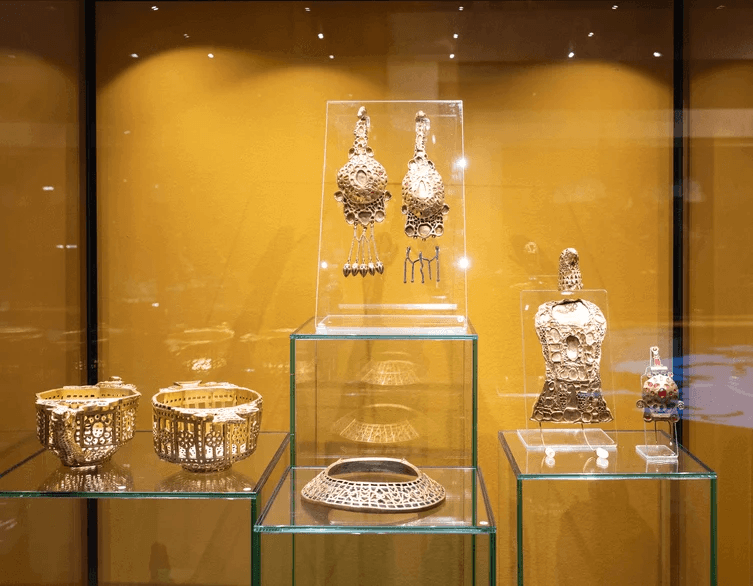
Hungarian National Museum’s Attila Exhibition Wins Exhibition of the Year 2026
What makes a ruler remembered for more than 1,600 years feel relevant today? At the Hungarian National Museum in Budapest, the answer involved bringing...
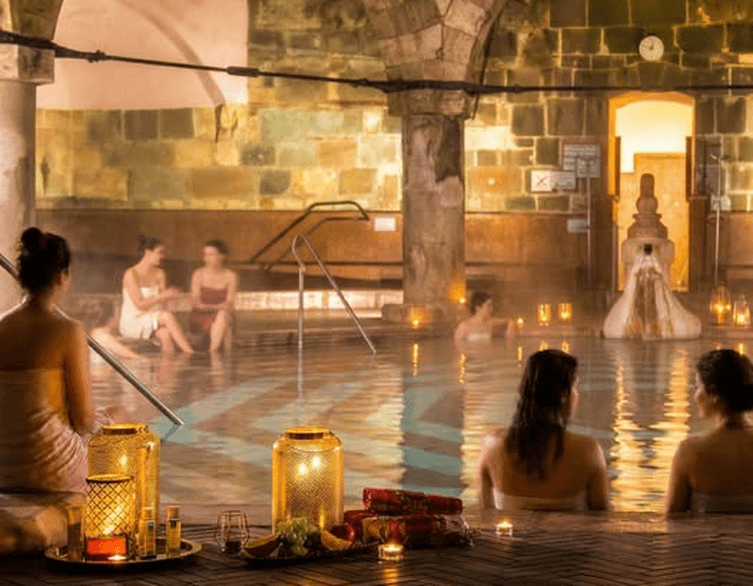
Budapest’s Historic Bathing Tradition at Rudas Gains National Heritage Recognition
There’s more to Budapest’s thermal baths than beautiful pools and a relaxing soak. At Rudas Thermal Bath, a centuries-old ritual is still part...
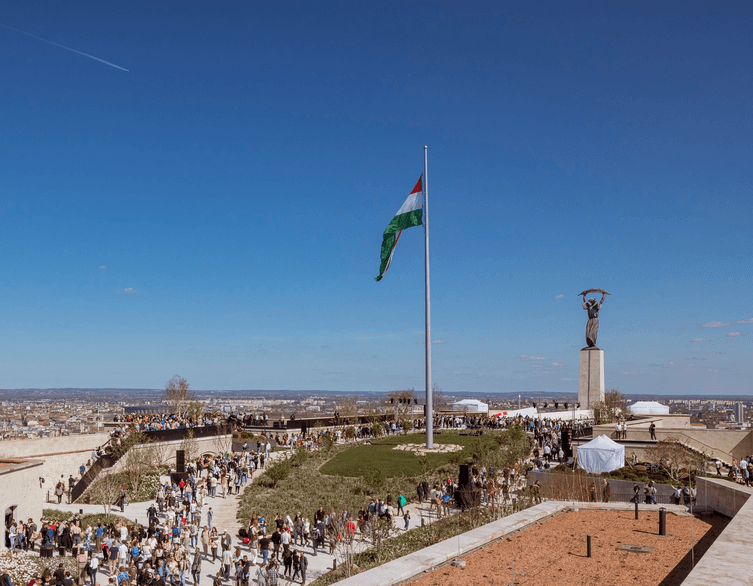
Budapest’s Citadella Is Back — and It’s Better Than Ever
If you’ve ever looked up at Gellért Hill while crossing one of Budapest’s famous bridges and wondered about that striking fortress crowning...
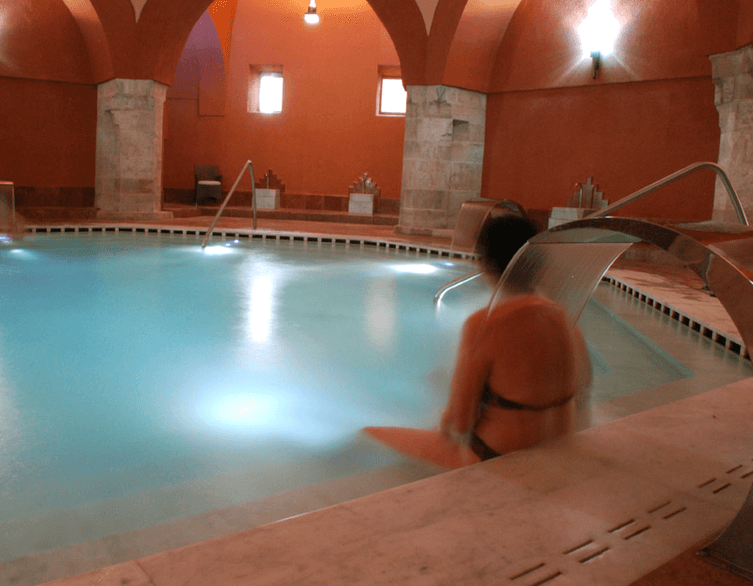
Budapest’s Hidden Thermal Gem: Discovering the Historic Veli Bej Bath
Veli Bej Bath Reopens September 5th After Summer Maintenance Great news for thermal bath enthusiasts visiting Budapest in early September! Veli Bej...

The thermal waters of Hungary – Where the Turks bathed and paprika bloomed
Hungary is world-famous for its thermal waters and healing spas, but did you know that this fame goes way back to the 13th century? The country had...