Józsefváros Is Cracking Down on Airbnb: What Tourists Need to Know Before They Book
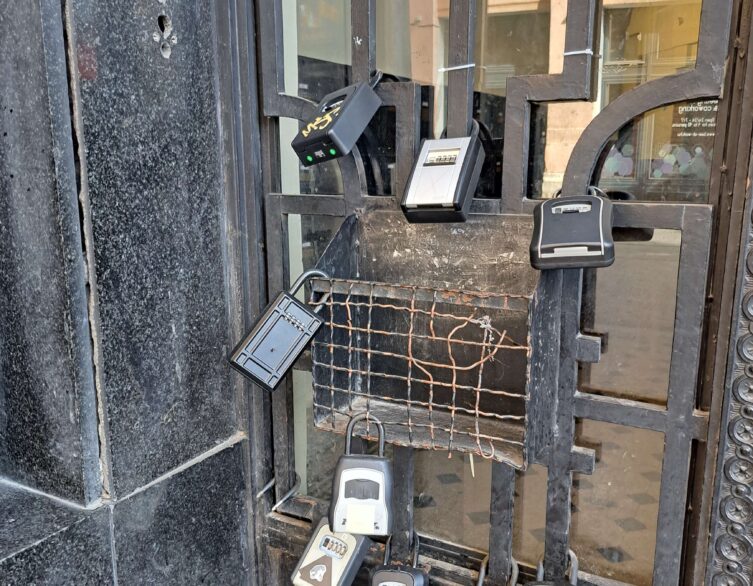
If you’re planning a trip to Budapest and considering an Airbnb, there’s some news worth knowing about. The Hungarian capital is quietly becoming one of Europe’s more active battlegrounds over short-term rentals, and two of its most popular neighbourhoods for visitors are now at the centre of a significant policy shift.
What Just Happened in Józsefváros
On June 25, the local council of Budapest’s 8th district — known as Józsefváros, or Joseph Town — approved a new regulatory framework for short-term rentals like Airbnb. The rules haven’t kicked in yet, but the framework is clear: the district intends to cap the proportion of apartments used for short-term letting at multiple levels simultaneously, and the final regulation is expected to be formally adopted in October, coming into force on January 1, 2027.
At the district-wide level, the cap will be set at 3.5% of all residential floor space — which effectively means no net increase from the current number of short-term rentals. New listings will only be permitted if the overall quota hasn’t been reached. In the Palace Quarter and Corvin Quarter, two of the district’s most characterful and tourist-frequented neighbourhoods, a neighbourhood-level cap of 5% will apply — notably, both areas currently exceed this figure, at around 8% and 7% respectively, meaning the new rules will gradually squeeze supply in these spots.
Best deals of Budapest










At the building level, no more than 20% of a residential building’s total floor area can be used for short-term lets — and crucially, any new Airbnb listing will require explicit consent from the building’s residents’ association. If an existing rental causes problems for neighbours, the residents’ association can vote to withdraw consent and notify the district, which would then be able to force the listing to close.
One small but telling detail from the new rules: the operator’s contact information will have to be displayed on the apartment door. It’s a minor thing, but it signals a shift towards accountability that has been largely absent from the short-term rental market until now.
Terézváros Already Went Further — Much Further
Józsefváros is actually following in the footsteps of a neighbouring district that took a far more dramatic step. Terézváros — the 6th district, home to the iconic party street Liszt Ferenc Square and much of Budapest’s nightlife corridor — became the first district in Hungary to ban Airbnb outright. Following a local referendum in which residents voted in favour of a ban, the district set the number of permitted short-term rental days at zero, effective January 1, 2026.
The decision was not without controversy. A hundred Airbnb operators wrote an open letter to district mayor Tamás Soproni, who responded that the right to housing, a home, and peace of mind takes precedence over financial interests. The government’s regional office challenged the ban in court, but Hungary’s Supreme Court ultimately ruled that the regulation was lawful. The ban stands.
Interestingly, property prices in Terézváros began to decline after the referendum result — a data point that will no doubt feature in future debates about housing and tourism across the city.
Why This Matters for Visitors
Budapest has long been one of Central Europe’s most popular short-term rental markets. Its historic apartment buildings, relatively affordable prices, and central location made it a natural fit for platforms like Airbnb, and the city’s tourism boom over the past decade turbocharged demand. But that same popularity has created real tension with residents, particularly in the inner districts, where housing costs have risen sharply and the character of neighbourhoods has shifted.
The regulatory wave now moving through Budapest mirrors what has happened in cities like Amsterdam, Barcelona, and Lisbon — places that discovered, sometimes painfully, that unchecked short-term rental growth has a direct cost for the people who actually live there year-round.
For tourists, the practical implications are worth keeping in mind. If you’re booking an Airbnb in Terézváros, you should know that those listings are technically operating in breach of district rules — worth factoring into your decision. In Józsefváros, existing listings remain valid for now, but the regulatory environment is tightening, and the situation will look quite different by early 2027.
What Are Your Alternatives?
Budapest has no shortage of excellent accommodation options beyond Airbnb. The city’s hotel scene spans everything from grand historic properties along the Danube to stylish boutique hotels in the Jewish Quarter and beyond. The 7th district — Erzsébetváros — remains one of the most vibrant and centrally located bases for exploring the city, with excellent transport links and the ruin bar scene right on your doorstep.
Whatever you book, it’s worth doing a quick check before confirming. The short-term rental landscape in Budapest is shifting faster than most booking platforms currently reflect, and staying informed means fewer surprises when you arrive.
Related news
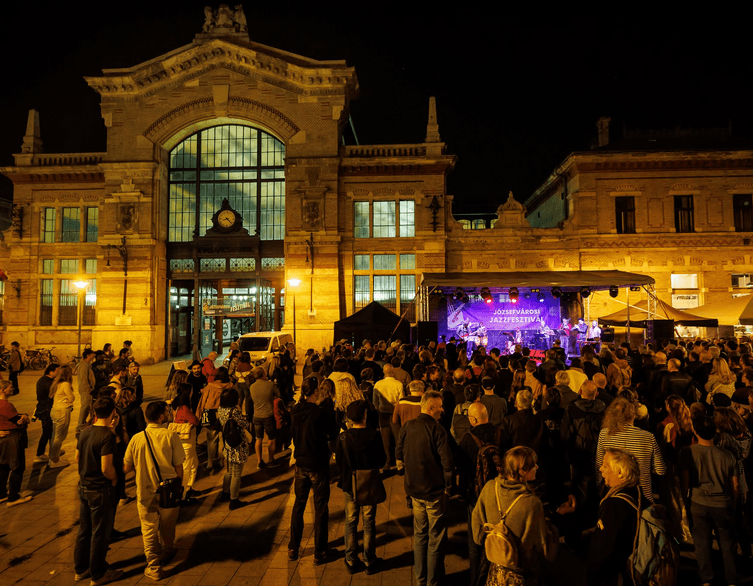
Rákóczi Tér Named One of the World’s Coolest Neighbourhoods for 2026
Budapest just earned a fresh badge of honor on the global travel map. Time Out’s closely watched annual ranking of the world’s coolest...
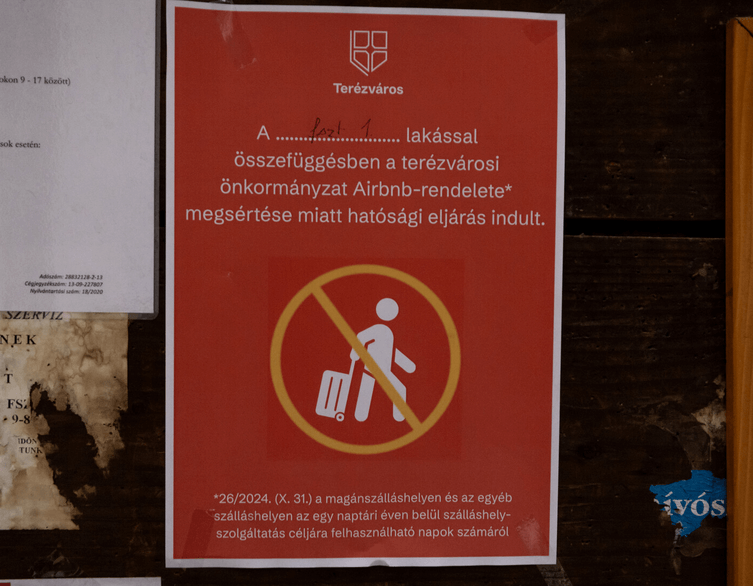
Terézváros’ Airbnb Ban One Year On: Lower Rents and What It Means for Your Budapest Stay
If you’ve been apartment hunting for your Budapest trip and noticed that the elegant streets around Andrássy Avenue have far fewer short-term...

Budapest’s Airbnb Rules Are Changing Fast: What Tourists Need to Know About the New EU Housing Law
If you’re planning a trip to Budapest and hoping to book a short-term apartment rental, there’s important news you should factor into...
Budapest’s Airbnb Rules Are Shifting: What It Means for Your Next Stay
If you’re planning a trip to Budapest and eyeing a cozy apartment rental instead of a hotel, there’s a quiet but important shift happening...
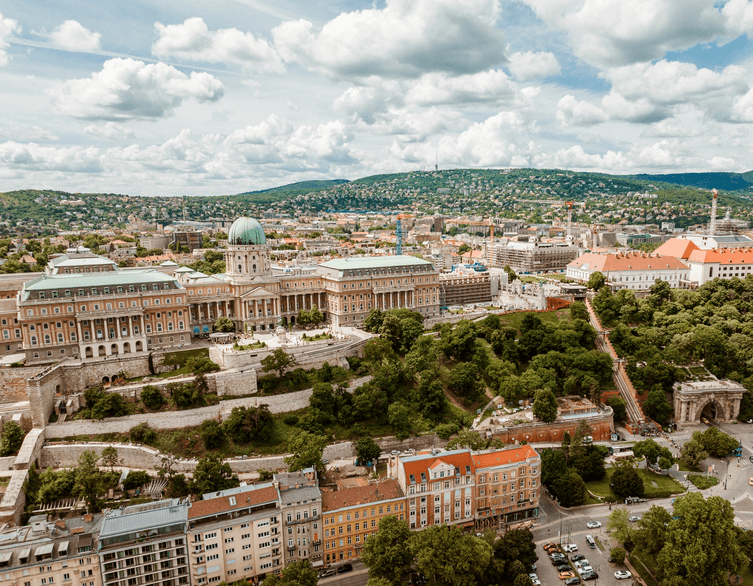
Buda Castle District Puts Airbnb’s Future to a Public Vote — What It Means for Your Budapest Trip
If you’re dreaming of waking up in a cozy apartment just steps from Buda Castle, Fisherman’s Bastion, or Matthias Church, pay close attention:...
Airbnb in Budapest: What Terézváros’ 2026 Ban Means for Tourists
Budapest’s vibrant inner districts have long been a favorite among travelers, offering historic streets, lively nightlife, and easy access to iconic...
Budapest’s 8th District Is Putting the Brakes on Airbnb
If you’ve ever booked a cozy apartment in Budapest through Airbnb or Booking.com, you’ve probably stayed in one of the city’s inner...
How Budapest’s Airbnb Rules Are Changing – What Tourists Need To Know
Budapest is famous for its romantic riverside views, ruin bars and grand cafés – but for many visitors, short‑term rentals like Airbnb have...
Related events