International Day Against Drug Abuse: What Every Visitor to Budapest Should Know About Hungary’s Drug Laws
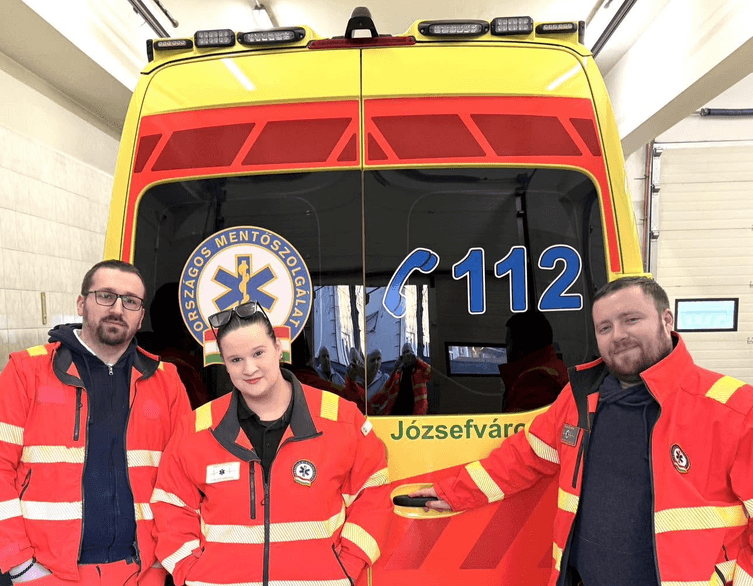
Today, June 26, marks the United Nations International Day Against Drug Abuse and Illicit Trafficking — a global awareness day established by the UN General Assembly in 1987 to highlight the serious health and social consequences of drug use, and to promote prevention, early intervention, and treatment. This year’s theme, “Drugs Today: Existing Problems, New Challenges and Innovative Responses,” reflects a rapidly shifting landscape in which new psychoactive substances are appearing faster than ever, synthetic drug markets are expanding, and modern technology is making illicit substances more accessible worldwide.
It’s a day worth pausing on — and if you’re visiting Budapest, it’s also a timely moment to be clear about what Hungarian law says on the subject.
The Scale of the Problem Globally
The numbers are sobering. According to the latest World Drug Report, approximately 316 million people worldwide used some form of illicit drug in 2023. The European Drug Report 2026, published by the EU Drugs Agency, paints a similarly concerning picture closer to home: 31.3% of Europeans aged 15 to 64 have tried cannabis at least once, and 6.3% have tried cocaine. Experts are particularly alarmed by the rapid spread of new psychoactive substances — so-called designer drugs — whose health effects are often poorly understood even by medical professionals, let alone the people taking them.
Dr. Gábor Zacher, one of Hungary’s most prominent emergency medicine specialists, puts it plainly: there is no way to know what is actually in a pill just by looking at it. The colour, the logo stamped on it, the shape — none of it tells you anything meaningful about the active ingredients, how many there are, or what dose you’re actually taking. With over 1,600 different substances currently circulating on illicit markets, the uncertainty is enormous. As Dr. Zacher puts it: the only way to guarantee that a substance won’t change you is not to take it.
What the Law Says in Hungary — and Why It Matters for Tourists
Hungary takes a strict approach to drug offences, and visitors should be in absolutely no doubt about this before they arrive. Possession, use, production, and trafficking of illegal substances are all criminal offences under Hungarian law. Even possession of a small amount for personal use can result in criminal prosecution, and while the courts do have some discretion in cases involving first-time offenders who agree to enter treatment, there is no guarantee of leniency — and being a foreign national will not protect you.
Crucially, Hungary’s list of controlled substances includes many of the synthetic and designer drugs that may be sold openly or semi-openly in other countries. Just because something is marketed as a “legal high” or sold in a shop in another European country does not mean it is legal in Hungary. Border control authorities are alert to this, and being caught bringing substances into the country — even quantities that might seem trivial — can have serious consequences, including detention, fines, and in more serious cases, imprisonment.
If you are arrested on drug-related charges in Hungary, you have the right to contact your country’s embassy or consulate, and you should do so immediately. Legal proceedings in Hungary are conducted in Hungarian, so you will need an interpreter and ideally a lawyer familiar with Hungarian criminal law.
Best deals of Budapest











The Hidden Danger of Unknown Substances
Beyond the legal risk, there is the straightforward question of physical safety. Budapest has a vibrant nightlife scene, and like any major European city, illicit substances circulate in clubs, at festivals, and at private events. The temptation to experiment can feel lower-stakes on holiday than at home — but the risk is, if anything, higher. You are in an unfamiliar environment, potentially far from people who know you, and without easy access to your regular support networks.
The specific danger highlighted by Hungarian emergency services this year is the complete unpredictability of what street drugs actually contain. A tablet that looks identical to something you may have taken before could contain a completely different active substance, a far higher dose, or a dangerous adulterant like fentanyl, which is now found in drug supplies across Europe and is lethal in tiny quantities. There is no safe way to assess this visually. Hungarian ambulance crews and emergency room staff see the consequences of this reality on a regular basis — and, as Dr. Zacher notes with quiet gravity, there are cases where even the best emergency medicine cannot undo the damage.
Now, Hungary’s paramedics and emergency doctors are genuinely some of the most dedicated and skilled professionals you could ever hope to meet — but let’s be honest, the back of an ambulance is nobody’s idea of a great way to end a Budapest night out. The ruin bars, the thermal baths at midnight, a langos from a late-night stand — those are the Budapest memories worth taking home. A stretcher ride through the streets of the 7th district really isn’t.
A Wider Conversation About Dependency
Today’s awareness day also invites a broader reflection on addiction — one that goes beyond stereotypes. Research from Hungary and internationally highlights that dependency does not discriminate by profession, background, or education. A 2025 joint study by the Hungarian Medical Chamber, ELTE University, and the University of Szeged found that 8.9% of Hungarian doctors struggle with alcohol use disorder — roughly double the European average — driven by extreme workplace stress, chronic sleep deprivation, and long shifts. The study underscores that addiction is a health issue, not a moral failing, and that the people most at risk are often those least likely to seek help due to stigma and fear of professional consequences.
Experts consistently emphasise that stigma and discrimination make recovery harder, not easier — a principle that applies whether you’re a healthcare professional or a tourist who has found themselves in difficulty abroad.
If You Need Help
If you or someone you’re travelling with experiences a medical emergency in Budapest, call 112 immediately — it’s the single emergency number for ambulance, police, and fire services, and operators speak English. Hungarian emergency medicine is well-equipped and professional, and getting help quickly is always the right call. You will not be judged for making that call.
For information and support on substance use while in Hungary, the National Centre for Public Health and Pharmaceuticals (NNGYK) operates public health resources, and your embassy can help connect you with appropriate services if needed.
Budapest is a wonderful city with an extraordinary amount to offer — its thermal baths, ruin bars, world-class museums, and riverfront architecture make it one of Europe’s most rewarding destinations. Enjoy it fully, stay safe, and look out for the people you’re travelling with.
Related news
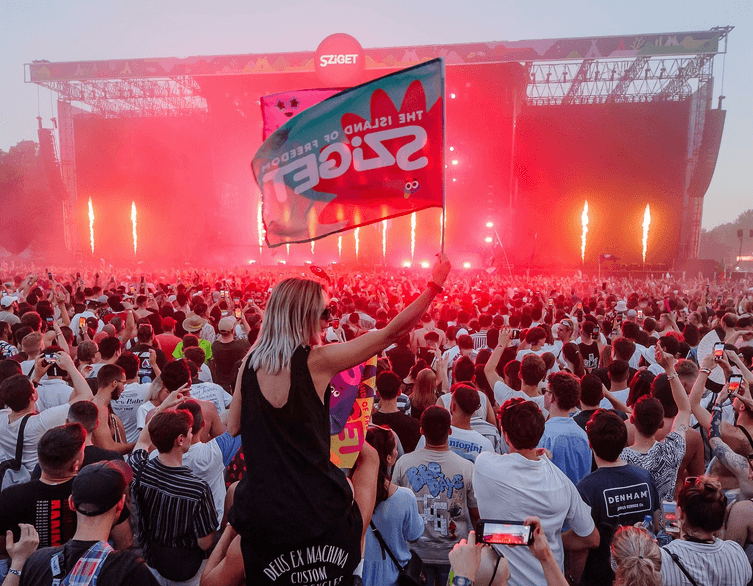
Festival Safety in Hungary: A Chill Guide for Tourists Before You Party
Hungary basically runs on festivals — the country has one of the highest numbers of them per capita anywhere in the world. So if you’re heading...
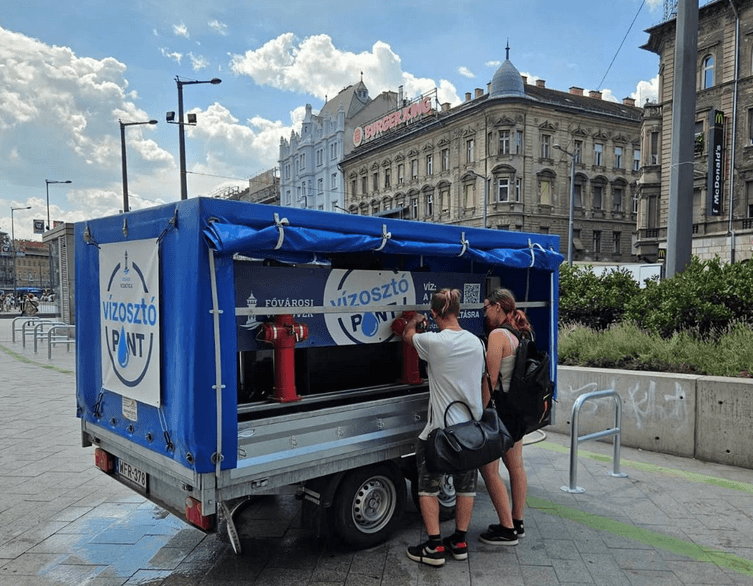
UPDATE! – Budapest Heatwave Warning: What Tourists Need to Know This Weekend (June 27–30, 2026)
If you’re planning to explore Budapest this weekend, there’s one thing that should be at the top of your packing list — and it’s...