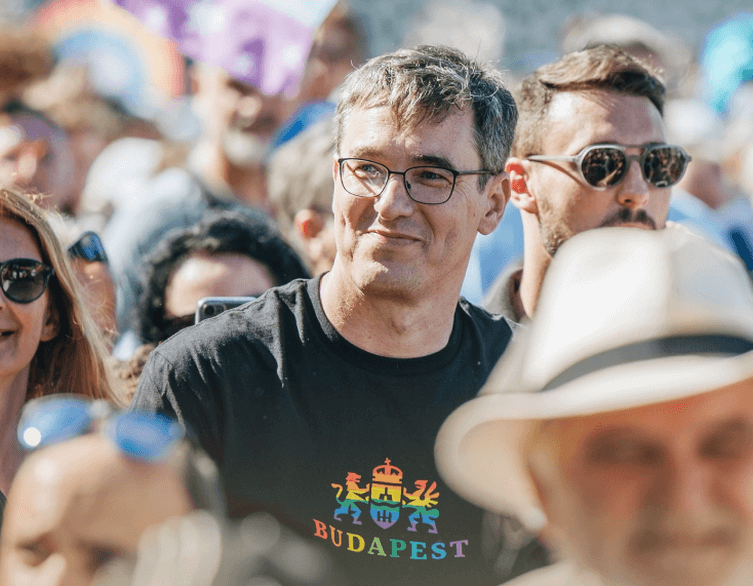
Budapest Pride 2026: 50,000 March in a Historic and Joyful Comeback
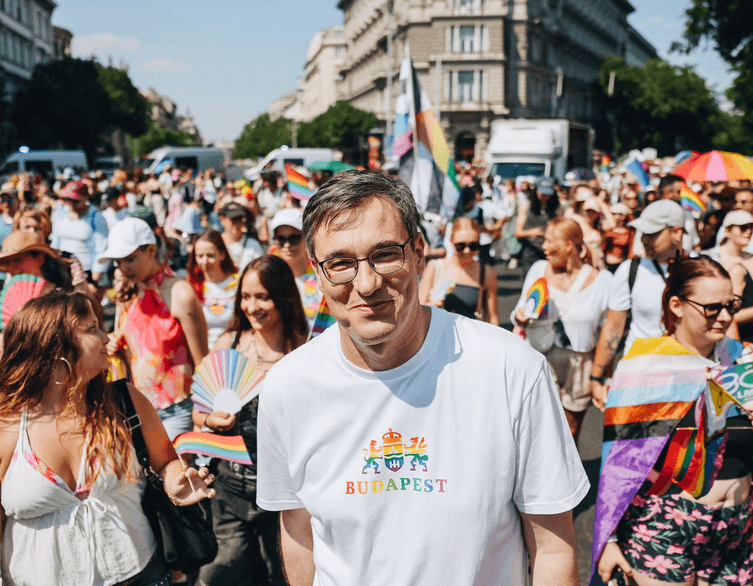
A City Reclaims Its Rainbow
Budapest had a lot to celebrate this weekend. On Saturday, June 27, tens of thousands of people flooded the streets of the Hungarian capital for the 31st Budapest Pride — and after years of political turbulence, controversy, and even an outright government ban, this year’s march felt like something more than a parade. It felt like a turning point.
Organizers estimate that around 50,000 people took part in this year’s procession, making it the largest Pride since before the government ban era — and at least 15,000 more participants than in the pre-ban years. If you happened to be in Budapest this weekend, you were witnessing a piece of history.
From the Opera House to Blood Meadow
The route itself was carefully chosen, not just for symbolic reasons but for practical ones too. Budapest was in the grip of a serious heatwave, with temperatures soaring well into the danger zone, so organizers routed the march through shaded streets to keep participants as cool as possible. The Budapest Waterworks set up emergency drinking fountains along the way, and participants were repeatedly reminded to stay hydrated, protect themselves from the sun, and know their limits. Those who were particularly vulnerable were encouraged to follow the events from home via livestream.
Best deals of Budapest








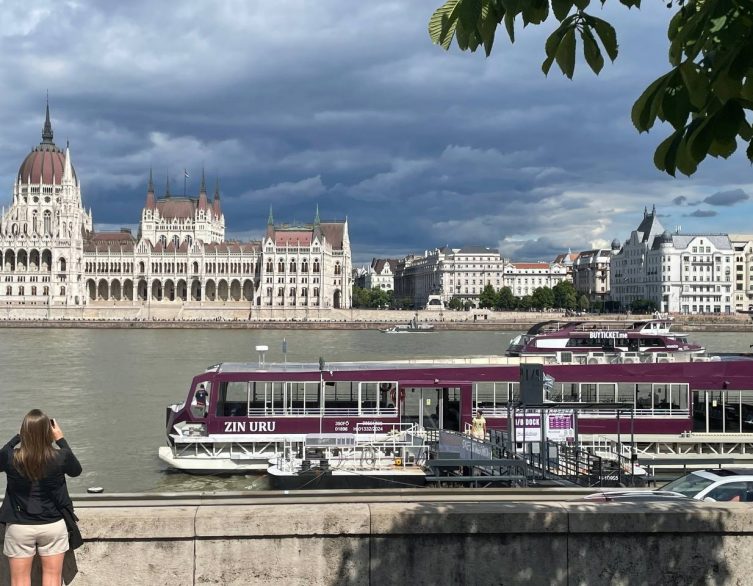
The march set off from the area of the Hungarian State Opera House on Andrássy Avenue — one of the city’s grandest boulevards and a UNESCO World Heritage stretch — and wound its way through Bajcsy-Zsilinszky Street toward Deák Ferenc Square, then across the Elizabeth Bridge over the Danube. The final destination was Vérmező, or Blood Meadow, a large green park in Buda, just below the Castle District. It’s a fitting and beautiful endpoint: open, airy, and steeped in Budapest’s layered history.
A March Backed by Dozens of Nations
This was no small local affair. A total of 35 embassies supported the march, underscoring the international significance of Budapest Pride in 2026. The procession featured 19 vehicles and participation from 40 civil organizations, community groups, and supporting companies. Organizers say the march was officially started by Pride organizer Filó Manyi.
At the Vérmező festival grounds, speeches were delivered by several prominent figures, including Budapest’s Lord Mayor, Gergely Karácsony, who spoke about freedom, love, and building a country where no one has to choose between their homeland and their true self. Another memorable moment came from Szabolcs Sammy Annus, an activist from the Partiscum Association in Szeged, who announced that Hungary’s southern city will hold its very first Pride next spring — a sign that the momentum is spreading beyond the capital.
The outdoor program wrapped up at 8 PM, and the celebrations moved on to Budapest Park, one of the city’s most beloved outdoor concert venues, for a Rainbow Party to close out the night.
The Political Backdrop You Should Know
To truly appreciate why this year’s Budapest Pride felt so charged with emotion, a little context goes a long way. In 2025, the then-ruling Fidesz government under Viktor Orbán banned the march outright — a decision that drew sharp international condemnation. Defying the ban, an estimated 350,000 people took to the streets anyway, making it the largest Pride in Hungarian history and one of the most powerful demonstrations the country had ever seen.
Then came April 2026, when Fidesz lost the national elections. The new government, led by the opposition Tisza party, cleared the way for this year’s march without obstruction. Karácsony, in a moment of dry Budapest humor at his speech, quipped that Orbán had actually done a great deal for Pride last year — referring to how the ban inadvertently mobilized hundreds of thousands of people.
There were minor disruptions along the route. Members of the far-right group Hatvannégy Vármegye Ifjúsági Mozgalom (HVIM) gathered near the Saint Gellért statue under the Elizabeth Bridge, displaying a homophobic banner as the march crossed the Danube. But the procession continued unimpeded, and the mood of the crowd remained defiant and celebratory.
Why Budapest Pride Is Worth Experiencing as a Visitor
For travelers in Budapest, Pride weekend offers a unique window into the city’s soul. Budapest has long been a city of contradictions — imperial grandeur and bohemian grit, conservative politics and a thriving liberal urban culture — and nowhere is that tension more visible, or more vibrantly resolved, than during Pride.
The route takes you through some of the most spectacular streets in Central Europe: Andrássy Avenue with its elegant fin-de-siècle architecture, the sweeping panorama from the Elizabeth Bridge, and the lush green expanse of Vérmező beneath the Buda Hills. Even if you stumble upon the event by chance, it’s worth following the crowd.
Budapest Pride typically takes place in late June. If you’re planning a visit next year, keep an eye on the official Budapest Pride website and social media channels for announcements — and if the Szeged Pride announced this year comes to fruition next spring, Hungary’s southern gem might be worth a detour too.
Related news