Hop On: The MOL Bubi Pilot is Here
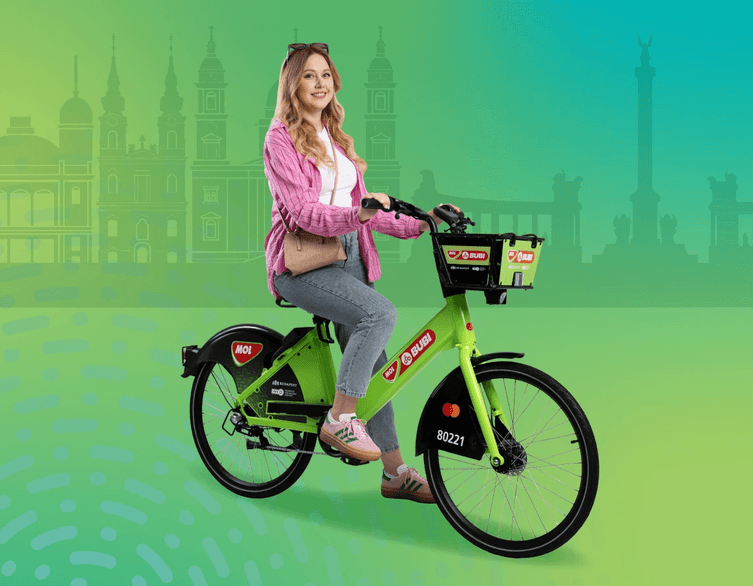
If you’re visiting Budapest this summer, you’re arriving at a genuinely exciting moment for the city’s public transport scene. The iconic green MOL Bubi bikes — Budapest’s beloved bike-sharing system — are getting a full third-generation overhaul, and the new fleet is already rolling out across the city. Whether you’re a first-time visitor keen to explore the riverbanks on two wheels or a returning traveller who’s used the old system before, the new MOL Bubi is shaping up to be one of the best ways to get around Budapest.
What’s Actually New
The upgrade is substantial. The new fleet will eventually grow to at least 3,300 bikes — and potentially up to 5,000 — made up of 2,500 classic pedal bikes and 800 electric-assist models. That last category is the real headline: the electric Bubis provide motor assistance up to 25 km/h, making Budapest’s hillier neighbourhoods far more accessible than before. Early testers have noted that the 32-kilogram e-bikes handle inclines with ease, and BKK (Budapest’s Centre for Transport) has already refined the ride feel based on feedback from the initial closed pilot.
The bikes themselves have had a thoughtful redesign too. They come with a unisex, low step-through frame for easy mounting, puncture-resistant tyres, a 10-kilogram-capacity front basket, and an upgraded smart lock with more precise GPS tracking. That last feature matters more than it might seem — it’s what powers the new GPS-based docking zones, which are gradually replacing the old fixed docking stations. From September onwards, around 500 new drop-off locations called Mobi Points will be added to the network, meaning you’ll have far more flexibility about where you end your ride. If you try to end a trip outside a designated zone, the app will let you know before you lock up.
A Smarter App Experience
The MOL Bubi app is being updated alongside the bikes. One of the most useful new features is a 10-minute reservation option: spot the bike you want, reserve it, and it’s yours while you walk over — no more rushing to beat someone else to it. Cancelling a reservation is free. Once you finish a ride, the app shows you a neat summary including duration, distance covered, estimated calories burned, and your approximate CO₂ savings compared to driving. It’s a small touch, but it makes cycling feel even more rewarding.
iPhone users can simply update their existing MOL Bubi app to access the new system, while Android users will need to download a fresh version.
Best deals of Budapest











When Can You Try It — and How Much Does It Cost?
The rollout is happening in phases. A closed pilot began on June 18, with invited testers riding under real conditions so BKK can fine-tune the system. The next stage opens on July 2, when a wider group of users can try the service for free. If you’re already holding a valid BudapestGO pass (the city’s integrated transport app), you’ll be eligible to register for the free test period — registration is open until Monday, June 29 at 10:00 AM via BKK’s website, and spots are limited to the first 5,000 applicants, so it’s worth moving quickly. Former MOL Bubi subscribers who held annual or semi-annual passes in 2024 or 2025 are also eligible.
The full public launch is expected in the second half of July 2026, after a brief technical transition period of a few days. Once live for everyone, the pricing will work as follows. A monthly pass for the classic bikes is expected to cost around 2,500 HUF (roughly €6.50), while the electric version will run about 3,500 HUF per month (around €9). Annual passes come in at approximately 21,250 HUF for classic bikes and 29,750 HUF for electric. If you prefer to pay as you go, the per-minute rate is 60 HUF for both types, though the electric bikes also carry an additional 250 HUF unlock fee per trip on top of that. BudapestGO pass holders will receive a discount on classic bike subscriptions.
How to Use MOL Bubi as a Tourist
For visitors, the bike-share system is one of the most enjoyable ways to see Budapest at your own pace. The network currently operates from 215 docking stations, expanding further over the coming months. The BudapestGO app is your central hub: it shows you available bikes nearby, lets you unlock them, and handles payment all in one place — so there’s no need to juggle multiple apps.
The classic bikes are perfectly suited to cruising the flat riverside paths along the Danube, cycling across Margaret Island, or exploring the grand boulevards of Pest. The electric-assist models open up routes that might otherwise feel daunting in summer heat, including the climbs up to Castle Hill or through the Buda hills. BKK’s data collection during the test period will also help the system learn which stations need more bikes at peak times, which should make availability more reliable by the time you arrive.
Whether you’re spending a long weekend or a full week in the city, Budapest’s new MOL Bubi is shaping up to be an even more compelling reason to leave the car behind and discover the Hungarian capital on two wheels.
Related news
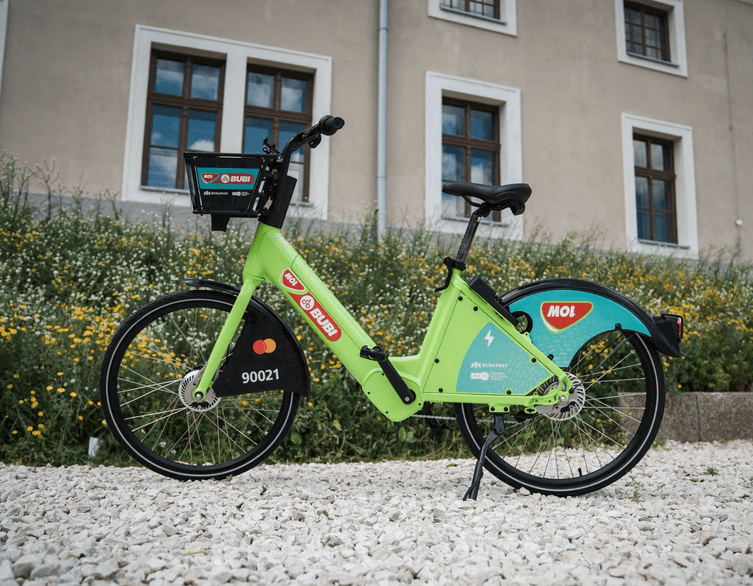
Budapest’s MOL Bubi Bikes Are Coming Back This Summer, Better Than Ever
Budapest’s beloved public bike system has been sitting quiet since it was taken offline this spring, but the wait is almost over, with the...
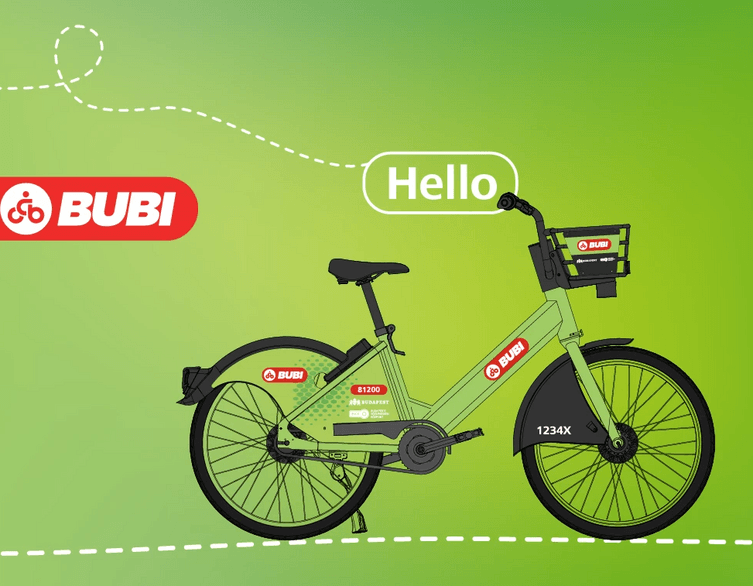
Budapest’s Beloved Bike-Share Is Getting a Major Upgrade: Meet the New Bubi 3.0
If you have ever spotted those cheerful green bicycles gliding through Budapest’s streets and thought about hopping on one, now is a very exciting...

More Than 20,000 Cyclists Rolled Through Budapest at I Bike Budapest 2026
Budapest showed a different side of itself this weekend, as more than 20,000 cyclists took part in the I Bike Budapest parade on Saturday to draw...
Meet Manfred: Budapest’s New Bike-Sharing Service Filling the Gap Left by Bubi
If you’ve been planning a trip to Budapest and were counting on hopping on a city bike to explore the Hungarian capital, you might have noticed...