Budapest Taxi Fares Are Going Up in August — Here’s What Visitors Need to Know
The First Price Change in Over Three Years
If you’re planning to visit Budapest this summer or autumn, there’s one practical update worth keeping in mind before you hop in a cab: taxi fares in the Hungarian capital are going up from August 1, 2026. The Budapest Metropolitan Assembly voted to approve an 18 percent fare increase — the first change to the city’s regulated taxi tariffs since March 2023. For tourists, the new rates are still very reasonable by Western European standards, but it’s always good to know what to expect before you travel.
What the New Fares Actually Look Like
The changes affect every part of the fare structure. The base fare — the amount that appears on the meter the moment you get in — rises from 1,100 to 1,300 forints. The per-kilometre rate goes up from 440 to 520 forints, and the per-minute waiting and slow-traffic rate increases from 110 to 130 forints. To put that in practical terms, a typical five-kilometre ride across the city centre will cost around 4,290 forints from August onwards, compared to 3,630 forints today. At current exchange rates, that works out to roughly €11–12 for a short urban trip — still comfortably below what you’d pay for a comparable ride in Vienna, Berlin, or Copenhagen.
Two new surcharges are also being introduced alongside the general fare increase. Rides to and from Budapest Ferenc Liszt International Airport will carry an additional 800-forint airport supplement, and pre-booked rides will include an 800-forint convenience fee on top of the metered fare. If you’re arriving by air and planning to take a taxi from the airport into the city, factor this in when budgeting your transfer.
Why the Fares Are Going Up
Budapest’s taxi tariffs have been frozen at their 2023 levels for more than three years, while operating costs — fuel, insurance, vehicle maintenance, and general inflation — have climbed steadily throughout that period. Taxi industry associations, including the Taxi Interest Protection Organization and the Budapest Taxi Association, have been pushing for a fare revision for months, and last autumn drivers staged a full-day protest in the capital to make their case.
Best deals of Budapest











The road to the final vote was not entirely smooth. At the May 2026 Assembly session, a more aggressive 27 percent increase was put forward — one that would have pushed Budapest fares close to the levels seen in Vienna or Berlin — but it was rejected, with the majority of councillors abstaining rather than voting it down outright. Lord Mayor Gergely Karácsony subsequently put forward a more moderate proposal at 18 percent, which taxi organizations across the board agreed to support, and that version passed in late June with 19 votes in favour and 10 abstentions.
How Budapest Taxis Compare to Other Cities
Even with the August increase, Budapest remains an affordable city for taxi travel. A 2026 impact study prepared alongside the fare proposal noted that the cost of an average five-kilometre journey currently represents about 9 percent of the daily gross average wage in Budapest — and even after the increase, that figure stays well within the range considered normal in Hungary’s larger regional cities. For foreign visitors coming from Western or Northern Europe, Budapest taxis will continue to feel like good value, particularly given the quality of the city’s licensed cab services.
Tips for Taking a Taxi in Budapest
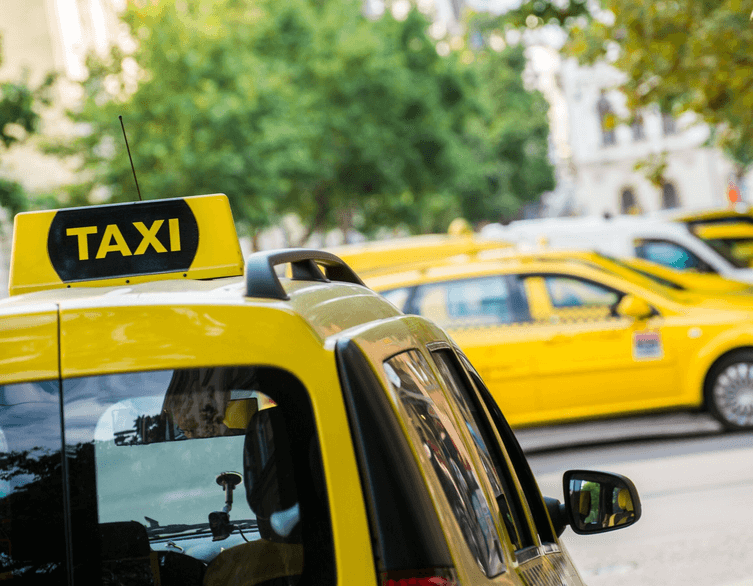
Licensed Budapest taxis are yellow and must display a clearly visible meter. Always make sure the driver starts the meter at the beginning of your journey, and check that the tariff displayed matches the current official rate. From August 1, the base fare should read 1,300 forints at the start of your ride.
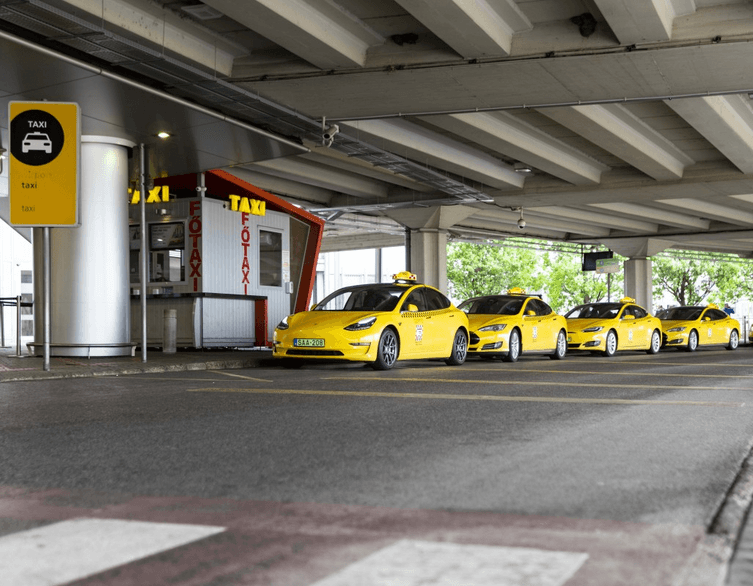
For airport transfers, it’s worth knowing that the official taxi rank at Budapest Ferenc Liszt International Airport operates on a fixed-zone pricing system, so ask your driver to confirm the total fare estimate before you set off. The new 800-forint airport supplement will apply on top of the metered fare for all airport-related journeys.
Ride-hailing apps are also widely used in Budapest alongside traditional taxis, so comparing options before you travel is always a sensible move. Either way, getting around Budapest by taxi remains one of the more straightforward and affordable ways to navigate the city — and from August, that’s still very much the case.
Related news
Budapest Airport Just Made Getting a Taxi More Complicated (Here’s What to Know)
If you’re flying into Budapest Liszt Ferenc International Airport this August, there’s a change worth knowing about before you land....
Budapest Cracks Down on Rogue Taxis to Protect Tourists and Fair Drivers
If you’ve ever worried about hopping into an unmarked “taxi” in a foreign city and getting overcharged, Budapest just made your...
Safer Taxi Travel in Budapest: Introducing the TaxiTrack App
Getting around Budapest is becoming safer and more transparent than ever. As of June 1, 2026, the city has introduced a new digital solution designed...
Budapest’s Taxi Scene Is Getting a Major Upgrade — Here’s What Tourists Need to Know
Budapest is a city that never stands still, and in 2026, that spirit of constant improvement is very much alive in its taxi infrastructure. The Budapest...
Budapest Cracks Down on Illegal Taxi Scams: Major Raid Targets Tourist-Focused Fraud
Budapest has taken decisive action against illegal taxi operations that specifically target unsuspecting tourists, with authorities conducting a...
Budapest’s Taxi “Hyenas” Are Getting Creative: New Scams Target Tourists (And Someone Actually Left Their Grandpa Behind!)
Well, well, well. Just when you thought Budapest’s taxi situation couldn’t get any more entertaining, the city’s notorious taxi...
Getting Around With Taxis Just Got Easier!
The city’s taxi companies are stepping up their game to cater to the growing number of international tourists visiting the Hungarian capital....