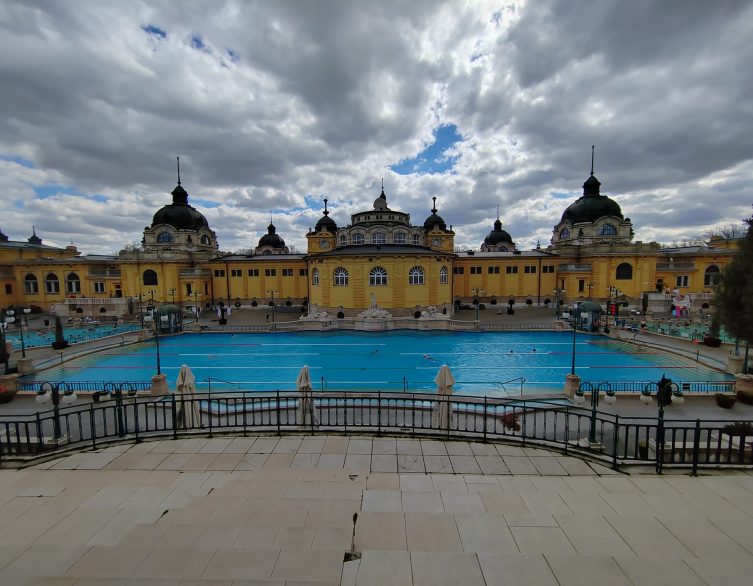
Budapest’s Famous Széchenyi Thermal Bath Is Getting a Major Makeover — Here’s What Tourists Need to Know
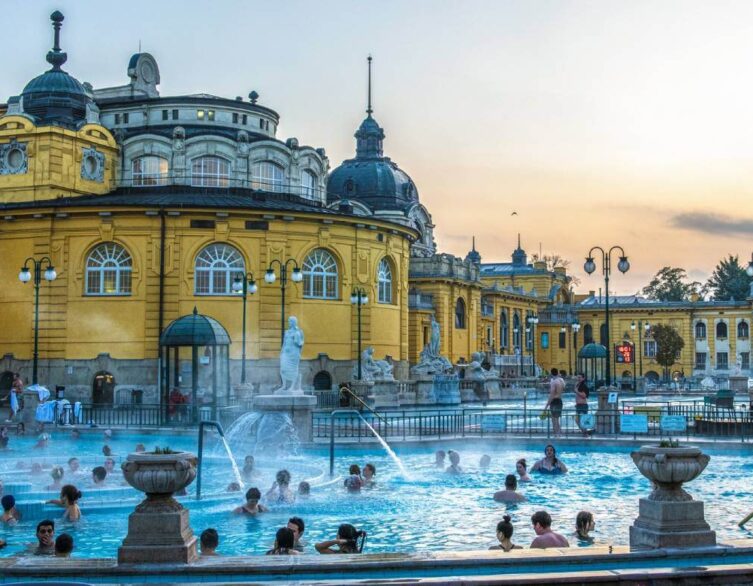
Few cities in the world can claim what Budapest does: a century-old thermal bath palace nestled inside a lush public park, where locals and visitors soak side by side in mineral-rich waters — sometimes while playing chess. The Széchenyi Thermal Bath has long been one of Europe’s most iconic spa experiences, and now it’s about to become an even better one.
A Landmark Reborn: What the Renovation Actually Means
Budapest’s Metropolitan Assembly gave the green light last Friday to a comprehensive renovation programme for Széchenyi Thermal Bath, authorising an open public procurement process that will see works worth over 3 billion Hungarian forints (approximately €7.5 million) kick off by the end of August 2026. That’s not pocket change — and it’s only the beginning.
Ildikó Szűts, CEO of Budapest Spas and Hot Springs (BGYH), confirmed at a press walkthrough that the first phase will focus on fully restoring and reconstructing the women’s thermal section, equipped with the most modern water treatment technology available. That phase alone is expected to take twelve months. But the scope of this first wave of work goes well beyond a single wing.
The grand entrance staircase of the swimming hall will be restored over three months, while the iconic decorative fountains in the inner courtyard will receive their own two-month restoration treatment. The ornamental stone staircases, surfaces, and plinths along the inner courtyard cabin rows are also scheduled for reconstruction this season. The changing rooms are set for a six-month overhaul, with a notable upgrade: they’ll be redesigned for co-ed use. Even the sun terrace is on the list, with waterproofing and resurfacing work planned to wrap up within three months.
Best deals of Budapest










Szűts was candid about the bigger picture: this 3-billion-forint investment is just the first chapter. In the years ahead, she said, significantly larger-scale work will be needed to restore the bath’s historic prestige and deliver “the four- or five-star experience a spa of this calibre should provide.”
Why This Matters: A Bath With a Big Reputation to Uphold
Opened on June 13, 1913, Széchenyi Thermal Bath — affectionately known as “Szecska” by locals — is the largest bath complex in Budapest and one of the largest in all of Europe. With 18 pools in total and an average of 3,500 visitors per day, it welcomed 1.3 million guests last year alone. Its stunning Neo-Baroque architecture, outdoor pools, and setting inside City Park have made it a fixture in every Budapest travel guide for decades.
Budapest itself sits on a remarkable natural foundation: the city has more thermal springs than any other capital in the world, with over 120 natural hot springs feeding its famous bathhouse culture. Széchenyi is the crown jewel of that tradition.
Currently, the pools operate on a fill-and-drain system. The renovation will convert them to a modern filtration and circulation system — partly driven by updated regulatory requirements, but also a genuine quality upgrade for bathers.
The Honest Truth: Crowds, Expectations, and a Complicated Reputation
Here’s something worth knowing before you go. A recent international analysis by luggage storage company Radical Storage, which examined nearly 100,000 visitor reviews across 200 popular tourist sites worldwide, ranked Széchenyi Thermal Bath as the fourth most disappointing attraction on the planet. Only Alton Towers in the UK, the Georgia Aquarium in Atlanta, and Horseshoe Casino in Louisiana ranked higher on the disappointment scale.
Negative expressions appeared in 16.6% of Széchenyi’s reviews — with complaints about overcrowding and difficult access showing up in 7.2% of all evaluations, compared to a global average of just 2.1% across the sites studied.
So what’s going on? Partly, it’s the classic paradox of fame. Many visitors arrive imagining a serene, elegant thermal retreat — and instead encounter long queues, packed pools, and prices that have climbed alongside the bath’s tourist popularity. For many travellers from outside Europe, this may also be their first encounter with traditional bathhouse culture, which operates quite differently from the beauty-treatment-focused spas they’re used to back home. That cultural gap can turn surprise into disappointment if you’re not prepared.
The good news? The renovation is directly addressing the quality gap between expectation and reality. And in the meantime, there are smart ways to make the most of your visit.
How to Visit Széchenyi Like a Pro
Timing is everything at Széchenyi. Weekday mornings are by far your best option to avoid the crowds — the difference between a Tuesday at 9am and a Saturday afternoon is genuinely night and day. If your schedule allows it, plan accordingly.
On the practical side, bring flip-flops, your own towel, and a swim cap if you’re planning to use the lap lanes (a cap is mandatory for lane swimming). Lockers cost extra, so have some coins or small bills handy. The thermal pools are currently on a fill-and-drain system, which will change with the renovation, but the mineral-rich waters remain consistently warm and genuinely soothing.
And yes — the chess players in the outdoor pools are real, not a tourist gimmick. If you time your visit right on a quieter morning, you might just catch a few locals mid-game, completely unbothered by the world around them.
When to Visit During the Renovation
The works are set to begin in late August 2026 and will be carried out in phases, meaning the bath will remain open to visitors throughout. The women’s thermal section will be the primary active construction zone during the first twelve months, while other areas undergo their own shorter-term restoration work. Before visiting, it’s worth checking the bath’s official website for any temporary closures or section restrictions.
One thing is certain: when the dust settles on this renovation, Széchenyi Thermal Bath will be better positioned than ever to live up to the extraordinary reputation that draws over a million visitors to City Park every year.
Related news
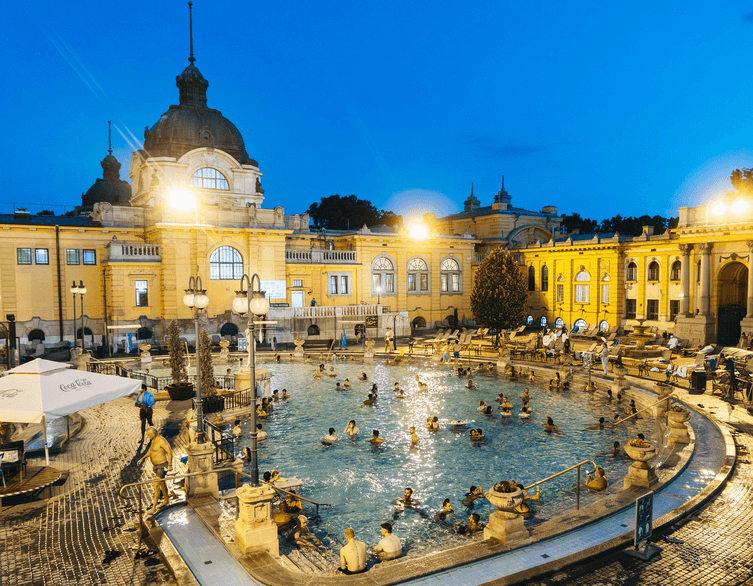
Update! – Soaking in the News: Széchenyi Thermal Bath Introduces a 14+ Policy
Few experiences feel more quintessentially Budapest than slipping into the steamy, mineral-rich pools of the Széchenyi Thermal Bath. From August...
Széchenyi Thermal Bath: Balancing Iconic Status with Visitor Demand
Budapest, often referred to as the “City of Spas,” owes much of its fame to its world-renowned thermal baths. Among these, the Széchenyi...
Related events
Related attractions