Budapest’s Night Bus Network Is Getting a Major Overhaul — Everything You Need to Know From July 1
If you’re planning a late night out in Budapest next week, there’s some genuinely exciting news: the city’s entire night public transport network is being redesigned from the ground up, coming into effect on the night of July 1 to 2. This is the most significant shake-up to Budapest’s nocturnal transport in decades, and for visitors and locals alike, it means getting around the city after midnight is about to become considerably easier, faster, and more intuitive.
Why the Change, and Why Now
Budapest’s night network had been running largely unchanged for many years, and the city had simply grown around it. Travel habits shifted, new residential areas developed, and the old routes increasingly failed to reflect how people actually move through the city at night. BKK, Budapest’s transport authority, spent considerable time consulting with residents and stakeholders before redesigning the network from scratch. The result is a system that mirrors the daytime network far more closely, covers more of the city, and eliminates many of the unnecessary detours that made night journeys frustratingly slow.
The guiding principle behind the new network is straightforward: night transport should be a genuine alternative to taxis and ride-sharing apps, not a last resort. With more frequent services on the busiest corridors, better coverage in outer districts, and routes that actually reflect where people want to go, BKK is making a serious bid to keep Budapest moving around the clock.
Best deals of Budapest










Faster, More Direct Routes Across the City
One of the most welcome changes is the simplification of routes. Many of the new night lines now follow their daytime counterparts closely, which makes the network far more intuitive to navigate — especially if you’re a visitor already familiar with the daytime buses and trams. The night 909 bus, for example, mirrors the popular daytime 9 route, crossing the city on a direct axis that previously required a transfer after midnight. That kind of logical numbering makes a real difference when you’re trying to figure out your options at 2 AM.
Journey times are also improving on several key corridors. The route between Deák Ferenc Square and Svábhegy in the Buda hills will be around ten minutes faster thanks to the removal of detours, and connections to Districts XVI and XVII as well as the town of Pécel will be quicker via the restructured 908, 931, 969, and 997 services running along Kerepesi Road. For those venturing further out, a brand-new direct service — the 966 bus — will connect Soroksár directly to the city centre for the first time, while the new 941 night bus links Budafok, Budatétény, and Nagytétény with the centre via Egressy Road, joining up suburban garden districts that previously had poor night connections.
Trolleybuses Join the Night Network
In a first for Budapest’s night services, trolleybuses will be operating after dark. The new 980 night trolley will run between Deák Ferenc Square and Örs vezér Square via the Füredi Street housing estate, while on weekends the 972 trolley will serve the route between Deák Ferenc Square and Orczy Square. It’s a small but symbolically significant addition — and a practical one for anyone staying in those parts of the city.
In densely populated areas, the new network aims to put a night stop within 500 metres of most residents, bringing the after-dark experience much closer to what you’d expect during the day. Areas that previously had patchy or non-existent night coverage — including parts of Kőbánya, Káposztásmegyer, Kispest, and the Kőérberek-Tóváros neighbourhood in District XI — will all see meaningful improvements.
For those needing more flexible options in lower-demand areas, on-demand services are being introduced in places like Zugliget and Kútvölgy in District XII, and Szemeretelep in District XVIII, where fixed-route buses would be inefficient.
Better Connections Beyond Budapest
The improvements don’t stop at the city limits. The redesigned network extends into the wider Budapest metropolitan area in collaboration with MÁV-VOLÁN and the Ministry of Transport. A new direct 969 service will run between Deák Ferenc Square and Pécel, and the 992 bus will bring Gödöllő passengers all the way into the Pest city centre. Settlements to the west of Budapest — including Budaörs, Budakeszi, and Zsámbék — will be better connected via the 922, 922B, and 988 services running through to Törökbálint. Szentendre will also see improved access, with the 943 bus now departing from the city centre, and Solymár residents will benefit from an hourly 964 service departing from Hűvösvölgy all the way to Solymár railway station. Szigetszentmiklós and Gyál also see significantly better connections from July 1.
What to Expect on the First Night
BKK is aware that a change this large takes some getting used to, and they’re making sure the transition is as smooth as possible. On the first night — July 1 into July 2 — BKK staff will be stationed at key stops across the city to help passengers navigate the new routes. Astoria, Deák Ferenc Square, and Keleti Railway Station (Nyugati pályaudvar) are among the locations where you’ll find someone on hand to point you in the right direction. New timetables are being installed at stops throughout the city in the lead-up to the launch.
As a visitor, the best tool at your disposal is the BudapestGO app, which will be fully updated to reflect the new network from day one. It calculates optimal routes in real time, accounts for live disruptions, and lets you buy tickets and passes directly — making it your single most useful companion for getting around Budapest at any hour.
The full details of the new night network, including maps and timetables, are available on the BKK website. If you’re in Budapest over the coming weeks, you’re arriving right at the moment the city’s night transport takes a genuine leap forward.
Related news
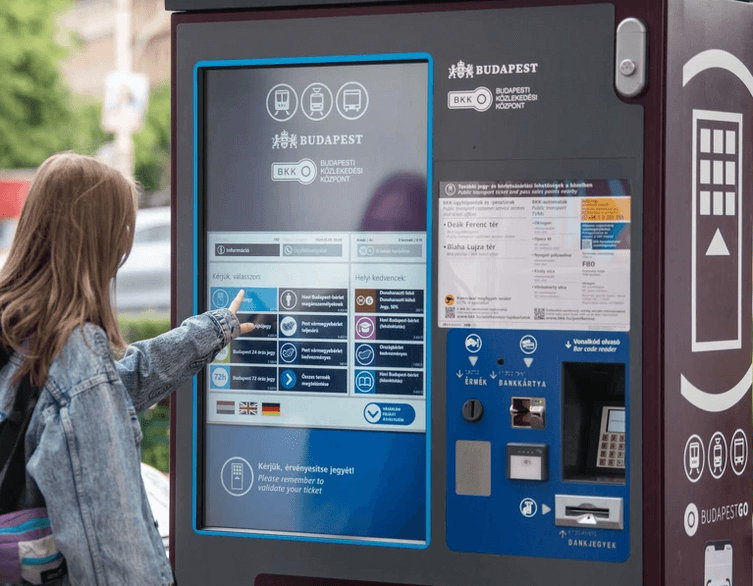
Update in the Public Transport Passes for Foreign Students
Budapest is one of Europe’s most charming capitals, where historic architecture meets vibrant urban life. Whether you are strolling along the Danube...
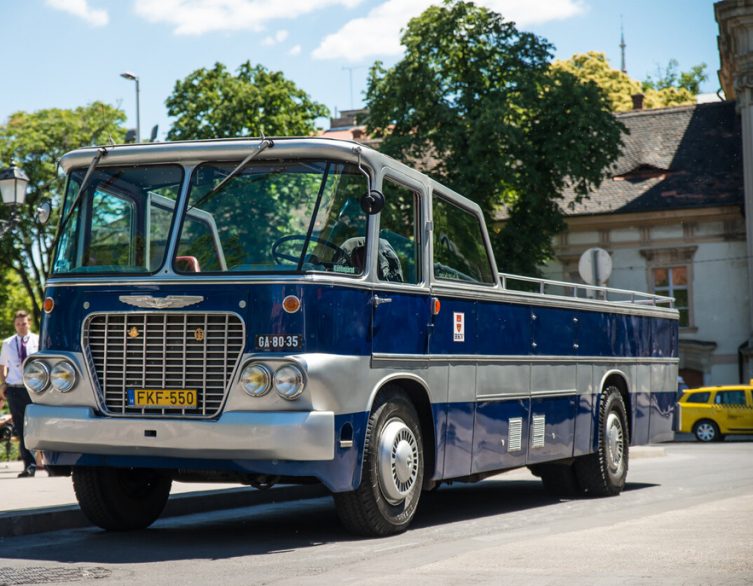
Step Back in Time: Discover Budapest’s Nostalgia Transport Experience in June
Budapest is a city where history is not just preserved—it moves. From late April to October, every weekend brings a unique opportunity to travel...
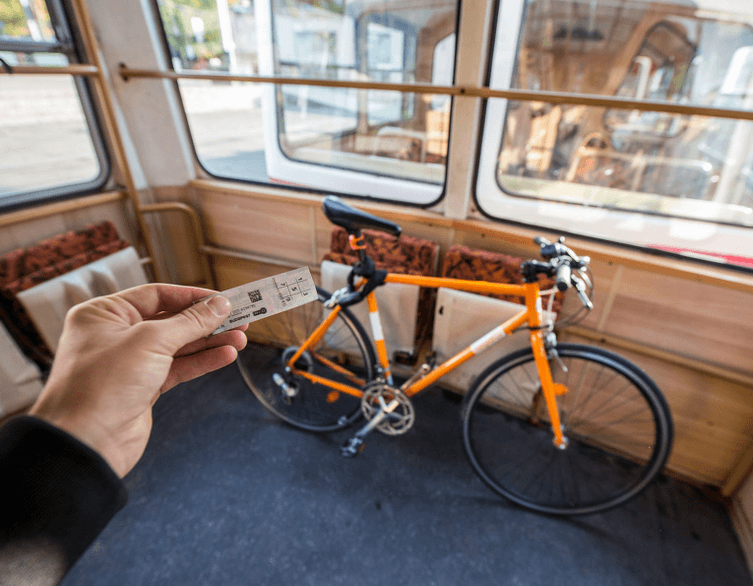
Bringing Your Bike on Public Transport in Budapest: What Tourists Need to Know in 2026
Budapest is one of those cities that practically begs to be explored on two wheels. One minute you are cruising along the Danube with postcard views...

Green Ways to Explore Budapest: Your Guide to Eco-Friendly Transport
Earth Day is a great reminder that protecting our planet doesn’t require grand gestures. In fact, some of the most meaningful changes start...
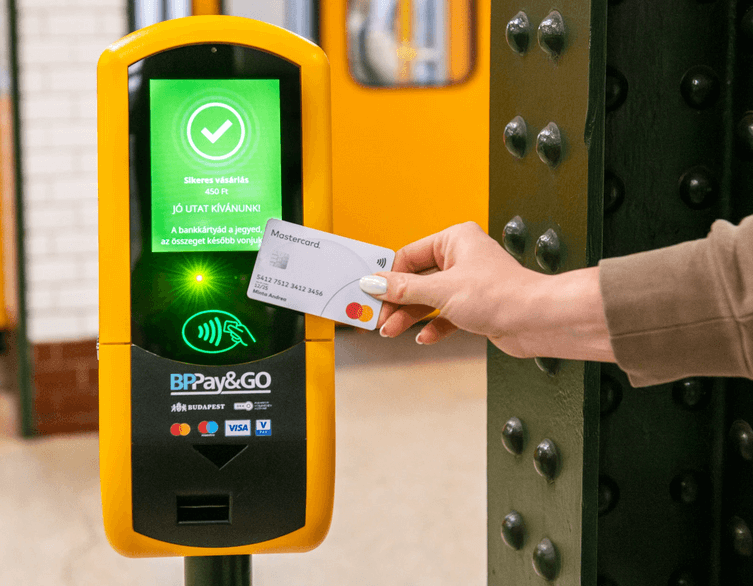
Tap and Go: Budapest Is Making Public Transport Easier Than Ever for Visitors
If you’ve ever arrived in Budapest, bleary-eyed after a long flight, and found yourself fumbling with unfamiliar coins at a metro ticket machine,...