How Budapest Residents Are Shaping the City’s Transport Future
Budapest is quietly rewriting how it plans public transport and infrastructure, and it’s doing so by putting residents’ voices at the center of the process. Through a series of community walks and discussions organized under the BKK Agóra initiative, the Centre for Budapest Transport has been inviting locals to walk the very streets slated for redevelopment and weigh in before a single plan is finalized. For visitors curious about how this often-praised European capital keeps evolving, it’s a refreshing look at city planning done with genuine public input rather than behind closed doors.
Walking the Streets Before Redesigning Them
Over the past few weeks, BKK organized guided walking sessions along several key project areas across the city, including sections tied to the Kerepesi Road and Rákos Road renewal, the planned tram developments on Budafoki Road and Pacsirtamező Street, and a stretch of the future EuroVelo14 international cycling route running along the Rákos Stream. Rather than presenting finished blueprints, planners walked side by side with residents, explaining the technical details of each project while opening the floor for direct questions, ideas, and firsthand feedback from the people who use these streets every day.
This hands-on approach reflects a simple but important idea: engineers can map out traffic flow and construction logistics, but only the people living and commuting through these neighborhoods truly understand the everyday quirks and pain points of a given street or intersection. That’s why BKK brings residents into the conversation early, well before the design phase locks anything in.
What Locals Actually Care About
The feedback gathered during these walks paints a vivid picture of what matters most to Budapest’s neighborhoods. Around the Pacsirtamező Street tram development in Óbuda, residents focused heavily on travel directions and better access to local public institutions, a practical concern for anyone who relies on trams to reach schools, clinics, or municipal offices.
Along the Rákos Stream, conversations centered on protecting the area’s natural habitats, something clearly close to residents’ hearts, alongside detailed discussions about where exactly the new cycling path would run and how this green cycling corridor could eventually link the inner city with the outer districts. For the Kerepesi Road project, parking management and cycling infrastructure dominated the discussion, while residents near Rákos Road pushed hard for safer, more pedestrian-friendly design, along with greening and revitalizing the Rákos Road and Bezerédi Pál Street intersection. Local business involvement in the planning process also came up as a priority for residents in that district.
Best deals of Budapest









Even small, practical suggestions made their way into the mix. During the walk related to the Budafoki Road tram development, participants recommended planting trees with less oily leaves near the tracks, a detail easy to overlook on paper but obvious to anyone who’s slipped on wet leaves near a tram stop. Interestingly, that same walking tour had to be postponed by a week due to extreme heat, a small but telling reminder of why climate-conscious urban planning matters more than ever in a city that sees increasingly hot summers.
Why This Matters for a City Like Budapest
Budapest’s charm for tourists often lies in its walkable core, its historic tram lines, and its increasingly bike-friendly streets, and initiatives like this are precisely what keep that infrastructure evolving thoughtfully rather than haphazardly. Projects like the EuroVelo14 route are particularly exciting from a visitor’s perspective, since a continuous cycling corridor connecting central Budapest with its outer districts would make exploring the city by bike even more appealing for tourists who want to venture beyond the usual downtown loop.
Meanwhile, tram upgrades along routes like Pacsirtamező Street and Budafoki Road hint at smoother, more reliable connections to neighborhoods that don’t always make it onto a typical tourist map but are well worth exploring, from Óbuda’s charming old town to the riverside stretches near Buda.
A City Still Open for Feedback
What makes this initiative stand out is that the conversation isn’t over. Residents can still weigh in on these development plans through BKK’s ongoing public consultations, with feedback windows tied to specific deadlines for each project. It’s a rare and encouraging example of a major European capital treating city planning as an ongoing dialogue with its residents, rather than a decision made purely from a planner’s desk.
For tourists, this kind of civic engagement might not make headlines the way a new bridge or metro line would, but it’s exactly the process that keeps a city like Budapest livable, walkable, and pleasant to explore for locals and visitors alike, one thoughtfully redesigned street at a time.
Related news
Safer Streets on Budapest’s Grand Boulevard: What’s Changed on József körút
Budapest’s iconic Grand Boulevard, known locally as the Nagykörút, just got a practical upgrade on one of its busiest stretches, and it’s...
Budapest’s Green Metro Line Just Got Smarter, Thanks to Your Phone
If you’ve ever stood on a crowded metro platform in Budapest wondering why the train feels packed at seemingly random hours, the city’s...
Budapest Just Gave Its Entire Ticket Machine Network a Total Makeover
If you’re planning to ride Budapest’s metro, trams, or buses this year, you’re about to have a much smoother experience buying...
Summer in Budapest Means Renovation Season: Here’s How to Navigate It Like a Local
Summer in Budapest isn’t just about lounging at the thermal baths or catching a sunset over the Danube. It’s also when the city’s...
Budapest Wants to Hear From You: A Weekend Reminder to Look Down at the Sidewalks
Most visitors come to Budapest for the thermal baths, the river views, or the pastries, but there’s a quieter story unfolding right now that’s...
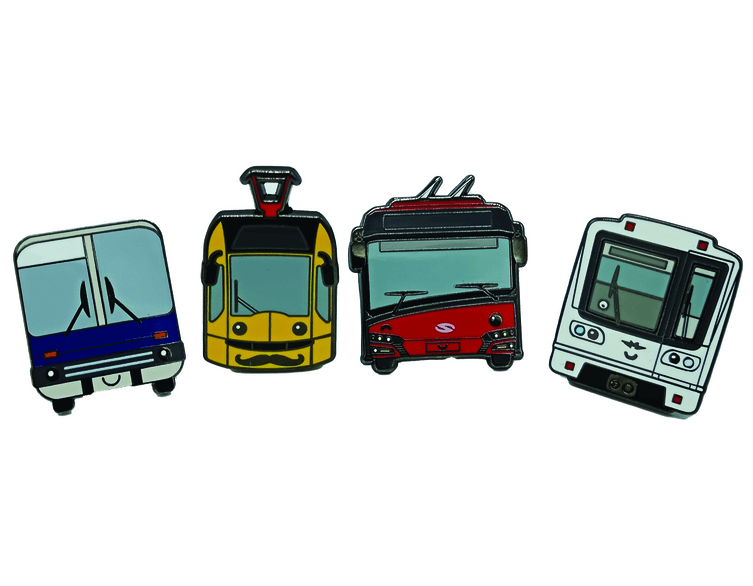
Take a Piece of Budapest’s Transport History Home With You
If you’ve spent any time riding Budapest’s trams, buses, or the quirky cogwheel railway up to the Buda Hills, you’ve probably noticed...
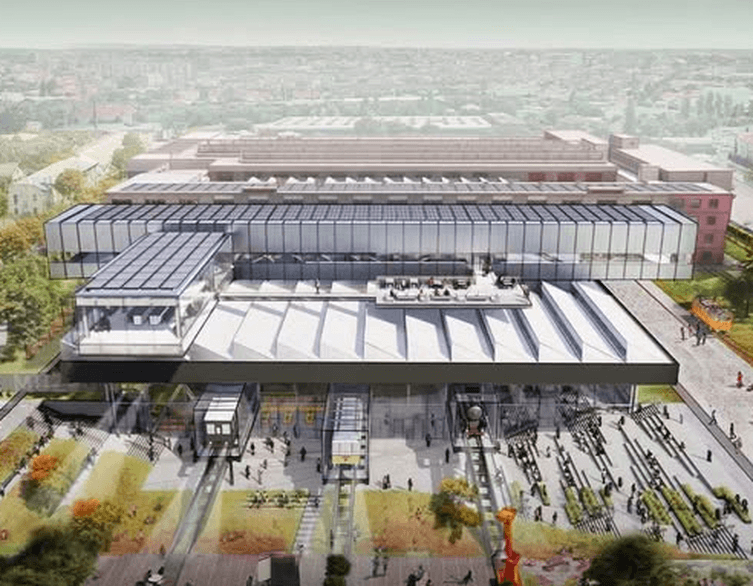
Budapest’s Transport Museum Is Getting a Spectacular New Home in Kőbánya
If you’ve ever wandered through Budapest wondering what happened to the city’s long-closed Transport Museum, here’s some genuinely...
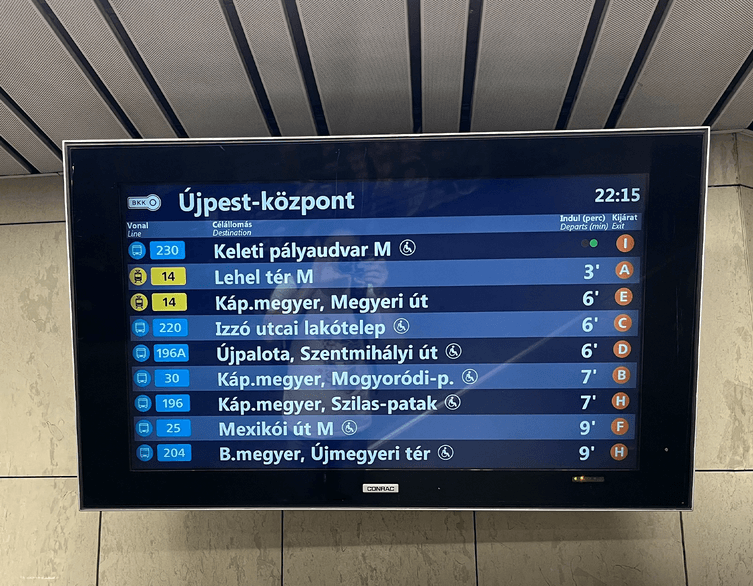
Clearer Stops, Real-Time Screens, and Accessible Rides: Budapest Upgrades Public Transport
Getting around Budapest by bus, tram, or metro is about to become a lot less confusing for visitors, thanks to a wave of new passenger information...
Ride Through Time: Budapest’s Heritage Transport Lines Return This July
If you want to experience Budapest the way locals did decades ago, hop aboard one of the city’s beloved heritage transport lines running every...
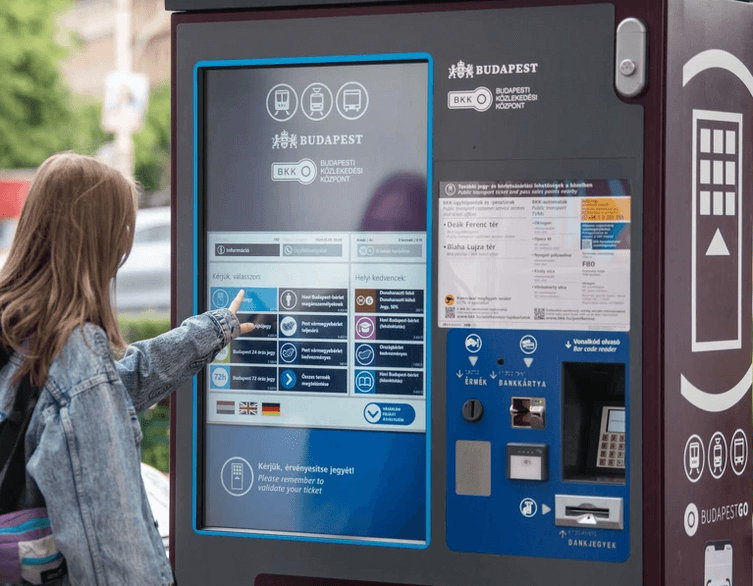
Update in the Public Transport Passes for Foreign Students
Budapest is one of Europe’s most charming capitals, where historic architecture meets vibrant urban life. Whether you are strolling along the Danube...
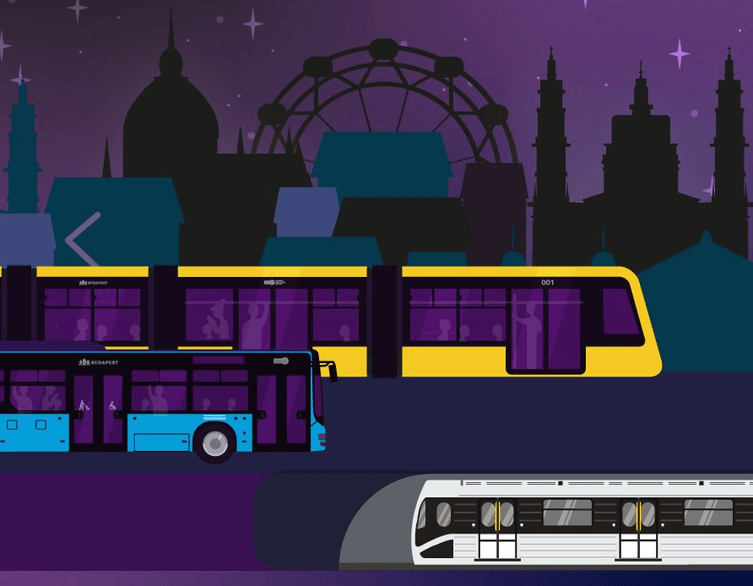
Budapest’s Night Transport Gets a Major Upgrade This Summer — Everything Tourists Need to Know
If you’re planning a trip to Budapest and love staying out late, here’s some genuinely exciting news: the city’s night public transport...
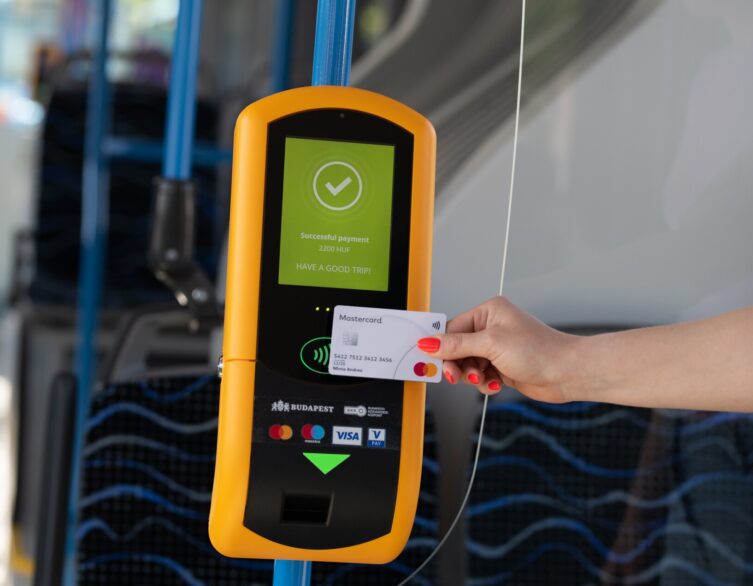
Budapest’s Pay&GO Is a Hit: Over 112,000 Metro Tickets Sold in Just One Month
Budapest’s public transport is on a roll — and the numbers prove it. Just one month after BKK (Budapest’s Centre for Budapest Transport)...
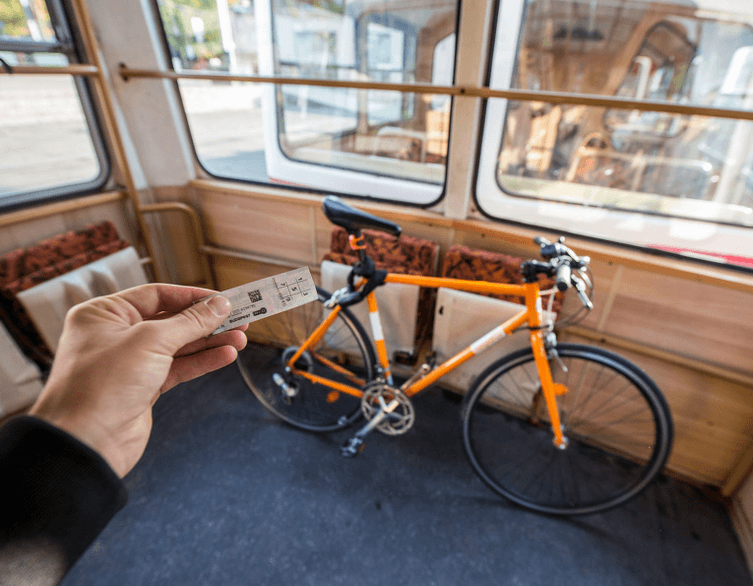
Bringing Your Bike on Public Transport in Budapest: What Tourists Need to Know in 2026
Budapest is one of those cities that practically begs to be explored on two wheels. One minute you are cruising along the Danube with postcard views...