Budapest’s Transport Museum Is Getting a Spectacular New Home in Kőbánya
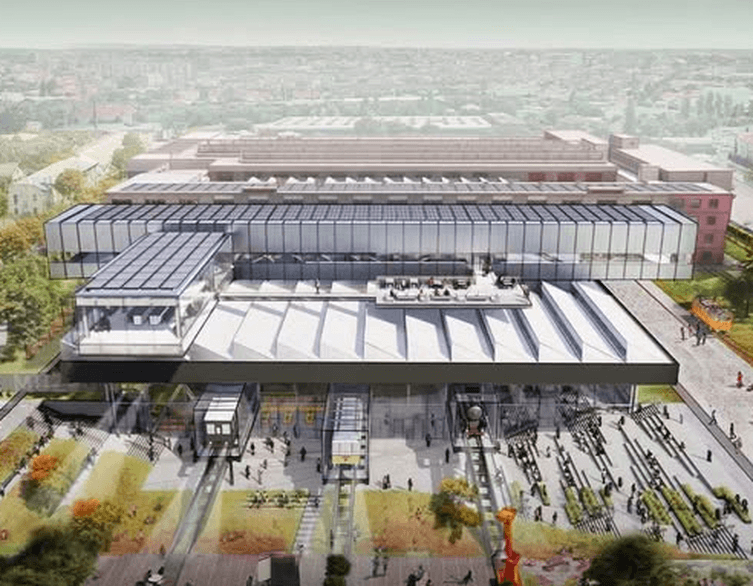
If you’ve ever wandered through Budapest wondering what happened to the city’s long-closed Transport Museum, here’s some genuinely exciting news: after years of uncertainty, the Hungarian government has confirmed the museum’s new home will be built right here in Budapest, in the Kőbánya district, transforming a piece of industrial heritage into one of Central Europe’s most ambitious museum projects.
A Decade-Long Wait Finally Ends
The Transport Museum, once a beloved fixture of the City Park (Városliget), has sat closed for roughly ten years while officials debated where and how to rebuild it. At one point, plans shifted toward relocating the entire institution to Debrecen, a city in eastern Hungary, with an architecture competition already won and concept designs completed for that alternative site. That plan has now been shelved entirely, as the government confirmed the museum will instead return to its originally intended location in Budapest.
Minister of Transport and Investment Dávid Vitézy announced the decision on Facebook, explaining that the government’s resolution allows the investment to move forward at the site originally planned for it. The government has authorized further preparation work, including reviewing the museum’s collection development program and mapping out expected construction costs before the project formally launches.
Why Kőbánya, and Why It Matters
The new central exhibition site will rise in the Northern Railway Workshop (Északi Járműjavító), specifically through the renovation of its historic diesel locomotive hall. This isn’t just any old industrial building. It’s one of Hungary’s most significant heritage railway sites, and the project is being developed as a brownfield investment, meaning it will breathe new life into existing industrial infrastructure rather than building from scratch on undeveloped land.
Best deals of Budapest










The redevelopment already has a major advantage: full architectural and construction plans exist and have been approved, since this concept was originally prepared before the Debrecen detour. That means the project isn’t starting from zero, it’s essentially picking up a fully engineered plan that was paused rather than abandoned.
Around the old diesel locomotive repair hall, the plans call for a permanent exhibition space, artifact storage facilities, an archive, restoration workshops, and a range of other functions, all designed to preserve and showcase the site’s industrial heritage while giving it new cultural purpose.
What Visitors Can Expect Inside
This is where things get genuinely exciting for anyone who loves museums, trains, or just impressive architecture. The permanent exhibition will span roughly 12,000 square meters, more than double the size of the museum’s former display space in City Park. The scale of the old diesel hall means large historic vehicles, think full-sized trains, trams, and buses, can be displayed in far greater numbers than before.
The collection will trace the major social and technical milestones of transport history, with a particular spotlight on giants of Hungarian industry like Ikarus, the legendary Hungarian bus manufacturer, and Ganz, a name synonymous with railway engineering innovation in Hungary. More than one hundred vehicles are expected to be on display, alongside smaller but remarkable items like the museum’s internationally significant 1:5 scale railway model collection.
Beyond the main exhibition, a flexible 900-square-meter space will host rotating temporary exhibitions and traveling shows, while two smaller galleries round out the display areas. Model railway layouts, a perennial favorite among visitors of all ages, will also feature prominently. One particularly intriguing detail: the site includes an authentic Cold War-era air raid shelter, which will be preserved and opened to the public as part of the museum experience, offering a rare glimpse into a very different chapter of the building’s history.
More Than Just a Museum
The redevelopment isn’t limited to exhibition halls. The plan aims to consolidate the Transport Museum’s various functions, currently scattered across different locations in Budapest, into a single unified site. This includes full office space for the institution alongside visitor-facing amenities like a restaurant and bistro, a café, and a museum gift shop, plus conference facilities for events.
The surrounding grounds will be transformed into a public green space featuring a playground, a garden railway track for visitors to enjoy, and a water feature, essentially turning the museum campus into a destination in its own right rather than just a building to walk through. The project even includes a community vehicle repair workshop, tying the site’s industrial past directly into hands-on public engagement.
Some of the museum’s most valuable holdings are currently kept in secure storage awaiting the new building, and part of the redevelopment will significantly expand storage capacity for both smaller artifacts and larger items like the museum’s railway vehicle collection. Meanwhile, other pieces of the collection remain on loan or permanently displayed at partner institutions around Hungary, including the Hungarian Railway History Park, Aeropark, and the Szentendre City Public Transport Museum, so curious visitors don’t have to wait for the Kőbánya site to see parts of the collection today.
When Can You Actually Visit?
Patience will still be required. Construction is tentatively planned to begin in the first half of 2027, assuming favorable bids come in and the budget situation allows the project to proceed. The full realization, including construction of the permanent exhibition, is expected to take roughly three to four years from that point, putting a realistic opening somewhere in the 2030 to 2031 range.
In the meantime, there’s already something worth checking out: a pop-up exhibition titled “Öveket becsatolni!” (Hungarian for “Fasten your seatbelts!”) has opened as the museum’s first public-facing event in years, marking a notable return after a long hiatus. Details and updates are available through the museum’s official channels.
Why This Matters for Visitors to Budapest
For tourists exploring Budapest, this project is a reminder that the city’s cultural landscape is constantly evolving well beyond its famous thermal baths and Danube views. The Northern Railway Workshop site sits in Kőbánya, a district not typically on the tourist trail but rich in industrial heritage, and this development could turn it into a genuine cultural destination in its own right over the coming years.
If you’re the kind of traveler who loves tracking a city’s transformation, or if trains, engineering history, and repurposed industrial architecture genuinely excite you, this is a project worth bookmarking for a future visit to Budapest. It’s not ready yet, but when it opens, it promises to be one of the most ambitious transport museums in this part of Europe.
Related news
How Budapest Residents Are Shaping the City’s Transport Future
Budapest is quietly rewriting how it plans public transport and infrastructure, and it’s doing so by putting residents’ voices at the...
Ride Through Time: Budapest’s Heritage Transport Lines Return This July
If you want to experience Budapest the way locals did decades ago, hop aboard one of the city’s beloved heritage transport lines running every...
Update in the Public Transport Passes for Foreign Students
Budapest is one of Europe’s most charming capitals, where historic architecture meets vibrant urban life. Whether you are strolling along the Danube...
Budapest’s Night Transport Gets a Major Upgrade This Summer — Everything Tourists Need to Know
If you’re planning a trip to Budapest and love staying out late, here’s some genuinely exciting news: the city’s night public transport...

Green Ways to Explore Budapest: Your Guide to Eco-Friendly Transport
Earth Day is a great reminder that protecting our planet doesn’t require grand gestures. In fact, some of the most meaningful changes start...