Budapest Airport Powers Up Its Green Future with EU Backing
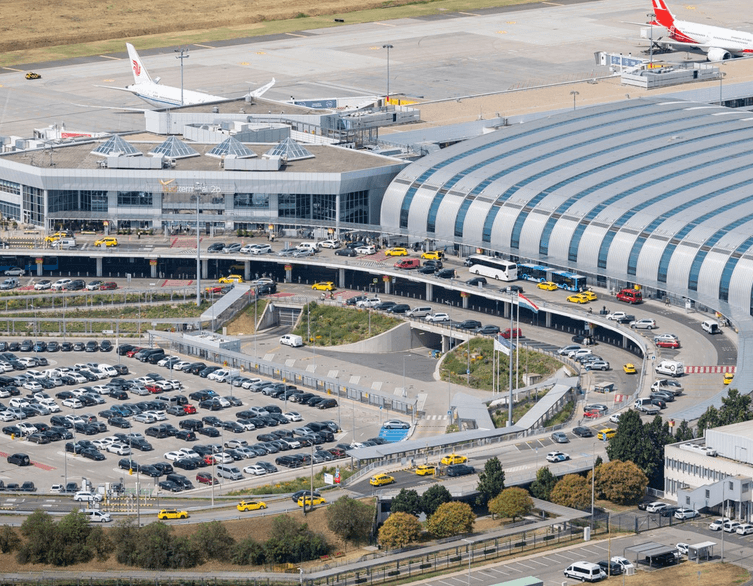
Landing in Budapest is about to get a little cleaner and greener. Budapest Airport, the main gateway for most tourists arriving in Hungary, has ramped up its sustainability efforts with two major EU-backed projects aimed at slashing carbon emissions from ground operations. While you’re unlikely to notice charging stations while rushing through passport control, it’s worth knowing that the airport welcoming you is quietly becoming one of the more environmentally forward-thinking hubs in the region.
A Decade of Electrifying the Tarmac
Budapest Airport didn’t just start caring about emissions overnight. Back in 2015, it installed its very first EV charging station, followed by its first electric car a year later. Fast forward to today, and the airport operates an impressive 170 charging points, with its own fleet boasting 39 fully electric vehicles and 48 plug-in hybrids. That’s a lot of quiet, exhaust-free vehicles zipping around behind the scenes while you wait for your gate to open.
Much of this expansion comes courtesy of the Net Zero Airport project, which secured EU funding through the CEF 2 Transport programme back in 2022. Under this initiative, Budapest Airport installed 83 charging stations and 102 charging points across the airport grounds, covering half the cost with EU grants and funding the rest itself. These charging points aren’t reserved just for airport-owned vehicles, either. Partner companies operating airside, from baggage handlers to catering suppliers, can plug in too.
What Actually Gets Charged Up
It’s easy to picture an airport running on diesel fumes, but Budapest Airport’s charging infrastructure supports a surprisingly wide range of vehicles you’d never think twice about while boarding your flight. Catering trucks delivering in-flight meals, water and lavatory service vehicles, baggage carts, cargo handlers, apron buses shuttling passengers to remote stands, boarding stairs, and aircraft tow vehicles can all draw power from the network. Next time you’re bussed out to your plane on the tarmac, there’s a decent chance that vehicle runs on electricity rather than fossil fuel.
Best deals of Budapest











The Next Chapter: AIR-PRON
Building on this momentum, Budapest Airport launched a new EU-supported initiative in 2026 called AIR-PRON, designed to push ground handling operations even further toward sustainability. The project introduces 15 fixed ground power units at existing aircraft stands, serving both passenger and cargo planes. It also brings 17 pre-conditioned air supply systems to passenger boarding bridges, a clever upgrade that regulates cabin air quality using efficient ground-based equipment instead of the aircraft’s own engines, cutting fuel burn while planes sit at the gate.
Rounding out the project are four new electric charging stations, each delivering 100 kW of power, specifically for ground service equipment. Design work kicked off in early 2026, with construction expected to wrap up by mid-2028. As with the Net Zero Airport project, the European Union is covering half the bill, a vote of confidence in Budapest’s role within Europe’s broader push toward greener air travel.
Why This Matters to Travelers
You might wonder why any of this matters if you’re just passing through on your way to explore Buda Castle or the thermal baths at Széchenyi. The truth is, aviation’s environmental footprint is a growing concern for travelers worldwide, and airports that invest in sustainable ground operations help reduce the overall carbon cost of your trip, even before you’ve left the terminal. Budapest Airport, part of the VINCI Airports network, has made e-mobility a cornerstone of its sustainability strategy, and these projects signal a long-term commitment rather than a one-off PR move.
So next time you land in Budapest, know that behind the scenes, a growing fleet of electric and hybrid vehicles is quietly handling your luggage, refueling your flight crew’s coffee cart, and keeping the whole operation running that much cleaner. It’s a small but meaningful part of what makes Budapest an increasingly attractive destination, not just for its history and thermal spas, but for cities and infrastructure quietly modernizing behind the scenes.
Related news

Breathe Easy in Budapest: Why September 7th Matters for Every Visitor
If you’re wandering through Budapest this week, admiring the Danube from Fisherman’s Bastion or sipping coffee on a leafy terrace in...
Budapest’s Green Future: The City Turns Into a “Sponge City”
Budapest has just taken a major step toward becoming one of Europe’s most climate-resilient capitals, and it’s a story worth knowing...
Budapest Airport Just Made Getting a Taxi More Complicated (Here’s What to Know)
If you’re flying into Budapest Liszt Ferenc International Airport this August, there’s a change worth knowing about before you land....
Your Ultimate Summer Travel Guide from Budapest’s Ferenc Liszt International Airport
Summer is officially here, and if you’re flying out of Budapest this season, there’s genuinely never been a better time to do it. Ferenc...

Flying from Budapest Just Got Easier: New Accessibility Tools, a Downtown Baggage Drop, and a Booming Airport
Budapest Ferenc Liszt International Airport has been quietly rolling out a series of passenger-focused improvements that are well worth knowing about...
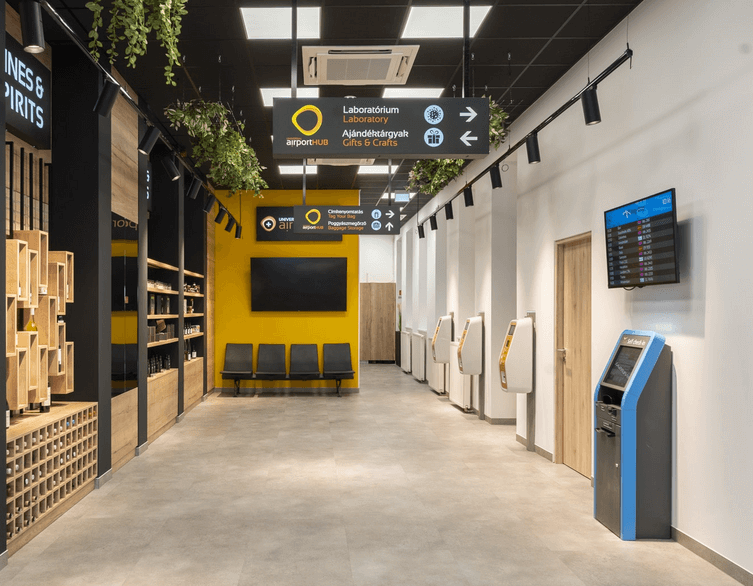
No More Lugging Your Suitcase Around Budapest: The City-Center Airport Hub That Changes Everything
If you’ve ever spent your last precious hours in Budapest wrestling a heavy suitcase up cobblestone streets, sweating through the metro, and...
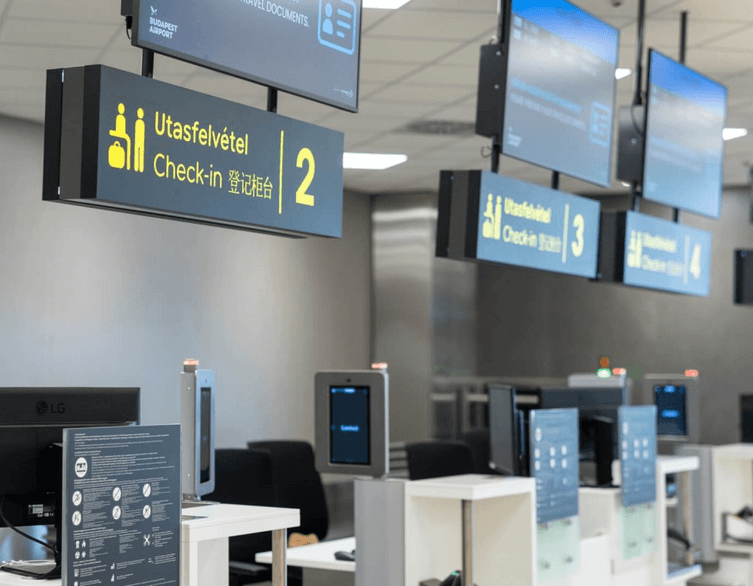
Budapest Airport Prepares for Summer 2026 Making Travelling More Comfortable
If you’re flying into or out of Budapest this summer, here’s some genuinely good news: Ferenc Liszt International Airport has been busy....
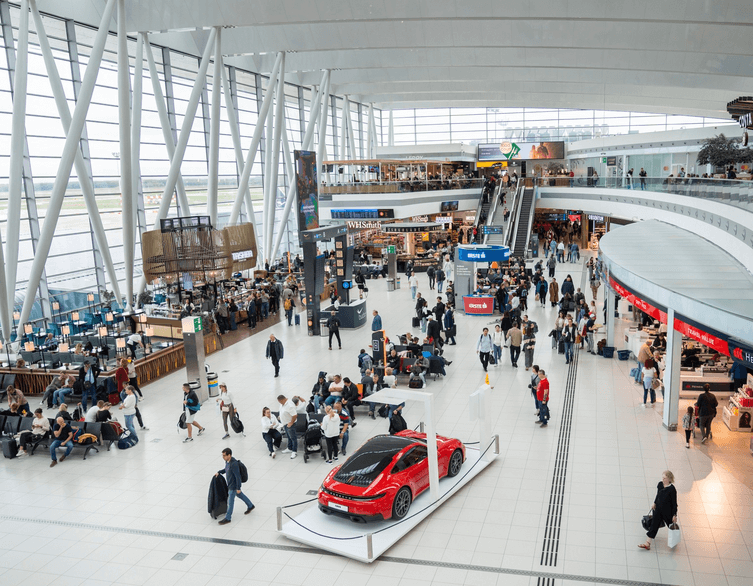
Navigating Budapest Airport Just Got a Lot Easier — Here’s What You Need to Know
Arriving in a new city is exciting, but let’s be honest — navigating an unfamiliar airport can be a little stressful, especially when you’re...