Budapest to Welcome the World’s First Centre for Everyday Photography
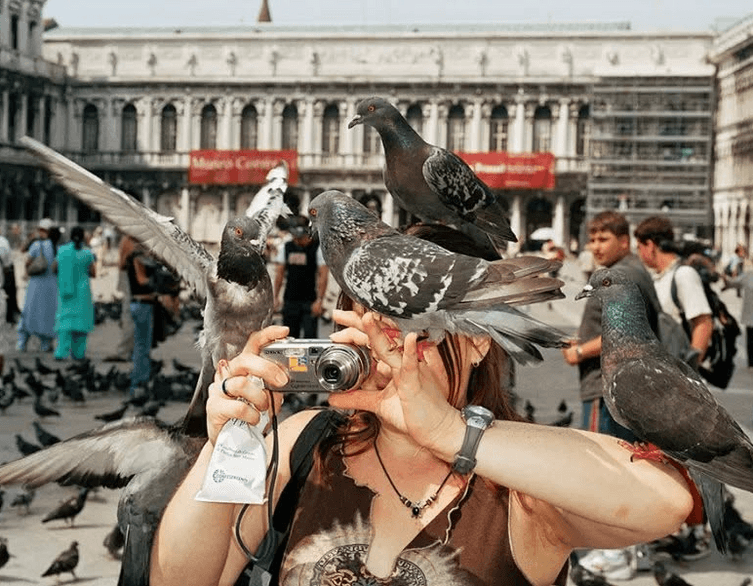
Budapest has never been short on world-class museums, but in the second half of 2027, the city is set to add something genuinely unprecedented to its cultural map. The Eidolon Centre for Everyday Photography will open its doors as the world’s only institution dedicated entirely to vernacular photography, the snapshots, family albums, and personal images that rarely make it into traditional museums but quietly capture the texture of everyday life. For tourists who love uncovering Budapest’s layers beyond the usual palaces and thermal baths, this is one to watch.
A Bank Vault Turned Cultural Vault
The new centre will occupy nearly 600 square metres at Margit körút 8–10, in a building that once housed a bank branch. There’s something fitting about that transformation: a space once dedicated to storing financial value will soon safeguard a different kind of currency, personal memory. The project is backed by the Eidolon Foundation, working in partnership with the Municipality of Budapest’s District II and the OTP Group, under a tripartite agreement governing the space’s cultural use.
Once complete, the centre will house three modular exhibition areas, a library, a research room, and a workshop space, giving it the flexibility to host everything from major exhibitions to hands-on visual-literacy workshops for both children and adults.
Best deals of Budapest









Why Everyday Photography Deserves Its Own Museum
It’s a fair question: why build an entire institution around family snapshots and amateur photos? Co-founder György Simó puts it simply, explaining that in the age of modern technology, private photography is both an authentic carrier of our shared past and a powerful language of contemporary visual culture. Director and co-founder Róza Tekla Szilágyi adds that we now encounter more images in a single morning than a nineteenth-century person might have seen in an entire lifetime, yet this vast, personal visual heritage has never had a proper institutional home anywhere in the world.
The centre’s name comes from the ancient Greek word for image or semblance, a nod to how photography freezes a moment of reality even as memory itself remains fragile and fleeting. It’s also a nod to Roland Barthes’ influential book Camera Lucida, which explores photography’s strange power over the people who view it.
Built on a Decade of Hungarian Photographic Heritage
Eidolon didn’t appear out of nowhere. The initiative was founded in 2023 and has spent the years since building credibility through research, talks, an international grant programme, and its own publication, the Eidolon Journal. Its curated exhibition of photographer Kereki Sándor’s work at the Capa Center in Budapest helped bring wider public attention to the value of amateur and vernacular photography, proving there’s real appetite for this kind of storytelling.
The centre also builds on strong local foundations, particularly the Horus Archives, a private collection built by cinematographer and photographer Kardos Sándor, and Fortepan, one of Hungary’s most important initiatives for preserving visual memory. Fortepan’s materials are expected to feature prominently at the new centre through exhibitions, screenings, and talks, giving the online archive a living, physical counterpart. On the international side, Eidolon has partnered with London’s The Photographers’ Gallery and Plattform Produktion, the production company of acclaimed filmmaker Ruben Östlund, and its work is guided by an advisory board including scholars from Oxford, London South Bank University, and the Blinken OSA Archive at Central European University.
Right in the Heart of the Margit Quarter
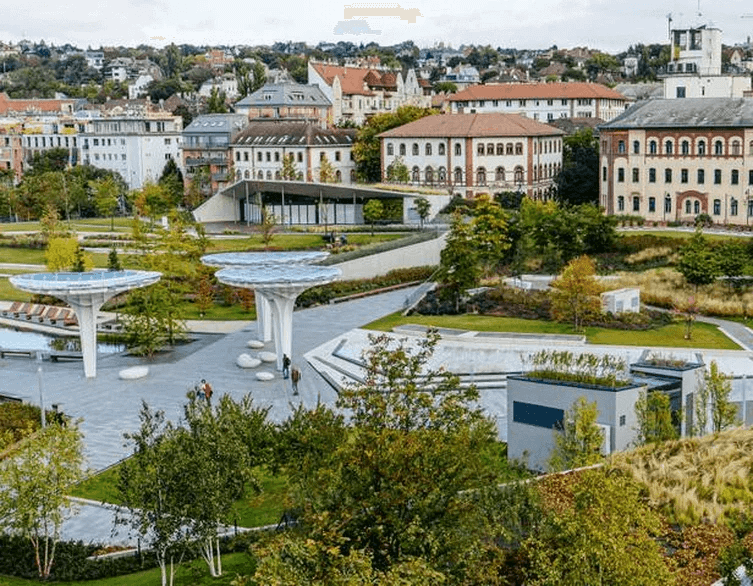
The centre’s location isn’t an accident. It sits within the Margit Quarter, District II’s ongoing cultural development programme aimed at turning the area into a vibrant, community-driven district built around high-quality cultural content. Deputy Mayor Előd Bendegúz Varga has described the Margit Quarter as a place where stories converge, and Eidolon fits that vision neatly: an institution turning personal memories into shared heritage, right in a neighborhood being reimagined for exactly that kind of encounter.
For visitors exploring Buda, the Margit Quarter sits conveniently between the Danube and the Buda Hills, an easy add-on if you’re already wandering toward Margaret Island or the Rózsadomb area.
A Nonprofit Built to Last
Eidolon operates as a privately funded, nonprofit institution maintained by the Eidolon Foundation, relying on ticket revenue, private donations, and institutional support to sustain its long-term mission. The foundation’s broader goal extends beyond the Budapest centre itself, aiming to research and preserve both Hungarian and international photographic heritage while bringing Hungary’s rich tradition of everyday imagery into international dialogue.
Why This Matters for Visitors to Budapest
Budapest already draws photography lovers to spots like the Hungarian House of Photography and the Robert Capa Contemporary Photography Center, but Eidolon fills a genuinely different niche. Rather than focusing on celebrated photographers or fine art, it turns its lens toward the ordinary, the family holiday snapshots, the forgotten albums, the digital clutter of everyday life that quietly documents how people actually lived. For tourists interested in social history, visual culture, or just a fresh, thoughtful way to spend an afternoon in Buda, the Eidolon Centre promises to be a compelling and completely unique addition to the city’s cultural scene when it opens in the second half of 2027.
If you’re planning a longer stay in Budapest or a return trip next year, it’s worth keeping an eye on Eidolon’s official channels for opening dates and early exhibition announcements, since being among the first visitors to a world-first museum is exactly the kind of story worth telling once you’re back home.
Related news
What’s On in Budapest: The City’s Best Photo Exhibitions Right Now
Budapest has quietly turned into one of Europe’s most rewarding cities for photography lovers this year, and you don’t need to hunt far...
Budapest’s Margit Quarter: Time Out Magazine’s Pick for World’s Coolest Neighborhoods 2025
Budapest has always been a city of transformation, but nowhere is this evolution more fascinating than in the Margit Quarter. Once a forgotten stretch...
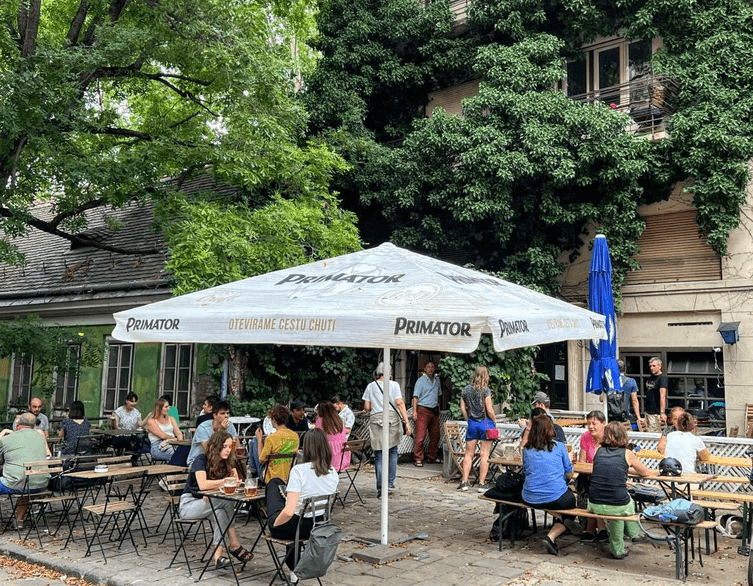
Margit Quarter: Budapest’s Creative Heart Aims to Stay Culture-First
Nestled between the Buda end of Margaret Bridge and Széna Square, the Margit Quarter has become one of Budapest’s most talked-about neighborhoods....
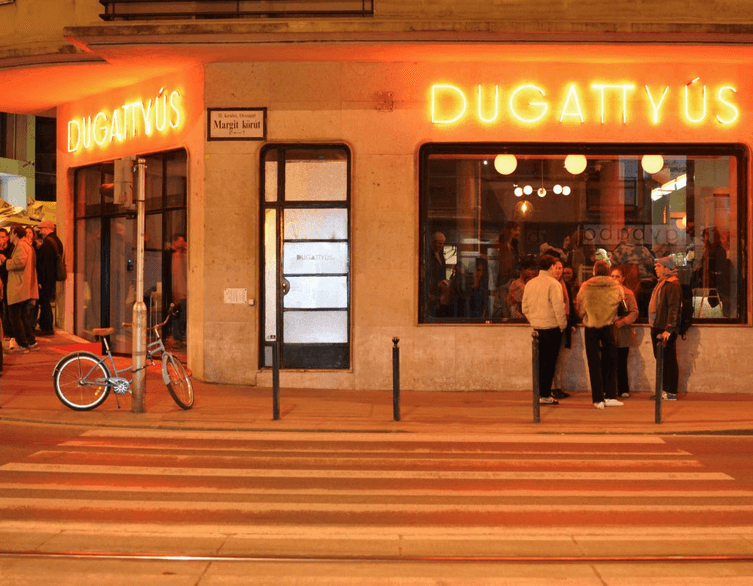
A Creative Hub in Budapest: Check Out DUGATTYÚS in Margit Quarter
Budapest’s vibrant Margit Quarter has welcomed a new cultural gem that promises to redefine the city’s artistic landscape. DUGATTYÚS, a multidisciplinary...
Related events