Budapest Cracks Down on Rogue Taxis to Protect Tourists and Fair Drivers
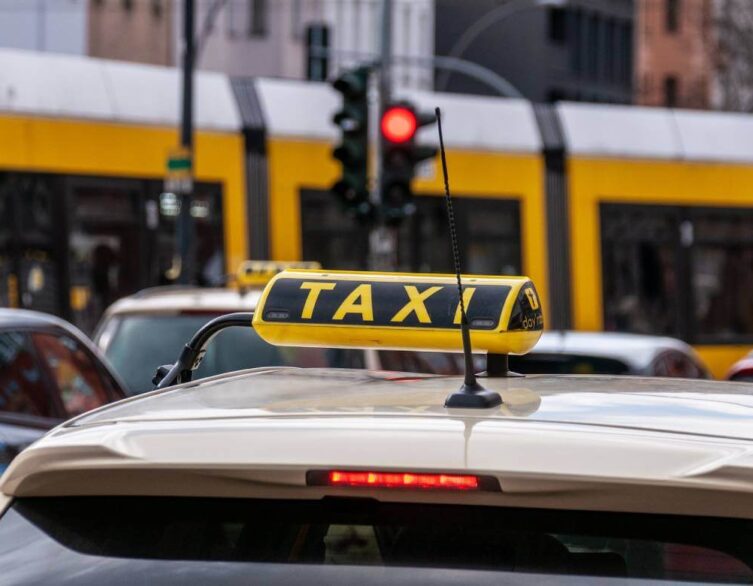
If you’ve ever worried about hopping into an unmarked “taxi” in a foreign city and getting overcharged, Budapest just made your trip a little safer. The city’s transport authority, BKK, has rolled out a fresh wave of measures in 2026 aimed squarely at pushing so-called taxi “hyenas” out of the market, tightening oversight of the entire personal taxi industry, and making the whole system more transparent for both passengers and honest drivers.
Why This Matters If You’re Visiting Budapest
Taxi scams are one of those classic tourist pitfalls that can sour an otherwise great trip, whether it’s an inflated fare, a driver with no real license, or a car dressed up to look official when it isn’t. BKK’s latest reforms, which began earlier this year and expanded significantly in July 2026, are designed to specifically target these bad actors while making it easier for genuine, licensed taxi companies to operate. For a visitor stepping off a flight or leaving a late dinner near the Danube, that translates into a lower chance of running into a driver who’s cutting corners at your expense.
A New App Keeping Drivers Honest
At the center of the crackdown is a new mobile application called TaxiTrack, launched by BKK in early July to help Budapest’s licensed taxi operators meet mandatory data-reporting requirements set by the city assembly. The long-term goal is to shift toward digital, online taxi meters and to have taxi companies, rather than individual drivers, handle most of the data reporting, a change both BKK and taxi industry representatives agree will cut red tape while improving accountability across the board.
BKK has also linked its databases of licensed drivers and registered taxi vehicles this year, making it far easier to catch repeat offenders who’ve been sanctioned before. One particularly tourist-relevant change: starting in 2026, BKK is strictly enforcing removal of the yellow taxi decal from vehicles whose licenses have been revoked or surrendered, cracking down on so-called “fake taxis” that try to look official to fool unsuspecting passengers, exactly the kind of vehicle a visitor unfamiliar with local taxi branding might otherwise trust.
Stricter Inspections on the Way
Roadside inspections are getting tougher too. Over the coming months, BKK plans to replace its current paper-based inspection records with a fully digital system before the end of the year, making enforcement faster and more reliable. The city has also asked the national government to formally classify service inspectors as public officials and to approve the use of body cameras during inspections, a move meant to boost transparency for both drivers and the inspectors checking them.
Best deals of Budapest











Cleaning House Internally, Too
BKK hasn’t limited its “zero tolerance” stance to drivers on the street. An internal investigation triggered by a May 2026 report uncovered irregularities within the company’s own service-inspection department, leading to the dismissal of several employees, including a department head, along with a formal criminal complaint over damages caused to BKK. Just last week, BKK’s senior leadership launched yet another internal review to check whether previous investigations and disciplinary actions in that department were handled properly, underscoring the company’s stated commitment to protecting whistleblowers and public funds.
Working With Drivers, Not Just Against Them
None of this has happened in isolation. BKK has held 14 rounds of consultations with taxi industry representatives over the past year and a half, most recently meeting with the Taxi Drivers’ Advocacy Organization (TÉSZ) on July 8 to discuss an open letter the group sent to Budapest’s mayor and city assembly. Both sides agreed that shifting data-reporting duties to taxi companies rather than individual drivers would meaningfully ease administrative burdens, and BKK committed to exploring an extension of the TaxiTrack pilot phase along with providing technical specifications for API-based data reporting. Driver representatives also gave a notably positive review of BKK’s 2026 taxi fare pricing analysis, a departure from previous years, while asking that similar analysis be published annually going forward.
Booking a Taxi Just Got Easier, Too
Administrative headaches for drivers seeking permits have also been streamlined. Since January, appointments for taxi-related paperwork have moved to an online booking system, customers can no longer cancel appointments themselves, and as of May 2026, a “no-show” fee applies if someone fails to turn up for a booked slot. Together, these changes have already cut waiting times for administrative processing by two weeks, a smaller but meaningful sign of the broader push toward a more efficient, accountable taxi system.
The Takeaway for Tourists
While these are largely regulatory changes happening behind the scenes, the practical upshot for anyone visiting Budapest is simple: taxis are getting easier to trust. Look for official yellow taxi markings, book through recognized companies where possible, and know that the city is actively working to squeeze out the unlicensed operators who’ve historically given Budapest’s taxi scene a bad reputation among visitors. It’s one more small but reassuring reason to feel confident getting around the city, whether you’re heading from the airport to your hotel or catching a late ride home after a night out along the Danube.
Related news
Budapest Taxi Fares Are Going Up in August 2026: What Tourists Need to Know
If you’re planning a trip to Budapest this summer or autumn, there’s a practical update worth knowing before you land: taxi fares across...
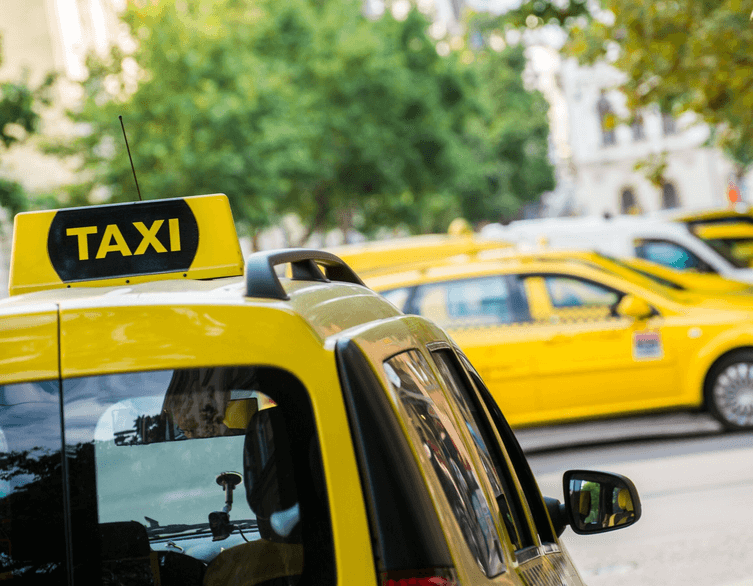
Budapest Taxi Fares Are Going Up in August — Here’s What Visitors Need to Know
The First Price Change in Over Three Years If you’re planning to visit Budapest this summer or autumn, there’s one practical update worth...
Safer Taxi Travel in Budapest: Introducing the TaxiTrack App
Getting around Budapest is becoming safer and more transparent than ever. As of June 1, 2026, the city has introduced a new digital solution designed...

Ride the Future: Self-Driving Robotaxis Hit Budapest Streets in 2026
Imagine zipping through Budapest’s iconic streets in a driverless taxi—no wheelman chatting about the best ruin bars, just smooth, silent...
A Major Change at Budapest Airport: Főtaxi and Uber Join Forces for Smarter Travel
If you’re planning a trip to Budapest soon, there’s exciting news waiting for you right after you land. From 2025 onwards, travelers arriving...