A Perfect Day Around Gellért Hill, the Citadella, and Bartók Boulevard
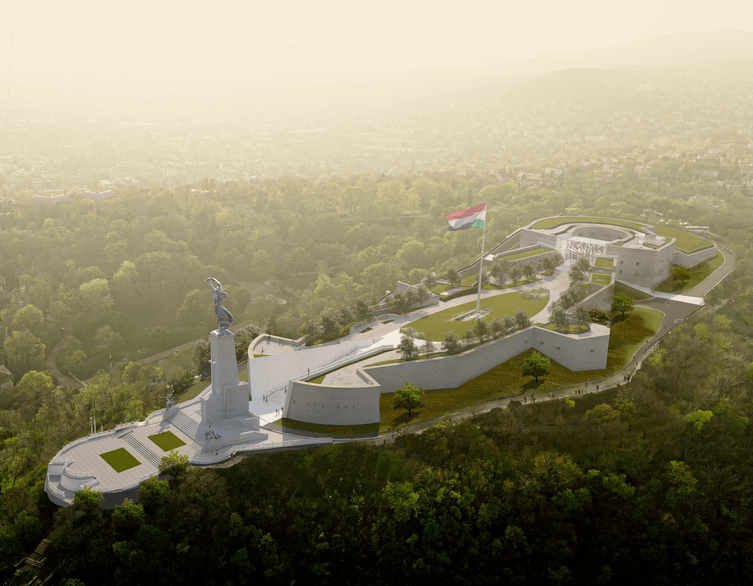
Some of the best days in Budapest aren’t built around ticking off famous landmarks one by one, but around letting one neighbourhood lead naturally into the next. Gellért Hill and its Citadella are a perfect starting point for exactly that kind of day: a morning of sweeping views and hidden history, an afternoon of relaxed picnicking, and an evening that flows effortlessly into the creative, café-lined streets of the nearby Bartók District. Here’s how to spend a full day doing exactly that.
Morning: Climbing Gellért Hill for the View Alone
Start early, before the summer heat sets in, and make your way up Gellért Hill. The climb rewards you almost immediately with one of the best panoramas in the city, and by the time you reach the top, all of Budapest unfolds beneath you, the Danube cutting through the middle with Buda Castle and Parliament visible on either bank. Bring a bottle of water, because you’ll want it, but don’t worry too much if you forget: the Citadella has you covered with a refill station near the Lődomb slope and another by the Northern Staircase, plus a misting gate for anyone who needs a quick blast of cool relief during the hottest hours.
A cold ice cream in hand while taking in the view is, frankly, the move here. It’s the kind of simple pleasure that turns a good viewpoint into an unforgettable morning.
Midday: The Citadella Is More Than a Viewpoint
Once you’ve soaked in the panorama, it’s worth slowing down and actually exploring the Citadella itself, because there’s considerably more history packed into this hilltop fortress than most visitors realize. The Liberty Bastion exhibition inside walks you through pivotal chapters of Hungarian history through a modern, visually engaging presentation, making it an easy way to pick up context on the city you’re exploring without feeling like a history lecture.
Best deals of Budapest










Keep an eye on the ground as you wander, too. Beneath your feet lies a genuinely surprising piece of scientific history: this hilltop once housed an astronomical observatory, the Csillagda, built between 1813 and 1815 by Mihály Pollack, the same architect behind the Hungarian National Museum. The observatory was badly damaged during the 1849 siege of Buda and eventually demolished in 1867, but archaeological excavations ahead of the Citadella’s renovation uncovered the foundations of its eastern tower, allowing historians to pinpoint the exact location of Hungary’s geodetic prime meridian. Today, a bronze strip set into the pavement marks that very line, so if you spot it, you’re technically standing on Hungary’s historical reference point for mapping the entire country.
While you’re up here, look out for the elderly pomegranate tree tucked into a sunny, sheltered corner of the inner park. Estimated to be nearly 60 years old, this Mediterranean survivor received special protective care during the site’s renovation, including root protection and a dedicated shelter to keep it safe during construction. It still blooms with vivid scarlet flowers every year and produces fruit that rivals the finest pomegranates, and its cuttings have even been used to grow young offspring, now flourishing along the Citadella’s southern promenade and on the rooftop terrace of the Rondella.
If you’re visiting in early summer, don’t miss the rose garden in the neighbouring Jubileumi Park, planted in June 2024 with over 3,000 rose bushes, each one symbolizing a town in Hungary or in Hungarian communities beyond its borders. Among the roughly 50 rose varieties is the soft, peach-toned “Großherzogin Luise,” known locally as the rose of Budapest.
Afternoon: Picnic With a View
There’s no need to go far for a proper afternoon break. The green spaces surrounding the renovated Citadella are ideal for a relaxed picnic: bring a blanket, pick up some snacks beforehand, and settle in with one of the best skyline views the city has to offer. Whether you’re travelling solo, with friends, or with family, this is the kind of spot that turns a simple packed lunch into a memorable Budapest moment.
Evening: Longer Nights on the Citadella
Here’s a useful update for anyone timing their visit for later in the day: the Citadella has extended its evening hours for the summer season. On weekends, the Citadella Café and its neighbouring unit now stay open until 9 PM, meaning you can catch a coffee, a cocktail, or a plate of chimney cake and ice cream as the sun sets over the city. Live background music plays on the café terrace, making it a genuinely lovely, low-key setting for an evening conversation under the stars. Worth noting, though: this extended schedule applies only to these two specific spots within the park, while the rest of the Citadella’s venues keep their usual opening hours.
As dusk settles over Budapest and the skyline shifts into that golden, cinematic glow, it becomes obvious why so many visitors describe this spot as one of the most romantic corners of the city. Sometimes the simplest evenings really do turn out to be the most memorable.
From the Hilltop to the Boulevard: Discovering Bartók District
Once you’re ready to head back down, resist the pull to return straight to the tourist centre. Instead, make your way toward Bartók Béla Street in the nearby Bartók District, a neighbourhood in District XI that most first-time visitors never think to explore, and that’s exactly what makes it worth the detour.
Where the Citadella offers grand panoramas and layered history, the Bartók District offers something quieter and arguably more authentic: a genuine slice of local life. This tree-lined boulevard stretches from the Danube toward Karinthy Frigyes Street and has become a hub for artists, academics, and café culture over the past two decades. It embodies Budapest’s take on the “15-minute city” concept, where everything from galleries and restaurants to parks and community spaces sits within easy walking distance.
The area has a genuinely interesting backstory. Just 150 years ago, this was considered the edge of the city, and it only began developing in earnest after Liberty Bridge opened in 1896. Between the two World Wars, it blossomed into a bohemian cultural hub, before the Soviet era scattered much of that community. Its real renaissance came in the 2000s, when local investment revived the boulevard’s galleries, cafés, and creative energy, a revival that’s still very much in motion today.
Spend your evening wandering past spots like the Eleven Blokk Art Foundation and B32 Gallery, or settle in at the historic Hadik Café for a nightcap. If your timing is right, you might even catch one of the neighbourhood’s community events, like the Eleven Spring and Autumn Festival or the newer Bartók Fest, which fills the boulevard with live music and local energy.
Bringing the Day Together
What makes pairing Gellért Hill with the Bartók District so satisfying is the contrast between the two. One offers sweeping views and centuries of layered history, the other offers the unpolished, lived-in rhythm of a real Budapest neighbourhood. Together, they make for a day that feels far richer than checking landmarks off a list, and it’s the kind of itinerary that rewards travelers who are willing to walk a little further off the well-trodden path.
A few practical tips to keep in mind for the hill: wear a hat or sunglasses and light, breathable clothing, since the sun on Gellért Hill can be intense with little shade along parts of the climb. Comfortable walking shoes matter more than you’d think given the uneven terrain near the top, and always carry water, even though refill points and the misting gate are there to help you cool off along the way.
Related news
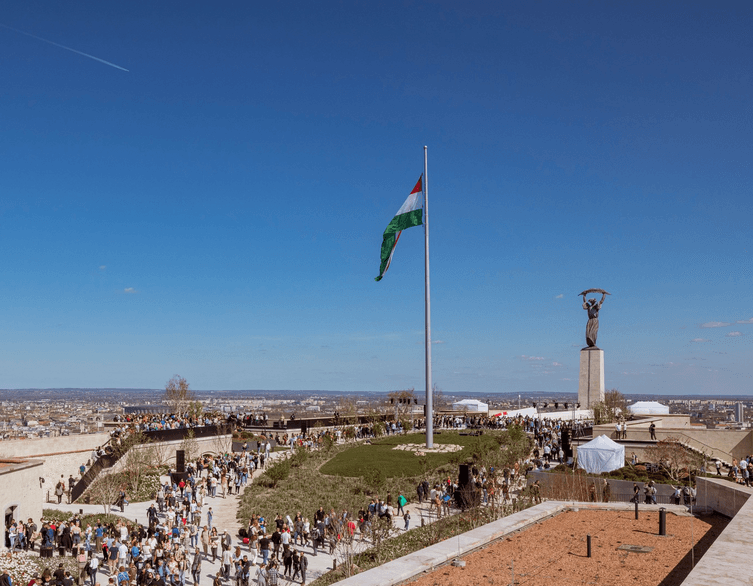
Budapest’s Citadel Wins International Award for Its Remarkable Restoration
Budapest’s Citadel has a new reason to catch your attention—and this time, it is not just the view. The fortress on Gellért Hill has won the...
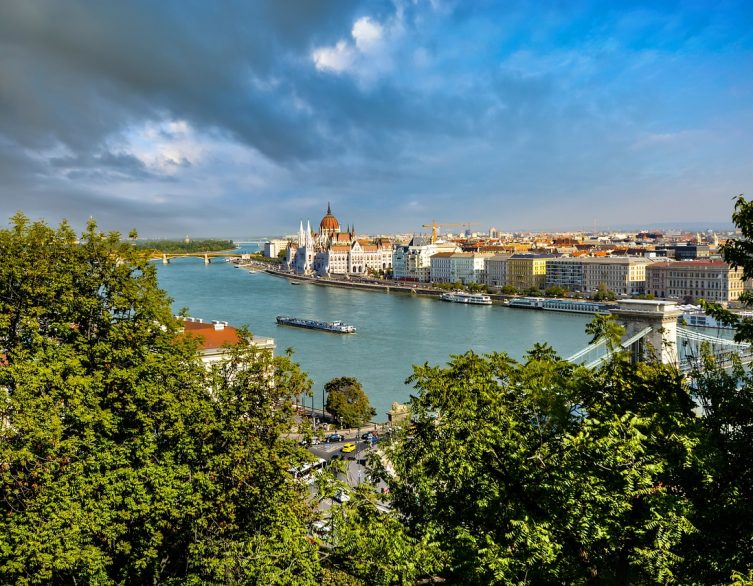
Budapest’s Best Autumn Views in 2026
Budapest rewards anyone willing to change perspective. Climb above its rooftops, wander along the Danube or follow a woodland path into the Buda...
Eleven Ősz 2026: Budapest’s Autumn Street Festival Takes Over Bartók Béla Boulevard
Every September, one of Budapest’s coolest neighborhoods trades its usual weekend calm for two days of art, music, dance, and street life....
Bartók Feszt’ 2026: Budapest’s Free Late-Summer Festival You Shouldn’t Miss
If you’re planning a trip to Budapest toward the end of August, mark August 29 on your calendar. That’s when Bartók Feszt’ takes...

Solar Eclipse Over Budapest: A Rare Sky Show You Won’t Want to Miss
On the evening of August 12, 2026, Budapest will get a front-row seat to a genuinely rare astronomical event: a partial solar eclipse that turns...

Please Don’t Turn Gellért Hill’s Trees Into Gym Equipment, Budapest’s Park Rangers Ask
If you’re planning to visit Gellért Hill in Budapest, you’re in for one of the city’s most scenic natural escapes — but local...
Why the Elizabeth Lookout Tower on János Hill Is Closed — and What It Means for Your Budapest Trip
If you were hoping to climb Budapest’s highest viewpoint this year, there’s some disappointing news: the beloved Elizabeth Lookout Tower...
Budapest Wants to Hear From You: A Weekend Reminder to Look Down at the Sidewalks
Most visitors come to Budapest for the thermal baths, the river views, or the pastries, but there’s a quieter story unfolding right now that’s...
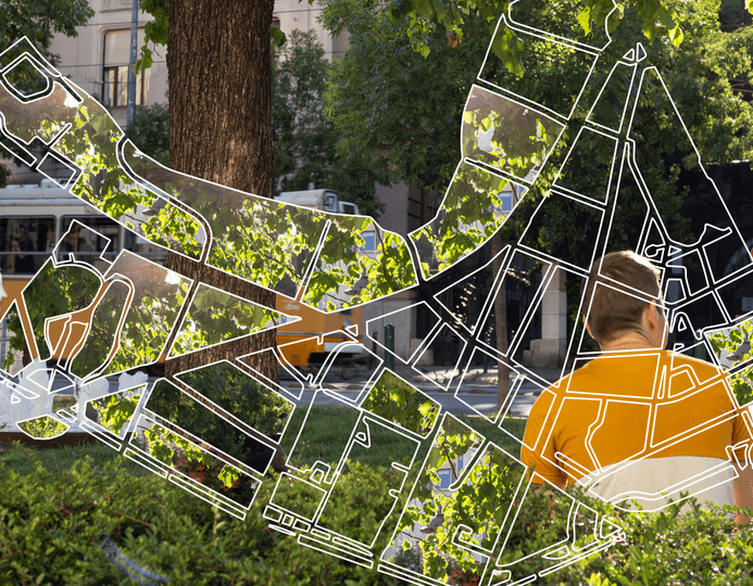
Bartók District: Budapest’s Coolest Neighbourhood You’ve Never Heard Of
If you think you’ve already seen the best of Budapest after ticking off the Parliament, the Chain Bridge, and a ruin bar or two — think again....
Your Practical Guide to Budapest’s Renewed Citadella
Budapest’s most iconic hilltop fortress has just reopened after more than a decade of restoration, and it’s well worth the trip up. Here’s...
Budapest’s Citadella Is Back — and It’s Better Than Ever
If you’ve ever looked up at Gellért Hill while crossing one of Budapest’s famous bridges and wondered about that striking fortress crowning...
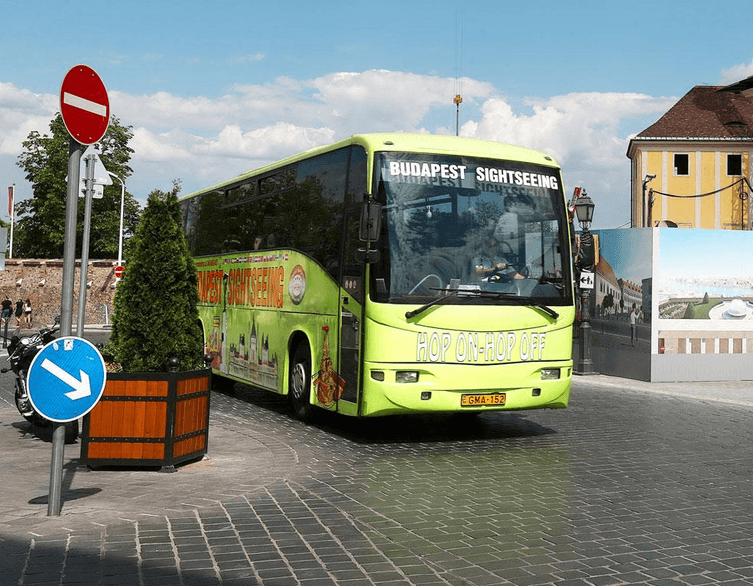
New Bus Rules on Gellért Hill: What Tourists Need to Know Before Visiting the Citadella
Budapest’s most dramatic hilltop is about to get a little more peaceful — and a lot more exciting. Gellért Hill, home to the newly renovated...
Related events
Related attractions
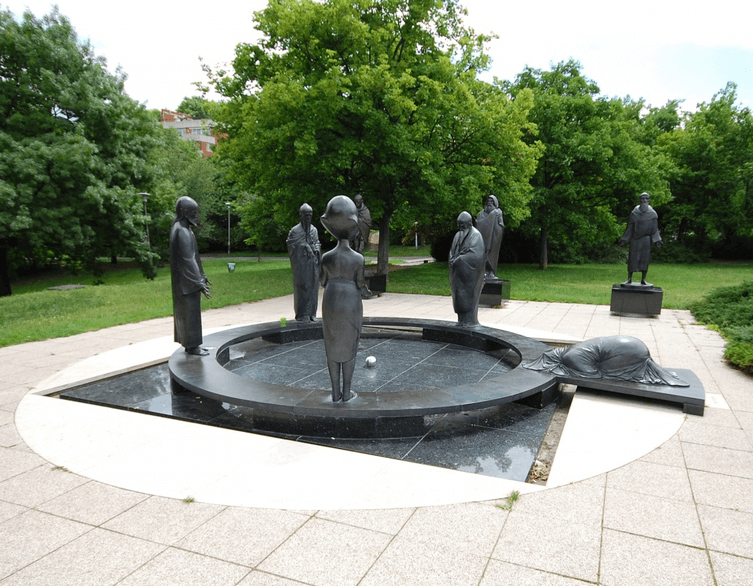
The Garden of Philosophers: Budapest’s Hidden Spiritual Sanctuary on Gellért Hill
Tucked away on the tranquil western slopes of Gellért Hill, the Garden of Philosophers (Hungarian: Filozófusok Kertje or Filozófiai Kert) stands...
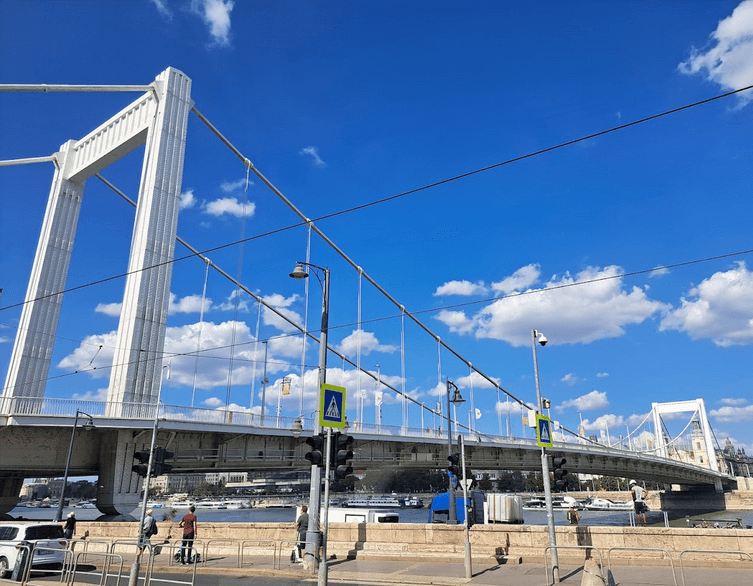
The Bridges of Budapest: A Complete Guide to the Danube’s Most Beautiful Crossings
Budapest’s bridges are far more than mere transportation links – they are the city’s crown jewels, each telling a unique story of engineering...
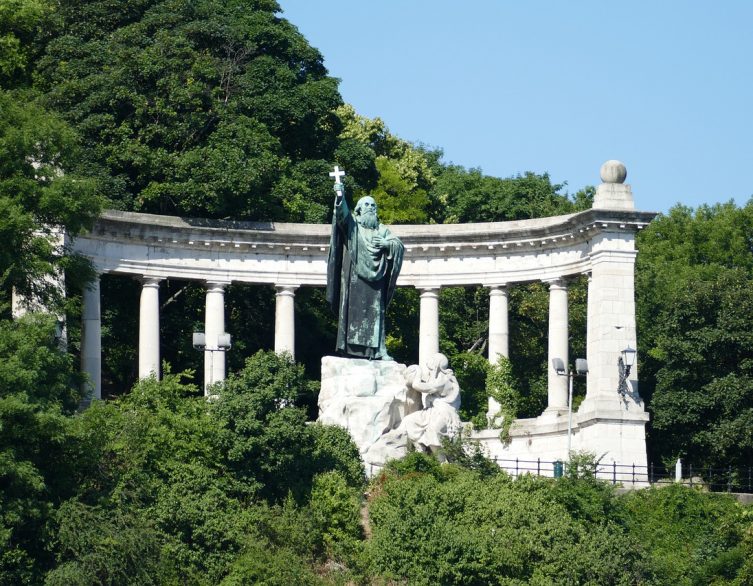
Gellért Hill: A Breathtaking Escape in the Heart of Budapest
Towering above the majestic Danube River, Gellért Hill stands as a captivating landmark in the historic city of Budapest. This iconic hill, rising...
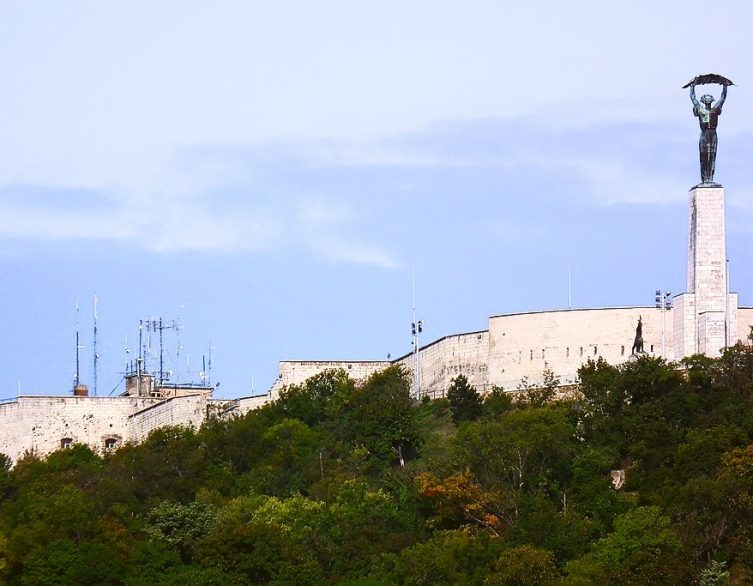
Towering Over Budapest: Exploring the Historic Citadella
If you’re visiting Budapest and looking for a place that offers breathtaking panoramic views along with a fascinating glimpse into the city’s...