Hungary Named One of the World’s 20 Most Peaceful Countries in 2026
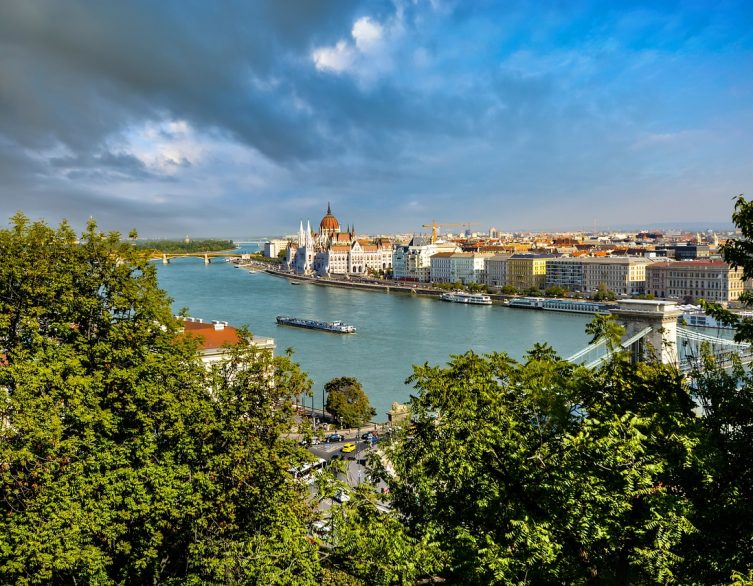
If safety is on your mind while planning a trip to Budapest, here’s some reassuring news straight from the data. Hungary has climbed to 15th place in the Global Peace Index 2026, securing its spot among the world’s twenty most peaceful nations. For anyone weighing up their next European getaway, that’s a solid vote of confidence in Budapest as a destination.
What the Global Peace Index Actually Measures
The Global Peace Index, compiled annually by the Australian-based Institute for Economics and Peace, is widely regarded as the world’s leading measure of peacefulness. Rather than ranking countries by wealth, infrastructure, or quality of life, it focuses purely on how safe and stable a society actually is. The index draws on 23 separate indicators grouped into three broader categories: societal safety and security, the level of ongoing domestic and international conflict, and the degree of militarization.
Each indicator is scored on a scale from 1 to 5, and crucially, the lower the score, the more peaceful the country. This year’s report covers 163 countries, representing nearly 99.7 percent of the world’s population, making it one of the most comprehensive peace rankings available.
Where Hungary Stands This Year
Hungary earned an overall score of 1.538 in the 2026 index, good enough for 15th place globally, an improvement on last year’s 17th-place finish. Breaking down the numbers, Hungary performed particularly well on indicators like terrorism impact, weapons exports, and deaths from external conflict, all scoring close to the best possible mark of 1. Areas like police rate and weapons imports scored somewhat higher, though still well within the range typical of stable, low-conflict nations.
For context, Hungary now ranks ahead of countries such as the Netherlands, Latvia, and Australia. Iceland continues to hold the top spot, a position it has occupied for nearly two decades, followed by New Zealand, Switzerland, Slovenia, and Ireland rounding out the top five. The broader top ten skews heavily European, with Japan making a fresh appearance this year after Canada dropped out of the leading group.
Best deals of Budapest











A World Getting Less Peaceful Overall
Hungary’s improved ranking stands out partly because it runs against the grain of a much bleaker global trend. According to the report, global peacefulness has now declined for twelve consecutive years, with the conditions that typically precede major conflict at their worst levels since World War II. This year alone, 99 countries saw their peacefulness scores worsen, while only 62 improved.
The numbers behind this shift are striking. There are currently 61 active state-based conflicts happening around the world, the highest figure since the end of World War II, and conflict-related deaths reached over 181,000 in 2025 alone, a sixfold increase since 2008. Even Iceland, despite retaining its number one ranking, recorded a decline in its overall score this year, a sign of just how widespread the deterioration has been.
Researchers point to what they’re calling “the Great Fragmentation,” a shift in global power away from traditional Western dominance toward a wider, more competitive field of influential middle powers. Combined with the rapid rise of AI-driven warfare technology, including a reported increase of over 11,500 percent in drone attacks between 2018 and 2025, the report paints a picture of a world where conflict is evolving faster than the diplomatic and legal frameworks meant to contain it.
Why This Matters for Travelers
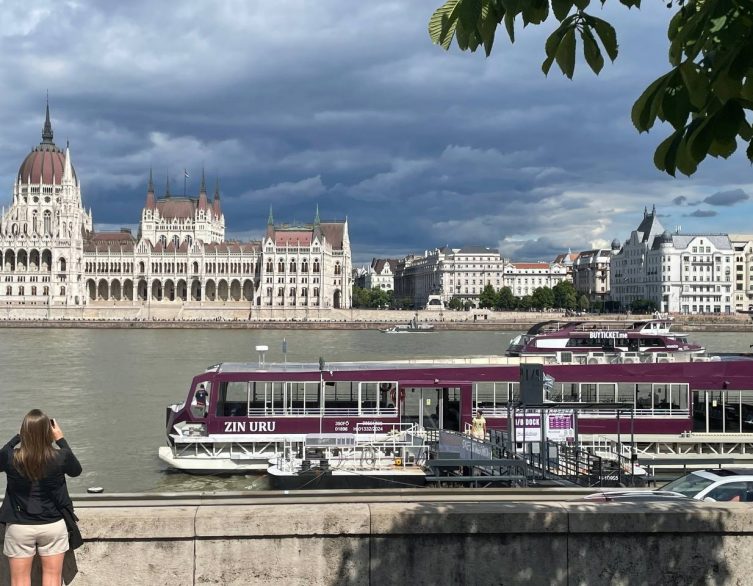
Against that global backdrop, Hungary’s steady position in the top twenty offers a genuinely reassuring signal for anyone considering a visit. Budapest has long had a reputation as a safe, walkable, and welcoming European capital, and this year’s ranking backs that reputation up with hard data rather than just anecdote. Low scores across categories like terrorism impact, armed conflict, and violent crime suggest a country where visitors can reasonably expect the same calm, orderly experience that draws millions of tourists to its thermal baths, riverside promenades, and historic districts each year.
Of course, no index replaces common travel sense, and Budapest, like any major city, rewards visitors who stay reasonably aware of their surroundings, especially in crowded tourist areas or late at night. But for those weighing safety as a factor in their travel plans this year, Hungary’s 2026 ranking offers one more good reason to book that trip to Budapest with confidence.
Related news
Safer Taxi Travel in Budapest: Introducing the TaxiTrack App
Getting around Budapest is becoming safer and more transparent than ever. As of June 1, 2026, the city has introduced a new digital solution designed...
Budapest Ranked One of Europe’s Best Cities for Solo Travelers — And It’s Not Hard to See Why
So you’ve been thinking about taking that solo trip. Maybe you’ve been putting it off, telling yourself it’ll be lonely, or awkward,...
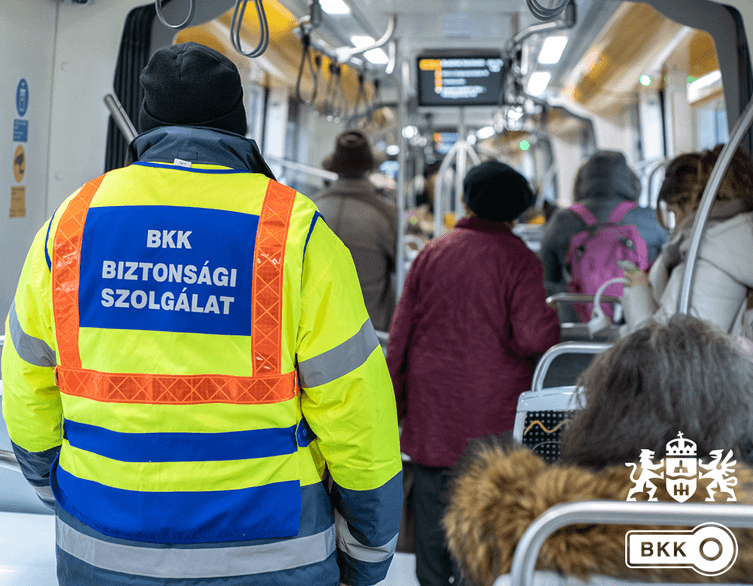
Safer Public Transport in Budapest: What Tourists Should Know About BKK and Police Checks in 2026
If you are planning to explore Budapest by tram, metro, or bus, there is some reassuring news from the city’s transport network. Budapest has been...
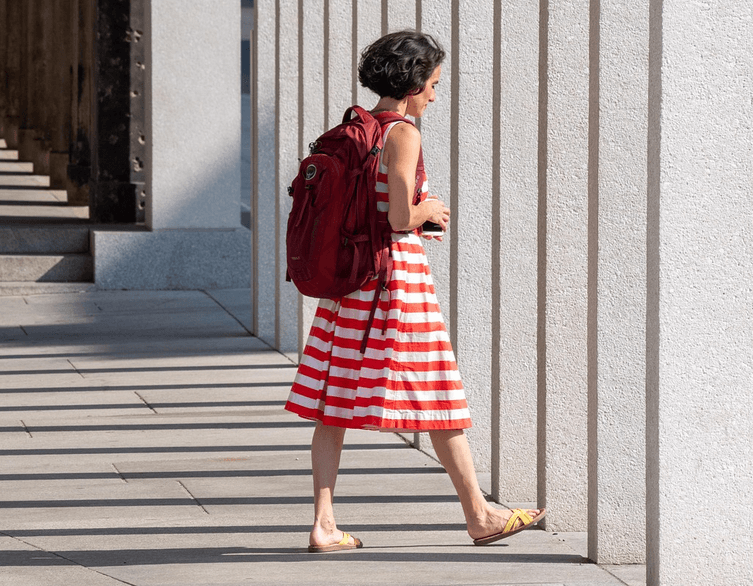
Exploring Budapest Solo: Why Hungary’s Capital is Perfect for Women Traveling Alone
Traveling solo as a woman can be an empowering and enriching experience, offering the freedom to explore at one’s own pace and discover new...