Manga Day Returns to the Museum of Ethnography: A Must-Visit Event for Japanese Culture Fans in Budapest
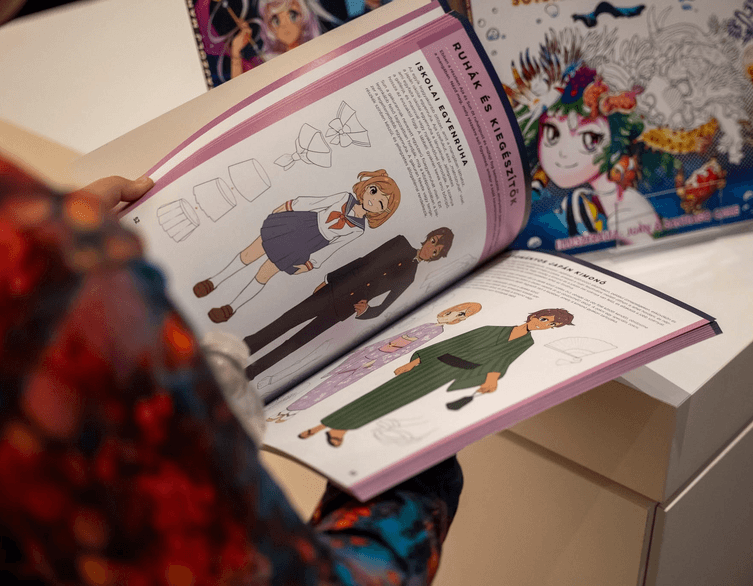
If you’re visiting Budapest this July and have even a passing interest in manga, anime, or Japanese culture, mark your calendar for Saturday, July 25, 2026. The Museum of Ethnography, one of the city’s architectural gems on Dózsa György út, is hosting the second edition of Manga Day, a full-day festival that sold out crowds this spring and is set to do it again. Running from 10:00 AM to 6:00 PM, this event transforms the museum into a vibrant meeting point between centuries-old Japanese artistry and today’s global pop culture phenomenon.
What Makes Manga Day Special
The event is built around the museum’s current exhibition, Manga – Hokusai – Manga, which explores the surprising connections between the legendary ukiyo-e artist Katsushika Hokusai and contemporary Japanese comics. Rather than presenting a straightforward timeline, the exhibition juxtaposes works from different eras, inviting visitors to rethink what “manga” really means. As a highlight, the show features pieces from seven contemporary manga artists who drew direct inspiration from Hokusai’s legacy.
But Manga Day extends far beyond gallery walls. Throughout the day, curators lead guided tours that unpack the links between Hokusai’s 200-year-old drawings and today’s comic art, while hands-on workshops let visitors become part of the experience rather than just observers.
Best deals of Budapest










Hands-On Workshops You Won’t Want to Miss
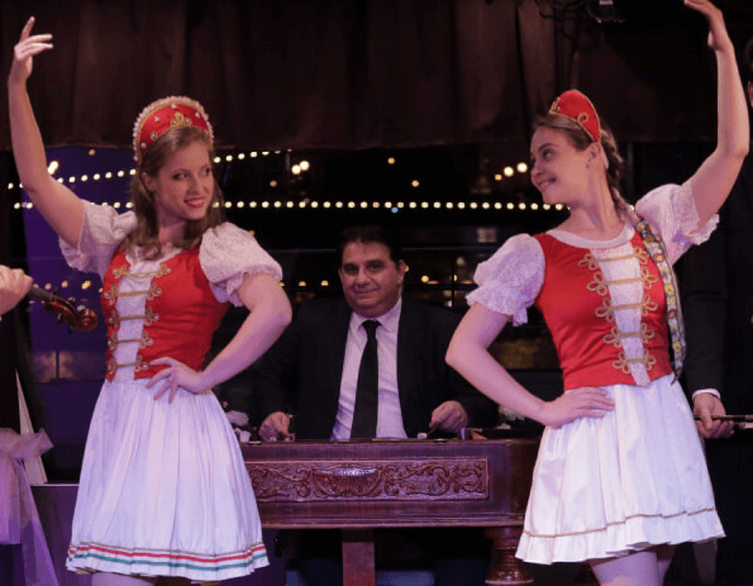
This is where the event truly shines for international visitors. You can try traditional ukiyo-e woodblock printing using authentic Japanese tools and water-based inks, taking home a postcard-sized print as a souvenir. There’s also a yukata dressing workshop, where after a short talk on the history of Japanese traditional garments, you can try on a summer kimono yourself.
Calligraphy enthusiasts can practice sumi-e brushwork and Japanese calligraphy centered on themes like Mount Fuji and manga itself, guided by practitioners from the Zen Academy. For something more playful, fan-making workshops let you craft either a traditional Japanese summer fan decorated with seasonal motifs, or an “oshi-katsu” fan, a beloved trend among Japanese fans who decorate fans with images of their favorite idols, anime characters, or celebrities (note: this workshop requires advance registration and asking you to bring a printed photo of your own favorite character or celebrity).
Talks, Folklore, and Pop Culture Deep Dives
Throughout the day, expert speakers cover everything from yokai (supernatural creatures like the shape-shifting kitsune fox spirits and mischievous tanuki) in modern pop culture, to the history of Japanese doll-making, to the inner workings of publishing manga for Hungarian readers. There’s even a candid roundtable with the editorial team behind Hungary’s Fumax manga imprint, discussing the challenges of translation and design that go into every published volume.
For younger visitors and families, traditional kamishibai paper theater performances tell classic Japanese folktales like Urashima Taro and Princess Kaguya, performed in Japanese with Hungarian interpretation, though the visual storytelling makes them enjoyable regardless of language.
Music and Meditation to Round Out the Day
Manga Day balances high energy with quiet reflection. In the afternoon, calming sakuhachi bamboo flute performances introduce visitors to Zen Buddhist meditation traditions. Later, the JH NEXUS Sounds ensemble performs live anime and video game music blended with traditional Japanese instruments, and the day closes with a powerful taiko drumming concert by the YumeDon Taiko Studio, a fitting, high-energy finale.
Video game fans can also drop by the on-site cinema room for a retrospective on Japanese video game history, courtesy of the Japanese Embassy, while a dedicated corner from the Japan Foundation offers manga to read and traditional Japanese games to try.
Practical Information for Visitors
Tickets cost 2,500 HUF and grant access to all exhibitions and programs for the entire day, sold at the museum’s entrance ticket counters. Children under three enter free. Note that the exhibition space has limited capacity, so expect some queuing specifically for the Manga – Hokusai – Manga exhibition itself (though workshops and other exhibits can be enjoyed without waiting). If you’re purely after a quiet, uncrowded look at the exhibition, museum staff recommend visiting on a different day, since this is designed as a bustling festival experience rather than a typical gallery visit.
Some workshops require advance registration, so it’s worth checking the schedule ahead of time if there’s a specific activity you don’t want to miss.
Why Tourists Should Add This to Their Itinerary
Budapest is packed with baroque palaces and thermal baths, but Manga Day offers something refreshingly different: a genuine cultural exchange between Japan and Hungary, hosted inside a stunning, historic building. Whether you’re a longtime otaku or simply curious about Japanese art and storytelling, the mix of workshops, live music, and expert talks makes for a memorable day that goes well beyond a typical museum visit. Given how quickly the spring edition filled up, arriving early is a smart move if you want to catch the most popular sessions, like the curator-led exhibition tours.
Related attractions
Related news

What’s on in Budapest This Weekend: July 23–26, 2026
This weekend, Budapest turns into a playground of extremes — from screaming Formula 1 engines to howling doom-rock guitars, splashing thermal pools...

A Summer for Fans, Geeks, and the Young at Heart
Let’s be honest: Budapest’s thermal baths and baroque palaces are lovely, but sometimes you just want to see a Stormtrooper standing...

Manga – Hokusai – Manga: Where 200 Years of Japanese Art Collide
There are exhibitions that display art, and then there are exhibitions that make you rethink everything you thought you knew about it. The Manga...
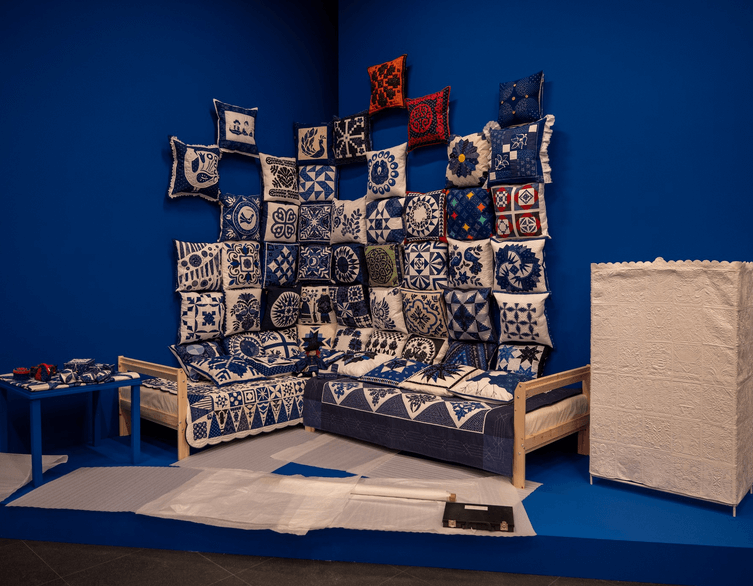
The Art and Storytelling of “Blueprint Patchwork” at the Museum of Ethnography
If you’re exploring Budapest and want to step off the usual tourist trail into something quietly magical, head to the Museum of Ethnography...

Budapest’s Museum of Ethnography Wins New International and National Honors
Budapest’s cultural scene has once again received the spotlight as the Museum of Ethnography (Néprajzi Múzeum) collected prestigious awards...