The Danube’s Historic Low Water Levels in Budapest
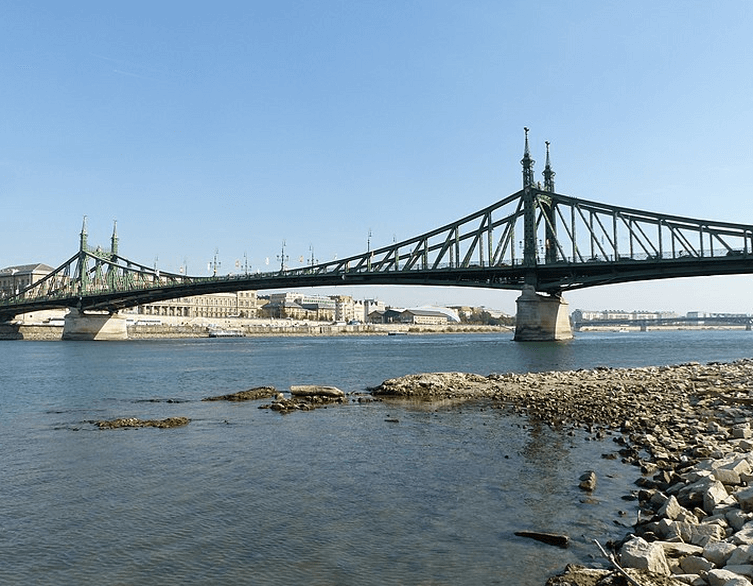
If you’re visiting Budapest, you’ll notice something unusual along the riverbanks — the Danube has dropped to some of its lowest levels in years, turning parts of the city’s most famous river into a genuinely rare sight worth seeing while you’re here.
Why the Danube Is So Low Right Now
Budapest’s water level sat at just 39 to 40 centimeters recently, a dramatic drop from 47 centimeters recorded only a few days earlier on July 14. Forecasts suggest the trend could continue, and while it’s not yet the lowest ever recorded (that record stands at 33 centimeters, set in October 2018), it’s still remarkably low for midsummer. The drop isn’t isolated to Budapest either — new record lows have been set at Mohács (38 cm) and Baja (25 cm), with further declines expected before levels stabilize. Even upstream, the Romanian stretch of the Danube has seen flow rates drop to a two-decade low, and Hungary as a whole is currently experiencing drought conditions ranging from severe to extreme.
Is Budapest’s Drinking Water Safe?
If you’re wondering whether this affects your trip in any practical way, the good news is no. Fővárosi Vízművek, Budapest’s water utility company, has confirmed that the city’s drinking water supply remains completely safe despite the low Danube levels. The system relies on bank-filtered wells along the river, and while their performance is naturally tied to the Danube’s water level, the utility says it has more than enough production capacity to keep water flowing safely to Budapest and the surrounding towns it serves. That said, they’re asking residents and visitors alike to use water responsibly during the summer heat, since consumption spikes noticeably this time of year from extra showers, pool filling, and garden watering.
A Rare Sight: The Hunger Rock Emerges
One of the most fascinating side effects of the low water is happening right at the foot of Gellért Hill, where a sandstone formation known as the Hunger Rock (Ínség-szikla) has surfaced. This landmark, often nicknamed “Hungary’s lowest mountain peak,” sits near the Liberty Bridge and is usually submerged beneath the Danube for most of the year, only reappearing when the water level drops below roughly 95 centimeters. That makes it a genuine drought marker, and its very name comes from a centuries-old legend linking its appearance to lean, difficult times, since low water historically meant halted river mills, disrupted shipping, and eventually, scarce harvests. With water levels this low, extra rocks around the formation have surfaced too, rocks that haven’t been visible in recent memory, giving curious visitors and photographers a genuinely rare glimpse of the riverbed. The best vantage point is from Liberty Bridge itself, which offers an excellent view straight down onto the rock.
Best deals of Budapest









Margaret Island’s Southern Tip Turns Into a Playground
Perhaps the most charming consequence of the shrinking river is happening at the southern tip of Margaret Island (Margitsziget), one of Budapest’s most beloved green spaces in the middle of the Danube. The receding water has exposed so much extra riverbed that the area has essentially turned into an impromptu playground, with locals and visitors wandering out onto sandy patches that are normally underwater. It’s an unusual and photogenic scene, and if you’re already planning to visit Margaret Island for its parks, running paths, or the Musical Fountain, it’s worth walking down to the southern point to see this rare transformation for yourself.
Boat Tours and River Cruises Are Affected
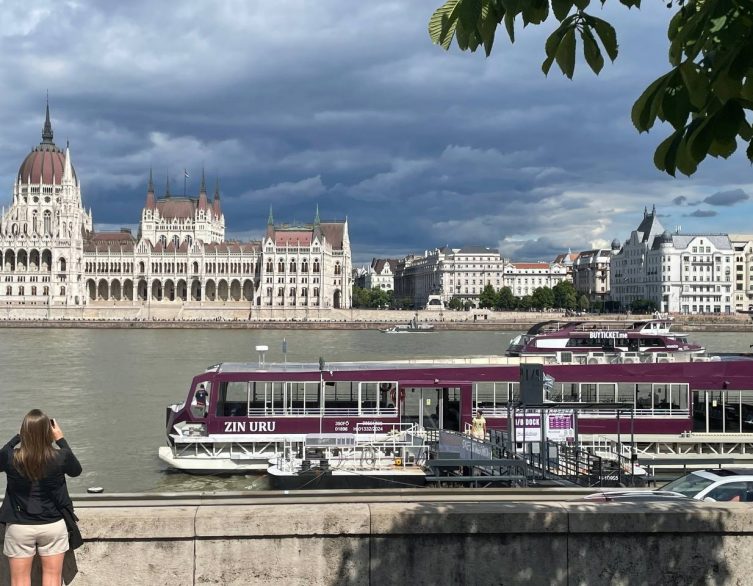
If a Danube boat trip is on your Budapest itinerary, it’s worth double-checking your booking before you go. Mahart PassNave, the main river cruise operator, has suspended or altered several of its routes because of the extremely low water levels. Until July 19, the Budapest–Szentendre, Budapest–Visegrád, Visegrád Hop-On, and Visegrád–Esztergom routes are all out of service, along with the Esztergom walking boat tour and the hydrofoil service. The daytime Budapest Hop-On boat is still running, but with a notable change: it’s currently skipping the Margaret Island Sport Pool stop. If you had your heart set on a specific river route, it’s worth checking the operator’s website directly before heading to the dock, since conditions are shifting day by day.
A Wider Regional Story
Budapest’s low water isn’t happening in isolation. Downstream in Paks, home to Hungary’s nuclear power plant, the Danube’s water temperature reached 25.2 degrees Celsius recently, a threshold that legally requires the plant to notify government authorities within four hours. Further along the river, a ferry crossing between Romania and Bulgaria was suspended entirely due to insufficient water depth, and grain-carrying ships in Romania can no longer reach their usual loading silos because the riverbed has become too shallow in places, exposing sandbanks throughout the waterway. It’s a vivid reminder that this drought is a Danube-wide phenomenon, not just a local Budapest curiosity.
What This Means for Your Trip to Budapest
None of this should disrupt your visit in any major way, but it does add an unexpected item to your Budapest sightseeing list. Take a walk along the Pest or Buda embankments to see just how far the water has receded, stop on Liberty Bridge to spot the emerged Hunger Rock at the foot of Gellért Hill, swing by Margaret Island’s southern tip for that rare exposed sandbank scene, and if a river cruise is part of your plans, confirm the route is still operating before you arrive at the pier. Whether you find it a curiosity, a great photo opportunity, or simply an interesting bit of local context for your visit, Budapest’s shrinking Danube is one of the more unusual talking points in the city right now.
Related news
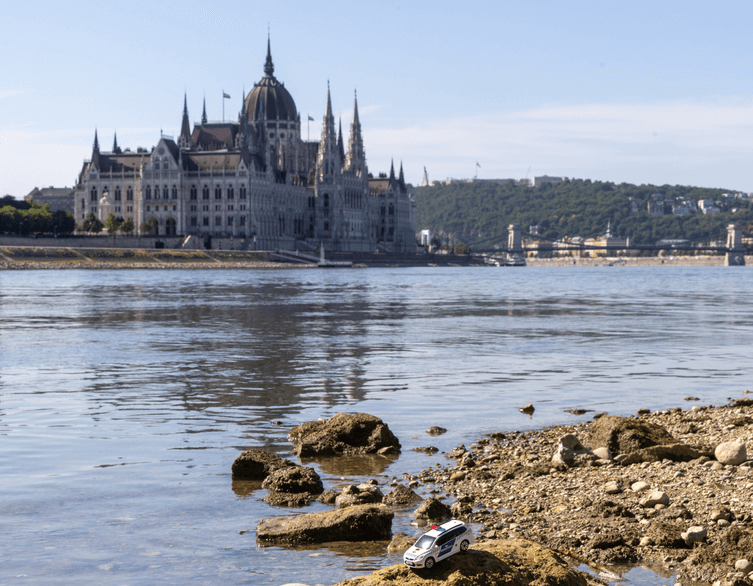
Autumn Arrives in Budapest: Cooler Air, Rain, and a Record-Low Danube
Budapest’s long, punishing summer is finally loosening its grip. A cold front sweeping in on Wednesday evening will end the heatwave for good,...
The Danube Just Hit Its Lowest Water Level Ever Recorded in Budapest
If you’re strolling along the Danube this week, you might notice something unusual: the river looks strikingly low, almost dramatically so....
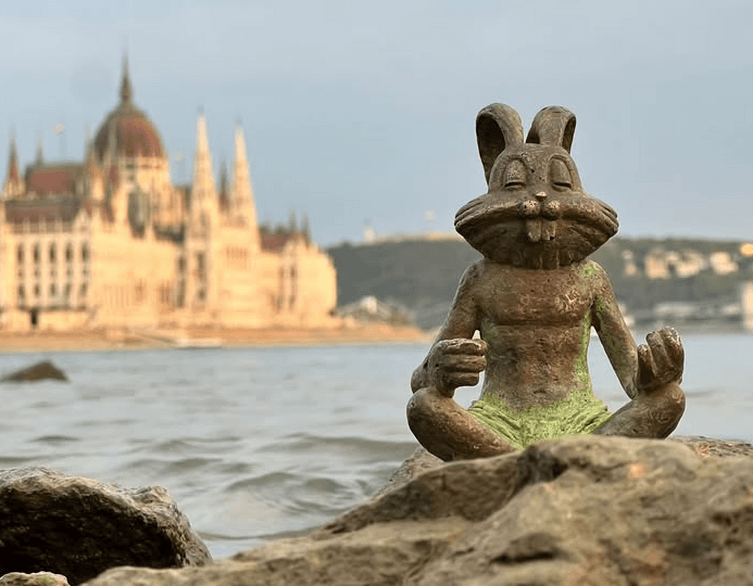
Budapest’s Tiniest Troublemaker Strikes Again: Two New Kolodko Statues to Hunt Down
If you’ve spent any time wandering around Budapest, you’ve probably noticed that this city has a soft spot for the unexpected. Tucked...

Why Budapest’s Danube Is Suddenly Giving Up Its Secrets — And Why You Shouldn’t Touch Them
If you’ve strolled along the Danube embankment near Margaret Bridge this summer, you may have noticed something odd: wide stretches of riverbed...
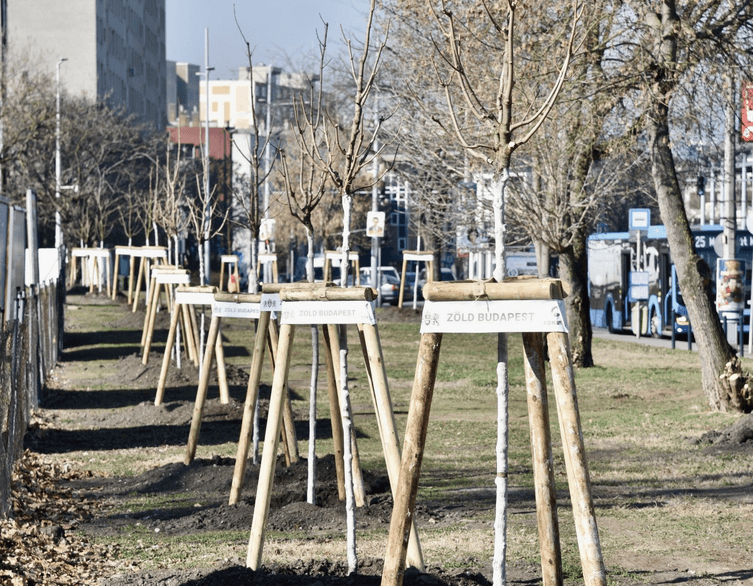
Budapest’s Urban Trees Need You: Join the Volunteer Water Giver Campaign
Budapest is one of Europe’s most beautiful cities — and a big part of that beauty comes from its trees. Those leafy giants lining the boulevards,...
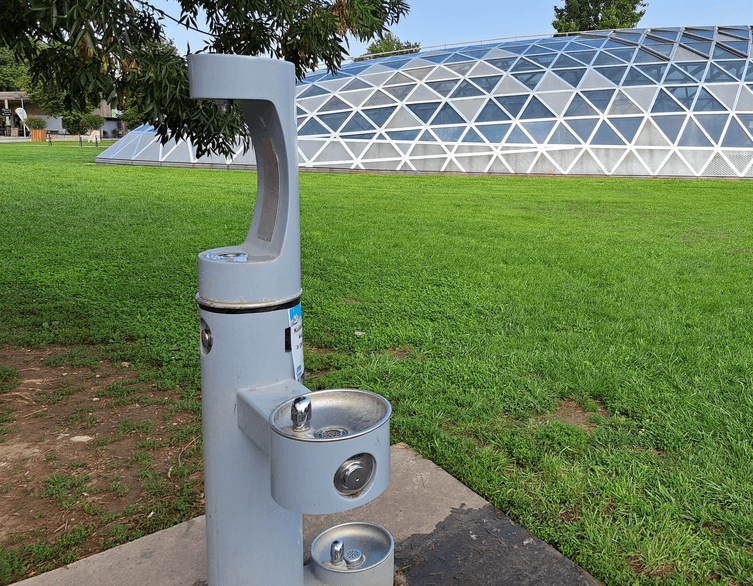
Stay Hydrated in Budapest: Free Drinking Water Fountains You Need to Know About
Budapest is a city made for exploring on foot. From the cobblestone streets of the Castle District to the buzzing ruin bars of the Jewish Quarter,...
Budapest’s Hunger Rock Is Back — And It’s Both Fascinating and Alarming
If you happen to be strolling along the Danube embankment in Budapest right now, you might notice something a little odd poking out of the river...
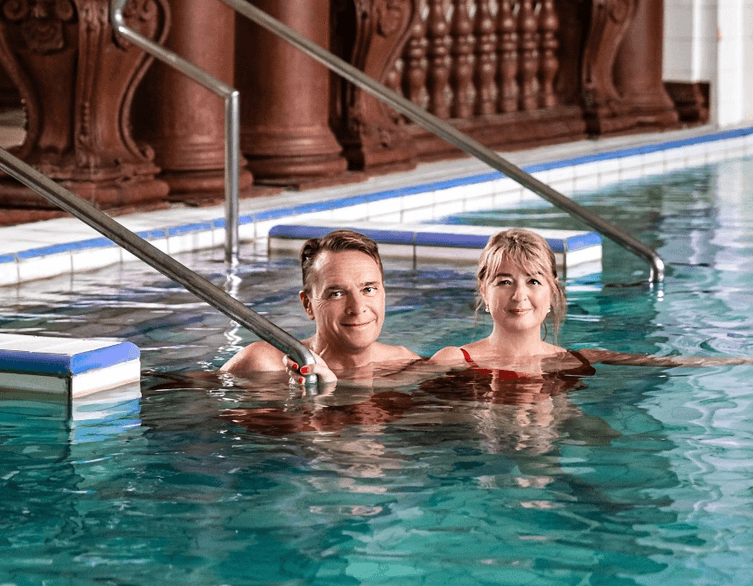
Budapest’s Healing Waters: Your Stress-Busting Guide to Hungary’s Thermal Treasures
So, you’ve made it to Budapest – congratulations! You’re about to discover one of the world’s best-kept secrets for melting away...