E-Scooter Safety in Budapest: What Every Visitor Should Know Before Renting One
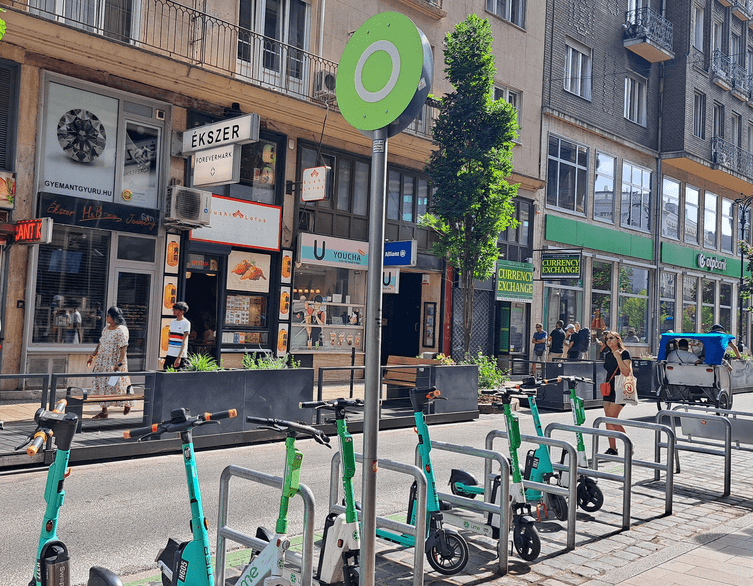
If you’re planning to zip around Budapest on a rented e-scooter this summer, there’s some important safety information you should know before you unlock that app. Hungary is currently in the middle of a serious public conversation about e-scooter safety, and the numbers behind it are sobering enough that every tourist hopping on a shared scooter should pay attention.
The Numbers Behind the Warning
Between January 1 and May 22 of this year alone, 745 adults and 449 children were injured in electric scooter accidents across Hungary, a sharp rise compared to the same period last year, when 603 adult injuries and just 257 child injuries were recorded. Even more troubling, two children under the age of 14 have already lost their lives in scooter accidents this year, and a 13-year-old boy has been in a coma for more than three months following a severe scooter crash. In 2024, Hungary recorded 367 road accidents involving e-scooters, and in just the first five months of this year that number already reached 176, with e-scooters now responsible for roughly 3 to 4 percent of all road accidents in the country. In July alone, 28 children were admitted to Heim Pál Children’s Hospital following scooter accidents, many with concussions, broken fingers, forearm and wrist fractures, and bruising, with several cases requiring surgery, while Bethesda Children’s Hospital reportedly sees 4 to 5 scooter-related child injuries every single day.
The National Ambulance Service Foundation has been vocal about the issue, with Dr. Éva Czakler, deputy chair of the foundation’s board and an emergency physician, describing the daily reality in Hungarian hospitals: paramedics regularly treat scooter riders who suffer serious multiple injuries, not minor scrapes but broken bones and skull fractures, often from people who assumed an accident like this could never happen to them. Her message to riders is blunt but memorable: helmets might feel uncool, but staying alive is a lot cooler.
To be fair, an e-scooter isn’t inherently dangerous on its own. It’s the way it’s used, the surrounding environment, and rider carelessness that turn it into a hazard, and riding cautiously, with proper protective gear and adherence to the rules, significantly reduces the risk.
Never Ride Two on One Scooter
One especially important warning worth repeating for families traveling together: never let two people, especially an adult and a child, share a single e-scooter, even for a short trip. It might feel harmless for a quick ride, but it’s genuinely dangerous. An electric scooter is designed for exactly one rider at a time, and a child standing or holding on alongside an adult can easily lose their balance, often resulting in serious injury. If you’re traveling with young children, they’re much safer walking, cycling, or riding a scooter sized appropriately for their own age rather than squeezing onto an adult rental scooter. And regardless of age, skip the headphones while riding, since being unable to hear approaching traffic or a car horn removes a critical layer of awareness on the road.
The Legal Reality: E-Scooters Are Treated Like Cars, Not Bikes
Here’s a detail that surprises many visitors and locals alike: Hungarian police have confirmed that any electric scooter or e-bike that moves without human pedaling effort legally counts as a moped-class vehicle, meaning insurance, a helmet, and a driving license are all technically required. This also means that riding under the influence of alcohol on one of these devices is prosecuted exactly like drunk driving a car, even though you’re technically just riding a scooter. Scooters capable of exceeding 25 km/h fall under this same classification and set of rules.
This distinction has already led to serious legal consequences for riders, including one widely discussed case where a young man renting a scooter while intoxicated received an 1.8 million forint fine and a year-and-a-half driving ban, despite only injuring himself and posing no danger to others at the time. The case has become something of a symbol in the ongoing debate about how strictly these incidents should be punished, precisely because current traffic regulations still don’t explicitly address e-scooters in detail, leaving courts to fill the legal gaps case by case. For full official guidance, Hungarian police direct the public to police.hu for detailed rule explanations.
Best deals of Budapest









New Rules Are Coming
The good news is that Hungary’s government is actively working to modernize the rules around e-scooters, recognizing that the current legal grey area isn’t working for anyone. Transport and Investment Minister Dávid Vitézy has confirmed that a public consultation on e-scooter regulations will begin shortly, with a draft government decree expected by the end of summer. Riders and companies will be given a preparation period before any new rules take effect.
Under the proposed framework, scooters would be split into two categories. Low-power scooters, capped at 25 km/h, would follow rules similar to bicycles, but with important differences: riders must be at least 12 years old, absolutely no alcohol is permitted, and helmets will become mandatory. High-power scooters, meaning anything with a motor exceeding 1,000 watts or capable of exceeding 25 km/h, would be regulated more like mopeds, banned from sidewalks entirely, restricted to riders 14 and older, and requiring a proper motorcycle-style helmet.
Riding Safely After Dark
Evening scooter rides through Budapest’s illuminated streets and along the Danube can be genuinely magical, but riding in the dark multiplies the risks considerably. If you’re heading out after sunset, only do so if you’re confident you’ll actually be visible to others. Turn on your scooter’s lights, and wear reflective clothing or accessories wherever possible, since the more noticeable you are, the safer your ride becomes. Avoid using your phone while riding, and keep your headphones tucked away in your bag rather than in your ears. Never assume other road users will spot you on their own. Make yourself visible instead of hoping to be seen, and you’ll dramatically improve your odds of getting back to your hotel safely.
Practical Tips for Riding Responsibly
A few sensible habits go a long way toward making your scooter experience both safer and more enjoyable during your Budapest visit. Stay alert and anticipate that other road users may not see or expect you, and resist the urge to check your phone or wear headphones while riding. Keep in mind that scooters offer virtually no physical protection, unlike a car’s body frame, so any impact is absorbed directly by the rider.
Maintain a sensible speed rather than pushing the scooter’s full capability, especially in busy tourist areas with lots of pedestrians. Always keep both hands firmly on the handlebars, since one-handed riding while juggling a shopping bag, coffee, or phone is a common cause of accidents. Never ride after drinking alcohol or using any substance that affects your judgment, and stay attentive to road conditions, since potholes, slippery patches, or sudden curbside obstacles can catch you off guard. Be considerate of pedestrians by slowing down around foot traffic and signaling clearly when passing, and take a little time to plan routes with lighter traffic or dedicated bike lanes whenever possible, since these tend to make for a noticeably smoother and safer ride.
What This Means for Your Trip
None of this should scare you away from experiencing Budapest by scooter, since it remains one of the most convenient ways to explore the city between its major sights. But it’s worth treating a rented e-scooter with exactly the same seriousness you’d apply to driving a car in an unfamiliar country. That means always wearing a helmet regardless of what’s currently required, never riding after having a drink, staying alert to Hungarian traffic patterns which may differ from what you’re used to at home, and being extra cautious around pedestrian areas and cobblestone streets in the historic parts of the city.
Budapest is a wonderful city to explore on two wheels, whether powered or pedaled, but the current wave of safety concern happening across the country right now is a useful reminder that convenience shouldn’t come at the cost of caution. A helmet, a clear head, and a bit of common sense will make sure your scooter ride through the city stays a highlight of your trip rather than the reason it ends early.
Related news
Hungary’s New Traffic Rules Arrive in 2026: What Drivers, Cyclists, and E-Scooter Riders Need to Know
From September 2026, Hungary will roll out its most significant road safety reform in over fifty years — a brand-new Highway Code (KRESZ) that...
Staying Safe on Electric Scooters in Budapest: What Every Visitor Needs to Know
Electric scooters have become one of the most popular ways to explore Budapest, zipping along the Danube embankment, through the historic Castle...
Rolling with the Rules: What Tourists Need to Know About E-Scooters in Budapest’s Erzsébetváros
Welcome to Budapest, the city where history meets hipster, and where your sightseeing can be as easy as hopping on an electric scooter-if you know...
Budapest’s Latest Mobi-points: The City’s Solution for Bikes and Scooters
Visitors strolling through Budapest’s charming streets may have noticed distinctive green-marked parking areas labeled “Mobi-pont.”...