Festival of Folk Arts 2026: Budapest’s Ultimate Handicraft Celebration
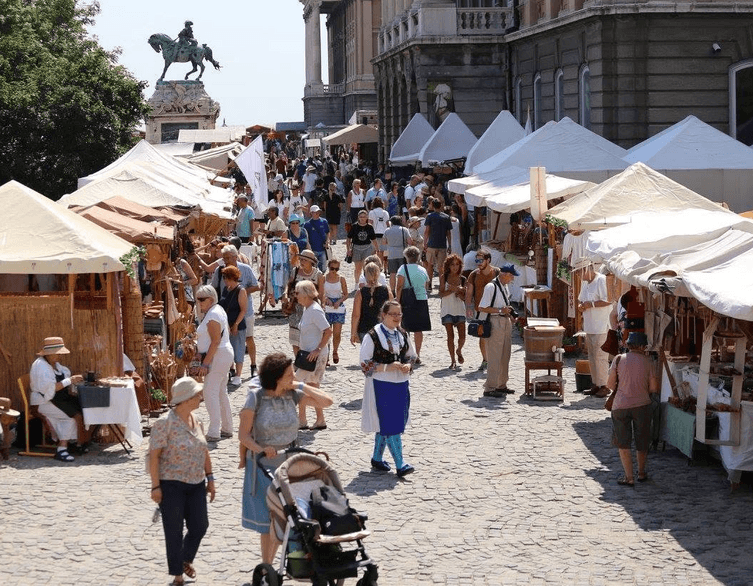
If you’re planning a trip to Budapest this August, mark your calendar for one of Hungary’s most cherished cultural traditions. The Festival of Folk Arts returns for its landmark 40th edition, running from August 20 to 23, 2026, in the historic Buda Castle district. Known as the largest handicraft festival in the Carpathian Basin, this four-day extravaganza transforms the cobblestone streets of the Castle Quarter into a living showcase of centuries-old craftsmanship, folk traditions, and vibrant performances.
What Makes This Festival Special
Picture nearly a thousand master artisans setting up shop in the shadow of one of Europe’s most iconic castle complexes. That’s exactly what awaits visitors at the Festival of Folk Arts. Nearly 800 craftspeople open their workshops directly to the public, letting you watch—and often try your hand at—traditional trades that have shaped Hungarian and Carpathian culture for generations.
You’ll wander past leatherworkers, lace makers, bone and horn carvers, potters, blacksmiths, and gingerbread bakers, each demonstrating techniques passed down through families and guilds. Other highlights include felt and wool crafting, candle dipping, beadwork and jewelry making, embroidery, indigo dyeing (known locally as kékfestő), straw weaving, and traditional egg decorating. This year’s festival puts a special spotlight on pottery, with dedicated demonstrations and exhibitions celebrating this ancient craft.
Whether you’re a curious first-timer or a seasoned collector of folk art, you’ll find something worth taking home—and plenty to admire even if you’re just browsing.
International Guests Bring the World to Budapest
One of the festival’s most exciting features this year is its truly global guest list. Master artisans travel from South Korea, Poland, Kyrgyzstan, Kazakhstan, Uzbekistan, and Turkey to share their traditions alongside Hungarian craftspeople.
South Korean artisans will demonstrate najeonchilgi, an exquisite decorative technique where thin pieces of mother-of-pearl are inlaid into wooden objects and finished with lacquer, a practice with centuries of history in Korean culture. Turkish visitors bring the art of silver-thread embroidery on traditional garments, while Kyrgyz ethnographers and artisans showcase the making of the elechek, a traditional headdress recognized on the UNESCO Intangible Cultural Heritage list. Kazakh jewelry makers round out the international lineup with intricately crafted pieces that reflect Central Asian artistic traditions.
As the festival’s honored guest nation this year, the United States also sends acclaimed craftspeople, dancers, and musicians to join the celebration, adding an unexpected transatlantic flavor to this deeply European gathering.
Best deals of Budapest






Stage Performances and the folkTREND Fashion Show
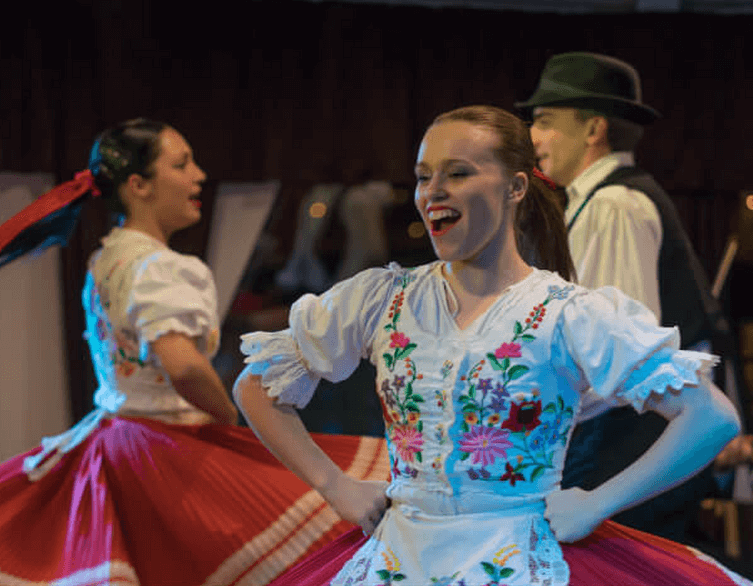
Craft isn’t the only draw here. The festival’s main stage buzzes with performances throughout each day, featuring well-known Hungarian musicians alongside exciting emerging talent. Expect folk music, dance, and cultural performances that run late into the evening.
One standout event is the folkTREND fashion show, a program launched in 2016 that invites contemporary designers to reinterpret traditional Hungarian folk costumes for modern wardrobes. This year’s show is choreographed by Enikő Kocsis and Dezső Fitos of the Fitos Dezső Dance Company, featuring their dancers alongside the Magyar Banda folk orchestra. It’s a fascinating bridge between heritage and contemporary style, and well worth catching if you’re interested in fashion or folk culture.
Don’t Miss the Saint Stephen’s Day Procession
If you’re visiting on August 20th, Hungary’s national holiday (Saint Stephen’s Day), you’ll witness a centuries-old tradition: the harvest wreath procession and bread blessing ceremony. The procession begins at 2:30 PM at the Hadik András equestrian statue, winding through Szentháromság Street, Tóth Árpád Promenade, Dísz Square, and Tárnok Street before arriving at Szentháromság Square for the ceremonial bread blessing at 3:00 PM. It’s a beautiful, solemn moment that connects the festival’s craft traditions to Hungary’s national identity.
Festival Hours and Practical Tips
The festival runs daily with slightly varying hours: craft workshops are open from 10:00 AM to 8:00 PM on August 20-22, and 10:00 AM to 7:00 PM on August 23. Stage performances start a bit later, typically between 10:00 AM and 11:30 AM, and continue until 9:00 or 10:00 PM depending on the day.
Getting there is straightforward. Take bus 16 or 16A from Széll Kálmán tér, or bus 16 from Clark Ádám tér, both of which drop you close to the Castle Quarter entrance. Note that driving and parking within the festival grounds are prohibited during opening hours, so public transport is your best bet.
The event takes place outdoors and is free to attend, though visitors should keep in mind the uneven cobblestone streets and low parapets typical of the historic Castle district. Dress comfortably, wear sturdy shoes, and if you’re visiting in the August heat, stay hydrated and consider light, breathable clothing. Security personnel are on-site throughout the festival, and basic health services, including an ambulance, are available on the grounds.
Why Foreign Visitors Should Prioritize This Event
For tourists, the Festival of Folk Arts offers something increasingly rare: an authentic, non-commercialized glimpse into Hungarian and Central European folk culture, set against the dramatic backdrop of Buda Castle. Unlike many staged cultural shows, this festival features real, working artisans who genuinely practice these crafts as their livelihood. Add in the international guest artisans, live performances, and the emotional weight of the Saint Stephen’s Day traditions, and you have a cultural experience that rewards curiosity, patience, and a willingness to wander.
Whether you come for the pottery demonstrations, the Korean lacquerwork, the fashion show, or simply the chance to explore Buda Castle during a festive atmosphere, the Festival of Folk Arts 2026 promises an unforgettable window into living heritage.
Related news
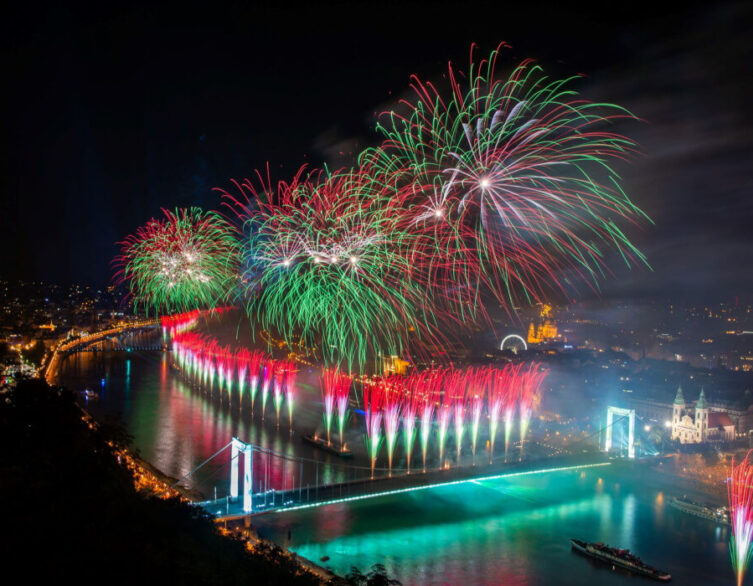
St. Stephen’s Day in Budapest 2026: Your Complete Visitor Guide
If you happen to be in Budapest around August 20, consider yourself lucky, because you’ve landed right in the middle of Hungary’s biggest...
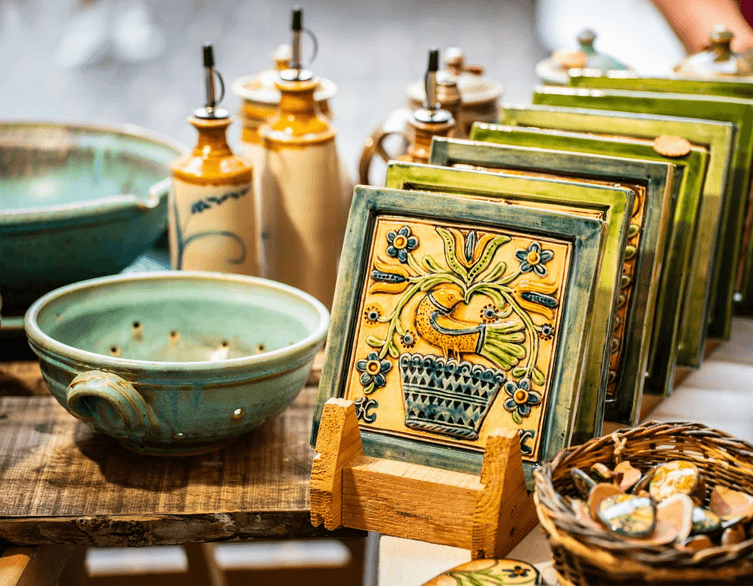
Budapest’s Festival of Folk Arts 2026: Pottery Takes Center Stage in Buda Castle
If you’re spending the third week of August in Budapest, clear your calendar for one of the city’s most colorful traditions: the Festival...

Budapest in August: Your Guide to the City’s Best Family Events
August in Budapest is the sweet spot of the Hungarian summer — the Danube glows gold in the evenings, the Buda Castle district smells like fresh...
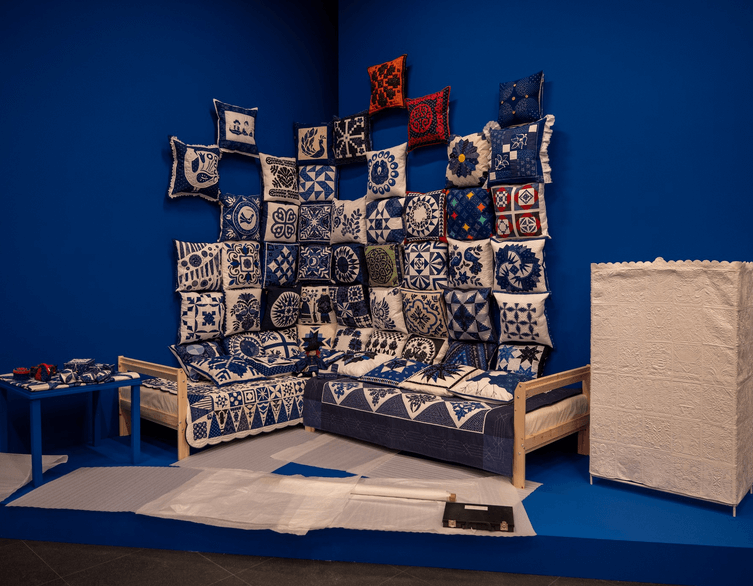
The Art and Storytelling of “Blueprint Patchwork” at the Museum of Ethnography
If you’re exploring Budapest and want to step off the usual tourist trail into something quietly magical, head to the Museum of Ethnography...
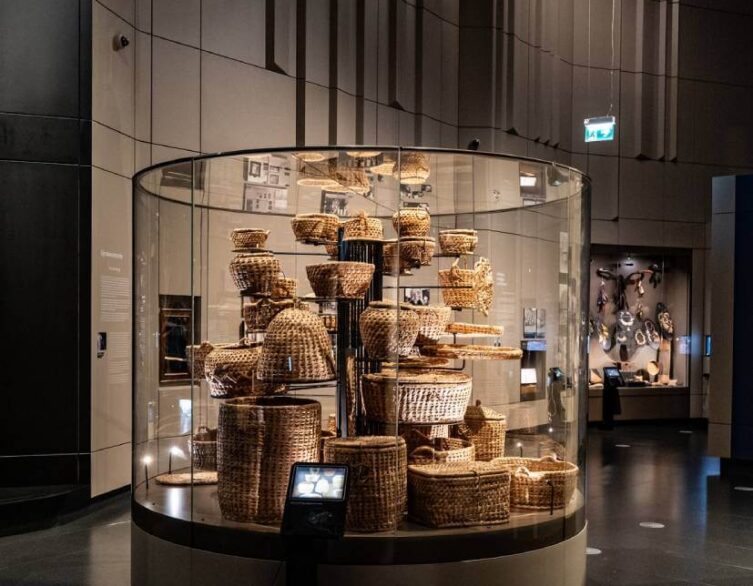
Discover a World of Wonders at the Museum of Ethnography’s Renewed Permanent Exhibition
Exciting news for culture enthusiasts and curious minds alike! The Museum of Ethnography in Budapest has finally unveiled its highly anticipated...