Free Museum Day in Budapest: What’s On for St Stephen’s Day, August 20
If you happen to be in Budapest on August 20, you’re in for a treat that goes well beyond fireworks and folk dancing. Hungary’s national holiday, known locally as State Foundation Day or St Stephen’s Day, turns the city’s museums into free playgrounds for curious minds. Doors that usually require a ticket swing open at no charge, and some of the country’s most treasured collections become fair game for anyone willing to show up. Given how popular this tradition has become, expect queues at the big names, so a little planning goes a long way.
Why Budapest Celebrates on August 20
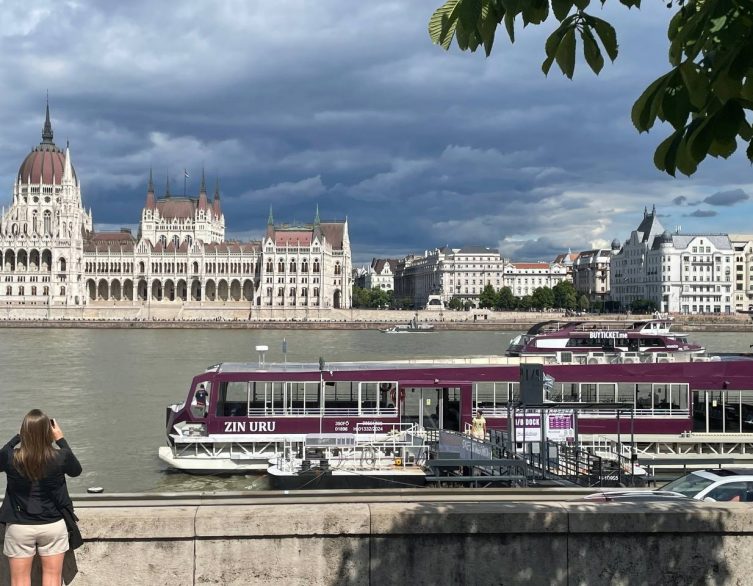
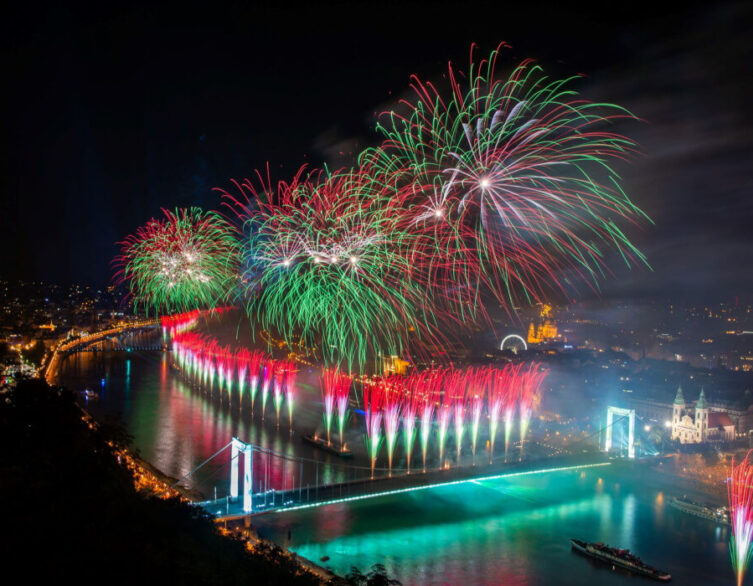
August 20 marks the day Hungary honors its first king, Saint Stephen, who founded the Christian Hungarian state roughly a thousand years ago. It’s one of the country’s three major national holidays, alongside March 15 and October 23, and it’s often compared to the Fourth of July in the United States for the sheer scale of celebration. Expect flag-raising ceremonies, a military and air parade along the Danube embankments, folk festivities across the city, and the traditional blessing of the new bread, a nod to the harvest and the agricultural roots of the nation. The day builds toward an evening spectacle on the Danube between Margaret Bridge and the Chain Bridge, where a roughly thirty-minute audiovisual show combines drone formations, projection mapping on the Parliament building, and a shorter but still dazzling ten-minute fireworks finale starting at nine in the evening. It’s worth timing your museum visits earlier in the day so you have energy left for the riverside show later on.
The Free Museums Worth Your Time
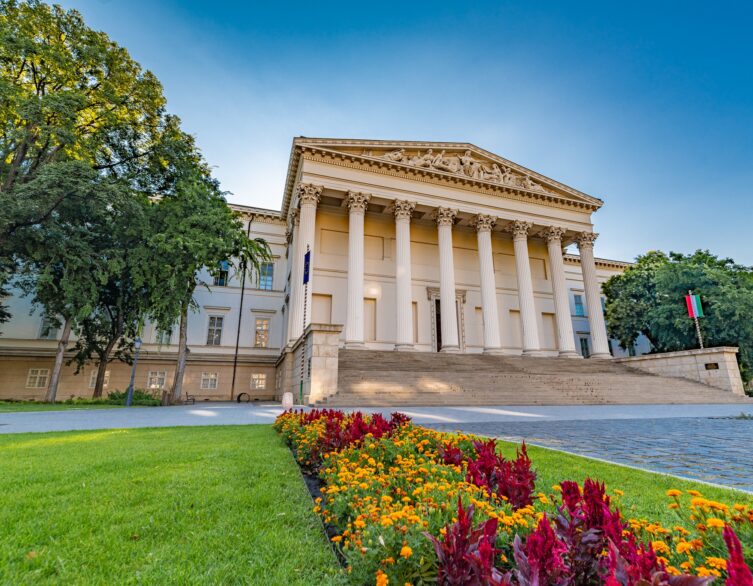
The Hungarian National Museum is the obvious starting point, home to centuries of national history under one roof, and it throws its doors open to everyone on this date, no ticket required. Just a short walk away, the Museum of Fine Arts on Heroes’ Square offers free access to its vast collection of European masterpieces, from Renaissance panels to Spanish Golden Age paintings, making it one of the most rewarding stops if you only have time for one gallery.
History lovers exploring Buda Castle shouldn’t miss the Budapest History Museum, also called the Castle Museum, which traces the city’s story from medieval times to the present within the walls of the former royal palace. Right there in the Castle district, St Stephen’s Hall also opens its doors for free, giving visitors a rare look at one of the most ornate ceremonial spaces in the country. History buffs with a taste for grandeur can also step inside the Parliament building’s Dome Hall, where the Holy Crown is kept, another free stop on this particular day.
If you’re curious about Hungary’s Roman past, head out to the Aquincum Museum, built on the ruins of the old Roman settlement in Óbuda, where mosaic floors and ancient artifacts tell the story of life on the empire’s edge nearly two thousand years ago. Closer to the city center, the Museum of Ethnography near City Park showcases Hungarian folk traditions and global cultural collections in a striking modern building, while the Hungarian Museum of Natural History appeals to families with kids fascinated by dinosaurs, minerals, and wildlife.
Best deals of Budapest










Art enthusiasts with a taste for the contemporary should check out the Ludwig Museum, tucked inside the Palace of Arts, featuring twentieth and twenty-first century Hungarian and international art. For something quieter and slightly off the tourist trail, the Kiscelli Museum in Óbuda occupies a former monastery and blends city history exhibits with rotating art shows in a peaceful garden setting.
Transport buffs have two great free options this year. The Underground Railway Museum, hidden inside a metro station passage near Deák Ferenc Square, celebrates the oldest underground railway in continental Europe, while the Hungarian Museum of Science, Technology and Transport covers everything from vintage cars to aviation history. Agricultural history gets its due at the Hungarian Museum of Agriculture inside Vajdahunyad Castle in City Park, one of the most photogenic buildings in Budapest even before you step inside.
Two smaller institutions are worth flagging separately because they’re free year-round, not just on the holiday. The Police Museum offers free admission any day of the year, and the Hungarian Money Museum and Visitor Center follows the same policy, though it does require advance registration, so sort that out before you head over.
A Closer Look at the National Museum
Among all these options, the Hungarian National Museum deserves a special mention, both for its scale and for the personal note it strikes with visitors. In an official message to guests, the museum put it simply: on August 20, in honor of the anniversary of the founding of the state, visitors can explore the museum’s unique permanent and temporary exhibitions without purchasing a ticket. Guided tours and audio guides still carry their usual fees, and because there’s no admission ticket to validate, the standard two hours of free parking doesn’t apply that day. As the museum’s own invitation puts it, the holiday is best spent with active relaxation and a genuine museum experience, and few places deliver that combination as well as this one.
Practical Tips Before You Head Out
This list isn’t exhaustive, and it’s worth remembering that many Budapest museums run free programs for families and young visitors throughout the year, not just on national holidays. Before setting off on August 20, check each institution’s own website for opening hours, any registration requirements, and special programming, since these details can shift from year to year. Museums that normally close on Mondays or run shorter holiday hours may also adjust their schedules, so a quick check saves you a wasted trip.
Given the crowds this tradition draws every year, arriving early in the day tends to make for a smoother visit, especially at marquee sites like the National Museum and the Museum of Fine Arts. Pair your museum-hopping with the rest of the day’s festivities, the parade, the folk craft fairs, the new bread ceremony, and save your spot along the Danube well before nine in the evening if you want a good view of the fireworks and drone show. It’s a full day, but it’s exactly the kind of day that shows you Budapest at its most festive and most generous.
Related news
Related attractions
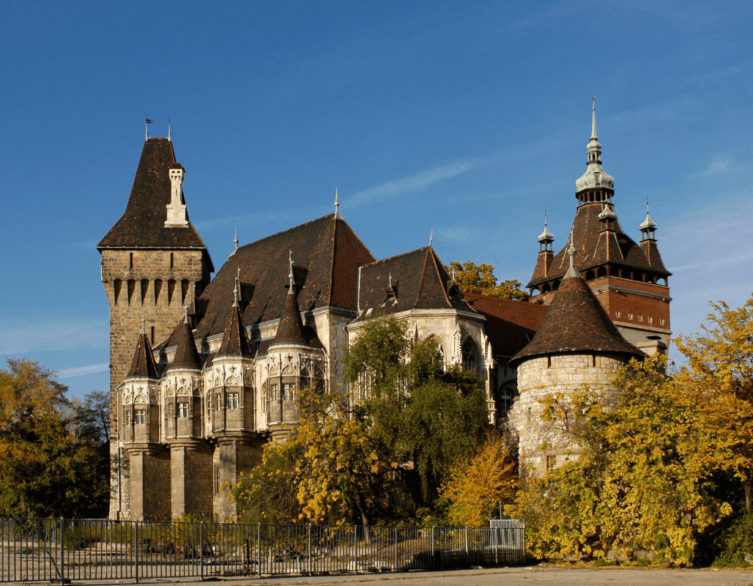
Vajdahunyad Castle, a Unique Mix of Architectural Styles
Vajdahunyad Castle, officially known as the Historical Building Complex, is a stunning architectural masterpiece located in the City Park. Designed...
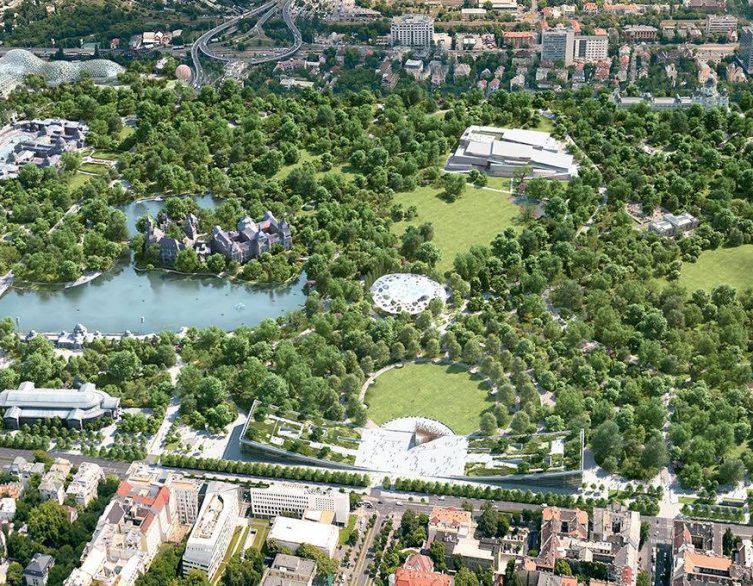
Városliget: Budapest’s Green Oasis for Nature and Culture
Nestled in the heart of Budapest, Városliget (City Park) stands as a verdant oasis, offering a refreshing escape from the bustling city life. Right...
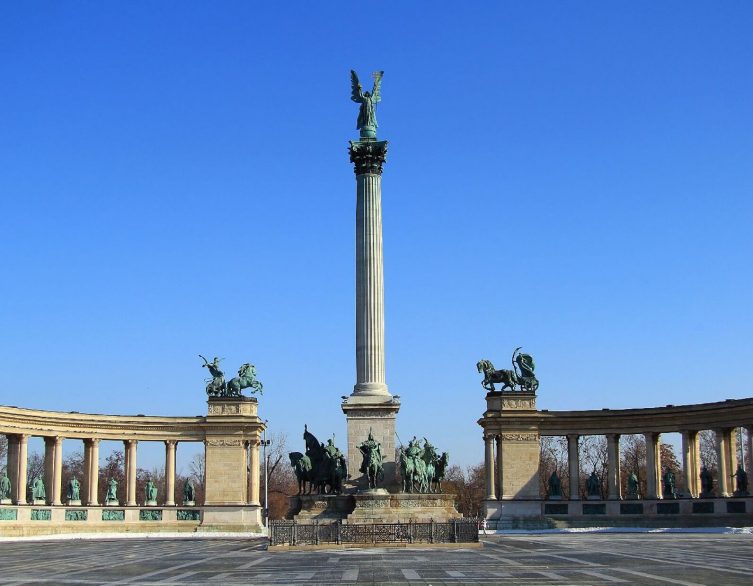
Heroes’ Square Budapest – Hősök tere – Hungary the best attraction
In the heart of Budapest, Hungary, near the enchanting Városliget (City Park) and the picturesque Vajdahunyad Castle, lies a grand and historic...
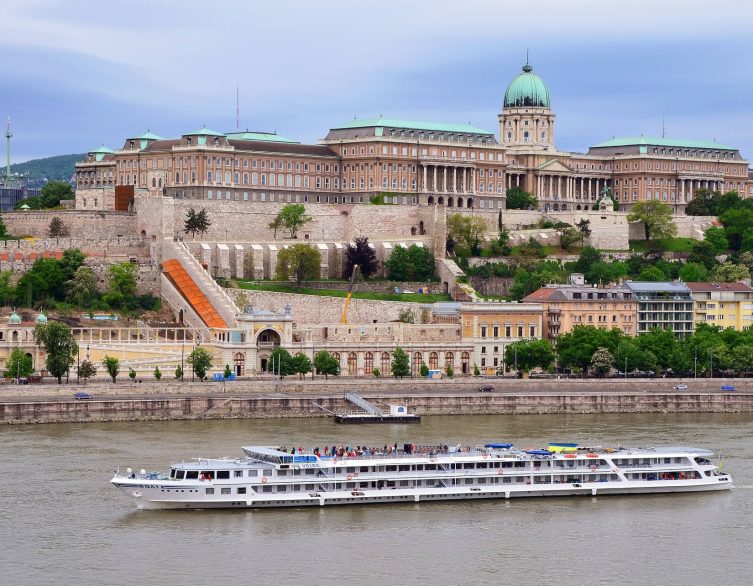
Buda Castle: A timeless icon of Hungarian history in Budapest
Nestled on the western bank of the majestic Danube River in Budapest, Hungary, lies a place that resonates with centuries of history, culture, and...