St. Stephen’s Day in Budapest 2026: Your Complete Visitor Guide
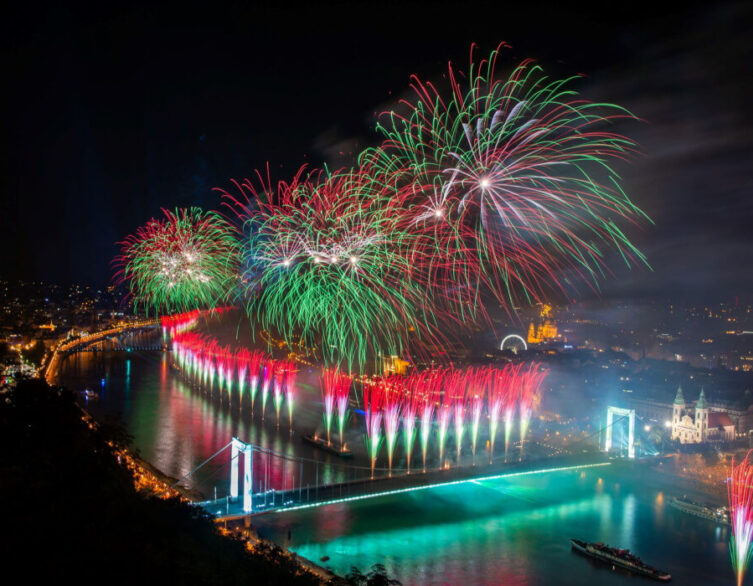
If you happen to be in Budapest around August 20, consider yourself lucky, because you’ve landed right in the middle of Hungary’s biggest national celebration. St. Stephen’s Day, known locally as Szent István Nap, marks the country’s founding and turns the entire capital into one giant open-air stage for several days. Whether you’re chasing the perfect fireworks photo, hunting for the best street food, or simply curious about Hungarian traditions, this guide walks you through everything worth knowing before you dive into the festivities.
What Exactly Is St. Stephen’s Day
St. Stephen’s Day honors King Stephen I, who was crowned around the year 1000 and is widely credited with founding the Hungarian state and steering the country into Christian Europe. More than a thousand years later, that legacy still shapes the country’s identity, and August 20 remains Hungary’s official national holiday, celebrating statehood, the constitution, and the traditional blessing of the new bread after harvest. It’s a date that blends solemn ceremony with full-blown street party energy, which is part of what makes it such a memorable time to be in the city.
This year the celebrations get an extra boost because August 20 falls on a Thursday, which turns the holiday into a four-day long weekend running through Sunday, August 23. That means Budapest doesn’t just celebrate for one day, it stretches its program across several days, with events spread over eleven official venues and more than a hundred individual programmes across the city. If you’re planning a longer stay, you’ll have plenty of chances to soak up different parts of the celebration even if you miss something on the main day itself.
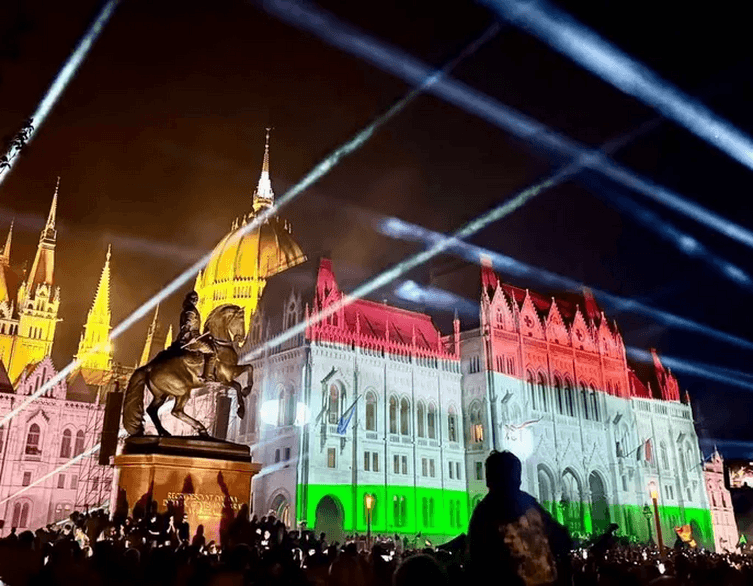
Air parade, light show and much more
Something for Every Kind of Visitor
What makes this holiday genuinely special is just how wide the program range is. The Hungarian state organizes its official celebration under a handful of clear categories, so no matter what kind of traveler you are, there’s a strand of the festival built for you. There’s a strong family focus, with dedicated children’s activities and interactive zones running across multiple venues, alongside a religious thread centered on the historic ceremonies at St. Stephen’s Basilica and Kossuth Square. Music lovers get an especially generous slate, split between folk and traditional acts, contemporary evening programming, gastronomy-focused gatherings pairing food with live entertainment, and a full-blown electronic music scene featuring international headliners along the riverside embankments.
Best deals of Budapest









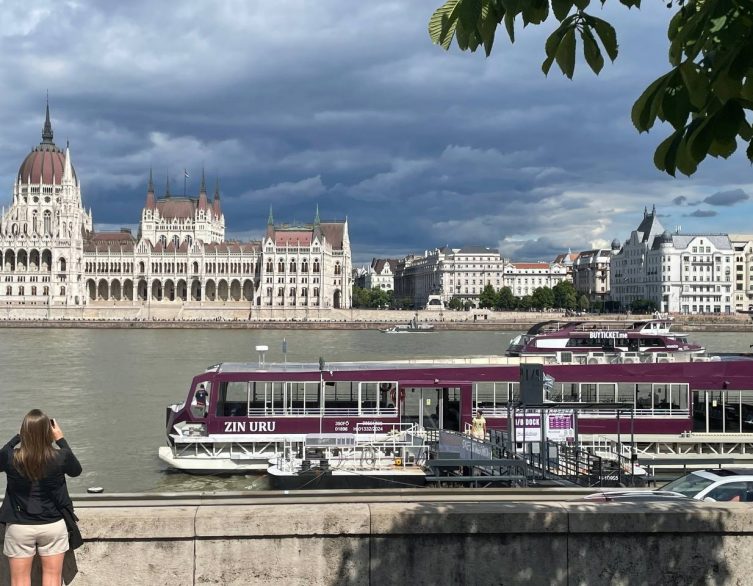
Venues range from the historic, like Buda Castle and Kossuth Square, to the unexpected, like an open-air electronic festival with light shows on the Műegyetem embankment. Margaret Island alone hosts more than a dozen family-friendly programmes, while the embankments along the Danube combine the daytime air show with nighttime music and visual art installations. Anyone curious about the full day-by-day lineup, venue maps, and performer schedules can check the official festival site at augusztus20.hu, which lists every programme in detail.
A Full Day of Tradition and Ceremony
The celebrations kick off early, with a ceremonial flag-raising at Kossuth Square in front of the Hungarian Parliament Building at 8am, alongside the swearing-in of newly commissioned military officers. An hour later, a military and air parade sweeps over the Danube, and it’s completely free to watch from any open stretch of the embankment on either the Buda or Pest side, making it an easy and exciting way to start the day if you’re already out sightseeing.
Midday shifts toward the spiritual side of the holiday. Visitors can view the Holy Crown inside the Parliament building, and a festive Mass takes place at St. Stephen’s Basilica, followed by the centuries-old Holy Right Procession carrying a sacred relic through the streets of Pest in the early evening, one of the country’s most significant Catholic events of the year. One especially practical tip for tourists: the Parliament opens its doors for free, registration-free visits on August 20, giving you a rare chance to step inside one of Europe’s most striking government buildings without the usual ticket queue.
Culture, Museums, and Free Admission
August 20 is also one of the best days of the year to explore Budapest’s museum scene, since it’s one of just three national holidays when most public museums waive their admission fees entirely. That means places like the Hungarian National Gallery, the Museum of Fine Arts, and a long list of other public institutions across the city open their permanent exhibitions to everyone free of charge, no advance booking required in most cases, though some special temporary exhibitions may still ask for online registration even on the holiday. For culture-loving travelers, it’s a genuinely rare opportunity to explore world-class collections of Hungarian art, European Old Masters, and historical exhibits without spending a forint on entry.
Beyond the museums, the holiday weekend brings a broader wave of cultural programming across the city, from open-air concerts and folk performances to gallery events and heritage showcases tied to the national celebration. It’s the kind of weekend where wandering into a random courtyard or square might land you in the middle of a live performance, so it’s worth building in some unstructured time to explore.
Food, Crafts, and Riverside Fun
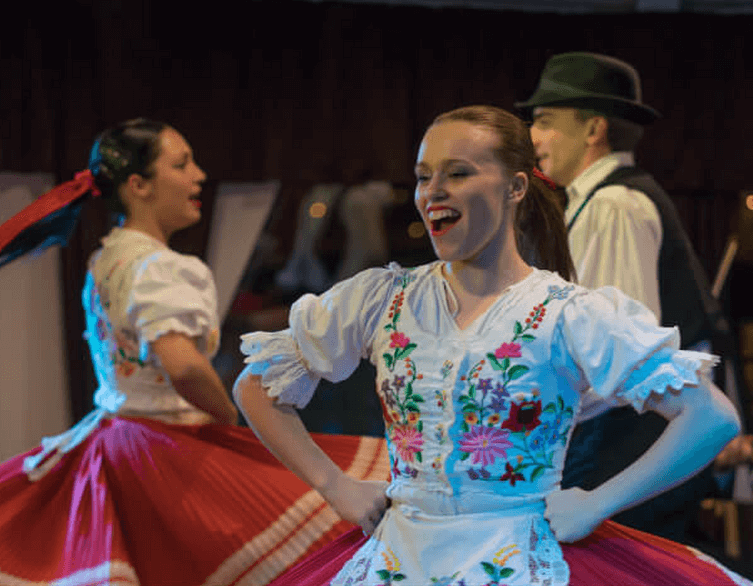
Away from the ceremonies, the city turns into a giant celebration of Hungarian culture. Buda Castle hosts the Festival of Folk Arts, transforming its courtyards into one of Europe’s largest folk craft fairs, with hundreds of master artisans, live folk music, and traditional dance performances running free of charge across several days. Down by the river, the Street of Hungarian Flavours near the Castle Garden Bazaar is the place to sample regional specialties, the ceremonial Cake of Hungary, and the traditional blessed bread, alongside familiar favorites like lángos, kürtőskalács, and goulash.
Families will find dedicated activity zones on Margaret Island and around Liberty Square, City Park hosts an interactive military technology exhibition through the afternoon, and the evening brings an open-air disco right on Kossuth Square once the official ceremonies wind down. Whatever your travel style, whether you’re after culture, food, or just a lively atmosphere, there’s a corner of the city built for it.
The Evening Show Over the Danube
As the sun sets, all eyes turn to the river for the night’s headline event: a large-scale audiovisual production combining pyrotechnics, drone formations, projection mapping, and music along the Danube. It’s consistently one of the most attended events in the country, drawing roughly a million spectators to the riverbanks each year, so expect a properly festive, elbow-to-elbow atmosphere near the water. The show frames the Hungarian Parliament Building and the bridges connecting Buda and Pest, turning the whole riverside into a dramatic, glowing backdrop.
The show must end, but party will only begin as this year’s celebrations bring music to the streets: elektro parties, concerts and more! With international and local stars on stage, everyone can find a music genre they love, the only problem might be that you won’t be able to be at two places at once!
Getting Around During the Celebrations
Because of the scale of the event, several central bridges connecting Buda and Pest typically close to traffic for the evening, and road closures extend well beyond the riverfront itself. Public transport remains your best friend on the day, and it’s worth checking Budapest’s official transit app in advance for real-time updates, since routes and schedules shift to accommodate the crowds. If you’re staying centrally, walking is often faster and far less stressful than trying to catch a tram along the embankment.
Practical Tips for First-Time Visitors
August in Budapest tends to be warm, so dress for a long day outdoors, carry water, and plan for sun exposure during the daytime events. Accommodation books up quickly around this long weekend given the volume of both domestic and international visitors, so securing a room well ahead of time is a smart move if you haven’t already. Most of the daytime programming, from the air parade to the folk craft fair to the free museum visits, costs nothing to enjoy, which makes this one of the most budget-friendly ways to experience authentic Hungarian culture during a single trip.
Note that the opening hours for shops will vary due to the holidays, most of them will remain closed for 20 August, but you won’t be left without options to get a few groceries.
Beyond the big-ticket moments, simply wandering between neighborhoods on August 20 has its own charm. Street musicians, pop-up food stalls, and impromptu gatherings appear across the city center, and the general mood is festive rather than formal, so don’t feel like you need a strict itinerary to enjoy the day. Keep an eye out for our companion article, where we’ll break down the fireworks schedule, the best free and paid viewing locations, and a few lesser-known spots to escape the biggest crowds while still catching every bit of the spectacle.
Related news
Budapest Just Threw a Whole New Kind of National Holiday Party
If you happened to be strolling along the Danube on the evening of August 20th, you may have wondered whether Budapest had swapped its usual fireworks...
Budapest Weather Alert: Thunderstorms and Scorching Heat to Know Before You Explore
Anyone planning a day out in Budapest this week should keep half an eye on the sky. The Hungarian Meteorological Service, known locally as HungaroMet,...
St. Stephen’s Day Fireworks Meet a Level 2 Heat Alert
Budapest is gearing up for its biggest weekend of the year, and it’s arriving with a side of serious summer heat. From Thursday, August 20...
Meet King Stephen I: Madame Tussauds Budapest Marks the National Holiday
Budapest’s wax museum is throwing its own tribute to Hungary’s founding king this August, and it comes with giant bubbles, a rock opera...
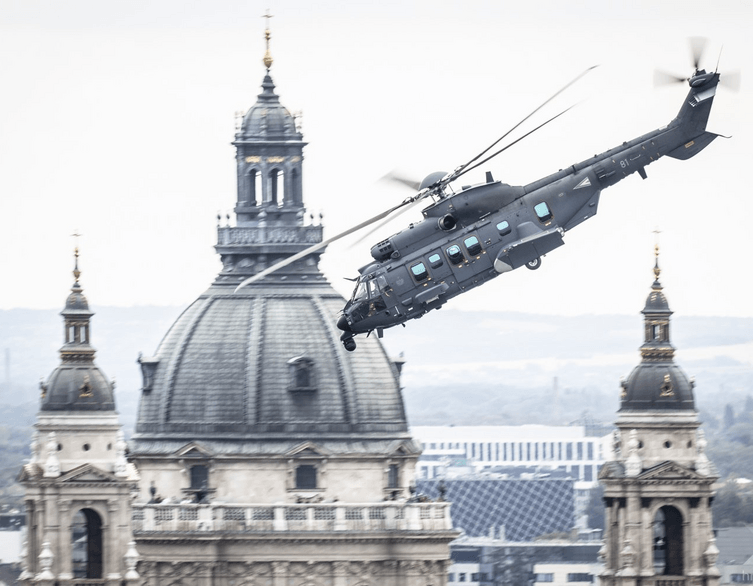
Military Air Parade and Weapons Showcase Mark St. Stephen’s Day
Hungary’s biggest national holiday is coming up fast, and the Hungarian Defence Forces are once again turning the sky and streets of Budapest...
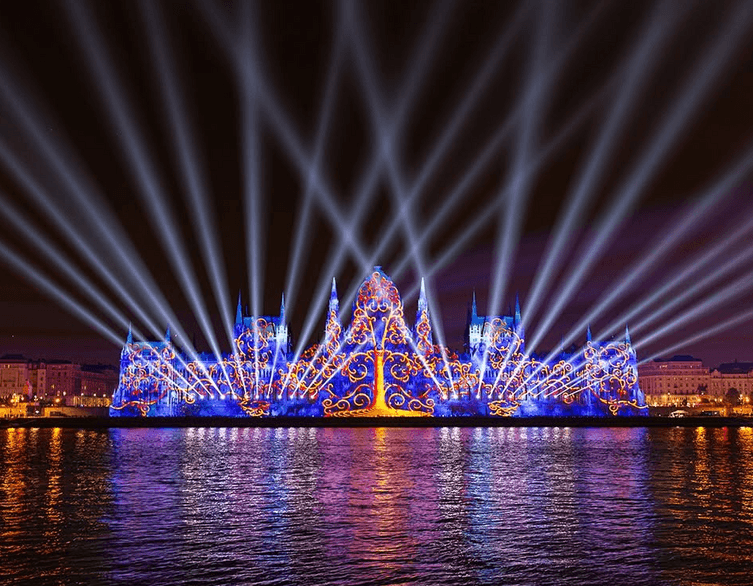
Budapest’s August 20th Light Show: Where to Watch History Come Alive on the Danube
Every year, Budapest marks its national holiday with fireworks over the Danube, but the 2026 celebration is raising the bar considerably. This time,...
Budapest’s August 20th Celebrations: Elektro Parties Take Over Budapest
Once the fireworks fade over the Danube on St. Stephen’s Day, Budapest doesn’t go quiet, it goes louder. This year’s national holiday...
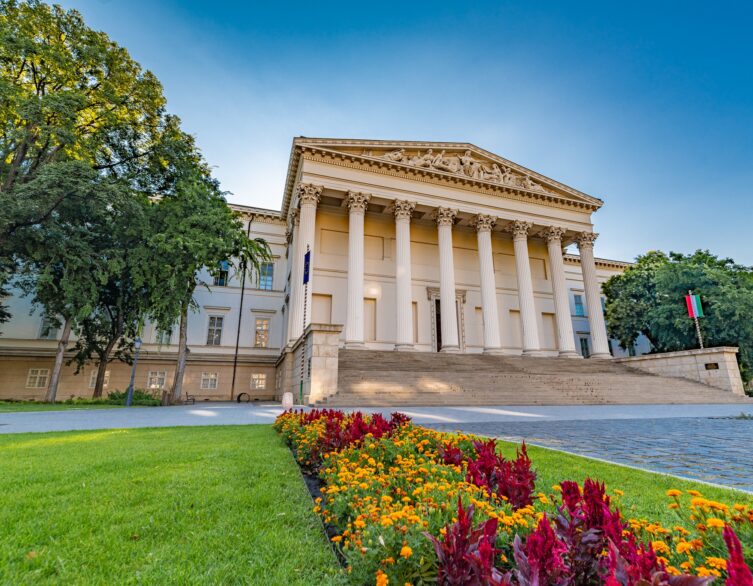
Free Museum Day in Budapest: What’s On for St Stephen’s Day, August 20
If you happen to be in Budapest on August 20, you’re in for a treat that goes well beyond fireworks and folk dancing. Hungary’s national...

Budapest Shop Hours Over the August 20 Long Weekend: A Tourist’s Guide
Planning a shopping trip or grocery run in Budapest around St. Stephen’s Day? The four-day holiday stretch from Thursday, August 20 through...
Getting Around Budapest During St. Stephen’s Day: A Visitor’s Transport Guide
If you’re planning to be in Budapest around August 20, you’re in for one of the biggest, most spectacular days on the Hungarian calendar....
Budapest’s Famous August 20 Fireworks Are Happening in 2026
If there’s one date every visitor to Budapest should know about, it’s August 20. Hungary’s most important national holiday...
Related events