What’s Really Going On With Budapest’s Curbside Cleanup Season
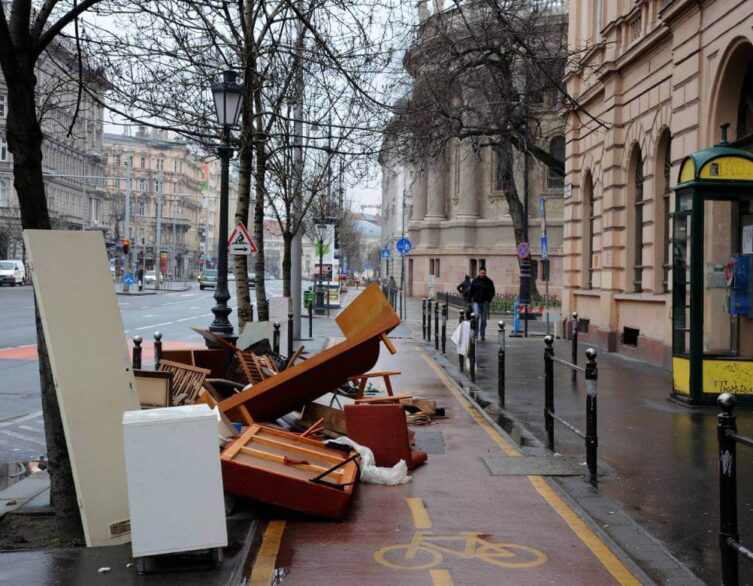
If you’re wandering through certain Budapest neighborhoods this summer and suddenly spot old sofas, mattresses, and stacks of furniture piled up on the pavement, don’t panic. You haven’t stumbled into a mass exodus. You’ve just run into “lomtalanítás,” Budapest’s long-running annual bulk waste collection, and right now the whole system is at the center of a very local, very Hungarian debate about whether it should stay the same or change entirely.
A Tradition Stuck in Limbo
For decades, Budapest residents have marked one day a year when they’re allowed to haul their unwanted furniture, rugs, mattresses, and other oversized junk out to the curb, where city crews come and take it all away for free. It’s a strange but beloved city ritual, and if you’re staying in an apartment in one of the more residential districts, you might catch it happening right outside your window.
The twist right now is that the city’s waste management authority, MOHU, drew up a plan back in 2024 to overhaul the entire system. Instead of the current free-for-all curbside dumping, the proposal called for temporary collection points spread across each district, staffed for a few days at a time, with a shift toward homes only, getting bulky items picked up once a year through scheduled visits rather than open street dumping. More than 146 collection points were envisioned under that plan. According to Kiss Tibor, MOHU’s director of waste management strategy and facilities, the current system generates more than 30,000 tonnes of loose material dumped on the streets every year, an amount he argued is nearly impossible to collect and recycle properly under modern standards.
Best deals of Budapest











Despite that plan being on the table since late 2024, nothing has actually changed. As of mid-August 2026, MOHU has confirmed that talks with the districts are still ongoing, with no fixed timeline and no firm decision in sight.
Why the Second District Is a Case Study
One of the clearest examples of how this debate is playing out on the ground is Budapest’s District II, a leafy, hilly area on the Buda side popular with visitors exploring beyond the city center. After discussions between MOHU and the local municipalities, districts were given the choice to keep their existing curbside system if they wanted to. District II chose to stick with tradition, and its bulk waste collection period wraps up this week.
The district’s local government has been vocal about why it prefers the old system, explaining that most residents want to keep things as they are and that the alternative collection-point model would create more headaches than it solves. Their reasoning is refreshingly practical: not every household in the district owns a van or truck capable of hauling large furniture across town to a temporary drop-off point, so keeping pickup right at the doorstep just makes more sense locally.
Local opinions on the ground are mixed but mostly resigned to the current setup. One resident told reporters she wished street cleaners would do a more thorough sweep after the bulky items are taken away, since what’s left behind can look pretty rough. Another resident was more positive, pointing out that this is really the only practical way for people to get rid of things they can’t otherwise dispose of easily, even if the temporary streetscape isn’t exactly pretty to look at.
What This Means If You’re Visiting Budapest
For travelers, this is one of those uniquely local quirks that can catch first-time visitors off guard, but it’s genuinely harmless and even a little fascinating if you happen to walk past it. Streets lined with old chairs, wardrobes, and rolled-up carpets for a day or two aren’t a sign of neglect. They’re a sign that a neighborhood is mid-cleanup, and the piles typically clear out fast once collection trucks come through.
If you’re staying in a district where this is happening, expect narrower pavements for a short window and maybe a slightly chaotic curb appeal, but nothing that should affect your sightseeing plans. Some visitors even treat the piles as impromptu treasure-hunting spots, since Hungarians sometimes leave genuinely useful, still-functional items out that just didn’t make the cut for their apartment. Just be mindful that items are only meant to go out on designated collection evenings, and it’s best to leave the actual sorting to locals and city crews.
The Bigger Picture for Budapest’s Future
What makes this story worth following, even for visitors who won’t be around to see the outcome, is what it says about how Budapest balances old-school civic tradition against modern urban planning. MOHU’s proposed reform reflects a broader push across European cities to modernize waste management and reduce the environmental footprint of loose, ad hoc bulk collection. But the pushback from districts like District II shows how deeply these small-scale rituals are woven into daily life, and how resistant residents can be to giving up something that, however messy, has always just worked.
For now, nothing is set in stone. MOHU says conversations with the districts are continuing, and any final decision will take stakeholder input into account before rolling out citywide changes. Until then, Budapest’s curbside cleanup season will keep running much the same way it always has, one district at a time, one pile of old furniture at a time.
Related news
Budapest Is Changing the Way It Collects Bottles — Here’s What Tourists Need to Know
If you’ve bought a bottle of water, a soft drink, or a can of beer anywhere in Budapest, you may have spotted a small extra charge on your...
Budapest’s 2026 Bulk Waste Collection Schedule: A Tourist’s Guide to the City’s Annual Cleanup Event
If you’re visiting Budapest in early 2026 and notice streets lined with old furniture, mattresses, and household items, don’t worry—it’s...
Budapest Bulk Waste Collection 2026: The Last Season
If you’re spending time in Hungary’s capital early this year, you might notice something quite unique — entire streets lined with furniture,...
Budapest Goes Green: Sustainable Tourism Takes Center Stage in 2026
Budapest has become a magnet for international travelers, with its stunning architecture, thermal baths, and vibrant ruin bar scene drawing millions...

Budapest’s Battle Against Food Waste
Budapest is taking significant steps to combat food waste, a growing global issue that contributes to environmental degradation and social inequality....
The New Waste Collection System in Budapest: The End Of An Era?
The recent restructuring of waste collection services in Budapest by MOHU will make it literally harder to get rid of accumulated junk in homes....
Budapest’s Annual Curbside Garbage Disposal Collection: A Treasure Trove for the Needy
Every year, the residents of Budapest eagerly await the annual curbside garbage disposal collection, organized by the Budapest Public Waste Management...
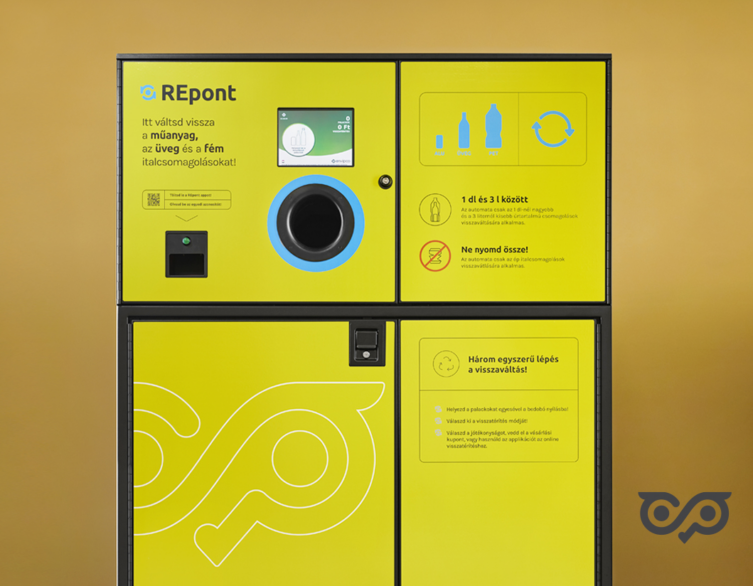
Getting Cash for Returned Bottles in Budapest: A Little-Known Trick
Hey there! Did you know that you can get cold, hard cash for returning your bottles and cans? That’s right, you don’t have to settle...