Budapest Parking Just Went Fully Digital: What Tourists Need to Know
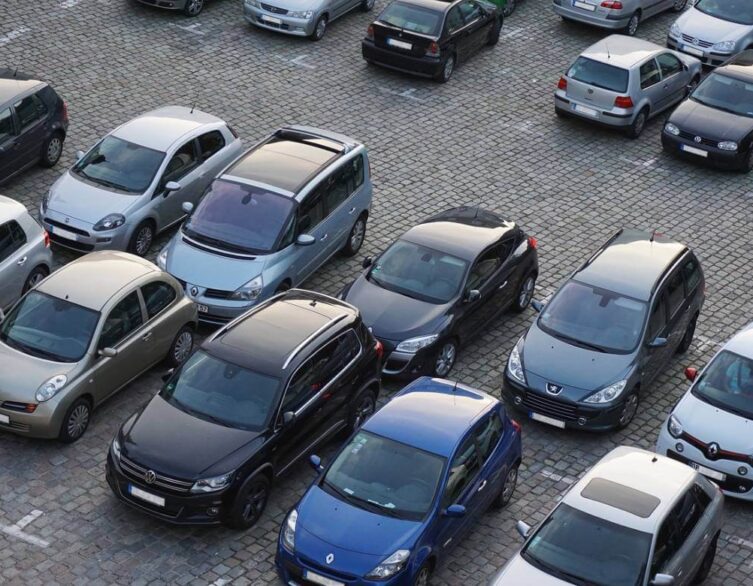
Budapest is entering a new era—and if you’re planning to drive in the Hungarian capital this summer, there’s one major change you need to know about before you even look for a parking spot.
As of July 1, 2026, cash parking meters have officially disappeared across the city. In their place comes a fully digital, mobile-based system that affects everyone—including foreign visitors. Here’s what that means for your trip, and how to stay one step ahead.
A Cashless Turn in Budapest Parking
The familiar street-side parking machines are now gone. Following a decision by the Budapest General Assembly in late 2024, the city has fully transitioned to a mobile-only parking system, meaning fees can only be paid using your phone—either through a mobile app, SMS, or a voice call.
The change is part of a broader push to modernize Budapest’s infrastructure and eliminate inefficiencies tied to the old system, with officials framing the move as a way to increase transparency and cut down on corruption linked to the previous parking meter operations. While the shift may feel sudden for visitors, locals have already adapted, since more than 90 percent of drivers were already using mobile payment options before the switch.
What Tourists Need to Know Before Parking
If you’re arriving in Budapest by car, whether it’s a rental or your own vehicle, preparation is key, since without a smartphone setup, paying for parking in the city can quickly become frustrating.
The easiest and most reliable route is to download an international parking app that accepts foreign phone numbers and bank cards, letting you skip the complications of Hungarian mobile networks entirely. SMS parking, while still technically available, is far less tourist-friendly, since most SMS-based services work only with Hungarian mobile networks and require strict formatting that can easily lead to errors. For this reason, apps remain the safest and most straightforward choice for anyone visiting from abroad.
Best Parking Apps for Foreign Visitors
A handful of apps stand out as particularly convenient for tourists, since they’re designed to work without a Hungarian SIM card or complicated registration.
Best deals of Budapest










- Parking Hungary – requires no registration at all, works in Budapest and every major Hungarian city, and lets you pay instantly by card, making it one of the fastest options for a quick visit.
- EasyPark – an internationally recognized app already used in over 20 countries, with strong coverage across Budapest and dozens of other Hungarian cities, ideal if you’re already familiar with it from travels elsewhere in Europe.
- Parkl – popular with both locals and tourists, this app covers on-street and off-street parking, garages, and even EV charging, and works well even when you’re parked right on the border between two different zones.
- MVM Mobiliti – a Hungarian-developed app that also accepts international phone numbers, offering a reliable option if you want a locally rooted platform with English-language support.
Whichever app you choose, the process is largely the same: register or skip registration depending on the app, enter your license plate number and country code, select your parking zone from the code posted on nearby signage, and start your session. Always double-check that the session has actually started before walking away from your car.
How Much Does Parking Cost in Budapest
Alongside the digital transition, parking fees have increased across the city, and Budapest is divided into four parking zones, clearly marked on street signs.
In the most central areas, think Downtown Budapest, the Castle District, or around Andrássy Avenue, rates can reach 800 HUF per hour. Slightly further out, prices drop to 600 HUF or 400 HUF, while outer districts offer parking from 300 HUF per hour. Paid parking typically applies on weekdays during daytime and evening hours depending on the zone, and in central areas fees can apply as late as 10 PM, so always double-check the signage before you walk away from your car.
Where to Park Instead: Smart Alternatives
If navigating the new system feels like too much hassle, there are easier options, especially for short stays.
Park-and-ride (P+R) facilities on the outskirts of the city are a popular choice, with around 3,800 spaces available that let you leave your car at a lower cost and continue into the city center using public transport. It’s often faster, cheaper, and far less stressful than circling downtown streets. Alternatively, Budapest has a wide network of parking garages and underground car parks, particularly in busy central districts, and while these are typically more expensive than street parking, they offer straightforward payment options and a guaranteed spot.
A Small Change with a Big Impact
The removal of parking meters may seem like a minor detail, but it significantly reshapes the experience of driving in Budapest.
For visitors, the key takeaway is simple: your smartphone is now essential for parking. Download one of the apps above before you arrive, keep an eye on the zone signs, and consider whether driving into the city center is even worth it. With a bit of planning, navigating Budapest by car can still be smooth, leaving you more time to enjoy the city’s vibrant cultural scene.
Related news
Getting to Budapest Park Just Got a Lot Easier This Weekend
If a big open-air concert at Budapest Park is on your Budapest itinerary this weekend, there’s good news waiting for you. Starting September...
Update in the Public Transport Passes for Foreign Students
Budapest is one of Europe’s most charming capitals, where historic architecture meets vibrant urban life. Whether you are strolling along the Danube...
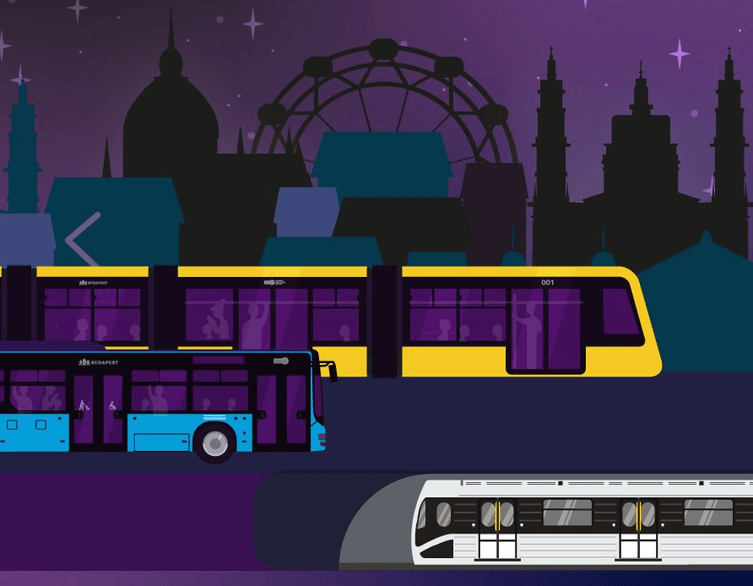
Budapest’s Night Transport Gets a Major Upgrade This Summer — Everything Tourists Need to Know
If you’re planning a trip to Budapest and love staying out late, here’s some genuinely exciting news: the city’s night public transport...
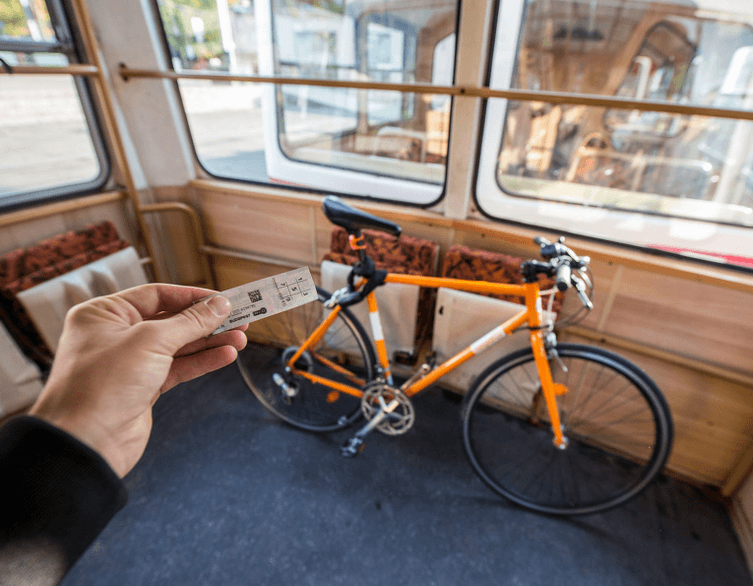
Bringing Your Bike on Public Transport in Budapest: What Tourists Need to Know in 2026
Budapest is one of those cities that practically begs to be explored on two wheels. One minute you are cruising along the Danube with postcard views...