Budapest Wants to Hear From You: A Weekend Reminder to Look Down at the Sidewalks
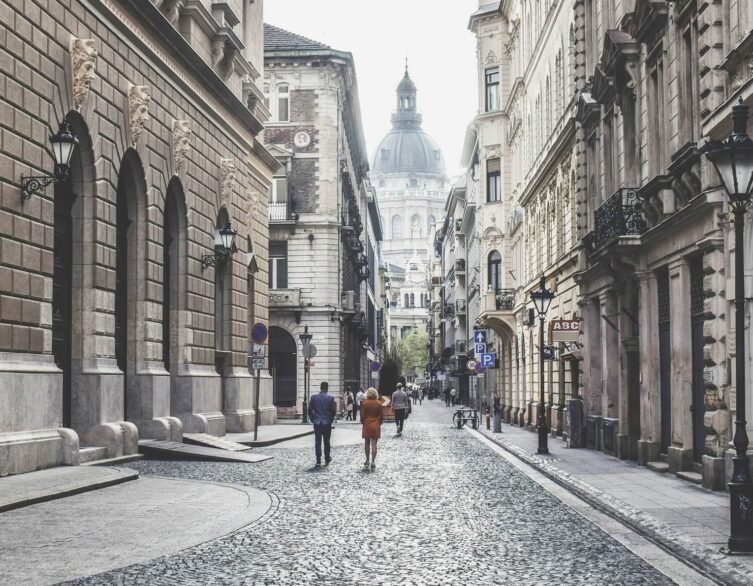
Most visitors come to Budapest for the thermal baths, the river views, or the pastries, but there’s a quieter story unfolding right now that’s worth knowing about if you’re exploring the city on foot this weekend, which, let’s be honest, is how most people experience Budapest anyway. The city’s transport authority, the Centre for Budapest Transport (BKK), has just opened a public consultation on a major new pedestrian strategy. It’s primarily aimed at local residents, but the improvements it’s working toward will shape how pleasant, safe, and walkable the city feels for every visitor who strolls through it in the years ahead.
Why Walking Got Its Own City Strategy
Walking might be the simplest form of getting around, but Budapest is treating it as a serious piece of urban policy. The city has published the “Goals and Measures” volume of its Walking Without Barriers strategy, a follow-up to an earlier round of public input collected back in 2025. Local residents can submit feedback on the plan between July 15 and July 26, 2026, giving Budapesters a direct say in how their streets and public spaces evolve.
The reasoning behind all this is refreshingly straightforward. Walking is good for physical and mental health, it costs nothing, it requires no special equipment, and it’s available to virtually everyone from toddlers to grandparents. It also happens to be the most democratic form of transportation there is: no car, no metro card, no app required. Budapest’s planners argue that a city built around comfortable walking is, by extension, a more equitable and sustainable city for the people who live there, with the added benefit of making the city more enjoyable for anyone just passing through.
The Problems Getting in the Way
The strategy doesn’t shy away from listing what’s currently wrong with walking in Budapest, and honestly, visitors will often notice these same issues within their first afternoon of sightseeing. Narrow, uneven, and poorly maintained sidewalks top the list, often made worse by badly placed café terraces, utility boxes, street furniture, and parked cars or scooters eating into walkable space. For anyone pushing a stroller, using a wheelchair, or simply walking with a cane, continuous, step-free routes with clear signage are often missing entirely.
Best deals of Budapest
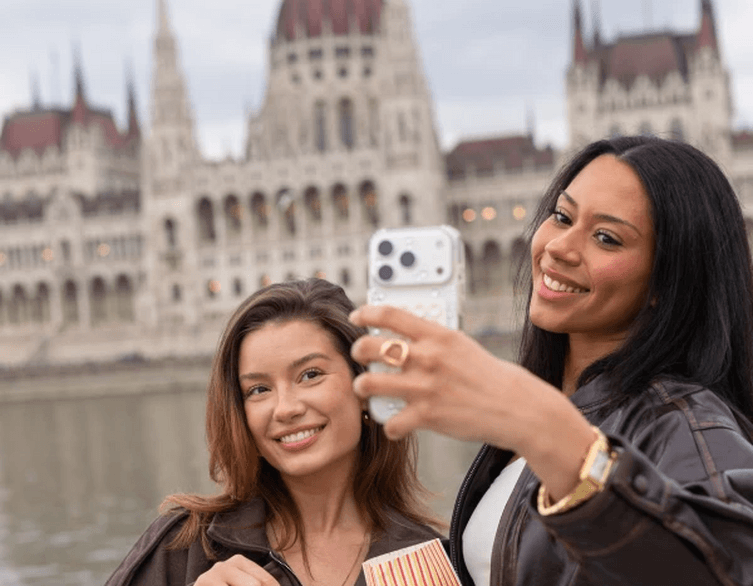








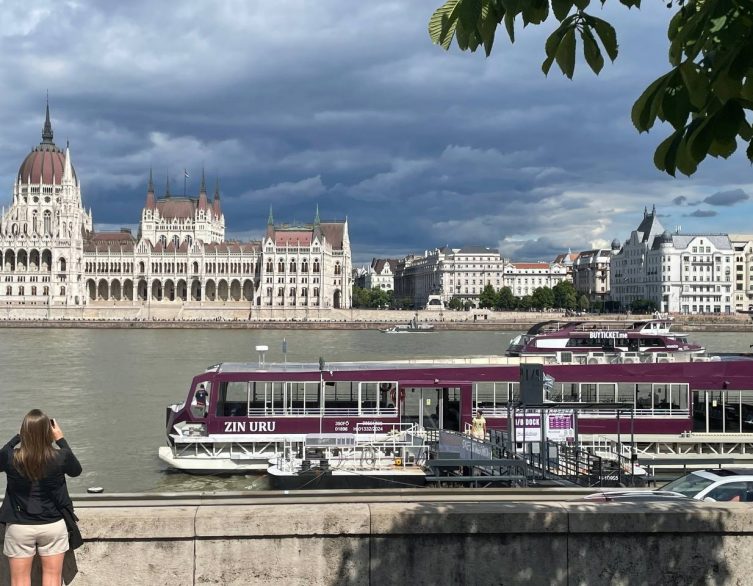
Safety concerns come up too, ranging from missing or poorly designed crosswalks to inadequate street lighting and the sheer dominance of car traffic in certain areas. There’s also the matter of comfort: a shortage of shade trees, greenery, and public drinking fountains makes summer walks hotter and less pleasant, while noise, air pollution, and heat radiating off pavement don’t help either. Cleanliness is another recurring complaint, along with the lack of a single body responsible for keeping sidewalks clear of snow, leaves, and debris across the whole city.
What Budapest Is Aiming For
The strategy’s guiding vision is refreshingly ambitious: by 2040, Budapest wants to be a human-scaled, walkable city where getting around on foot is the obvious, default choice for residents, not an afterthought squeezed in around car traffic. That means continuous pedestrian networks connecting every neighborhood, crossings and sidewalks wherever they’re actually needed, and public transit links that make longer walking-based journeys practical for the people who call Budapest home.
Just as importantly, the plan treats public space as something more than a transit corridor. The goal is for Budapest’s streets and squares to function as genuine gathering places, what planners like to call “the city’s living room,” where locals linger, socialize, and experience the character of their own neighborhoods rather than just passing through them. The strategy also explicitly ties into sustainable tourism, recognizing that a city designed to be pleasant for its residents to walk through naturally becomes a more enjoyable one for visitors too.
A Small Thing to Notice on Your Walk
You won’t see construction crews reshaping sidewalks this particular weekend, but the conversation happening right now among Budapest residents will shape how the city feels to walk through for years to come, for locals and visitors alike. If you find yourself navigating a slightly too-narrow sidewalk near a café terrace, or appreciating a shady, tree-lined stretch along the Danube promenade, you’re experiencing exactly the kind of contrast this strategy is trying to address. It’s a nice reminder that behind every charming, walkable European city center is a surprising amount of deliberate planning by the people who live there, and Budapest is very much still working on getting it right for its own residents first.
Related news
How Budapest Residents Are Shaping the City’s Transport Future
Budapest is quietly rewriting how it plans public transport and infrastructure, and it’s doing so by putting residents’ voices at the...
Rakpart: Budapest’s Car-Free Danube Playground You Need to Explore This Summer
If you want to see how Budapest really unwinds in summer, skip the crowded rooftop bars for an evening and head straight to the Rakpart, the city’s...
A Perfect Day Around Gellért Hill, the Citadella, and Bartók Boulevard
Some of the best days in Budapest aren’t built around ticking off famous landmarks one by one, but around letting one neighbourhood lead naturally...
Budapest Is the World’s Best City for Free Walking Tours — Here’s Why You Should Lace Up Your Shoes
If you’ve ever wandered through a new city and wished you had a knowledgeable local friend to show you around, you’re not alone. Walking...
Moonwalking Through Budapest: Your Ultimate Guide to Michael Jackson Experiences in Hungary’s Capital
Let’s be real: you probably didn’t wake up this morning thinking “I need to visit Michael Jackson attractions in Budapest.”...
Budapest is Among the Most Beautiful and Walkable Cities In the World
Hey there! Have you heard the exciting news? Budapest, the stunning capital of Hungary, has been named one of the most beautiful and walkable cities...