Budapest’s Riverbank Is Yours Again — The Rakpart Opens for the Season
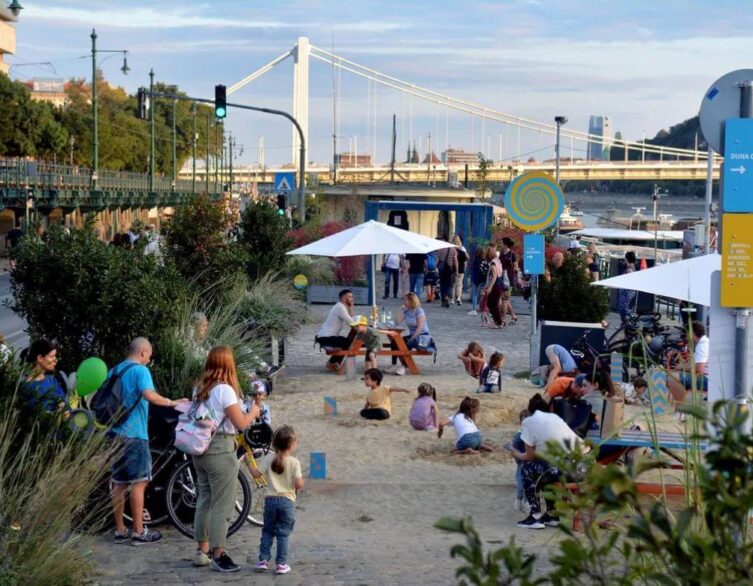
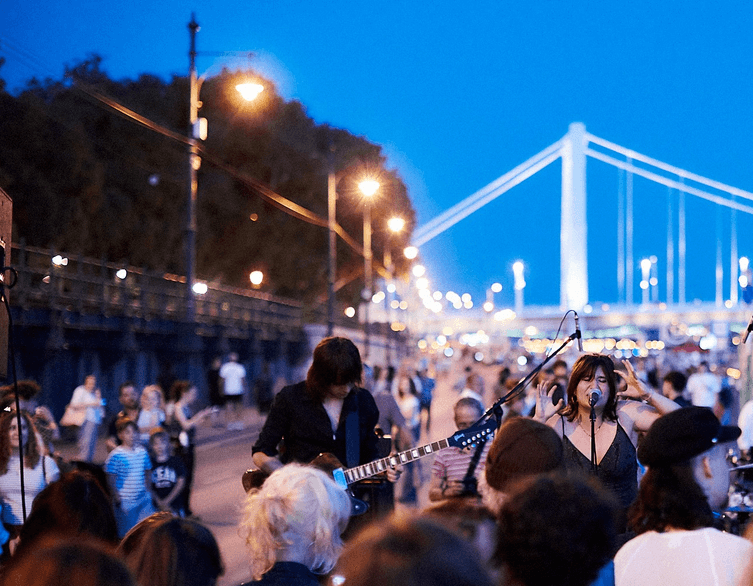
Every year, Budapest does something quietly wonderful. It takes one of its busiest roads — a stretch of tarmac running along the Danube on the Pest side — and simply hands it back to people. No cars, no exhaust fumes, no white-knuckled parallel parking. Just you, the river, the breeze, and one of the most iconic urban panoramas in all of Europe. That moment arrives again on May 1, 2026, and if you’re in the city for the long weekend, you’d be doing yourself a serious disservice by missing it.
What Is the Rakpart, Exactly?
The Rakpart — the word simply means “embankment” in Hungarian — refers to the lower Pest-side quay running along the Danube, a road that ordinarily carries a steady stream of traffic past some of the city’s most breathtaking riverside scenery. The car-free project, which has been running since 2020 and officially celebrates its fifth season this year, transforms the stretch between Margaret Bridge and the Irányi Street slip road near Elizabeth Bridge into a wide-open public space for walkers, cyclists, joggers, skaters, picnickers, and anyone else who simply wants to stand by the water and stare at Buda Castle without a car horn interrupting the moment.
The initiative was born in part out of the COVID-19 pandemic, when the city needed to give people outdoor space to move around safely while respecting distancing measures. What nobody expected was just how much people would love it. In 2025, on open days, an average of 10,000 people passed through the Rakpart daily, with around 111 organised programmes held throughout the season — roughly six events per day. The city clearly got the message.
What’s New in 2026
This year brings the most ambitious version of the Rakpart yet. The season kicks off on May 1st with the traditional community painting of the picnic tables and benches — a cheerful, slightly paint-splattered ritual that signals the start of warm-weather Budapest in the most hands-on way possible. The opening weekend runs across the full long weekend, May 1, 2, and 3, giving visitors three consecutive days to enjoy the car-free embankment in all its glory.
Best deals of Budapest




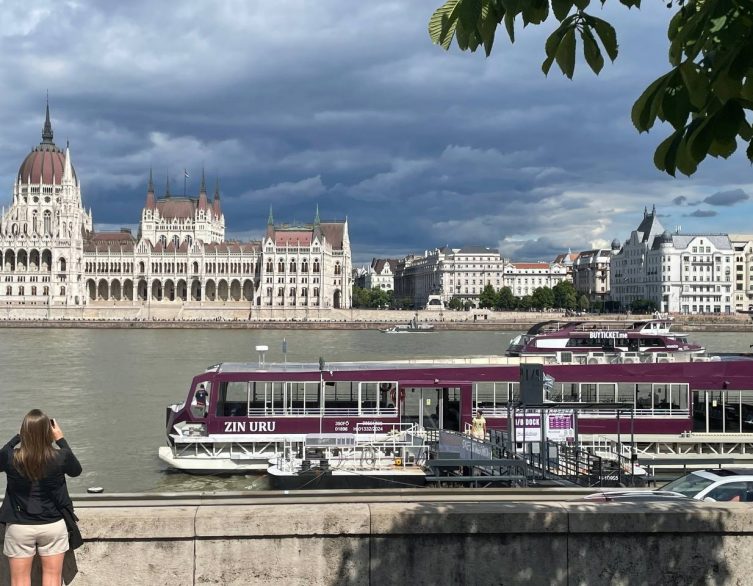
The big upgrade for 2026 is a new flexible traffic system. From mid-May onward, the Rakpart will be open not just on weekends and public holidays, but also on weekday evenings — a first for the project. New barrier gates installed at the Margaret Bridge end of the embankment will allow cars to use the road during busy morning and daytime hours, then hand the tarmac back to pedestrians and cyclists each evening as the sun starts its long, golden descent over the Buda hills. In practical terms, this means that in 2026 the Rakpart will be open for a minimum of 115 days — up from 107 days in 2025. That’s a meaningful leap forward for what has become one of the city’s most beloved summer institutions.
What to Do Once You’re There
The honest answer is: whatever you feel like. That’s rather the point. The Jane Haining Embankment section — named after a Scottish missionary who worked in Budapest and was killed in the Holocaust — is the lively, social hub of the Rakpart, lined with pop-up bars and catering spots, cultural events, live music, and community programmes. This year, more and larger food and drink establishments are opening than in previous seasons, so the riverside café situation is firmly under control. The Antall József Embankment section to the north, stretching toward Parliament, takes a slightly calmer tone: running paths, yoga spots, ping-pong tables, outdoor grills, and open stretches where you can simply lie on the ground and watch the sky. Both sections are completely free to access.
If you’re cycling or scooting through, the BKK transport authority does ask that you give extra attention to pedestrians — particularly children, who have a well-documented habit of darting into bike lanes with zero warning. Be patient, ring your bell, and enjoy the fact that you’re cycling along one of the most beautiful rivers in Europe rather than sitting in traffic.
Getting There
Reaching the car-free section is straightforward. From the south, you can approach via the riverside pedestrian path between Elizabeth Bridge and Közraktár Street, or catch one of the trams running along the upper embankment and walk down. From the north, visitors arriving at the Pest side of Elizabeth Bridge should head toward the Március 15. tér tram stop and walk south — you’ll reach the open section within minutes. Driving to the embankment itself on open days is, by design, not an option, but the surrounding streets have public transport connections that make the whole thing very easy to reach without a car.
A Budapest Tradition Worth Experiencing
There are plenty of ways to see Budapest’s famous Danube panorama — river cruises, the Chain Bridge, the terraces of Buda Castle. But there is something uniquely satisfying about standing on what is normally a road, surrounded by hundreds of fellow city-enjoyers, watching the light change over Parliament and the Buda hills on a warm May evening. The Rakpart strips away the formality of typical tourist sightseeing and replaces it with something that feels genuinely local: a city giving itself over to the simple, underrated pleasure of being outside, together, by the water. Come for the long weekend, stay for the sunset, and plan to come back — because once you’ve experienced the Rakpart, Budapest in summer without it will feel like something is missing.
Related news
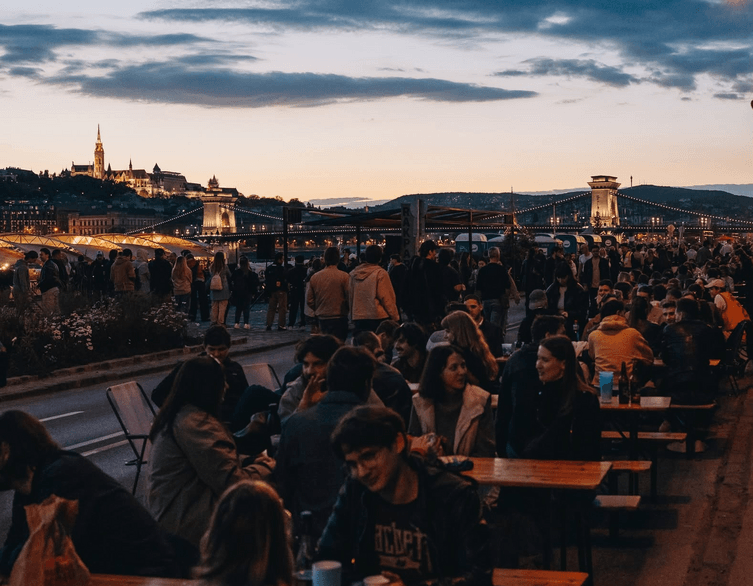
Budapest’s Danube Promenade Goes Car-Free Earlier This Summer — Here’s What You Need to Know
One of the City’s Finest Spots Just Got Even Better If you’re visiting Budapest this summer, there’s one experience that absolutely...
Budapest’s Danube Car-Free Riverbank is Looking for Residents
If your idea of a perfect summer afternoon involves lounging by a river, watching the world drift by on the water, and stumbling into an unexpected...
Budapest Is Heating Up: What Tourists Should Know About This Summer’s Climate “Red Alert”
If you’re planning a summer trip to Budapest, you’re probably picturing sunset walks by the Danube, ice‑cold fröccs on a terrace and lazy...
Budapest’s Rakpart Revolution: Your Ultimate Guide to the Open Embankment Experience
Budapest’s Lower Pest Embankment has just opened its doors to one of the most exciting summer experiences the city has to offer. From June...
Related events