Sir David Attenborough Turns 100 – And Yes, There’s a Hungarian Chapter in His Story
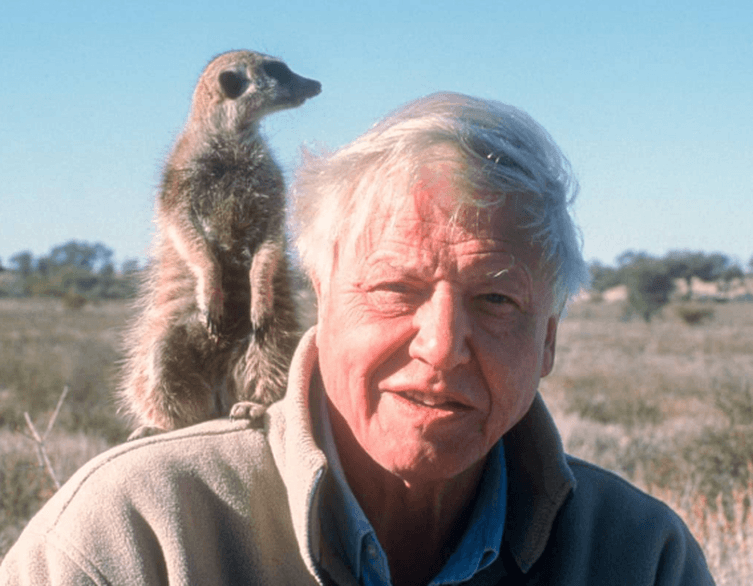
If you grew up hearing a calm British voice whispering about jungle frogs, shy lizards or very determined penguins, chances are it was Sir David Attenborough. Today marks a remarkable milestone: exactly 100 years ago, on 8 May 1926, the world’s most famous naturalist, broadcaster and environmental advocate was born. A century later, his curiosity is still contagious, his voice still iconic, and his message about protecting our planet more urgent than ever.
For visitors in Budapest, his name might feel distant at first – a legendary BBC figure, far away in London studios and tropical rainforests. But look a little closer and you will find surprising connections between Sir David Attenborough and Hungary, from the wild rivers of the Great Hungarian Plain to the living rooms of Hungarian families who met the natural world through his films.
From Black‑and‑White TV to Global Legend
Attenborough’s television journey started back in 1952, when he joined the BBC as a trainee producer, in the early, experimental days of black‑and‑white broadcasting. What began as a behind‑the‑scenes job quickly turned into something much bigger: within just a few years he was in front of the camera, leading ambitious expeditions into the wild and redefining what nature documentaries could look like.
In 1954 he worked on a groundbreaking series that took viewers far beyond the walls of any studio and deep into real, untamed landscapes in West Africa. The plan was simple on paper and wildly complicated in real life: find rare animals, film them in their natural habitat, and, in those days, even collect specimens for zoos. When the original presenter fell seriously ill, Attenborough stepped in as the on‑screen host. That “temporary” solution changed television history and turned him into the face – and voice – of a new kind of nature film, shot on location in the wilderness rather than in staged studio sets.
Best deals of Budapest











A Career of Firsts, Records and Quite a Few Surprises
Trying to list everything Attenborough has done is like trying to catalogue every species in the rainforest: technically possible, practically never‑ending. Over the decades, he helped create some of the first major nature series on television, introduced viewers to dozens of previously unknown species, and took film crews to places most people will only ever see through a screen. Among the creatures technically “introduced” to science with his films and work are birds, frogs and other rare animals, and yes, even a dinosaur species was named in his honour.
Behind the camera, he also shaped the BBC itself. As a senior executive and later programme controller, he commissioned shows that became pillars of British culture, including the very first episodes of Monty Python’s Flying Circus. He oversaw the BBC’s first colour broadcast – a snooker match, of all things – and even played a role in small but memorable details of broadcasting history, like the introduction of yellow tennis balls at Wimbledon to make them easier to see on TV. His career earned him a unique distinction: he is the only person to have won BAFTA awards for programmes in black‑and‑white, colour, HD and 3D, and he holds a Guinness World Record for the longest television career, spanning more than seven decades.
The Soundtrack of Curiosity
Part of Attenborough’s magic is that his work never felt like dry science. His documentaries are packed with information, but they are driven by wonder. That same spirit shows up in his taste in music, which ranges from Bach and Mozart to Indonesian gamelan and Balinese traditional rhythms. As a child he played Beethoven four‑hand piano pieces with his mother, and throughout his life he has kept a strong affection for the piano, often naming works like Schubert’s impromptus, Mozart’s “Soave sia il vento” and Bach’s Goldberg Variations among his favourites.
For many viewers – including plenty of Hungarians – his voice became part of their own personal soundtrack while growing up. In Hungary, generations met him not just in English, but also in Hungarian, through the voice of well‑known actor Tamás Végvári, who dubbed him for local broadcasts. For countless Hungarian children and adults, Attenborough was “the gentleman on TV who crawls up to every bug and plant,” the friendly guide who made the natural world feel intimate instead of distant.
Sir David Attenborough and Hungary’s Natural Wonders
Attenborough’s relationship with Hungary is more than just a TV broadcast arriving via satellite. In the early 2000s, he and a BBC crew spent around two weeks in Békés County, in south‑eastern Hungary, capturing one of the country’s most extraordinary natural spectacles: the Tisza mayfly swarming, known locally as “tiszavirágzás.”
This event takes place along the Tisza River and its tributaries, including the Körös region, not too far – in Central European terms – from Budapest. For most of the year, these insects live unseen underwater. Then, for a very short time, usually just a few hours on a few days, they rise in enormous numbers, dance above the water, mate and die, in a breathtakingly brief life‑on‑fast‑forward. It is a phenomenon so unique and so dramatic that it attracts scientists, photographers and nature lovers from around the world, and it is one of the reasons the Carpathian Basin is considered such a special ecological region.
Attenborough’s team arrived determined to capture this fleeting moment with the most advanced technology available at the time. The result brought the Tisza and the Körös landscapes into living rooms worldwide, turning a local natural wonder into a global star. Those sequences did more than showcase beautiful images; they quietly told millions of viewers that Hungary is not just about thermal baths and goulash, but also about delicate river ecosystems and rare, almost mythical events that happen in the twilight over slow‑moving waters.
How Budapest Fits Into the Picture
You might be wondering: what does all of this mean for someone visiting Budapest today? Quite a lot, actually. For one thing, Attenborough’s documentaries have had a strong following in Hungary for decades. Many of the people you’ll meet in cafés, museums or ruin bars grew up watching his series, whether in English or dubbed, and some even credit him with sparking their interest in biology, conservation or simply spending more time outdoors.
Budapest, as Hungary’s capital, is also a gateway to the landscapes Attenborough has helped make famous. While the Tisza River and Békés County are several hours away by train or car, travellers often start their journeys here before heading east to explore the Great Hungarian Plain. If his Hungarian episodes have inspired you, Budapest is the ideal base from which to plan a day trip or longer excursion to river landscapes, national parks and protected areas showcased in international nature films.
Even if you stay within the city, you can feel the influence of the global conservation movement that Attenborough helped build. Exhibitions in museums, nature‑themed events, and educational programmes often echo themes familiar from his documentaries: biodiversity loss, climate change, and the idea that nature is not just nice background scenery but a shared heritage that needs protection. Taking a walk on Margaret Island, hiking in the Buda Hills or cruising along the Danube, it is easy to see Budapest not only as an urban destination, but as part of a wider, living ecosystem – exactly the kind of big‑picture perspective Attenborough has spent 100 years sharing.
A Century of Wonder – and a Message for the Future
Reaching 100, Attenborough remains more than a charming narrator of cute animals. His recent work has become increasingly direct, urging viewers not only to admire the planet but to protect it. For a world dealing with climate change and biodiversity loss, his message is clear: the natural world is not a decorative backdrop, but our shared inheritance and, in many ways, the greatest work of art that has ever existed.
On his centenary, celebrations stretch from the BBC’s special programmes and a gala at London’s Royal Albert Hall to digital tributes like a playful Google Easter egg that appears when you search his name. He has received an overwhelming number of birthday messages from all over the world, which he thanked in a recorded message, still speaking with the same calm conviction that has guided audiences for generations.
For travellers in Budapest, his 100th birthday is a perfect excuse to see the city through Attenborough‑style glasses: notice the birds along the Danube, the foxes and deer in the Buda Hills, the ancient trees in city parks, and remember that Hungary’s wild side begins just beyond the urban skyline. You are not just visiting monuments and cafés; you are standing in a country whose rivers, plains and wetlands helped tell the story of Earth’s living treasures to a global audience.
Related news
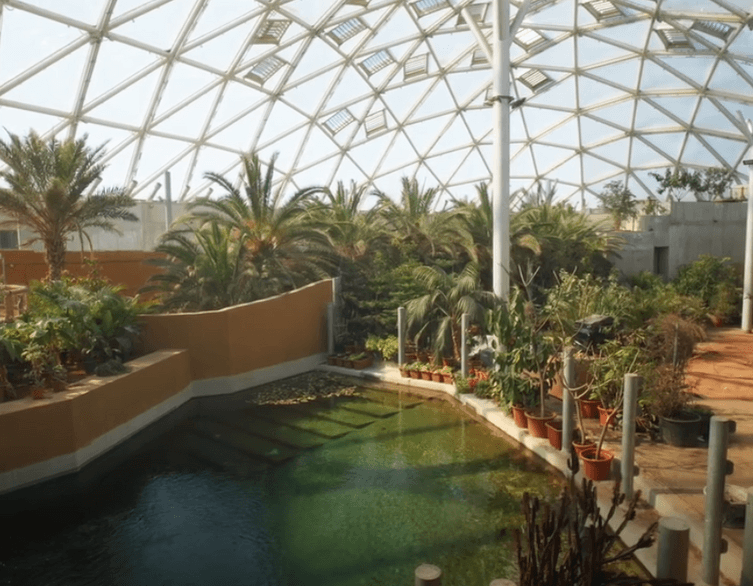
You Can Now Donate a Plant to Budapest Zoo — and It’s as Cool as It Sounds
Budapest Zoo and Botanical Garden has always had a soft spot for the unusual. It’s the kind of place where art nouveau elephant gates guard...
Budapest Zoo’s Biodome Is Finally Opening Its Doors — And It’s Going to Be Spectacular
If you’re planning a trip to Budapest this summer, you might want to clear some extra space in your itinerary. The Hungarian capital’s...
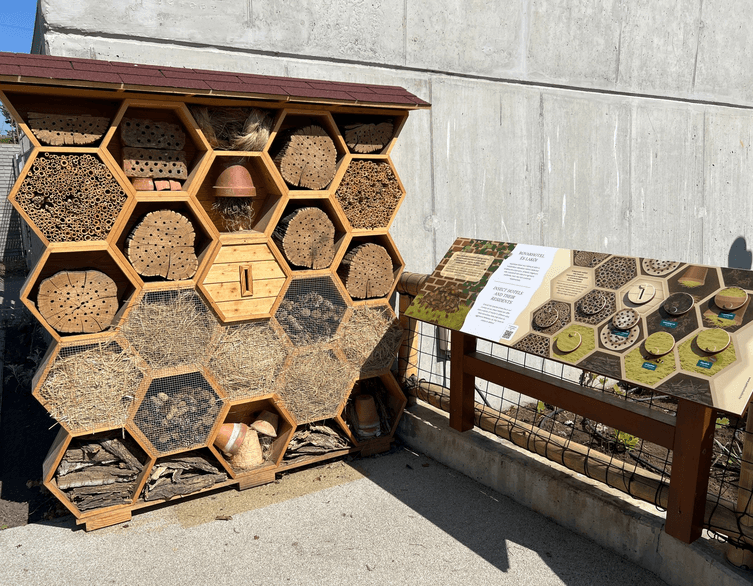
Bees, Butterflies, and Budapest: The Zoo’s New Pollinator Garden Is Worth a Visit
When most visitors picture the Budapest Zoo & Botanical Garden, they think of exotic animals, century-old Art Nouveau pavilions, and the lush...
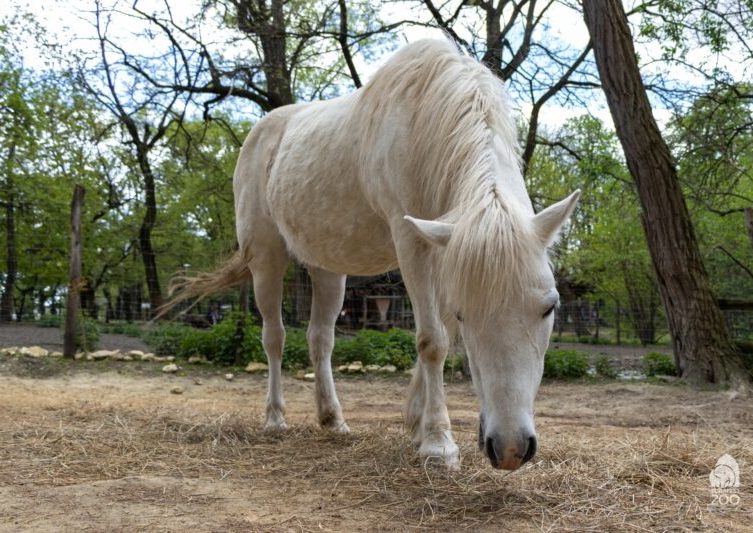
Margaret Island’s Little Zoo Is Open — and It Just Got Some Adorable New Residents
Spring has come early to one of Budapest’s most beloved green escapes. The Margaret Island Petting Zoo has reopened its gates after its brief...
Budapest Zoo Baby Boom 2026 – Adorable New Arrivals for Tourists!
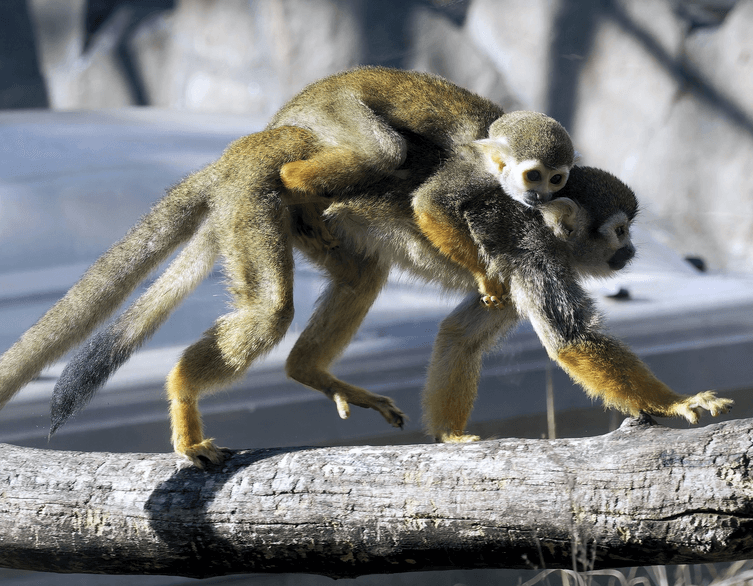
Budapest Zoo is buzzing with adorable baby animals right now, from fluffy squirrel monkey kids to waddling penguin chicks – perfect timing for...