Budapest Is Transforming Its Danube Embankment — and the Results Will Be Stunning
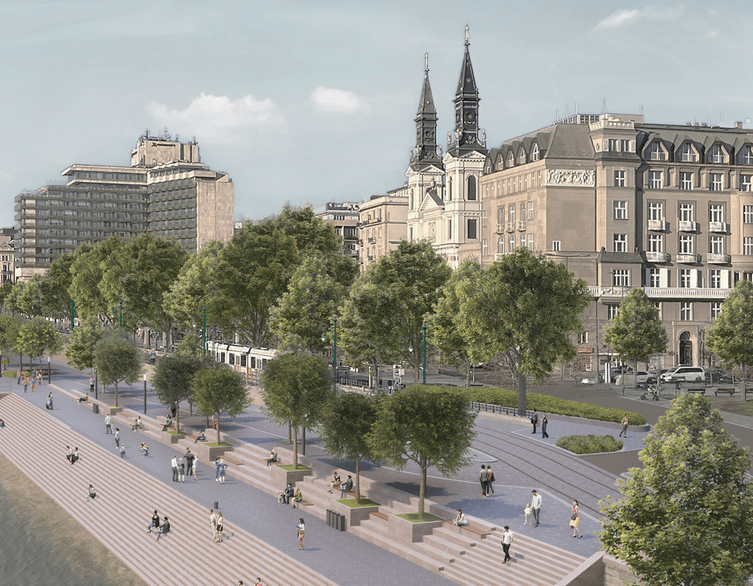
A World Heritage Waterfront Gets a Long-Awaited Makeover
Budapest’s lower Pest embankment has always been one of the city’s most breathtaking assets — a UNESCO World Heritage stretch of riverfront with front-row views of Buda Castle, the Chain Bridge, and the Hungarian Parliament. But for decades, much of this extraordinary public space was dominated by fast-moving traffic, functioning more like an urban motorway than the vibrant, green riverside promenade it deserves to be. That is about to change in a serious way. The City of Budapest has confirmed that EU funding has been secured for the renewal of two key sections of the lower Pest embankment, and the transformation is well and truly underway.
What’s Being Built and Where
The funding covers two distinct stretches of the riverside. The first is the Antall József Senior Embankment running from the Hungarian Parliament all the way down to the Chain Bridge — one of the most iconic and heavily visited corridors in the entire city. The second is the section beneath Elizabeth Bridge, which will be completely reimagined as a pedestrian space.
On the Parliament-to-Chain Bridge stretch, the city plans to plant a double row of trees, creating a generous, shaded boulevard between two of Budapest’s most recognizable landmarks. Existing trees will be carefully preserved — tree removal is only permitted for health reasons — and a stabilized surface will be laid along the promenade specifically to protect root systems and allow rainwater to percolate into the soil. Traffic in this section will be calmed to 30 km/h, and new pedestrian crossings and properly designated cycling lanes will make getting around on foot or by bike far safer and more pleasant than it is today. The surface design is planned to echo the style of Chain Bridge Street nearby, creating a coherent, elegant visual language across the inner-city riverside.
The area beneath Elizabeth Bridge tells a particularly resonant story. During the socialist era, the double staircase that once connected the upper and lower embankment — and gave this stretch its lively, layered character — was demolished to make way for more car lanes. The new plans will restore those stairs, plant trees in what is currently a bare stretch of concrete, and return the entire area under the bridge to pedestrian use. It’s a genuine act of urban restoration, giving back to the city something that was taken away generations ago.
Years of Planning, Dozens of Voices
What makes this project stand out is not just its ambition but the unusually thorough process behind it. Since 2022, the city and the Budapest Center for Public Transport have been working alongside a civil stakeholder group made up of more than twenty organizations — ranging from cycling clubs and pedestrian advocacy groups to the Chamber of Commerce, the National Taxi Association, and river passenger operators. Surveys, workshops, joint walking tours of the embankment, and multiple rounds of public consultation have all fed into the plans. The result is a blueprint that tries to balance the needs of pedestrians, cyclists, residents, businesses, river transport, and yes, even drivers — while keeping the UNESCO World Heritage setting front and center throughout.
Best deals of Budapest









Traffic data collected during the seasonal car-free openings of recent years has also played a crucial role. The city’s monitoring systems don’t just count vehicles — they track speed, vehicle type, and pedestrian and cycling flows, building up a detailed picture of how the embankment is actually used across different times of day and different seasons. On recent weekday evenings alone, an average of over 10,000 pedestrians and cyclists have been recorded enjoying the riverside after the 5 PM car-free hours begin — powerful evidence that demand for a greener, more people-friendly embankment is real and growing.
The Bigger Picture: A Riverside for Everyone
The renewal is planned in three phases in total, with the Antall József and Elizabeth Bridge sections now moving forward thanks to EU funding. The Belgrade Embankment further south is also in the early stages of planning, with detailed design work to follow once lessons from the first phases have been absorbed.
The philosophy running through all of it is straightforward: Budapest’s Danube bank is a world-class public space, and it should feel like one. The city’s vision is a riverside that is green, safe, accessible to all — including people with mobility or visual impairments — and worthy of its World Heritage status. Functionally, the promenade will be divided into three distinct zones: a quieter, park-like northern stretch; a lively central section centered around hospitality and cultural venues; and a more urban, boulevard-style southern promenade. Each zone will have its own character while sharing a coherent design language rooted in Budapest’s architectural heritage.
What You Can Experience Right Now
The permanent transformation will take time to complete, but the riverside is already one of the most enjoyable places in Budapest to spend an afternoon or evening this summer. As of June 29, the lower Pest embankment is car-free from 5 PM every weekday through to 5 AM the following morning, and all day on weekends. The Viaduct — the row of bars and cultural spaces tucked beneath the arches carrying tram line 2 — has expanded this year with new venues including Tuna and Meder joining the established Viadukt Bar and Dunyi. South of the Chain Bridge you’ll find concerts, club nights, and exhibitions; north of it, a more relaxed atmosphere perfect for cycling, jogging, or simply sitting by the water and watching the river go by.
The embankment Budapest is building toward is one of Europe’s great urban riverside spaces in the making. But even before the construction crews arrive, the Danube waterfront on a warm summer evening is already pretty close to perfect.
Related news
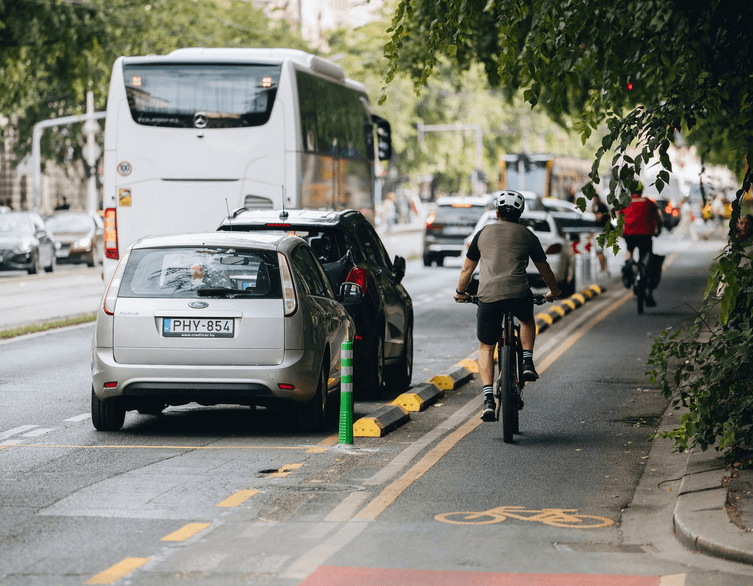
Safer Streets on Budapest’s Grand Boulevard: What’s Changed on József körút
Budapest’s iconic Grand Boulevard, known locally as the Nagykörút, just got a practical upgrade on one of its busiest stretches, and it’s...
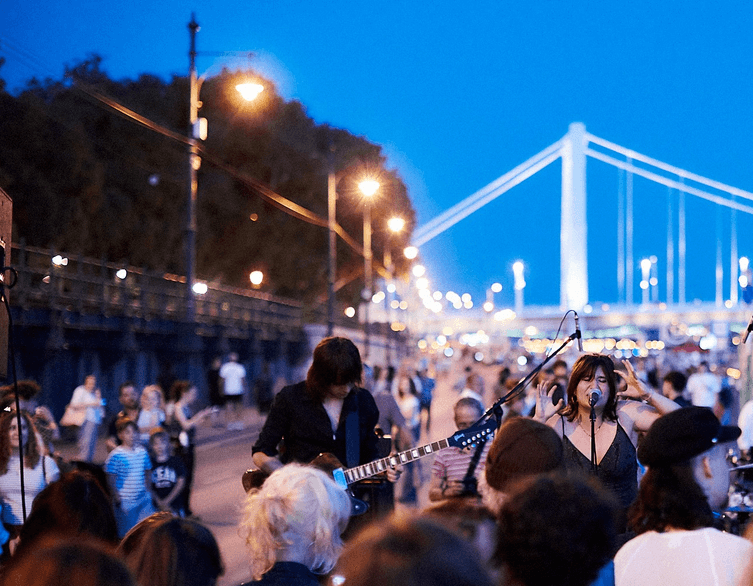
Budapest’s Rakpart Revolution: Your Ultimate Guide to the Open Embankment Experience
Budapest’s Lower Pest Embankment has just opened its doors to one of the most exciting summer experiences the city has to offer. From June...
Related attractions
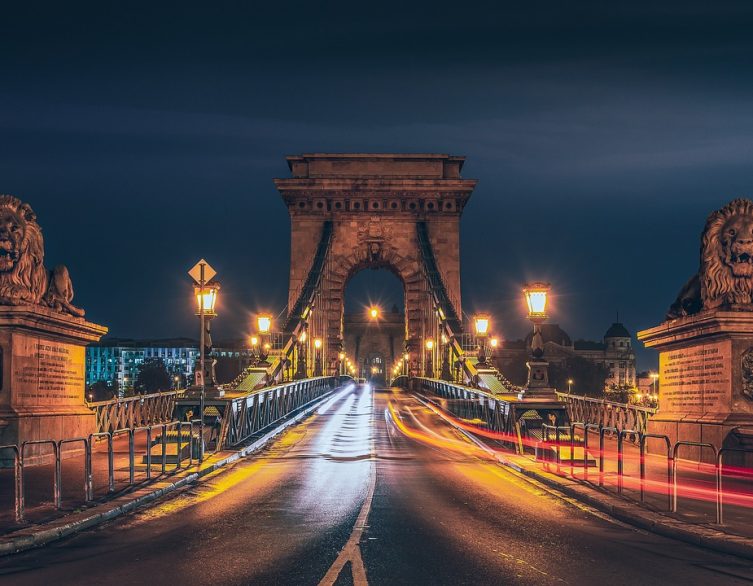
The Iconic Chain Bridge: An Engineering Marvel Connecting Buda and Pest
One of the most famous landmarks in Budapest is the majestic Széchenyi Chain Bridge spanning the Danube River, connecting the historic cities of...
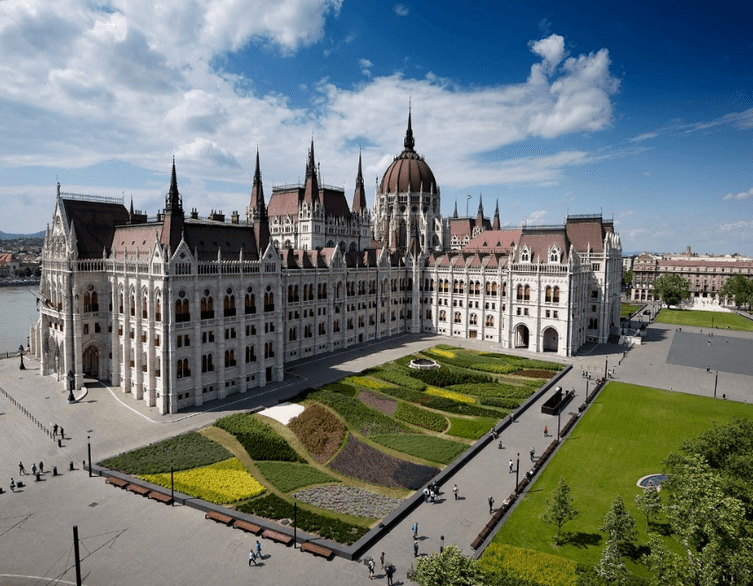
Hungarian Parliament building: symbol of democracy and Budapest
The Hungarian Parliament building in Budapest is not just the seat of Hungary’s legislative power; it is also an architectural gem and a cultural...