Westend Goes Green: Budapest’s Biggest Rooftop Solar Park Opens Above One of the City’s Favorite Malls
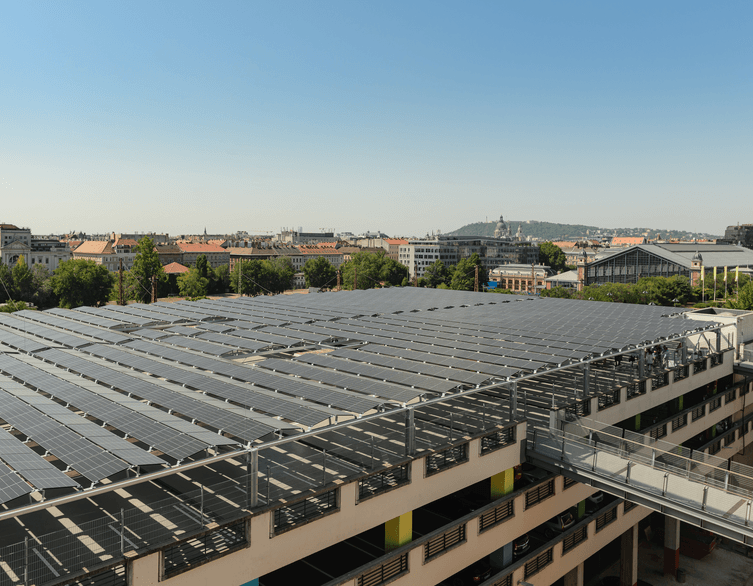
If you’ve ever browsed the shops at Westend Shopping Center in Budapest, you might not realize that just above your head now sits the city’s largest solar park, a project that’s quietly turned this 27-year-old landmark into one of the most sustainable buildings in the Hungarian capital.
Why Westend’s Transformation Matters
Westend is one of Budapest’s busiest urban complexes, welcoming roughly 18 million visitors every year who come to shop, meet friends, grab lunch, or simply pass through one of downtown’s most heavily trafficked spots. Running a building at that scale is a serious responsibility, which is why the past several years have seen a comprehensive sustainability program aimed at making the complex operate on less energy, with lower emissions, and in better harmony with the surrounding city.
Much of this work happened behind the scenes, but the effects are noticeable in daily life, from more efficient energy use and modernized building systems to greener outdoor spaces and easier, more sustainable ways to reach the mall. The upgrades don’t just reduce environmental impact and operating costs; they also improve the visitor experience and strengthen the long-term value and resilience of the property itself.
The Green Westend, By the Numbers
The scale of the transformation becomes clear when you look at the figures behind it. Since 2019, carbon emissions across the complex have dropped by 81 percent, while 80 percent of the energy powering daily operations now comes from renewable sources, adding up to 17.5 gigawatt-hours of green energy supporting the building each year.
At the heart of it all sits Budapest’s largest solar park, a 6,500-square-metre installation covering the rooftop of the parking structure. Combined with AI-supported building management, energy consumption has fallen by 40 percent overall. The rooftop garden, meanwhile, spans 1.5 hectares and is being expanded by nearly 1,000 square metres of new biodiverse green space, while the site also offers 8 car-sharing spots, 42 electric vehicle chargers, bicycle storage, scooter parking, and MOL Bubi bike-share stations for anyone looking to arrive without a car.
Where the Green Energy Actually Comes From
Westend’s electricity supply now leans heavily on renewables through two complementary sources. The rooftop solar park generates clean power directly on site, while the complex also purchases renewable energy from Hungary’s most advanced solar power plant. Together, these two sources account for 80 percent of the electricity used to run the entire complex, a significant shift for a building that first opened its doors nearly three decades ago.
A Smarter Building Uses Less Energy
Sustainable operation isn’t just about where energy comes from, it’s also about how efficiently a building uses it. Westend has modernized its heating and cooling systems, installed new boilers, elevators, and LED lighting throughout, and introduced an AI-powered building management system that ties it all together.
Best deals of Budapest










This system continuously monitors a wide range of internal and external factors, including weather conditions and real-time building performance, then automatically optimizes cooling, heating, ventilation, and general operations. The result is a building that runs proactively and efficiently behind the scenes, while visitor comfort inside the mall stays exactly the same as it’s always been.
More Than a Pretty Rooftop Garden
Westend’s rooftop garden is one of downtown Budapest’s more unusual green spaces, doubling as both a relaxing meeting spot for visitors and a functioning piece of urban climate infrastructure. Spanning 1.5 hectares and home to hundreds of plant species, the garden is set to grow by close to 1,000 square metres in 2026 alone.
Following a “sponge city” design approach, the new plantings favor biodiverse, pollinator-friendly species better suited to Budapest’s increasingly extreme urban climate. Practically speaking, this means the garden helps retain and reuse rainwater on site, reduces overall water consumption, improves the surrounding microclimate, and helps counter the urban heat island effect that makes the city center feel even hotter during summer heatwaves. In other words, it makes the area not just greener to look at, but genuinely more livable.
Getting There Sustainably
Part of Westend’s green rethink extends beyond the building itself and into how visitors actually arrive. The complex now offers a full mix of alternative transport options, including car-sharing spaces, bicycle storage, scooter parking, MOL Bubi bike-share docks, and electric vehicle chargers powered by green energy.
For tourists exploring Budapest without a car, this makes Westend an easy stop to combine with a walk, a bike ride, or a quick Bubi rental, especially given its convenient location near Nyugati Railway Station in the heart of the city.
Proof That Older Buildings Can Have a Future
Westend’s story makes a compelling point: sustainability isn’t reserved for brand-new construction. An existing building that’s been operating for decades can still be reshaped to meet today’s environmental, business, and urban expectations.
The transformation wasn’t the result of a single large investment but rather a multi-year strategy built from mutually reinforcing steps, technical upgrades, smart operations, renewable energy adoption, and nature-based design working together. Nearly thirty years after it first opened, Westend demonstrates that future-readiness isn’t determined by a building’s age, but by the decisions made about it day after day. For visitors wandering through Budapest, it’s a reminder that even the most familiar landmarks can quietly represent something new.
Related news
A Greener Grand Boulevard: Budapest’s Major Tree-Lined Renewal Takes Shape
Budapest’s Grand Boulevard is set to become greener, healthier and more pleasant to explore. New plans aim to renew the historic tree-lined avenue...
Breathe Easy in Budapest: Why September 7th Matters for Every Visitor
If you’re wandering through Budapest this week, admiring the Danube from Fisherman’s Bastion or sipping coffee on a leafy terrace in...
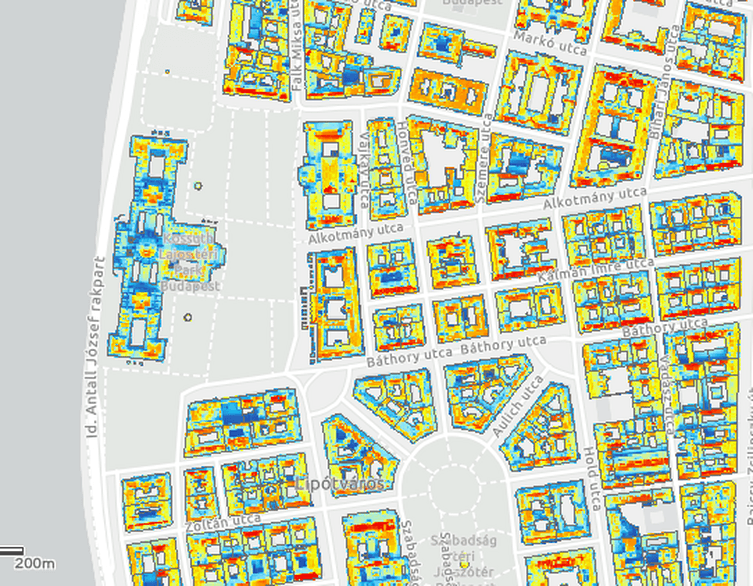
Two and a Half Nuclear Plants Are Hiding on Budapest’s Roof
Here’s a fun thought experiment for your next visit to Budapest: nobody in their right mind is proposing to build a nuclear reactor in the...
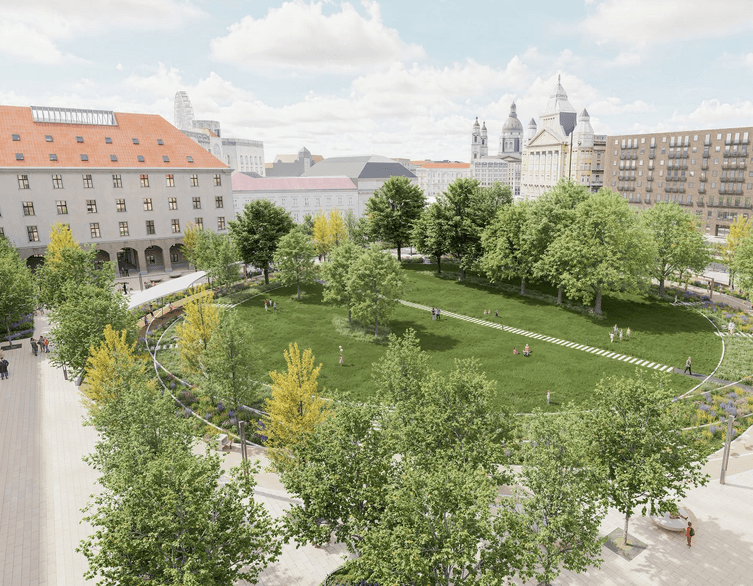
Budapest’s Downtown Parking Lot Is Finally Becoming a Real Park
For decades, one of the most valuable pieces of real estate in downtown Budapest sat locked away behind a fence, serving no one but a handful of...
Making Budapest Greener by Introducing LOGI Points
Budapest has always been a city that surprises its visitors. Beyond the grand Parliament building, the steaming thermal baths, and the ruin bars...
Hungaroring Goes Green: Why Budapest’s F1 Track Just Became a Sustainability Star
If you think Formula 1 is all roaring engines and burning rubber, Hungary has a little surprise for you. Just outside Budapest, the Hungaroring –...

Green Ways to Explore Budapest: Your Guide to Eco-Friendly Transport
Earth Day is a great reminder that protecting our planet doesn’t require grand gestures. In fact, some of the most meaningful changes start...
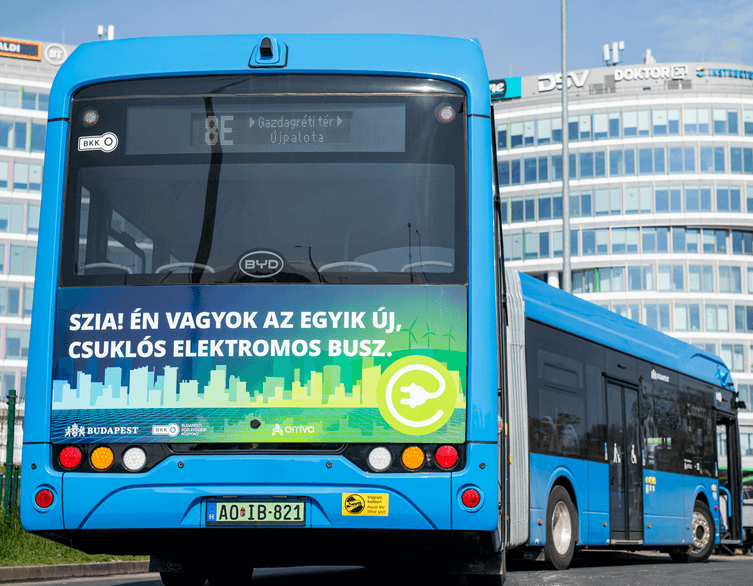
Budapest’s Electric Articulated Bus Revolution: A Greener Way to Explore the City
If you’ve been to Budapest recently, you may have noticed something quietly exciting happening on the streets. The Hungarian capital has just...
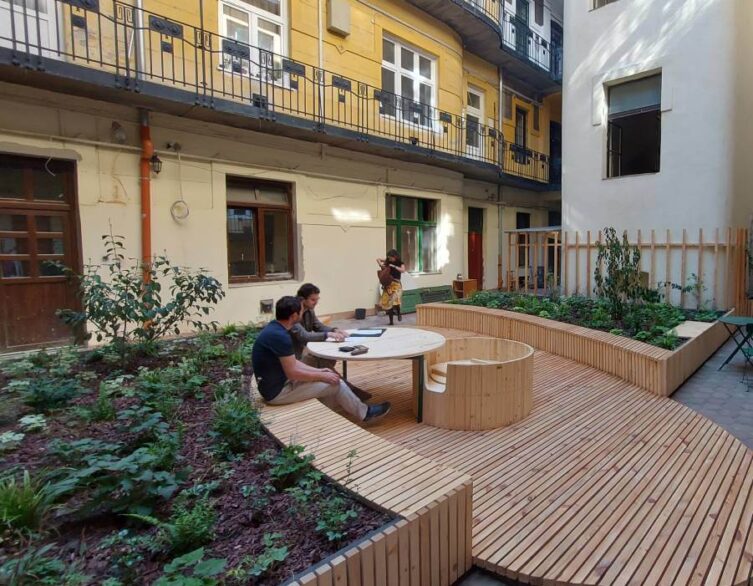
Budapest Is Going Green — One Courtyard at a Time
If you’ve ever wandered through Budapest’s inner districts and peeked through the iron gates of an old apartment building, you’ve...
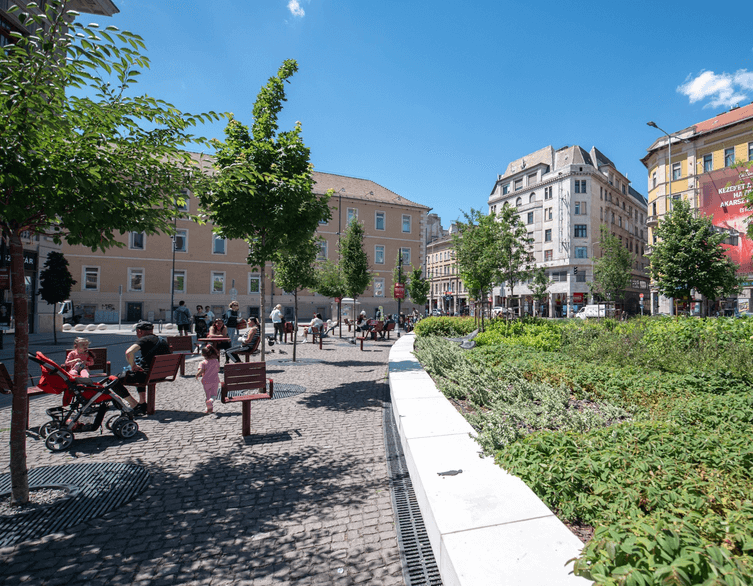
Budapest’s Sponge City Initiative: A Sustainable Approach to Urban Water Management
In the heart of Hungary, Budapest is embracing an innovative approach to urban water management known as the “Sponge City” concept. This...
Related events