Budapest’s City Park Named Europe’s Best Large Urban Park in 2026
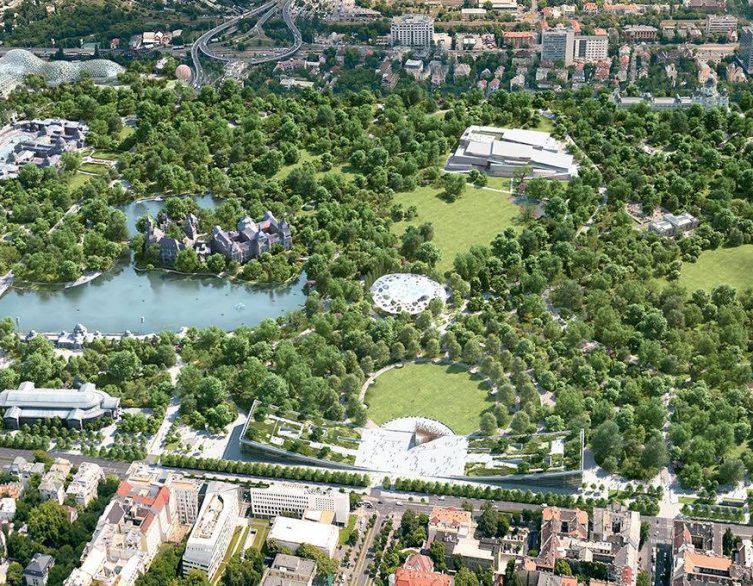
Budapest’s City Park has just added an international award to its many attractions. World Urban Parks has honoured it with the European Large Urban Parks Award for 2026, recognising the care, professional management and visitor experience behind this nearly 100-hectare green space. Presented in Istanbul, the award celebrates something you might not immediately notice while strolling beneath the trees: the work that keeps a much-loved public park welcoming day after day.
For anyone visiting Budapest, it is another good reason to make time for City Park. This is a place where a museum visit, a family outing and a quiet afternoon outdoors can all fit into the same day. Its appeal lies in that combination: you do not have to choose between discovering the city’s cultural side and taking a break from sightseeing.
What the World Urban Parks Award Recognises
The award is not simply a prize for attractive scenery. City Park received its European recognition in the Large Urban Parks category for professional operation, outstanding green-space maintenance and a high-quality visitor experience. The 2026 World Urban Parks Awards programme received 55 nominations across five global regions, with four European projects earning recognition in different categories.
That distinction matters because a successful urban park needs to work for many different people at once. Some arrive looking for cultural attractions, others come to exercise, and families need space to play and relax. City Park welcomes a reported eight to nine million visits each year, making the balance between busy public spaces and a peaceful, nature-rich setting particularly important.
The recognition also highlights a different side of the Liget Budapest development programme. Alongside the architecture and cultural attractions, it acknowledges the everyday maintenance that helps those spaces remain enjoyable long after their opening.
A Historic Park with Much More Than Green Space
More than 200 years old, City Park brings together landscaped grounds, sports facilities, playgrounds and cultural institutions within one extensive public space. The House of Music Hungary, the Museum of Ethnography, the Museum of Fine Arts and the House of the Hungarian Millennium are all part of its cultural landscape.
For tourists, that variety makes the park an appealing alternative to a tightly packed sightseeing route. You can build a visit around a particular museum, then leave time for an unhurried walk. Or you can make the outdoor spaces the main attraction and discover the cultural venues along the way.
The House of Music Hungary is especially appealing if you enjoy contemporary architecture as much as exhibitions. Designed by Japanese architect Sou Fujimoto, it brings an immersive musical experience into the park setting, with exhibition and performance spaces that explore music beyond the traditional museum format.
The Museum of Ethnography and the Museum of Fine Arts offer further opportunities to turn a relaxed park visit into a cultural outing. Rather than trying to fit every institution into a single day, choosing one main indoor stop leaves room to enjoy the setting that connects them.
Space for Families, Exercise and Slower Afternoons
City Park’s appeal is not limited to its museums. Its Main Playground, Sports Centre, Picnic Garden and Mihály Mőcsényi Botanical Garden serve different kinds of visits, from active afternoons to quieter moments among the planting. The Garden for the Blind adds another distinctive element to this varied public landscape.
That range is particularly useful when travelling with children or with people whose interests do not perfectly overlap. A cultural visit does not have to mean spending the entire day indoors, while a family outing can include more than playground time. The park gives everyone room to change pace.
Best deals of Budapest





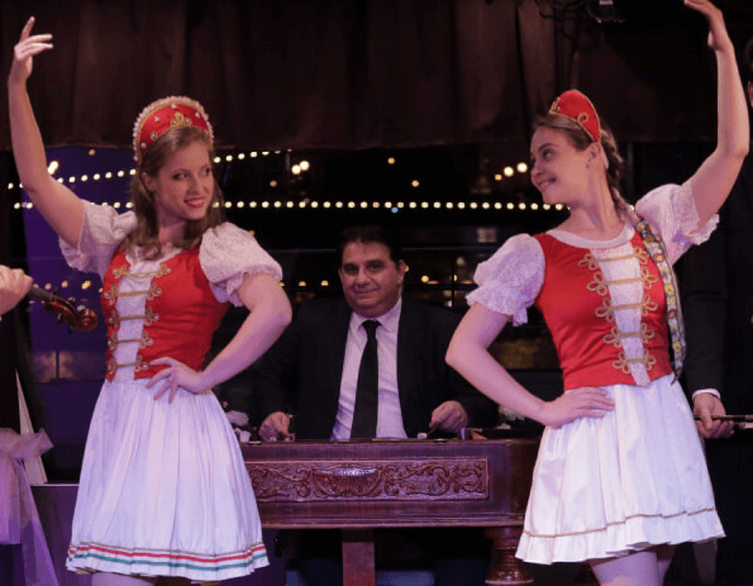




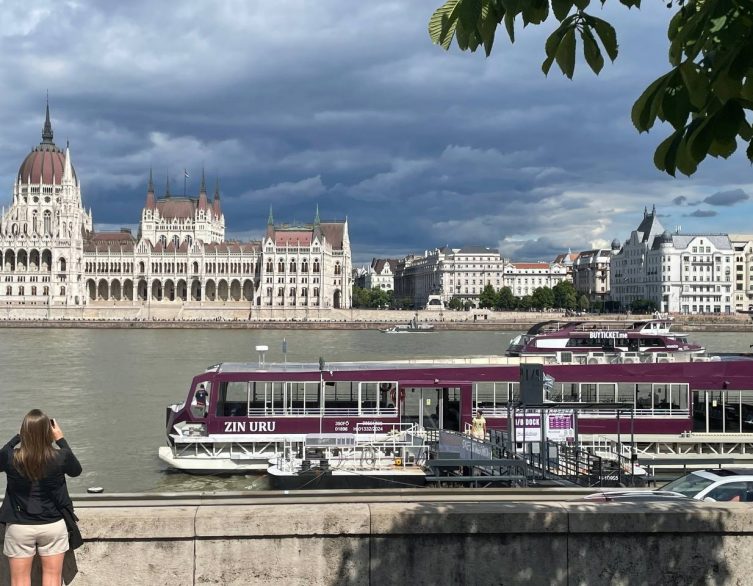
It also offers a welcome opportunity to slow down. Between major attractions, simply allowing time to walk, sit and enjoy the surroundings can make a Budapest itinerary feel less like a checklist and more like a holiday.
The Everyday Work Behind the Award
Keeping a park of this scale in good condition involves far more than mowing lawns. According to the park operator, City Park contains nearly 7,000 trees representing 225 tree species, while more than 270,000 square metres of green space have been renewed in recent years. Its grounds also include a lake system, busy paths, playgrounds, public furniture and infrastructure that all require different types of attention.
More than 70 specialists work together on daily maintenance, supported by a round-the-clock dispatch service and digital inspection systems. Soil-moisture sensors help guide plant care, while sensors monitor the lake’s water quality. Drinking fountains, waste bins and playground equipment are checked as part of the wider operation.
For visitors, the technical details matter mainly through their results. Well-maintained planting, functioning facilities and cared-for public spaces make it easier to enjoy the park without thinking about the systems behind it. That is precisely the kind of everyday experience the World Urban Parks award recognises.
What Visitors Say About City Park
The park operator’s own research suggests that visitors appreciate this combination of greenery, culture and recreation. In a survey commissioned from Inspira Research Group, 1,000 people were interviewed face to face at 11 locations within the park.
Among those surveyed, 99% were satisfied with the standard of the completed developments, and the same proportion valued having sport, relaxation, family activities and cultural experiences together in one place. Nearly three-quarters said they visited at least weekly, suggesting that the park is not only a sightseeing destination but also a regular part of local life.
Those findings describe the surveyed park users rather than every Budapest resident or visitor. Even with that limitation, they help explain the park’s attraction: its different functions support one another rather than requiring separate trips across the city.
How to Include City Park in Your Budapest Itinerary
An easy way to approach City Park is through Heroes’ Square, then continue into the grounds for a walk or a cultural visit. Metro Line M1 serves the area, with Heroes’ Square and Széchenyi Baths stations offering useful access points. On station signs, look for the Hungarian names “Hősök tere” and “Széchenyi fürdő.”
For a balanced visit, plan around one main attraction and leave the rest of the time flexible. The House of Music Hungary, for example, sits close to other well-known destinations, including Vajdahunyad Castle and Budapest Zoo, so the area lends itself to combining different interests without travelling far between stops.
Allow a few hours for a walk and one cultural stop, or give the area most of a day if you want a more leisurely experience. Individual museums, exhibitions and programmes have their own opening schedules and admission arrangements, so it is worth checking the details of your chosen venue before setting out.
The new award gives City Park a timely place on the international stage, but its strongest invitation is straightforward: come for a particular attraction, then leave enough time to enjoy the park around it.
Related news
City Park Budapest Is Getting a New Lease of Life: Fences Down, Cars Out, Green Space Back
Something significant is happening in one of Budapest’s most beloved — and most contested — green spaces. City Park, known locally as Városliget,...
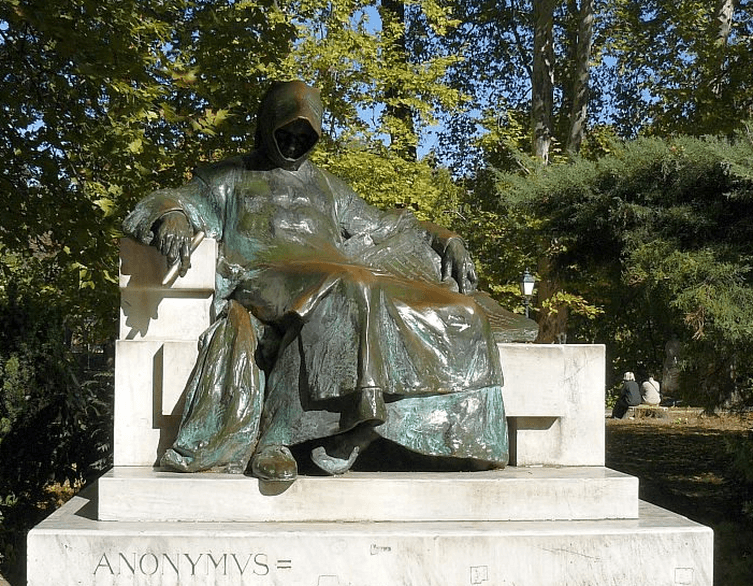
The Hidden Secret of the Hooded Figure: 120 Years of Luck and Mystery in Budapest’s City Park
Discovering the Enigmatic Hooded Statue in the Heart of Budapest Nestled among the trees of Budapest’s iconic City Park, near the enchanting Vajdahunyad...
Related attractions
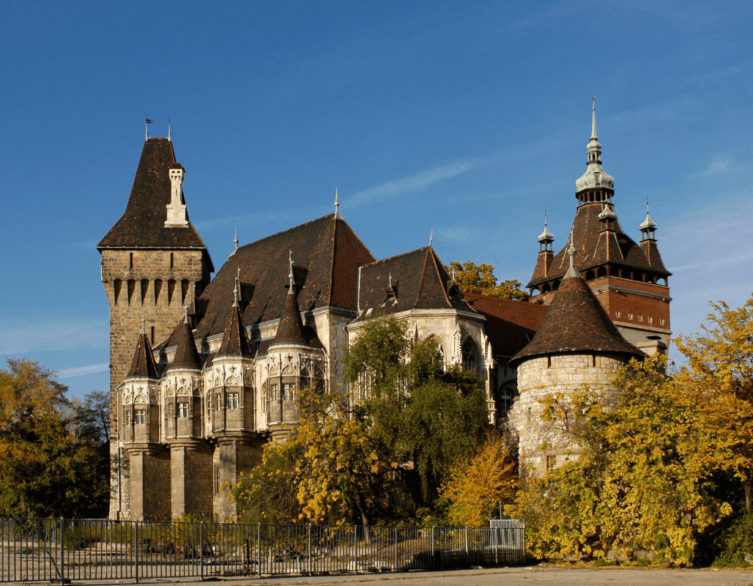
Vajdahunyad Castle, a Unique Mix of Architectural Styles
Vajdahunyad Castle, officially known as the Historical Building Complex, is a stunning architectural masterpiece located in the City Park. Designed...
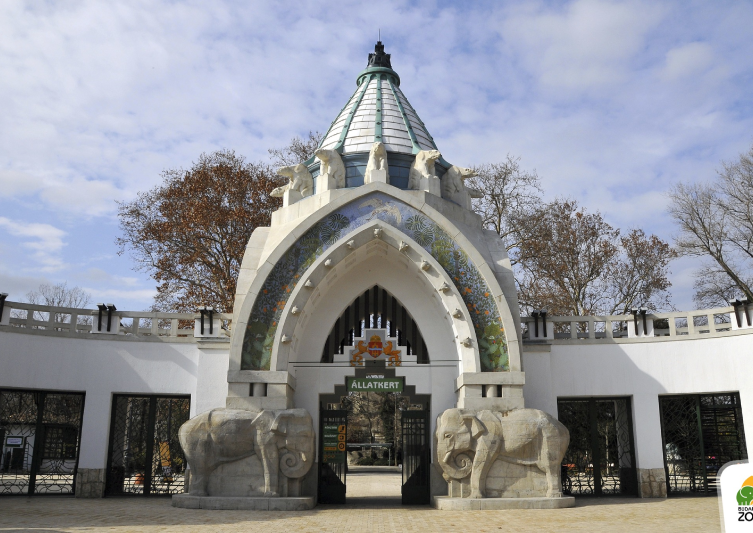
The Budapest Zoo & Botanical Garden: The Wonders of Nature In The Heart of Budapest
The Budapest Zoo & Botanical Garden is one of the oldest zoos in the world and a must-see attraction for any foreign tourist visiting Hungary’s...
Városliget: Budapest’s Green Oasis for Nature and Culture
Nestled in the heart of Budapest, Városliget (City Park) stands as a verdant oasis, offering a refreshing escape from the bustling city life. Right...
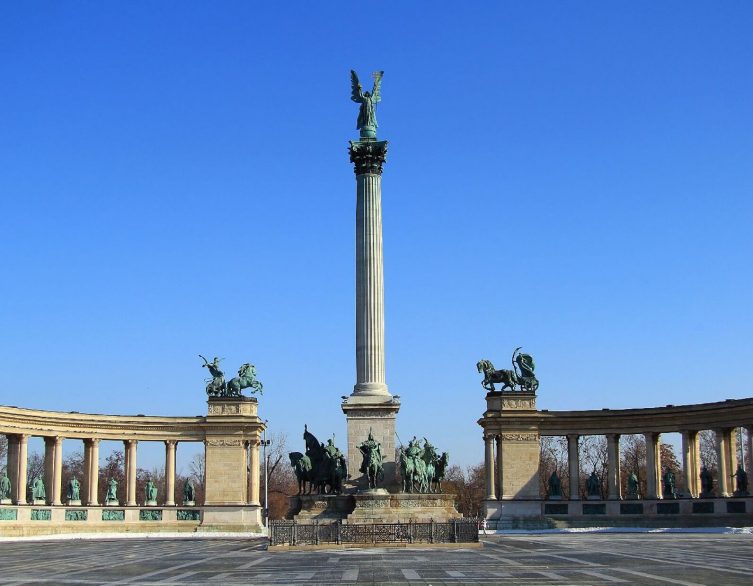
Heroes’ Square Budapest – Hősök tere – Hungary the best attraction
In the heart of Budapest, Hungary, near the enchanting Városliget (City Park) and the picturesque Vajdahunyad Castle, lies a grand and historic...
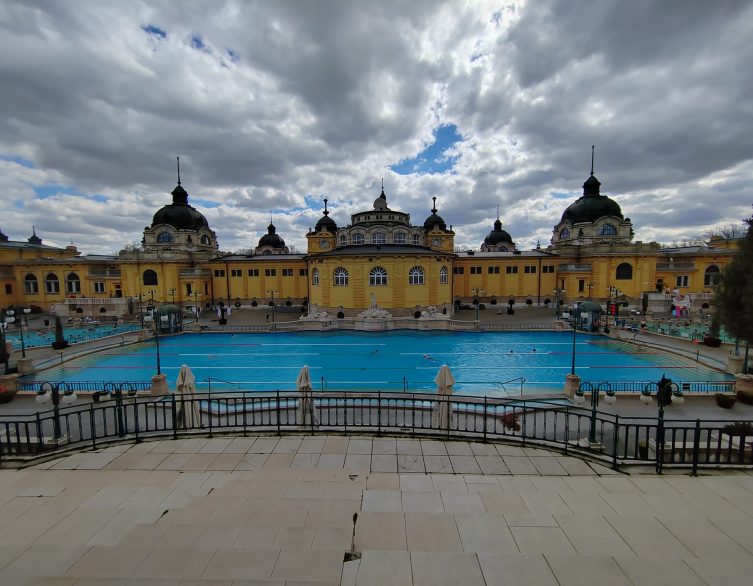
Széchenyi Thermal Bath: Budapest’s aquatic gem
The Széchenyi Thermal Bath, located in the heart of Budapest city, is one of the largest and most iconic thermal baths in Europe. Boasting an impressive...