Budapest’s Next Chapter: Greener Parks, Better Transport and a Revamped Riverside
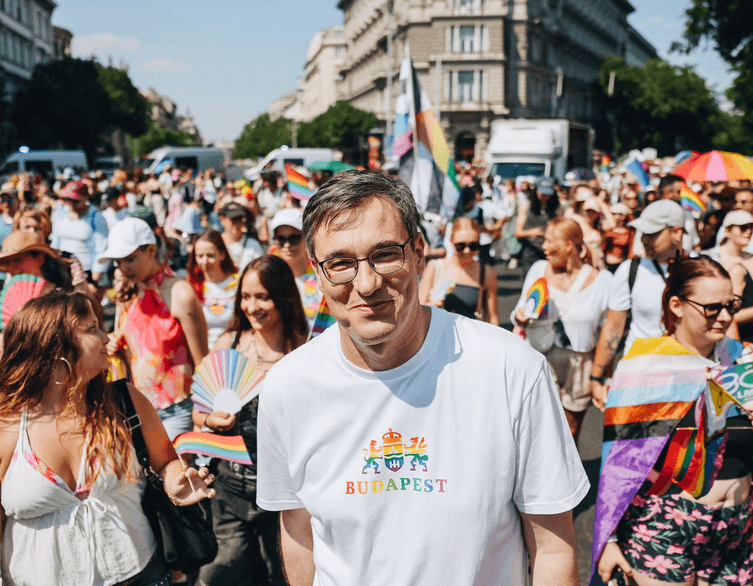
Budapest is preparing for a new wave of urban development, with plans to transform its riverside, refresh major public spaces and improve public transport. For visitors, the most interesting changes could bring more inviting places to pause between sights and better connections for exploring the city. Announced by Mayor Gergely Karácsony on October 15, 2026, the programme ranges from a greener City Hall Park to new tram connections and the renewal of the Pest riverfront. These are planned improvements, however, rather than attractions you can already add to your itinerary.
The mayor says a wave of development will begin in the coming months, while acknowledging that overlapping projects will test people’s patience. His announcement sets out a broad vision for Budapest’s future, not a detailed construction calendar for every scheme. Here is what the proposals could mean for the city you come to explore.
A New Look for the Pest Riverside and Grand Boulevard
The renewal of the Pest lower embankment is one of the proposals most likely to interest visitors. Karácsony wants to turn it into one of Budapest’s most attractive public spaces, putting the riverfront at the heart of the city’s next phase of development. The announcement does not spell out its final layout or completion date, so it is too early to describe exactly how the finished riverside will look.
The Grand Boulevard is also due for renewal. Together, these projects signal an ambition to rethink prominent urban spaces rather than simply repair them. For travellers, their appeal lies in the possibility of a more enjoyable city at street level: somewhere to spend time between attractions, not just move from one landmark to another. The precise changes will depend on the individual project plans.
Best deals of Budapest










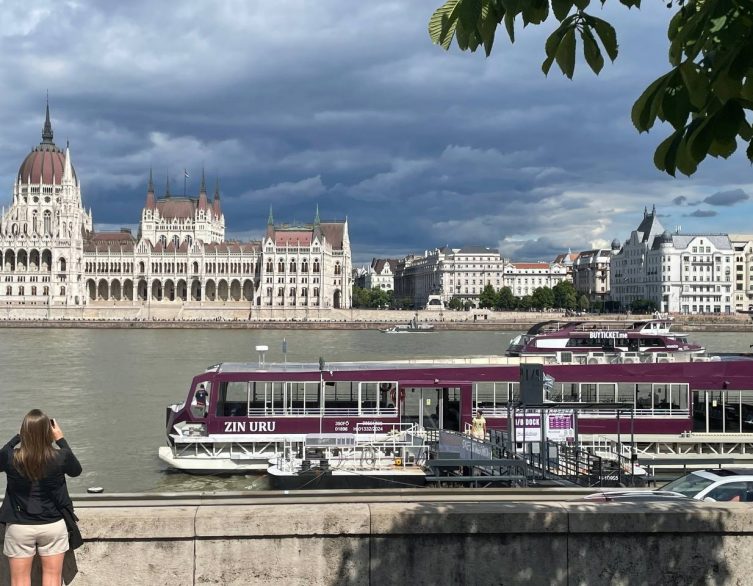
City Hall Park: A Greener Space in Central Budapest
City Hall Park is another centrepiece of the programme, with a design based on “sponge city” principles. In plain English, that means helping the landscape absorb and retain rainwater instead of allowing it to drain away immediately. The aim is to support planting and make the space more resilient to rising temperatures.
The park project received its heritage protection permit in July 2026, allowing it to move towards detailed construction planning. Proposals include replacing an existing parking area with public green space and opening up parts of City Hall’s ground floor. The wider concept also envisages cafés and terraces, giving the space a role as a place to meet and linger as well as a park.
For visitors, that is an appealing prospect: a central public space designed around taking a break rather than finding a parking spot. There is no confirmed opening date in the October announcement, though, so this remains a development to watch rather than a finished stop on a sightseeing route.
New Tram Connections and a Metro Line 3 Extension
Public transport features prominently in the mayor’s plans. Further development of Buda’s interconnected tram network is expected to come first, followed by a corresponding scheme on the Pest side. The programme also includes an extension of Metro Line 3, the renewal of suburban rail services and the arrival of new trams and electric buses.
“Interconnected” is the important word here: the ambition is to build a more joined-up network, rather than treat each route as an isolated service. The October announcement does not provide the detailed routes, station locations or opening dates needed to say exactly how future sightseeing journeys might change.
The broader transport vision extends beyond the city itself. Karácsony proposes organising public transport on a regional basis, alongside a unified parking system, to reduce the number of cars entering Budapest. Although that is primarily a response to residents’ and commuters’ needs, it is part of the same ambition to make the capital less dominated by car traffic.
Greener Parks, Hills and Riverside Retreats
The green-space plans reach well beyond the centre. The mayor named People’s Park, City Major Park, Gellért Hill and the Roman Riverside among the places included in Budapest’s wider greening ambitions. His announcement did not give detailed designs or schedules for these locations, so it would be premature to promise particular new paths, facilities or landscaped areas.
What connects these proposals is their purpose. Karácsony presented planting and public-space improvements as part of Budapest’s response to climate change, with a focus on creating a more human-scale city. For visitors, the potential benefit is not necessarily another major attraction, but a more pleasant setting for the quieter parts of a trip: a walk, a rest or an afternoon outdoors.
Larger Developments Will Shape Budapest Beyond the Tourist Centre
The programme also includes the proposed Student City district and the start of redevelopment at the Rákosrendező railway site. These are longer-term city-building projects rather than immediate additions to a visitor’s itinerary, but they form an important part of the mayor’s vision alongside transport and public-space improvements.
Karácsony linked the overall programme to Budapest’s ability to respond to both climate change and the housing crisis. That distinction matters: this is not simply a facelift for the areas tourists see most often. It is an attempt to reshape how the city functions for the people who live, study and travel here every day.
What Visitors Should Expect During the Changes
The main short-term message is that improvement may come with inconvenience. Karácsony warned that several major projects would need to proceed alongside one another and said the city would work to reduce the disruption. The announcement itself, however, does not establish which streets or transport services will be affected on any particular travel date.
For a visit in the coming months, treat these plans as background to a city in transition—not as a confirmed schedule of closures, nor as a list of completed attractions. Once individual works are announced, checking the transport and access arrangements relevant to your itinerary will be more useful than assuming the whole city is affected. Budapest’s proposed transformation is substantial, but its practical impact on any one trip will depend on where and when construction actually takes place.
Related news
Budapest’s Environmental Plan 2026–2031: A Greener City for Residents and Visitors
Cleaner air, quieter streets and better-protected green spaces: Budapest’s next environmental programme sets out a vision for a city that is more...
A Greener Grand Boulevard: Budapest’s Major Tree-Lined Renewal Takes Shape
Budapest’s Grand Boulevard is set to become greener, healthier and more pleasant to explore. New plans aim to renew the historic tree-lined avenue...
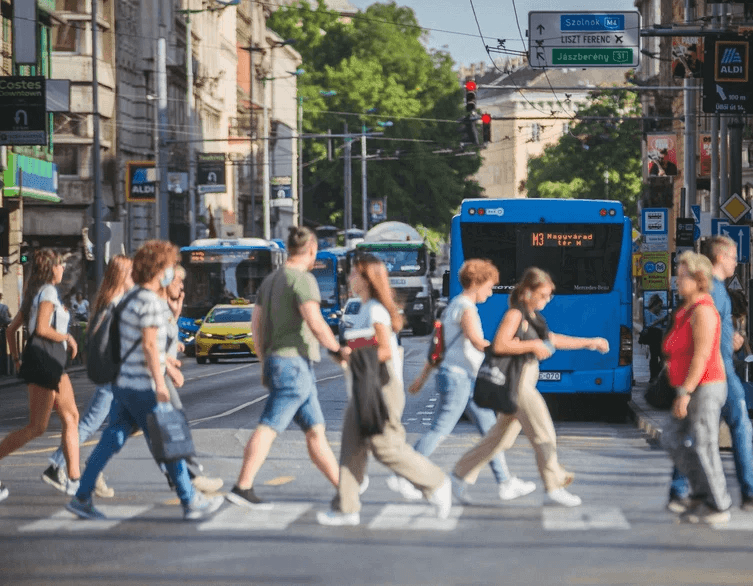
Budapest Wants to Make Walking the Easy Part of Your Trip
Budapest is a city that rewards wandering. You set out for the Hungarian Parliament Building, spot an inviting side street, stop for a coffee, and...
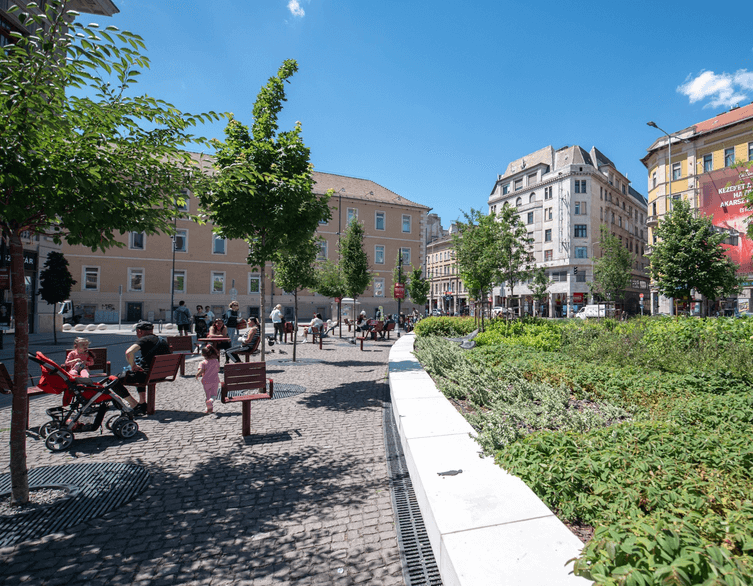
Budapest’s Green Future: The City Turns Into a “Sponge City”
Budapest has just taken a major step toward becoming one of Europe’s most climate-resilient capitals, and it’s a story worth knowing...
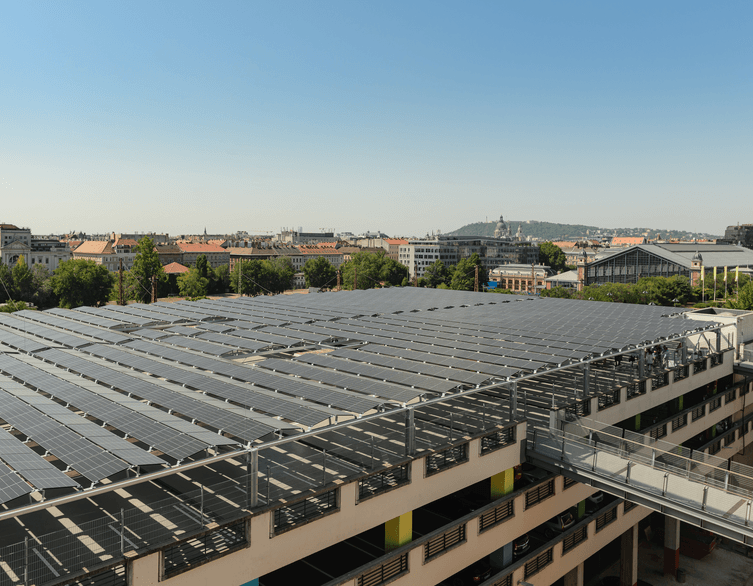
Westend Goes Green: Budapest’s Biggest Rooftop Solar Park Opens Above One of the City’s Favorite Malls
If you’ve ever browsed the shops at Westend Shopping Center in Budapest, you might not realize that just above your head now sits the city’s...
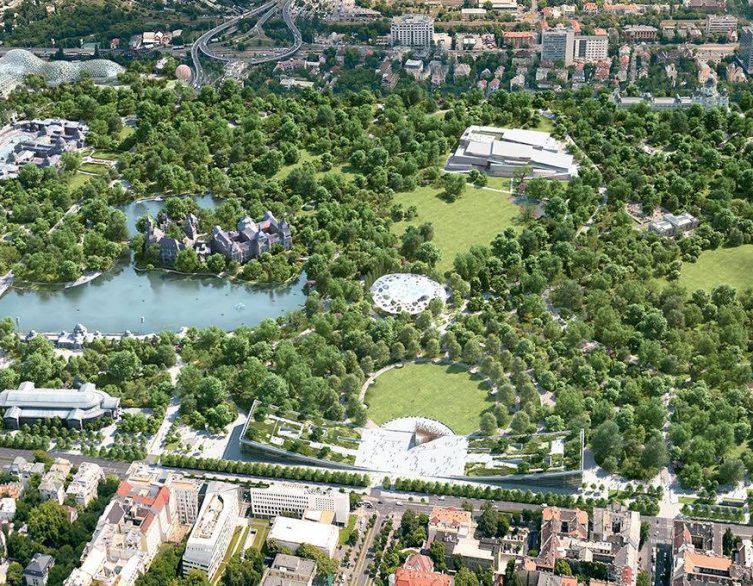
City Park Budapest Is Getting a New Lease of Life: Fences Down, Cars Out, Green Space Back
Something significant is happening in one of Budapest’s most beloved — and most contested — green spaces. City Park, known locally as Városliget,...