Rediscovered Apollo Statue Returns to Budapest’s Hungarian National Museum After 80 Years
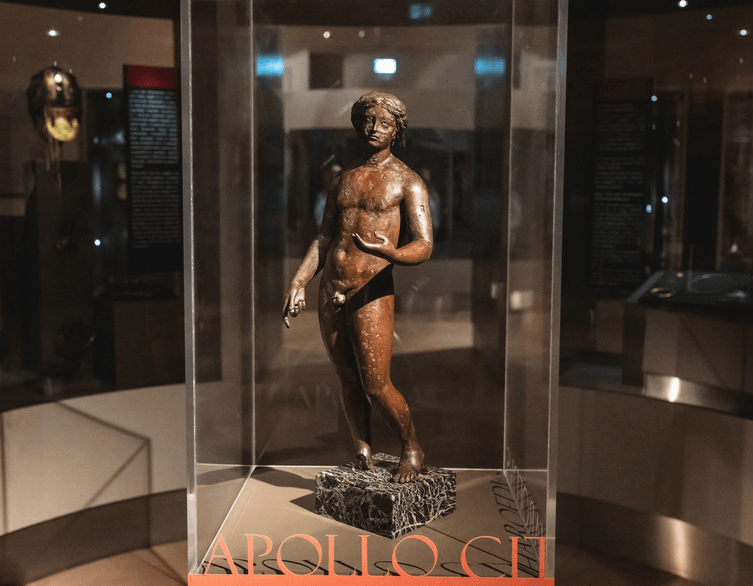
A bronze statue thought to have disappeared during the Second World War is back on display at the Hungarian National Museum—and its story is almost as intriguing as the ancient artwork itself. Rediscovered within the museum’s own collections, the Apollo statue can be seen for one month from 4 November 2026, offering visitors to Budapest a rare opportunity to encounter a treasure that spent decades hiding in plain sight.
Presented as part of the museum’s Treasure of the Month series, this small-scale exhibition brings together ancient craftsmanship and a remarkable piece of museum detective work.
An Ancient Treasure Hiding Under the Wrong Name
For decades, the statue’s true identity went unrecognised. In a 1961 inventory, it was recorded as a mid-19th-century “pharmacy statue” of unknown origin and kept in a collection devoted to more recent historical objects.
It took the work of conservators and archaeologists to uncover the truth: this was no modern decorative figure, but the ancient Apollo statue that had gone missing around the Second World War.
The discovery also reconnects the museum with one of its earliest acquisitions. The sculpture had already entered its collection before 1825, making its return to public view a significant moment in the institution’s history.
Best deals of Budapest













Look Closely at Apollo’s Silver Eyes
Standing 56 centimetres tall, the bronze sculpture depicts a nude young man identified as Apollo. Specialists date it to the second half of the second century AD, making it approximately 1,800 years old.
One detail is especially worth looking out for: the eyes are covered with silver sheet, creating a striking contrast with the dark bronze face. It is the kind of finishing touch that rewards a closer look and reveals the care invested in the sculpture’s creation.
Ancient bronze statues of this size are rare, and producing them would have required considerable expense and skill. The Apollo figure is thought to have come from Sopianae, the Roman settlement beneath present-day Pécs, where it may once have decorated an affluent home or villa. Its precise origins remain uncertain, but it offers a glimpse of the art and luxury of Roman-era Hungary.
Discover the Story Behind the Rediscovery
You’ll find the Apollo statue in Room 6 of the Hungarian National Museum’s permanent archaeological exhibition, At the Crossroads of East and West. Curated by archaeologist Zsolt Mráv, the special presentation invites visitors to explore both the ancient object and the research that restored its identity.
For tourists who enjoy archaeology, ancient art or unusual museum stories, this is a timely addition to a November Budapest itinerary. You can make the display part of a wider visit to the archaeological galleries, placing Apollo within the broader story of the region’s ancient past.
Essential Exhibition Details
- Exhibition: Rediscovered ancient Apollo statue, presented in the Treasure of the Month series.
- Dates: On display for one month from 4 November 2026.
- Venue: Hungarian National Museum, Budapest.
- Location inside the museum: Room 6 of the permanent archaeological exhibition, At the Crossroads of East and West.
- Featured artwork: A 56-centimetre bronze Apollo statue dating to the second half of the second century AD.
- Curator: Zsolt Mráv.
- Visitor information: Check the museum’s current opening hours and admission conditions before visiting.
Related news
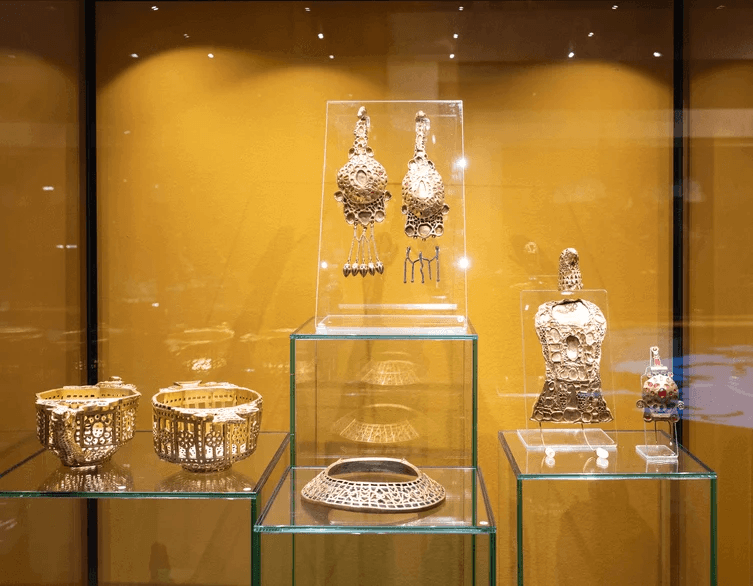
Hungarian National Museum’s Attila Exhibition Wins Exhibition of the Year 2026
What makes a ruler remembered for more than 1,600 years feel relevant today? At the Hungarian National Museum in Budapest, the answer involved bringing...
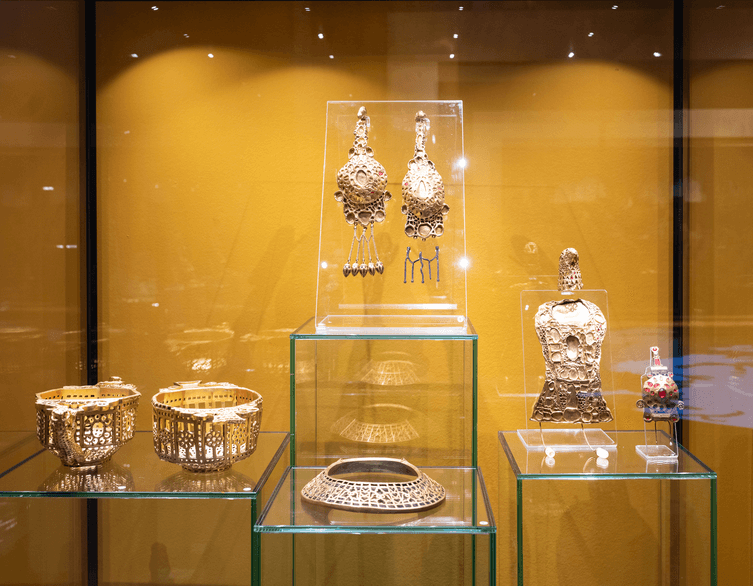
Missed the Attila Exhibition? You Can Now Explore It Virtually From Anywhere
Even though the blockbuster Attila exhibition at the Hungarian National Museum officially closed its doors on July 12, there’s good news for...