Solar Eclipse Over Budapest: A Rare Sky Show You Won’t Want to Miss
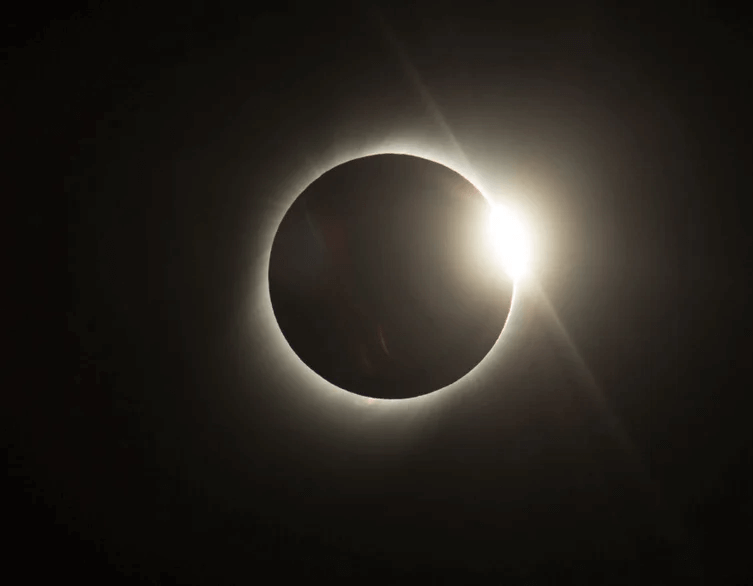
On the evening of August 12, 2026, Budapest will get a front-row seat to a genuinely rare astronomical event: a partial solar eclipse that turns the setting sun into a glowing orange crescent. If you happen to be visiting the city that week, this is one of those “wrong place, wrong time” situations that’s actually the opposite, a spectacular reason to be exactly where you are.
What’s Actually Happening in the Sky
A total solar eclipse occurs when the moon slides directly between the Earth and the sun, completely blocking it out and plunging part of the planet into daytime darkness. This year, that total eclipse will sweep across a path starting in Siberia, crossing eastern Greenland and Iceland, and finally ending over northern Spain and the Balearic Islands. It’s a big deal because Europe hasn’t seen a total solar eclipse since August 11, 1999, nearly 27 years ago to the day, when the path of totality actually crossed Hungary itself, passing through the Szombathely to Szeged corridor and drawing crowds to Lake Balaton for a view lasting 2 minutes and 23 seconds.
Budapest and the rest of Hungary won’t be in that path of totality this time. Instead, the country sits in the penumbra, meaning viewers here will experience a partial eclipse rather than total darkness. It’s still a striking sight, though, especially because the timing lines up almost perfectly with sunset.
Best deals of Budapest









When and Where to Watch From Budapest
The partial eclipse begins around 19:22 local time in the Budapest area, the moment astronomers call “first contact,” when the moon first touches the edge of the sun’s disc. From there, the eclipse becomes more and more visible as the sun sinks toward the horizon. The real spectacle happens right around sunset itself, which in Budapest occurs at approximately 19:58, at which point the moon will be covering roughly 56 to 60 percent of the sun’s surface, creating a dramatic crescent shape that observers have described as looking like a “kifli,” the crescent-shaped Hungarian bread roll.
Interestingly, the exact percentage of coverage depends on where in Hungary you’re standing, since the sun sets at different times across the country. In eastern Hungary, near Nyíregyháza, the sun sets sooner, so the eclipse there gets cut short earlier and shows a smaller bite taken out of the sun. In western Hungary, closer to Sopron, sunset happens later, giving the moon more time to creep further across the sun’s disc, which means a deeper and more dramatic crescent by the time the sun disappears. Budapest sits comfortably in the middle of that range, making it a solid viewing spot without needing to travel elsewhere.
The single most important factor for a good view is an unobstructed western horizon. Since the entire event unfolds low in the sky and finishes right at sunset, any hills, tree lines, buildings, or clouds to the west can block the show entirely. If you’re picking a spot in Budapest, scout it out beforehand around the same time of evening to make sure nothing blocks your view toward where the sun will set. Riverside spots along the Danube, elevated areas like Gellért Hill, or open parks with a clear westward view are all worth considering.
How to Watch Safely
This part matters more than anything else: never look directly at the sun without proper protection, even during a partial eclipse. Looking at the sun unprotected, whether with the naked eye, through a camera, binoculars, or a phone screen, can cause permanent eye damage or even blindness in seconds. The only safe way to view it directly is with certified eclipse glasses meeting the ISO 12312-2 safety standard. Regular sunglasses, smoked glass, camera filters, or exposed film are not safe substitutes, no matter how dark they look.
If you’re using binoculars or a camera with a zoom lens, you’ll need a proper solar filter that covers the entire front of the lens, not a small filter placed at the eyepiece, which can overheat and fail. And never look through eclipse glasses while also looking through binoculars or a telescope, since the concentrated sunlight can burn straight through the glasses. For a low-effort, crowd-friendly option, simple projection tricks work surprisingly well: sunlight filtered through a colander, a pinhole in a piece of card, or even gaps between tree leaves will cast dozens of tiny crescent-shaped images of the eclipse onto a flat surface nearby.
A Bonus Show After Dark: The Perseid Meteor Shower
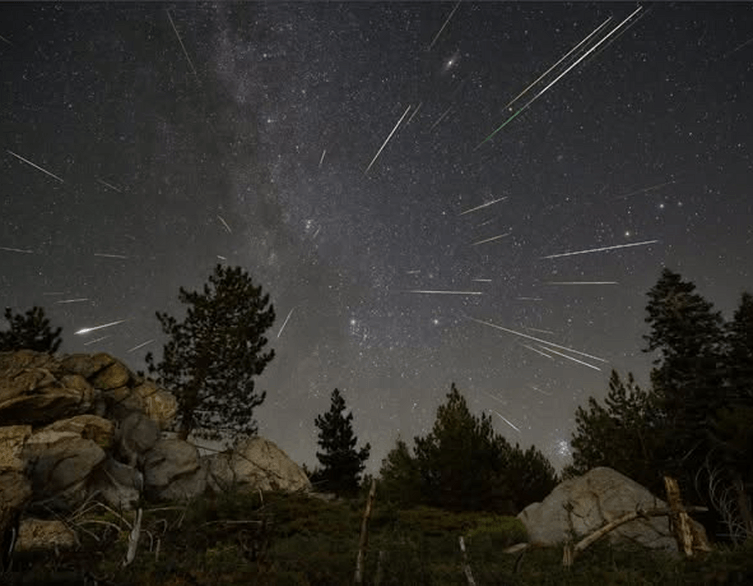
As if one celestial event weren’t enough, the same night also lines up with the peak of the Perseid meteor shower, one of the most reliable meteor showers of the year. The Perseids are active from mid-July through late August, but the most intense activity is expected between 23:00 on August 12 and 11:00 on August 13, with the most likely peak falling in the early morning hours between roughly 04:00 and 06:00 on August 13.
The Perseids are tiny particles, often no bigger than a grain of sand, left behind by comet 109P/Swift-Tuttle. As Earth passes through this trail of debris every August, the particles burn up in the atmosphere at speeds of around 59 kilometers per second, creating the bright streaks we call shooting stars. Conveniently, this year there’s no bright moon to wash out the fainter meteors, since the shower coincides with a new moon.
To actually enjoy the meteor shower, though, you’ll want to get away from Budapest’s city lights. Light pollution from streetlights, billboards, and even phone screens dramatically cuts down how many meteors you can see, sometimes reducing visibility from roughly one meteor per minute under dark skies to just one every six or seven minutes in a brightly lit suburb, and even less in the city center. If you can manage a short trip out to the countryside, somewhere with a clear, wide view of the sky, you’ll have a much better shot at catching a proper show, including a good look at the Milky Way. Give your eyes twenty to thirty minutes to properly adjust to the dark, dim your phone screen or switch it to red light mode, and bring something warm to sit on since meteor watching is very much a patience game with occasional bursts of three to ten meteors in quick succession.
One More Eclipse to Watch For
If you’re sticking around Budapest into late August, there’s a second sky event worth knowing about: a partial lunar eclipse in the early hours of August 28. The partial phase begins around 04:33, and from Budapest the moon will be observable until it sets around 05:58, though the eclipse’s geometric maximum technically occurs after the moon has already dropped below the horizon.
Between the eclipse, the Perseids, and the lunar eclipse just weeks later, this particular stretch of Budapest’s summer sky calendar is shaping up to be one for the astronomy books, and you don’t need a telescope, a science degree, or even to leave the city to enjoy the best of it. Just bring a pair of proper eclipse glasses, find a clear view to the west, and let the sky do the rest.
Related news
Budapest’s Sky Show: A Stargazer’s Guide to August 2026
Budapest is about to get an extraordinary bonus attraction this month, and it doesn’t require a ticket, a queue, or even leaving your hotel...
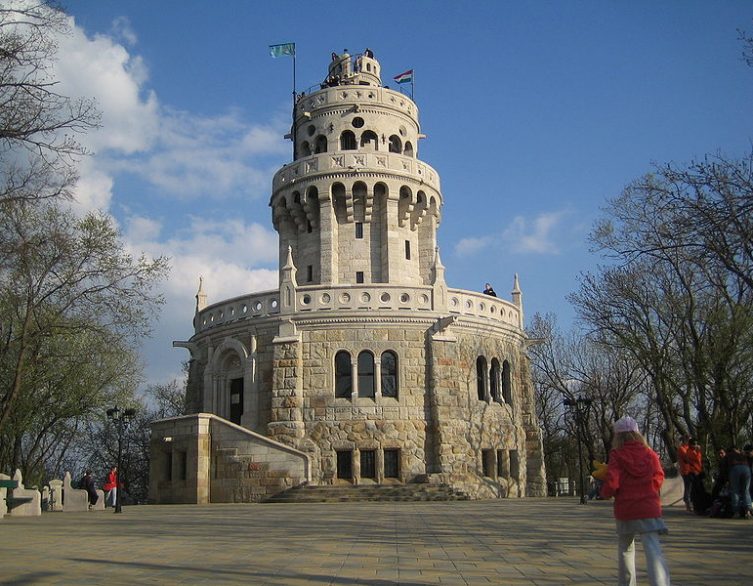
Why the Elizabeth Lookout Tower on János Hill Is Closed — and What It Means for Your Budapest Trip
If you were hoping to climb Budapest’s highest viewpoint this year, there’s some disappointing news: the beloved Elizabeth Lookout Tower...

A Perfect Day Around Gellért Hill, the Citadella, and Bartók Boulevard
Some of the best days in Budapest aren’t built around ticking off famous landmarks one by one, but around letting one neighbourhood lead naturally...
Escape to Budapest’s Hidden Panoramic Viewpoints: 5 Spectacular Lookout Towers Near the City
While Budapest’s vibrant downtown captivates visitors with its architectural splendor and cultural richness, many tourists overlook the fact...

Budapest: A City with More Panoramic Views Than You Can Shake a Selfie Stick At
If you’re visiting Budapest and you’re not a fan of breathtaking vistas, you might want to consider wearing a blindfold for the duration...