Budapest’s Most Beautiful Rose Gardens: Where to Find the City’s Most Romantic Corners This Summer
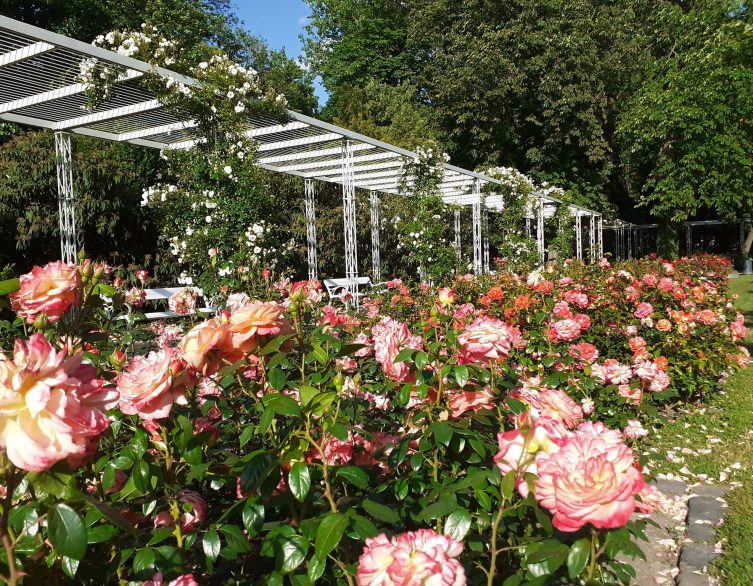
There’s something quietly magical about a rose garden in full bloom — the colour, the scent, the sense that the world has slowed down just enough to let you breathe. Budapest, it turns out, is one of the best cities in Europe to experience exactly that. From hilltop sanctuaries to riverside retreats and a brand-new jewel in the heart of Városliget, the Hungarian capital is home to some genuinely spectacular rose gardens, and the season is just hitting its stride.
Why Roses and Budapest Belong Together
The rose has a story that stretches back thousands of years. Ancient civilisations from China and India to Egypt, Assyria, Greece, and Rome all held the flower in deep reverence — rose essential oil and rosewater were staples of traditional medicine long before they became luxury spa ingredients. It was the ancient Greek poet Sappho of Lesbos who first crowned the rose as the queen of all flowers, and the Romans traced its origins to the tears of Venus and the laughter of Cupid. According to Greek mythology, when Aphrodite rushed to the side of her mortally wounded lover Adonis, she caught herself on a rose thorn, and her blood turned the flower from white to red — giving the world its enduring symbol of love.
In Hungary, the rose garden has its own noble history. The first one was planted on Margaret Island in the 1810s, at the initiative of Palatine Joseph, with the landscaping work carried out by head gardener Károly Tost. That tradition of cultivating beautiful rose spaces in Budapest has never really stopped — it’s just kept getting better.
The rose season typically begins around mid-May and reaches its glorious peak in June and July, making right now one of the finest times to explore these fragrant corners of the city.
Városliget: The Rose Garden at Millennium House
One of Budapest’s newest and most romantic rose garden experiences is tucked right beside the entrance to the Millennium House in Városliget — the grand park that was itself the centrepiece of Hungary’s millennial celebrations in 1896. As part of a comprehensive rehabilitation of the park and its surroundings, 1,500 rose bushes and a stunning rose pergola were planted around the building, evoking the golden age of Budapest with a sweep of colour and fragrance that stops visitors in their tracks.
The garden was designed with careful attention to sunlight and positioning, with roses grouped by colour and variety so that each bed harmonises beautifully with the next. Among the varieties you’ll find here are David Austin roses — beloved by rose enthusiasts worldwide for their full, lush blooms and spiced fragrance — as well as the peachy-orange Bentheimer Gold, the elegant Bajazzo with its beautifully shaped flowers, the deep pink Pomponella, the white carpet-forming Escimo, the cream and apricot Petticoat, and the delicate pink Topolina dwarf rose. In the centre of it all, a magnificent Zsolnay fountain adds one more layer of romance to a garden that already has it in abundance. Whether you’re planning a date, a lazy afternoon with a book, or simply a stroll through one of the most beautiful corners of the city, the Millennium House rose garden is hard to beat.
Best deals of Budapest










Address: 1146 Budapest, Olof Palme sétány 1.
Budapest Zoo: Roses Among the Animals
Most people visit the Budapest Zoo for its extraordinary animals, but the zoo has always taken its plants just as seriously — and right now, its gardens are looking particularly beautiful. In the rose garden in front of the Shark School (Cápasuli), a collection of special rose varieties is currently in stunning bloom. These are varieties bred by Gergely Márk, the celebrated Hungarian rose breeder whose work also features in the Szent István Park, and they are at their most breathtaking right now.
Roses don’t only appear in the dedicated garden, either. Stroll towards the Great Apes House and you’ll find more of these gorgeous blooms woven into the landscape, making a visit to the zoo feel like an unexpected garden tour as much as a wildlife experience. If you’d like to learn more about the zoo’s remarkable plant collection, the Horticultural Demonstration programme — held daily at 11:30 AM beside the Madagascar House — is well worth joining. It’s a lovely way to add a different dimension to your zoo visit.
Address: 1146 Budapest, Állatkerti körút 6–12.
Budatétényi Rose Garden: Budapest’s Grandest Rozárium
If you want to experience roses on a truly grand scale, the Budatétényi Rose Garden in the XXII district is the place to go. Covering 2.5 hectares, it holds the title of Budapest’s largest rose garden and Hungary’s largest rose gene bank — a living archive of botanical history that contains around 7,000 to 8,000 rose bushes, many of them varieties bred 60 to 70 years ago that are now extraordinarily rare on a global scale.
The rozárium was established in 1964 on the recommendation of the Horticultural Research Institute, and it was lovingly renovated in 2017. Today, it welcomes visitors with shaded walking paths lined with benches, a wealth of cultural and historical points of interest, and — wonderfully — free admission. Smaller groups can arrange guided tours, which are well worth it given the depth of botanical and historical knowledge the garden holds.
Address: 1223 Budapest, Park utca 2.
Gellért Hill Rose Garden: Budapest’s Birthday Gift to Itself
In 2024, Budapest gave itself a rather spectacular birthday present. Created to mark the 150th anniversary of the city’s unification, the rose garden in the Jubilee Park on Gellért Hill is one of the most meaningful and visually stunning additions to Budapest’s green spaces in recent years. Spread across 1,568 square metres with more than 50 rose varieties and 3,195 individual plants, it’s a place where beauty and symbolism are woven together — each rose bush represents a Hungarian settlement, either within the country or across its borders, making the garden a living expression of national belonging.
Among the highlights is Budapest’s own rose: a gorgeous apricot-coloured Großherzogin Luise variety, planted beside István Tar’s sculpture called Budapesti lány (Budapest Girl). The beds are geometric, with hexagonal shapes inspired by historical garden design, and filled out with perennials alongside varieties like Jazz Tantau, Anne Duprey, Hotline, Rotilia, and Dalli Dalli. The garden sits near the highest point of Gellért Hill, so the views over the city are as breathtaking as the blooms themselves.
Address: 1118 Budapest, Verejték utca 2.
Gül Baba’s Rose Garden: Where History Blooms
On the edge of the Rose Hill neighbourhood — Rózsadomb, whose very name tells you something — stands one of Budapest’s most unique historical sites. Gül Baba, whose name translates as Father of Roses, was a Bektashi dervish who arrived in Buda with the army of Sultan Suleiman the Magnificent in 1541. His türbe, the octagonal tomb built between 1543 and 1548, is the northernmost Islamic pilgrimage site in the world.
The rose garden surrounding the türbe feels like a world apart from the busy city below. Well-tended paths wind between rose beds that bloom from spring through to late autumn, and the combination of historical significance, beautiful plantings, and sweeping views over Buda makes this one of the most atmospheric spots in the whole city. After exploring the garden, be sure to visit the cultural centre’s exhibition inside — and perhaps end the afternoon with a coffee.
Address: 1023 Budapest, Mecset utca 14.
Margaret Island Rose Garden: A Peaceful Island Retreat
Margaret Island is already one of Budapest’s great urban escapes — a car-free island in the middle of the Danube where you can walk, cycle, swim, and forget the city exists. The rose garden near the island’s wildlife park is one of its quietest and most charming corners. The first rose garden here was planted back in 1810, and the present elliptical park is a beautifully laid-out space with mosaic-style flower beds, basalt-cobble edged surfaces, benches, and pergolas.
The collection spans an impressive range — tea hybrids, floribundas, miniature roses, park roses, climbing roses, and standard roses. In 2021, memorial stones were placed in the garden to honour the victims of Covid-19, giving the space an additional layer of quiet significance. The rose garden is open year-round and free to enter, and you might also spot a statue of the great Hungarian poet János Arany beneath the oak trees nearby.
Address: 1007 Budapest, Margitsziget.
Szent István Park: Roses in Újlipótváros
If you’re staying in or passing through the XIII district, the Szent István Park is one of those lovely neighbourhood green spaces that rewards a leisurely detour. Created in 1928 on the site of a former parquet factory, the park is beloved by locals as the green heart of Újlipótváros, shaded by mature acacias, plane trees, linden trees, and birches. The rose showcase garden, established in 2010, features varieties largely bred by Gergely Márk, and as summer approaches, the pergola bursts into flower with 240 rose varieties — a spectacular display that makes the park well worth a visit.
Address: 1137 Budapest, Szent István park.
Planning Your Rose Garden Visits
The peak of Budapest’s rose season runs from late May through July, so if you’re visiting right now, you’ve timed it perfectly. Most of these gardens are free to enter and accessible by public transport, making it easy to string together a beautiful rose-themed day out. Whether you start with a morning walk through the Budatétényi rozárium, climb to the Gellért Hill garden for views and blooms, catch the horticultural programme at the zoo, and end the afternoon in the romantic surrounds of the Millennium House in Városliget — Budapest’s roses are ready to make your visit a little more beautiful.
Related news
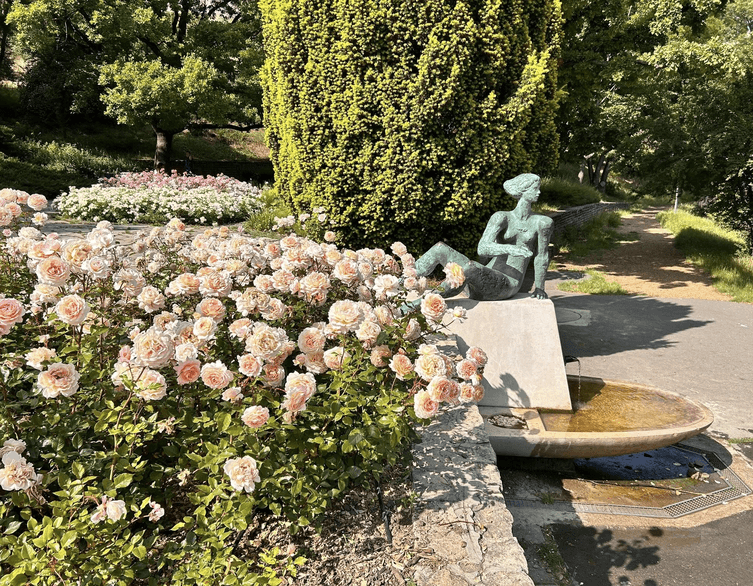
Autumn Meets Spring in Budapest’s Gellért Hill Rose Garden
Autumn colours and fresh flowers in the same place? On Gellért Hill, the two make a lovely pairing. While the season brings a different mood to...
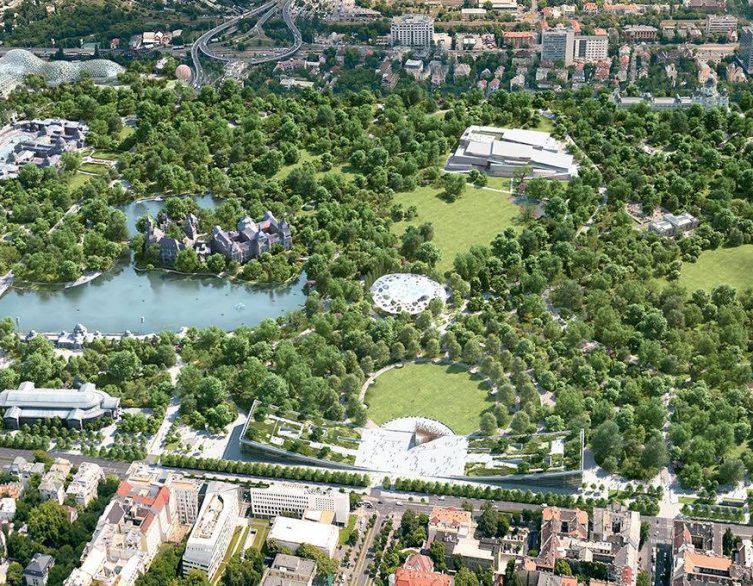
City Park Budapest Is Getting a New Lease of Life: Fences Down, Cars Out, Green Space Back
Something significant is happening in one of Budapest’s most beloved — and most contested — green spaces. City Park, known locally as Városliget,...
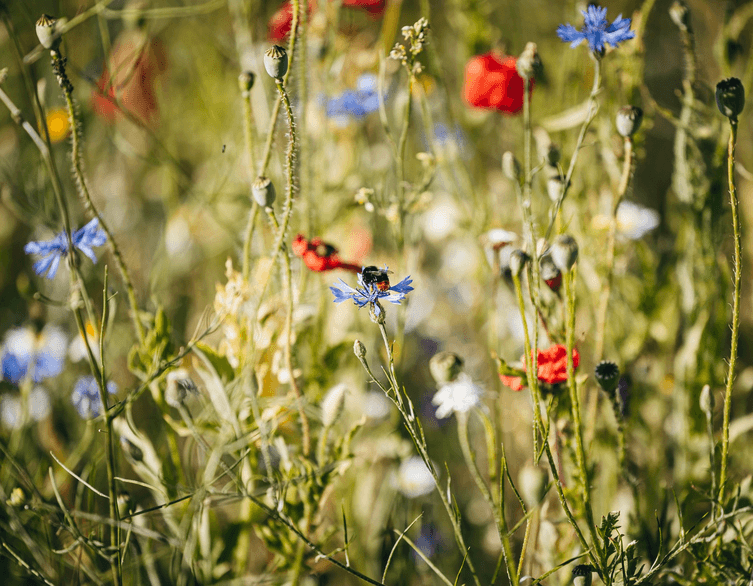
Why Budapest’s Parks Look a Little Wilder This Spring — and Why That’s Actually Great News
If you’ve been strolling through Budapest’s parks lately and noticed the grass looking a little longer than usual, don’t worry...
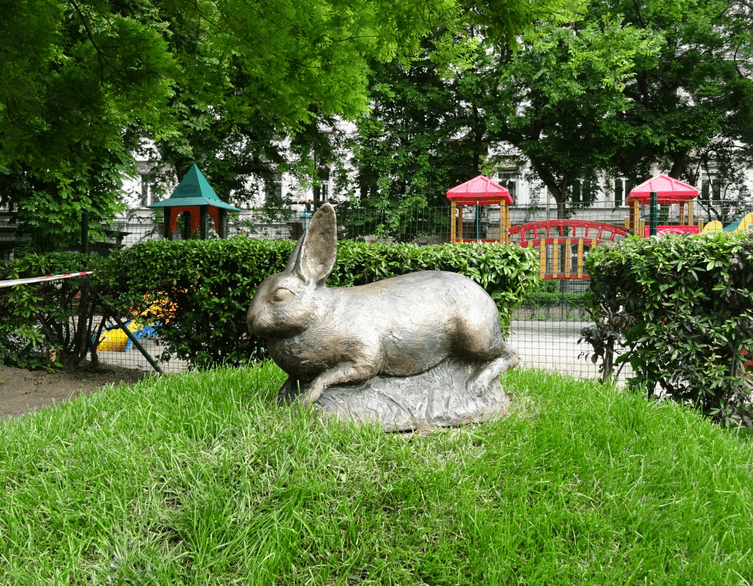
The Best Parks for a Picnic in Budapest in 2026 — A Visitor’s Guide to Eating Outdoors in the Hungarian Capital
Budapest is one of those cities that becomes almost impossibly beautiful when the sun comes out. The light bouncing off the Danube, the green hills...
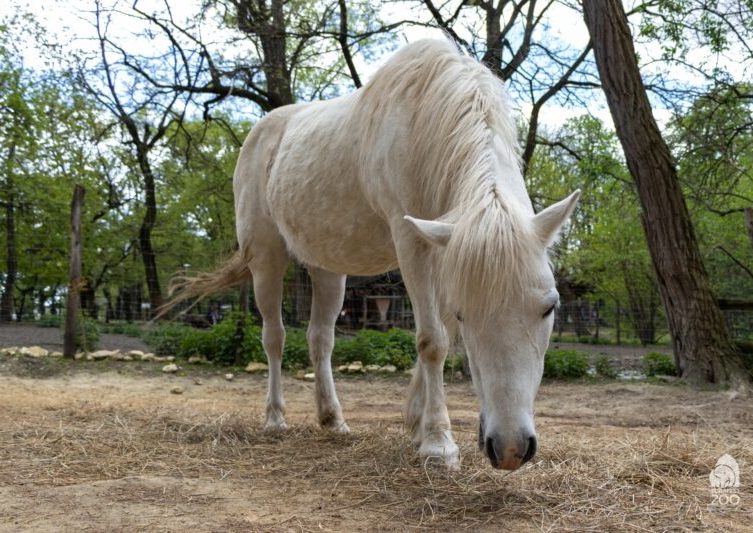
Margaret Island’s Little Zoo Is Open — and It Just Got Some Adorable New Residents
Spring has come early to one of Budapest’s most beloved green escapes. The Margaret Island Petting Zoo has reopened its gates after its brief...
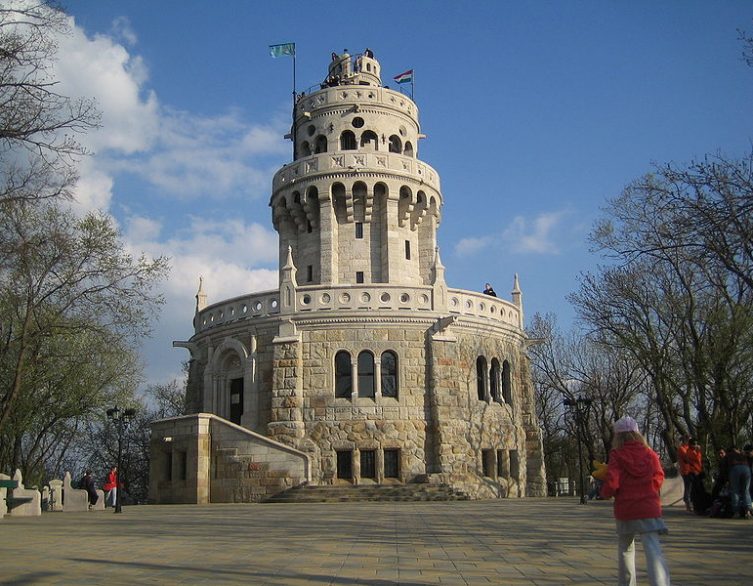
Discovering Budapest’s Hidden Heights: Where Legends Meet Spectacular Views
When the summer heat eases for a few days and Budapest is relieved by a breeze of cooler weather, there’s no better time to lace up your hiking...
Budapest’s Hidden Floral Paradise: A Secret Garden Guide for Savvy Travelers
Budapest’s wildflower meadows are blooming with life, and the city’s rose gardens are putting on their most spectacular show of the year!...
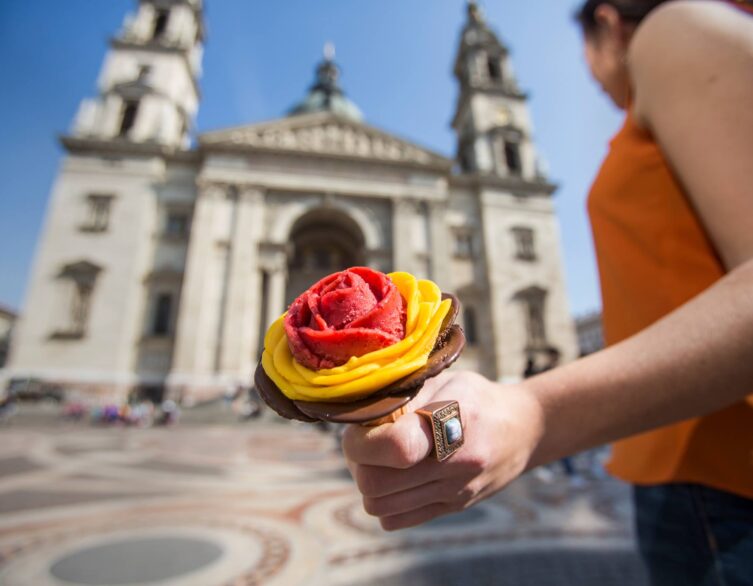
Stay Cool and Have Some Rose Ice Cream
The heatwave seems to stay a bit longer, but there are several ways to keep cool despite the weather. In the heart of Budapest, a city renowned for...
Related events
Related attractions
Margaret Island Petting Zoo – The Cutest Place on the Island
Nestled in the heart of Budapest, the Margaret Island Petting Zoo is a delightful attraction that offers a unique experience for visitors of all...
Immerse Yourself In the Enchanting Rose Garden on Margaret Island
Margaret Island is a tranquil oasis that offers a perfect escape from the bustling city life. Among its many attractions, the Rose Garden stands...
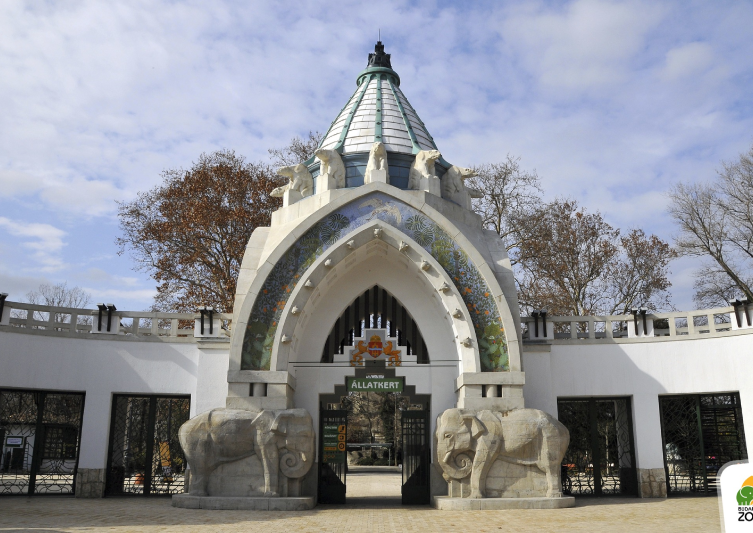
The Budapest Zoo & Botanical Garden: The Wonders of Nature In The Heart of Budapest
The Budapest Zoo & Botanical Garden is one of the oldest zoos in the world and a must-see attraction for any foreign tourist visiting Hungary’s...
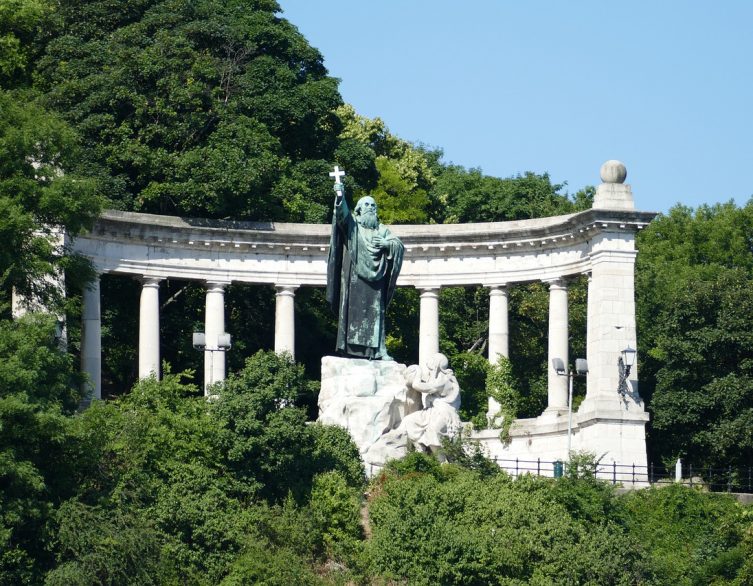
Gellért Hill: A Breathtaking Escape in the Heart of Budapest
Towering above the majestic Danube River, Gellért Hill stands as a captivating landmark in the historic city of Budapest. This iconic hill, rising...
Városliget: Budapest’s Green Oasis for Nature and Culture
Nestled in the heart of Budapest, Városliget (City Park) stands as a verdant oasis, offering a refreshing escape from the bustling city life. Right...