Budapest Airport Just Made Getting a Taxi More Complicated (Here’s What to Know)
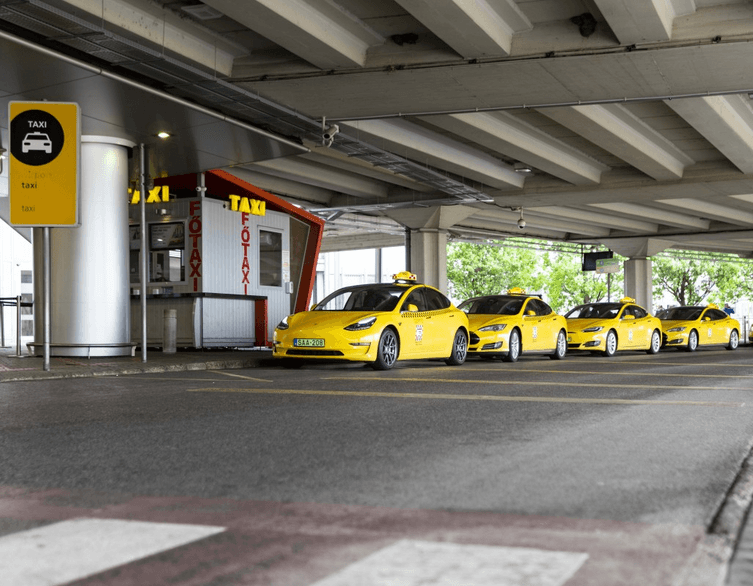
If you’re flying into Budapest Liszt Ferenc International Airport this August, there’s a change worth knowing about before you land. Starting August 3, 2026, the airport is scrapping the five-minute free grace period that Budapest-registered taxis used to enjoy in its parking areas — and that shift, combined with a citywide taxi fare increase two days earlier, means getting from the airport to your hotel is about to look a little different.
What’s Actually Changing at the Airport
Until now, taxis picking up or dropping off passengers at Liszt Ferenc International Airport — including the premium parking area right outside Terminal 2’s arrivals and departures — got five minutes of free passage each time. From August 3 onward, Budapest Airport Zrt., the state-majority-owned operator, is removing that exception entirely. In practice, this means every taxi pickup or drop-off at the terminal curbside now triggers a parking fee for the driver, and the airport has introduced a flat 800 HUF entry charge for taxis using its grounds.
The Fővárosi Taxi Egyesület (Budapest Taxi Association), which represents many of the city’s independent taxi operators, pushed back hard against the timing and asked the airport to delay the rollout until a workable compromise could be found. Budapest Airport declined, and the association has since appealed to the Hungarian government — which owns 80 percent of the airport — to intervene. One important exception: Főtaxi, the sole taxi company officially licensed to operate a rank right at the terminal curb through 2030, isn’t affected by this dispute and continues picking up passengers exactly where you’d expect, just outside Terminals 2A and 2B.
Why Tourists Will Feel the Ripple Effect
For visitors, the practical worry raised by the taxi association is distance. If other taxi companies avoid the new per-visit charges, a meaningful share of taxis may end up dropping off and picking up passengers at a car park roughly 1,100 meters — about a fifteen-minute walk — from the main terminal entrance rather than right at the curb. Budapest Airport frames the change differently, arguing it simply puts Budapest taxis on the same footing as every other licensed transport provider using its facilities, rather than giving them special treatment. Either way, if you’re hailing a non-Főtaxi vehicle after landing, it’s worth confirming exactly where your driver will meet you.
Best deals of Budapest









The airport has also pointed out that free short-stay parking hasn’t disappeared altogether: private cars picking up arriving passengers can still use a covered pickup point between the terminals, plus the City Break car park and the Bus Terminal, each offering one free five-minute stop per day. It’s taxis specifically, not everyday travelers being dropped off by friends or family, that lose the exemption.
The Fare Increase You Should Budget For
Here’s where it gets a bit more relevant to your wallet directly. Budapest’s official taxi tariffs rose on August 1, 2026 — the first increase since 2023 — and the timing wasn’t a coincidence. The base fare climbed to 1,300 HUF, the per-kilometer rate to 521 HUF, and the per-minute waiting charge to 130 HUF. On top of that, any trip starting or ending at the airport now carries an extra 800 HUF airport surcharge, bringing the effective airport base fare to 2,100 HUF. Budapest Airport has said this tariff bump was deliberately timed to offset the new entry fee taxis now pay, so drivers theoretically shouldn’t be out of pocket. For a typical ride from the airport into central Pest, expect somewhere around 14,000 HUF (roughly €40) with Főtaxi, with Uber and Bolt tracking similarly since they use the same regulated meter.
Smarter Ways to Reach Your Hotel
Given the shifting taxi landscape, it’s a good moment to weigh your options rather than just jumping into the first cab you see. The 100E Airport Express bus remains the easiest budget-friendly choice for solo travelers or couples, running around the clock to Deák Ferenc Square in the heart of downtown Pest for 2,500 HUF, though it won’t drop you at your actual door. If you’re really watching every forint and don’t mind a transfer, the 200E bus connecting to the M3 metro line costs just 500 HUF per leg, though it stops running around 11pm and involves navigating stairs with luggage. For genuine door-to-door convenience, Uber and Bolt let you lock in a price on your phone before you even walk to the pickup zone, while the officially sanctioned miniBUD shared shuttle offers a cheaper alternative to a private cab if you’re not in a rush and don’t mind a few extra stops along the way. Travelers arriving with kids, heavy luggage, or simply wanting zero stress after a long flight often find a pre-booked private transfer worth the modest premium, since the driver tracks your flight and waits with a name sign regardless of delays.
The Takeaway for Your Trip
None of this should derail your travel plans, but it does mean a little extra awareness pays off. If speed and simplicity matter most, Főtaxi’s rank still operates right at the terminal curb unaffected by the dispute. If you’re using a ride-hailing app or another taxi service, double-check your pickup location in the app rather than assuming it’s directly outside arrivals, and factor the new airport surcharge into your budget when comparing transport options. The situation remains somewhat fluid — the taxi association and airport operator are expected to revisit the arrangement in September once real-world data comes in — so it’s worth checking for updates if your trip falls later in the year.
Related news
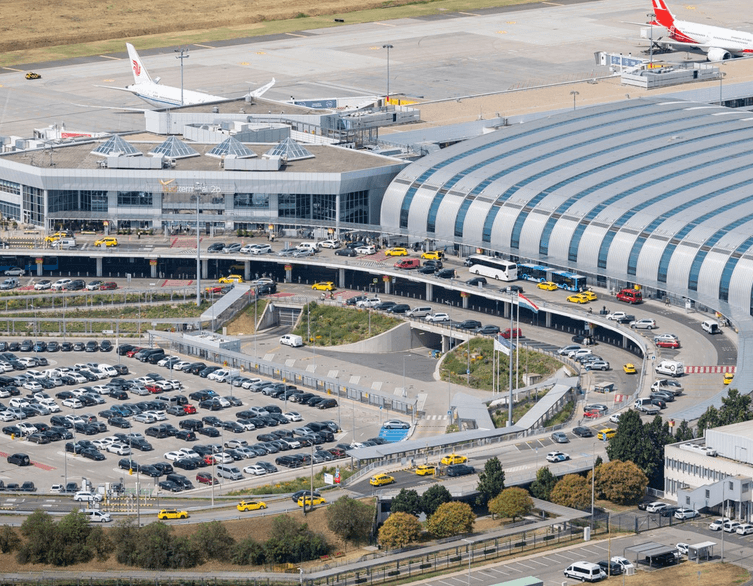
Budapest Airport Powers Up Its Green Future with EU Backing
Landing in Budapest is about to get a little cleaner and greener. Budapest Airport, the main gateway for most tourists arriving in Hungary, has ramped...
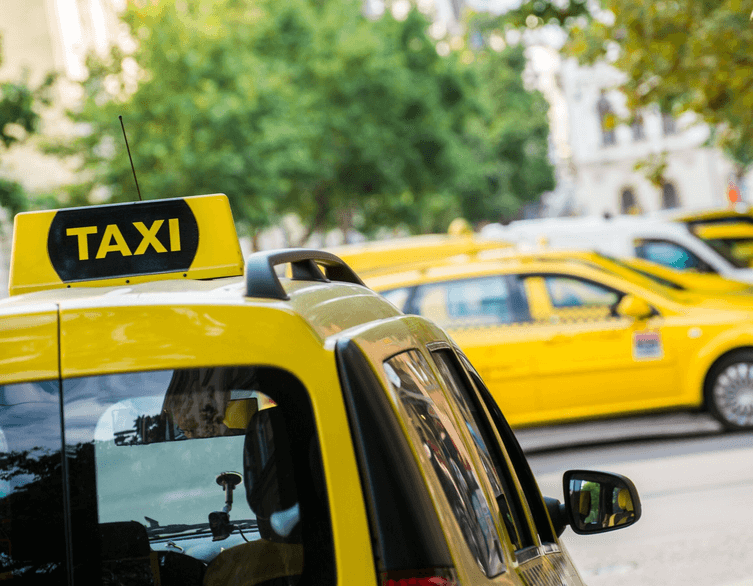
Budapest Taxi Fares Are Going Up in August — Here’s What Visitors Need to Know
The First Price Change in Over Three Years If you’re planning to visit Budapest this summer or autumn, there’s one practical update worth...
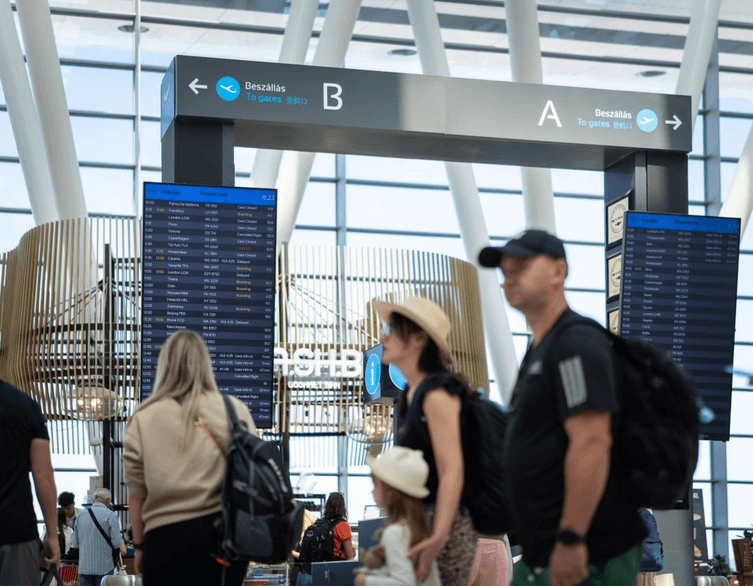
Your Ultimate Summer Travel Guide from Budapest’s Ferenc Liszt International Airport
Summer is officially here, and if you’re flying out of Budapest this season, there’s genuinely never been a better time to do it. Ferenc...

Flying from Budapest Just Got Easier: New Accessibility Tools, a Downtown Baggage Drop, and a Booming Airport
Budapest Ferenc Liszt International Airport has been quietly rolling out a series of passenger-focused improvements that are well worth knowing about...
No More Lugging Your Suitcase Around Budapest: The City-Center Airport Hub That Changes Everything
If you’ve ever spent your last precious hours in Budapest wrestling a heavy suitcase up cobblestone streets, sweating through the metro, and...
Navigating Budapest Airport Just Got a Lot Easier — Here’s What You Need to Know
Arriving in a new city is exciting, but let’s be honest — navigating an unfamiliar airport can be a little stressful, especially when you’re...