A Soldier’s Lot: Remembering Military Service at Budapest’s Museum of Ethnography
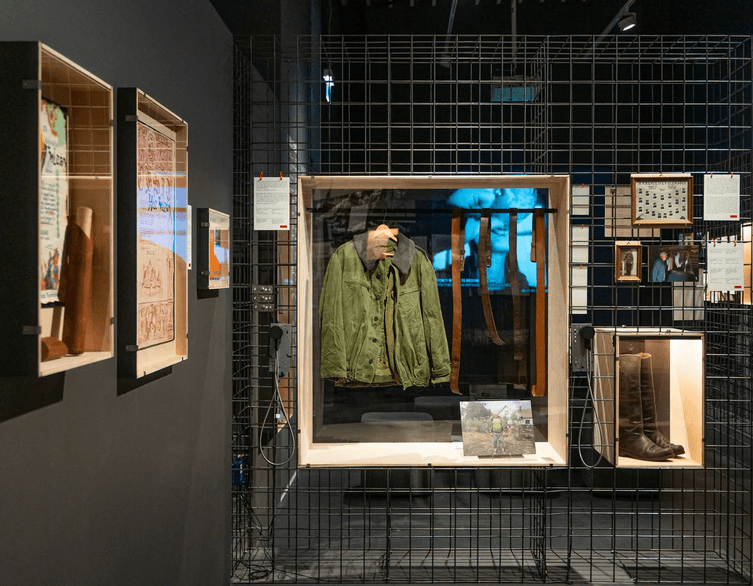
What would you keep from a chapter of your life you never chose? A letter, a photograph—or perhaps a lemon? At Budapest’s Museum of Ethnography, A Soldier’s Lot – Remembering Compulsory Military Service explores how everyday objects preserve the memories of an experience that shaped generations of Hungarian men.
Running from September 30, 2026 to August 29, 2027, this temporary exhibition looks beyond battles and military equipment to focus on life inside the barracks. Through personal belongings, photographs and stories, it reveals how former conscripts experienced their service—and what stayed with them long after they returned home.
Exhibition Details
- Exhibition: A Soldier’s Lot – Remembering Compulsory Military Service.
- Dates: September 30, 2026–August 29, 2027.
- Venue: Museum of Ethnography, Budapest.
- Main themes: Everyday military life, friendship, homesickness, humour and personal memories of compulsory service in Hungary.
- Highlights: Letters, photographs, handmade keepsakes, discharge countdown tapes and everyday objects with unexpected stories.
- Additional features: A community display case with monthly changing selections, plus related discussions and workshops.
- Visitor guidance: A separate section contains explicit, intimate and sexual material. Visitors under 18 are advised to enter this section with a parent or guardian.
- Tickets and opening hours: Check the museum’s current visitor information before your visit.
Everyday Life Behind the Barracks Gates
For generations of Hungarian men, compulsory military service meant stepping away from familiar routines and into a world of strict rules, shared living spaces and military hierarchies. Family life, relationships and personal ambitions were put on hold, while new friendships and communities formed.
The exhibition explores these experiences without presenting a single verdict. Some former conscripts remember their service as wasted time or a period of vulnerability. Others recall lifelong friendships, a sense of belonging and experiences that helped shape their later lives.
Across seven thematic sections, visitors follow the journey from reporting for duty to discharge. The displays examine discipline, comradeship and hazing, homesickness, romantic longing and the inventive ways conscripts managed everyday life.
For tourists interested in understanding Hungary beyond its best-known landmarks, these personal accounts offer a different perspective on the country’s recent social history.
Small Objects with Remarkable Stories
You won’t find an exhibition dominated by weapons or military hardware. Instead, letters, keepsake albums, photographs and handmade gifts show how conscripts made an impersonal environment feel a little more their own.
Measuring tapes used to count down the days until discharge capture the anticipation of going home. A sewing kit made from a spent cartridge case reveals an inventive approach to practical needs, while an artillery shell casing later reused as a weight for a manhole cover shows how military objects found new roles in civilian life.
One of the most unusual exhibits is a completely shrivelled lemon, preserved for decades by a former soldier who served in a construction battalion. Saved from a mid-morning meal provided for physical labour, the fruit gradually became a keepsake that its owner held on to after discharge.
Best deals of Budapest










There is humour here, too. Alongside stories of separation and hardship, visitors encounter tales of mischief, resourcefulness and the absurdity of military routines—including an occasion when soldiers had to imitate the sound of a malfunctioning vehicle.
Personal Memories Beyond Official History
Curated by Áron Bakos and Tamás Molnár, A Soldier’s Lot draws on several years of research by the Museum of Ethnography. Museum staff travelled across Hungary with a mobile exhibition, interviewed former conscripts and explored family collections to gather objects and stories missing from official military records.
Every item on display connects to someone’s personal experience. Rather than reconstructing a complete history of compulsory service, the exhibition presents a patchwork of memories: selective, sometimes contradictory and often deeply revealing.
That approach gives the exhibition a wider relevance. Even if you have no connection to military life, its central question is easy to recognise: why do some ordinary possessions become lasting reminders of who we once were?
Changing Displays and Unusual Souvenirs
A community display case introduces new selections each month, bringing fresh perspectives into the exhibition. Related discussions and workshops are also planned around the changing themes. Check the language and booking arrangements for individual programmes before attending.
The museum’s Ethnoshop offers an unusual souvenir experience linked to the exhibition. Visitors can have a photograph featuring their own portrait produced and printed on-site, place it in an envelope with an exhibition-themed stamp, and send it from the museum to an address within Hungary.
A souvenir deck of cards is also available. It takes inspiration from a pack displayed in the exhibition, some of whose cards were illustrated by a conscript himself.
Planning Your Museum Visit
A Soldier’s Lot is a thoughtful option for visitors interested in Hungarian social history, personal storytelling and the memories hidden in everyday belongings. Its focus is not on military victories or campaigns, but on how people adapted to a period of life they had not chosen.
Before setting off, check the Museum of Ethnography’s current opening hours and admission prices. Families should also keep the content advisory in mind: the separate section featuring explicit, intimate and sexual material is recommended for visitors under 18 only with a parent or guardian.
Related news
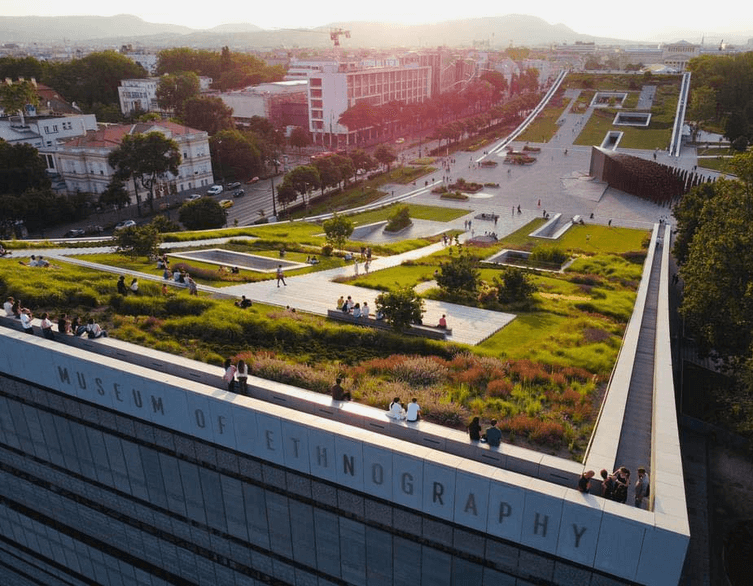
Budapest’s Museum of Ethnography Wins Major International Digital Innovation Awards
Budapest’s cultural scene just got another major boost on the international stage. The Museum of Ethnography has captured two prestigious awards...
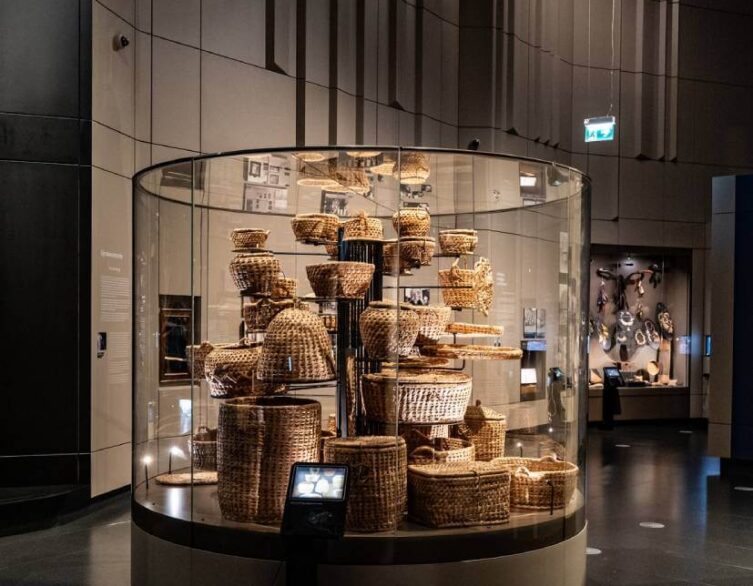
Discover a World of Wonders at the Museum of Ethnography’s Renewed Permanent Exhibition
Exciting news for culture enthusiasts and curious minds alike! The Museum of Ethnography in Budapest has finally unveiled its highly anticipated...