Washi in Budapest: Discover the Thousand Faces of Japanese Paper
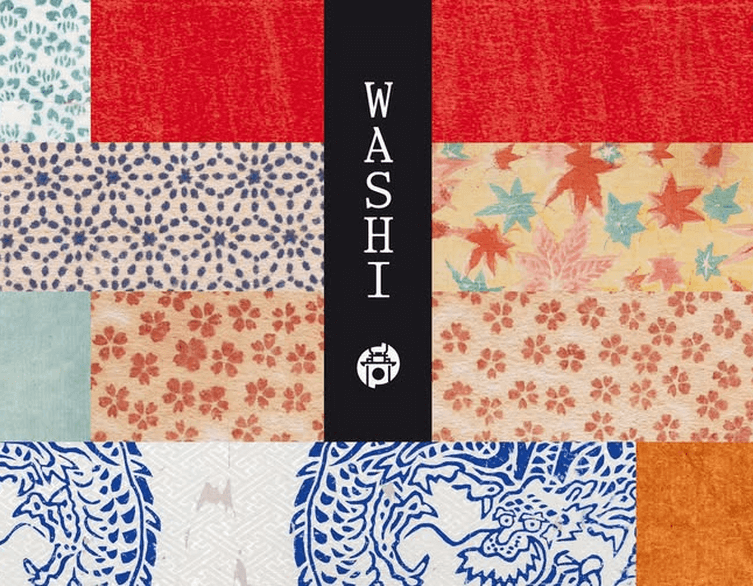
Paper might not be the first thing you plan a museum visit around—but this Budapest exhibition could change your mind. From objects used in everyday life to works of art, Japanese paper has a story that reaches far beyond the page.
Running from September 25, 2026, to January 31, 2027, at the Ferenc Hopp Museum of Asiatic Arts, Washi | The Thousand Faces of Japanese Paper explores how one remarkably versatile material became woven into Japanese culture. Through approximately 200 objects, artworks, documents and interactive elements, the exhibition invites you to look more closely at something we usually take for granted.
For travellers seeking a cultural experience beyond Budapest’s best-known attractions, washi offers an intriguing starting point: a material that connects craftsmanship, art, nature and the everyday search for beauty and practicality.
Japanese Paper, but Not as You Know It
Washi is traditional Japanese paper, but thinking of it simply as a surface for writing would miss much of its appeal. Across Japanese history, it has played a role in living spaces, clothing, rituals, artistic expression and the ways people recorded and shared knowledge.
The exhibition explores that variety rather than treating paper as a single craft with a single purpose. Objects dating from the 16th century to the present reveal how makers and artists have responded to the material’s qualities, finding practical, creative and aesthetic possibilities in its fibres.
That is the idea behind the exhibition’s “thousand faces”: washi does not belong exclusively to fine art, ceremonial life or ordinary households. It moves between them, sometimes taking centre stage and sometimes quietly making other things possible. As you explore the displays, the distinction between a humble everyday material and a treasured cultural object becomes increasingly difficult to draw.
Best deals of Budapest











From Plant Fibres to a Cultural Tradition
The story begins with nature. Papermaking technology reached Japan from continental Asia through China and Korea in the early seventh century. Over time, Japanese makers adapted the process to local resources, working with fibres from kōzo, or paper mulberry, as well as mitsumata and gampi.
The exhibition introduces these raw materials and the processes that transform them into handmade paper. Understanding how washi is made adds another layer to the objects on display: behind each sheet lies a relationship between plants, skilled hands and knowledge passed down through generations.
It also changes the way you look at paper itself. Instead of seeing an anonymous manufactured surface, you begin to notice a material with its own history, character and possibilities. The exhibition’s interactive elements help bring that wider story into focus alongside the historical objects and artworks.
How an Everyday Material Became Treasured Heritage
Washi’s place in Japanese society changed dramatically around the turn of the 20th century. Industrialisation during the Meiji era and the spread of Western-style, machine-made paper—known as yōshi—pushed traditional paper out of many areas of administration, education and mass communication.
As production declined, washi increasingly became associated with craftsmanship, art and cultural heritage rather than large-scale everyday use. Yet this shift also opened the door to reinvention.
From the second half of the 20th century, artists, architects, conservators and cultural institutions in Japan and elsewhere rediscovered its potential. Washi became an emblematic expression of Japanese cultural identity while continuing to serve new creative and practical purposes.
The Budapest exhibition follows this transformation without presenting tradition and innovation as opposites. Instead, it shows how a material can survive by taking on new meanings—and how its contemporary uses remain connected to the knowledge that shaped it.
Rarely Seen Objects from Budapest’s Japanese Collection
The Ferenc Hopp Museum of Asiatic Arts provides a particularly rich setting for this exploration. Its Japanese collection holds nearly 5,000 washi-based objects, giving the exhibition a substantial foundation in the museum’s own holdings.
Around 200 works and objects have been selected for the display, including pieces that have never previously been exhibited to the public. Some are made from washi, others incorporate it, and others were created using it. Together, they reveal a much broader picture than a collection of paper artworks alone could offer.
The exhibition is curated by Mirjam Dénes, a Japanologist, art historian and curator of the museum’s Japanese collection, and Veronika Bartha, a Japanologist and paper conservator. Their complementary expertise connects the cultural meaning of the objects with a close understanding of the material itself.
The Art of Preserving Paper
Another compelling thread takes you behind the scenes of museum work. Caring for washi objects requires more than protecting them from obvious damage: conservators need to understand how they were made, how they functioned and which materials they contain.
The exhibition draws on the museum’s conservation and diagnostic research, bringing attention to the work that allows these objects to remain accessible to future generations. Preservation becomes part of the story rather than something that happens out of sight.
For visitors, this offers a different way of appreciating a museum collection. An object’s survival is not simply a matter of age or luck. It also depends on research, careful decisions and an understanding of the relationship between paper, pigments and the other materials involved.
Contemporary Artists Give Washi New Possibilities
The exhibition extends into the present through contributions by Ákos Czigány, Petra Füzes, Júlia Néma and Kata Tranker. Each contributes a work representing a contemporary interpretation of washi.
Their presence reinforces one of the exhibition’s central ideas: Japanese paper is not merely a historical material to be admired behind glass. It remains a source of creative possibilities, capable of entering new artistic conversations while carrying its older associations with it.
Seeing contemporary works alongside historical objects makes the exhibition feel less like a closed chapter and more like an ongoing exchange between generations.
Visiting the Washi Exhibition in Budapest
Washi | The Thousand Faces of Japanese Paper is on view at the Ferenc Hopp Museum of Asiatic Arts from September 25, 2026, through January 31, 2027, making it an option for both autumn city breaks and winter visits to Budapest.
An accompanying programme and an international conference expand on the exhibition’s themes, with activities intended to engage different age groups. For visitors who want to explore the subject further, exhibition catalogues are available in English and Hungarian, bringing together research essays and approximately 200 illustrations, including object reproductions and photographic documentation.
What makes this exhibition appealing is its invitation to slow down and reconsider something familiar. You arrive expecting paper; you leave with a richer sense of how a material can shape daily life, preserve memories and carry a culture across centuries.
Related events